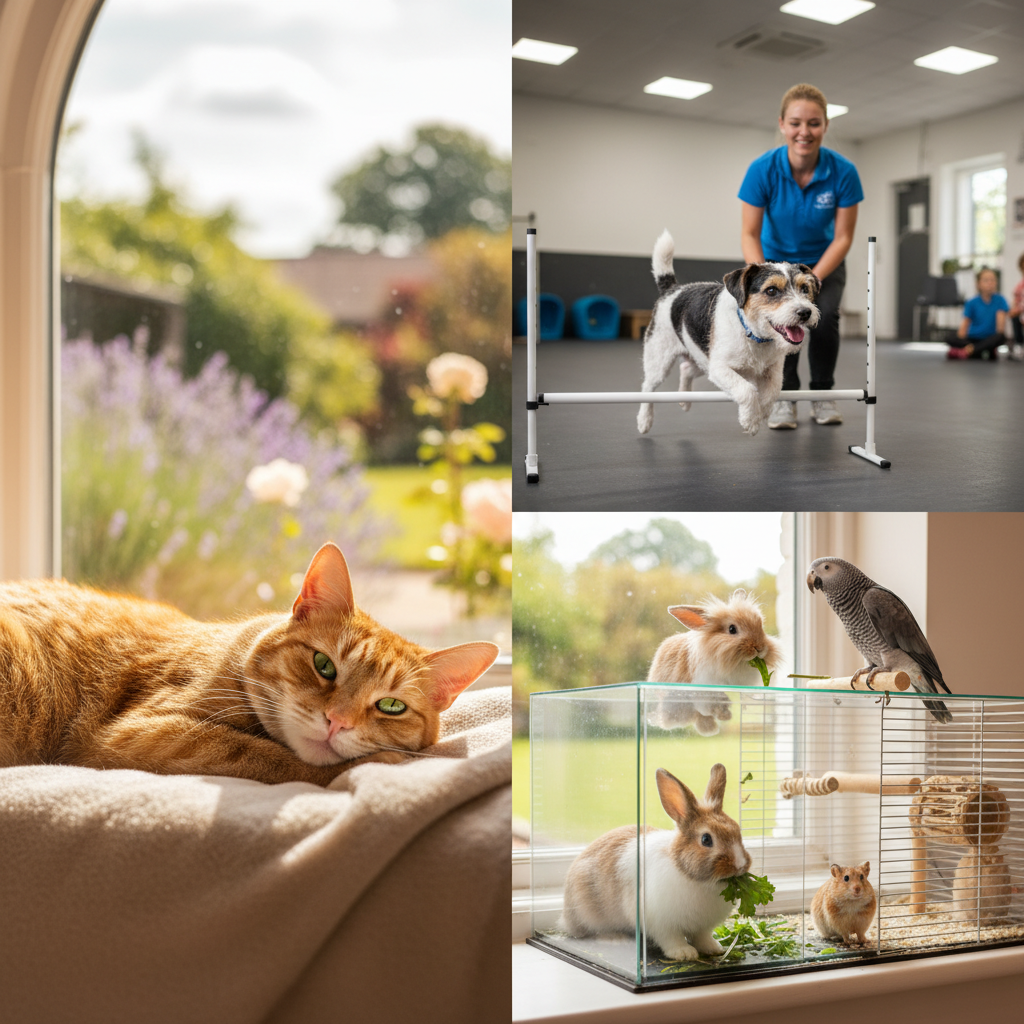
فقدان الوصول إلى حيوان أليف بعد الانفصال قد يثير حزنًا عميقًا وغير معترف به غالبًا. يستكشف هذا الدليل فقدان الحيوانات الأليفة غير المعترف به، واستراتيجيات التكيف، ومتى يكون الدعم المهني ضروريًا.
Key Takeaways
- Grieving a pet you no longer have access to after a relationship ends is a legitimate and recognised form of loss called disenfranchised grief.
- The grief may feel ambiguous because the pet is still alive, making it harder for others to acknowledge or understand.
- Establishing boundaries, creating personal rituals, and leaning on supportive communities can help ease the transition.
- Professional support from a therapist experienced in pet bereavement or relationship loss is recommended when grief interferes with daily functioning.
- Legal frameworks around pet custody vary widely; understanding local options may provide clarity and reduce helplessness.
Overview: Why This Kind of Pet Loss Is So Painful
When a romantic relationship ends, the division of shared belongings is often painful enough. But when a beloved pet is part of that equation, the emotional stakes rise dramatically. Unlike furniture or finances, a pet is a living being with whom a deep attachment bond has formed. For the partner who no longer has custody or regular access to the animal, the result can be a grief reaction that mirrors, and sometimes exceeds, the sorrow of a pet's death.
This type of loss is often categorised as ambiguous loss, a concept developed in family therapy research. The pet is still alive, but the relationship with that pet has been severed or drastically reduced. The person grieving may struggle to articulate what they are feeling because society generally reserves "grief" for death. Friends and family may minimise the pain with statements like "It's just a pet" or "At least the animal is still alive." These well-meaning but dismissive responses can deepen the sense of isolation.
Understanding that this grief is real, valid, and worthy of attention is the first step toward healing.
Recognising the Signs of Disenfranchised Pet Grief
Disenfranchised grief refers to any loss that is not openly acknowledged, socially validated, or publicly mourned. Grief over a pet shared with an ex-partner ticks many of these boxes. Common emotional and behavioural signs include:
- Persistent sadness or tearfulness when thinking about the pet, seeing photos, or encountering reminders such as a leash or favourite toy.
- Anger or resentment directed at the ex-partner, the legal system, or oneself for "allowing" the separation to happen.
- Guilt over whether the pet feels abandoned or confused by the change in routine.
- Rumination and intrusive thoughts about the pet's wellbeing, diet, exercise, or emotional state.
- Social withdrawal, particularly from friends who still have their pets or from places associated with the animal (dog parks, walking routes, pet shops).
- Sleep disturbances, appetite changes, or difficulty concentrating, which are common physical manifestations of grief.
- A sense of identity loss, especially if the person's daily routine, social connections, or sense of purpose revolved around caring for the pet.
These reactions are not signs of weakness. They reflect the genuine neurobiological attachment that develops between humans and companion animals, a bond supported by research showing that oxytocin levels increase in both humans and dogs during positive interactions.
When Grief Looks Like Depression
It is important to distinguish between healthy (though painful) grieving and clinical depression. While grief tends to come in waves and is often triggered by specific reminders, depression is more pervasive and may include feelings of worthlessness, loss of interest in nearly all activities, or thoughts of self-harm. If symptoms persist beyond several weeks with no improvement, or if daily functioning is significantly impaired, consulting a mental health professional is strongly recommended.
Why Society Struggles to Validate This Loss
Several cultural and social factors contribute to the dismissal of post-breakup pet grief:
- The "just a pet" narrative: Despite growing recognition of the human-animal bond, many people still view pets as property rather than family members.
- Relationship stigma: After a breakup, the grieving person may be told to "move on" from all aspects of the former relationship, including the pet, as though emotional attachment can be switched off.
- Lack of legal recognition: In many jurisdictions, pets are still classified as personal property under law. This means there is no formal custody framework equivalent to child custody, leaving one partner with little or no recourse.
- Ambiguity of the loss: Because the pet is still alive, the bereaved person may feel they have no "right" to grieve. This internal conflict can suppress healthy mourning.
Recognising these societal barriers is important because it helps the grieving person understand that the problem is not with their feelings, but with the lack of cultural infrastructure to support them.
Prevention Strategies: Protecting the Bond Before a Crisis
While no one enters a relationship expecting it to end, taking practical steps early on can reduce the severity of this type of loss if a separation does occur.
Establish Clear Ownership Documentation
Whenever possible, keep records of who purchased or adopted the pet, whose name appears on veterinary records, microchip registrations, and licensing documents. If both partners consider the pet "theirs," discussing and documenting a shared care agreement while the relationship is healthy can prevent conflict later. For those relocating internationally, keeping microchip records current is also essential for legal clarity.
Consider a Pet Prenuptial or Cohabitation Agreement
Some legal professionals now offer pet-specific clauses in cohabitation or prenuptial agreements. These can outline custody arrangements, visitation schedules, and financial responsibilities in the event of a separation. While not legally binding in every jurisdiction, they provide a written framework that can guide mediation.
Maintain Individual Bonds
Both partners should invest in their individual relationship with the pet. This means each person spending one-on-one time with the animal, attending veterinary appointments, and participating in training or enrichment activities. A strong individual bond can support a smoother transition if shared custody becomes necessary. Resources like guides on understanding canine body language can deepen this connection through better communication.
Coping Strategies for the Partner Who Loses Access
When the relationship has ended and access to the pet is limited or gone entirely, the following strategies can support the grieving process.
1. Acknowledge the Grief Fully
Give yourself permission to grieve. This is not melodramatic or disproportionate. The bond with a companion animal involves daily routines, physical affection, emotional regulation, and a sense of being needed. Losing all of that at once is significant.
2. Create a Personal Memorial or Ritual
Even though the pet is alive, ritualising the loss can help. This might include creating a photo album, writing a letter to the pet (even if it is never sent), or setting aside a moment each day to honour the bond. Some people find comfort in planting a tree or dedicating a small space in their home to the pet's memory.
3. Seek Out Supportive Communities
Online forums, pet loss support groups, and social media communities increasingly recognise non-death pet loss. Connecting with others who have experienced similar situations can reduce feelings of isolation. The Association for Pet Loss and Bereavement (APLB) and similar organisations often host discussion groups that welcome people grieving living-but-inaccessible pets.
4. Redirect Caregiving Energy
The urge to nurture does not disappear when the pet does. Volunteering at a local animal shelter, fostering animals in need, or offering to pet-sit for friends can provide a healthy outlet for caregiving instincts. Those considering a more structured role may find guidance in resources about setting up a pet-sitting arrangement.
5. Establish Boundaries With Your Ex-Partner
If any contact with the ex-partner remains, decide what level of information about the pet is helpful versus harmful. Some people find comfort in receiving occasional updates or photos. Others find that each update reopens the wound. There is no universal right answer; the key is to choose what genuinely supports healing rather than what prolongs attachment to the former relationship.
6. Resist the Urge to "Replace" Too Quickly
Adopting a new pet immediately can seem like a solution, but it may delay the grieving process and is unfair to the new animal, who deserves to be wanted for themselves rather than as a substitute. When the time does feel right, thoughtful preparation helps. A first-year budget guide can help ensure readiness, and for those considering a dog, understanding breed-specific needs, such as those outlined in guides on adopting a retired greyhound, supports a successful match.
7. Maintain Physical and Emotional Routines
The sudden absence of a pet disrupts daily rhythms: morning walks, feeding times, evening cuddles. Replacing these routines with new, health-promoting habits (walking, journaling, meditation, or joining a fitness group) can mitigate the destabilisation that comes with losing a daily structure.
Legal Considerations in Pet Custody
The legal landscape around pet custody is evolving but remains inconsistent. Key points to understand include:
- Property vs. sentient being: Some jurisdictions have begun recognising pets as sentient beings in custody disputes, allowing judges to consider the animal's best interests. However, in many regions, pets are still classified as personal property.
- Factors courts may consider: Where courts do adjudicate pet custody, factors typically include who purchased or adopted the animal, whose name is on registration and veterinary records, who provided primary care, and the pet's attachment to each partner.
- Mediation as an alternative: Formal litigation can be costly and emotionally draining. Mediation, where a neutral third party helps both partners reach an agreement, is often faster, less adversarial, and more flexible.
- Informal agreements: Many ex-partners successfully negotiate shared custody or visitation informally. Written agreements, even if not legally binding, provide structure and reduce future conflict.
Consulting a family law professional with experience in pet custody disputes is advisable for anyone facing this situation, particularly when the emotional stakes make objective decision-making difficult.
Supporting Someone Through This Type of Grief
Friends, family members, and colleagues can play a vital role in the healing process. Helpful approaches include:
- Validate the loss: Saying "I can see how much you miss them" is far more helpful than "You can always get another pet."
- Avoid comparisons: Ranking grief ("At least the pet isn't dead") is unhelpful. Pain is pain.
- Offer practical support: Help with daily tasks during the acute grief phase, invite the person on outings that do not involve pet-related triggers, or simply be present.
- Respect boundaries: Some people want to talk about the pet constantly; others need space. Follow the grieving person's lead.
When to Seek Professional Support
Professional help should be considered when:
- Grief symptoms persist at high intensity beyond several weeks with no signs of improvement.
- Daily responsibilities (work, self-care, relationships) are significantly impaired.
- The person experiences persistent feelings of hopelessness or worthlessness.
- There are thoughts of self-harm or suicide. In this case, immediate help should be sought through a crisis hotline or emergency services.
- The grief becomes entangled with unresolved trauma from the relationship itself, creating a compounded emotional burden.
Therapists who specialise in grief counselling, pet bereavement, or relationship loss are best positioned to help. Cognitive behavioural therapy (CBT) and grief-focused therapy are among the approaches that evidence suggests can be effective. Some veterinary practices and animal welfare organisations maintain referral lists of pet-loss counsellors, which can be a useful starting point.
For those whose grief overlaps with concerns about the pet's ongoing care or behaviour, consulting a qualified animal behaviourist for guidance (even indirectly) may provide reassurance about the animal's wellbeing.
Moving Forward Without "Getting Over It"
Healing from the loss of access to a shared pet does not mean forgetting the animal or pretending the bond never existed. It means integrating the loss into a broader life narrative, one that honours the love given and received while making space for new sources of connection and joy.
Many people find that, over time, the sharp pain of separation softens into a bittersweet gratitude: gratitude for the time shared, for the lessons the pet taught about patience, unconditional love, and presence. That gratitude is not a betrayal of grief. It is grief's natural companion.
The bond between a human and a pet is never diminished by distance, legal paperwork, or the end of a romantic relationship. What was real remains real, and honouring that truth is not only healthy but necessary.

فريق تحرير TrustMyPets
الخبراء العالميون في رعاية الحيوانات الأليفة
مجموعة من أخصائيي الطب البيطري والسلوك الحيواني مكرسة لتقديم تعليم موثوق في رعاية الحيوانات الأليفة.
الكشف عن المحتوى
تم إنشاء هذه المقالة باستخدام أحدث نماذج الذكاء الاصطناعي مع إشراف تحريري بشري. وهي مخصصة لأغراض إعلامية وترفيهية فقط ولا تشكل نصيحة طبية بيطرية. استشر دائمًا طبيبًا بيطريًا مرخصًا لتلبية الاحتياجات الصحية الخاصة بحيوانك الأليف. اكتشف المزيد حول عمليتنا.