
New Puppy Meets Senior Dog: A Two Week Integration Guide
Introducing a puppy to a senior dog requires careful territory sharing, energy management, and feeding separation. This science based guide provides a day by day two week integration timeline.

Certified Animal Behaviourist
David is a certified applied animal behaviourist (CAAB) specialising in separation anxiety, reactivity, resource guarding, fear responses, and inter-dog conflict. His guides help owners understand the function behind their pet's behaviour using humane, science-based modification strategies, drawing on CAAB, IAABC, and Fear Free Pets research.
Introducing a puppy to a senior dog requires careful territory sharing, energy management, and feeding separation. This science based guide provides a day by day two week integration timeline.

Retired greyhounds carry unique behavioural traits shaped by their racing background. This guide covers prey drive management, sleep nesting, transition timelines, and science based strategies for a smooth adoption.
Transitioning a rescue cat from shelter life to outdoor access requires careful, graduated steps. This guide covers territory marking, neighbour cat conflicts, and the safety milestones to reach before unsupervised outdoor time.
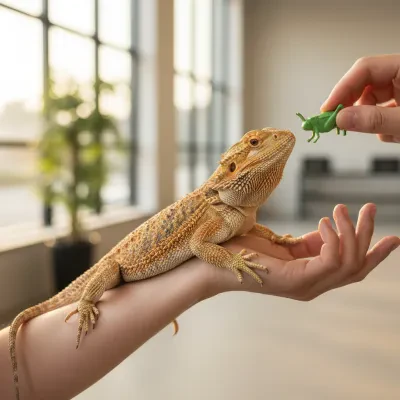
New bearded dragon owners often repeat the same preventable husbandry errors each spring. This guide covers UVB bulb replacement timing, basking temperature accuracy, insect overfeeding risks, and safe outdoor sun exposure setups.
Spring ventilation and feline safety can coexist. This guide covers mesh screens, catio kits, tilt window guards, and the behavioural science behind high rise syndrome in cats.
Late spring shelter surges compromise screening quality and skew behaviour assessments. Learn how to ask the right questions and spot a dog's true temperament despite overcrowded conditions.
Anticipatory grief begins the moment a veterinarian raises euthanasia as an option. This guide walks through the emotional stages, quality of life assessments, and practical steps to prepare yourself and your family before the appointment.
Spring triggers a surge in territorial barking driven by increased foot traffic, wildlife activity, and open windows. This guide explains the behavioural science behind the spike and offers humane modification strategies owners can start today.
Bonded cat pairs often settle faster, show fewer stress behaviours, and require less human intervention than single cats. This guide explains the behavioural science behind bonded pairs and why two cats can be less work than one.
First-time cat owners often follow outdated advice on litter box placement, quantity, and cleaning schedules. A feline behaviourist's guide corrects the most common errors using science-based strategies.
Hotel rooms and holiday rentals confront dogs with a convergence of olfactory, acoustic, and territorial stressors that can trigger marking, vocalisation, and anxiety far beyond simple nerves. Understanding the root causes of these behaviours and applying evidence-based management strategies makes the difference between a stressful trip and a settled, enjoyable one.
As water temperatures rise each spring, pond fish display a cascade of behaviours that range from entirely normal to genuinely urgent. Learning to distinguish thermoregulatory surface positioning from hypoxic distress, reproductive chasing from harmful aggression, and incidental flicking from a parasite crisis is the foundation of proactive spring pond management.