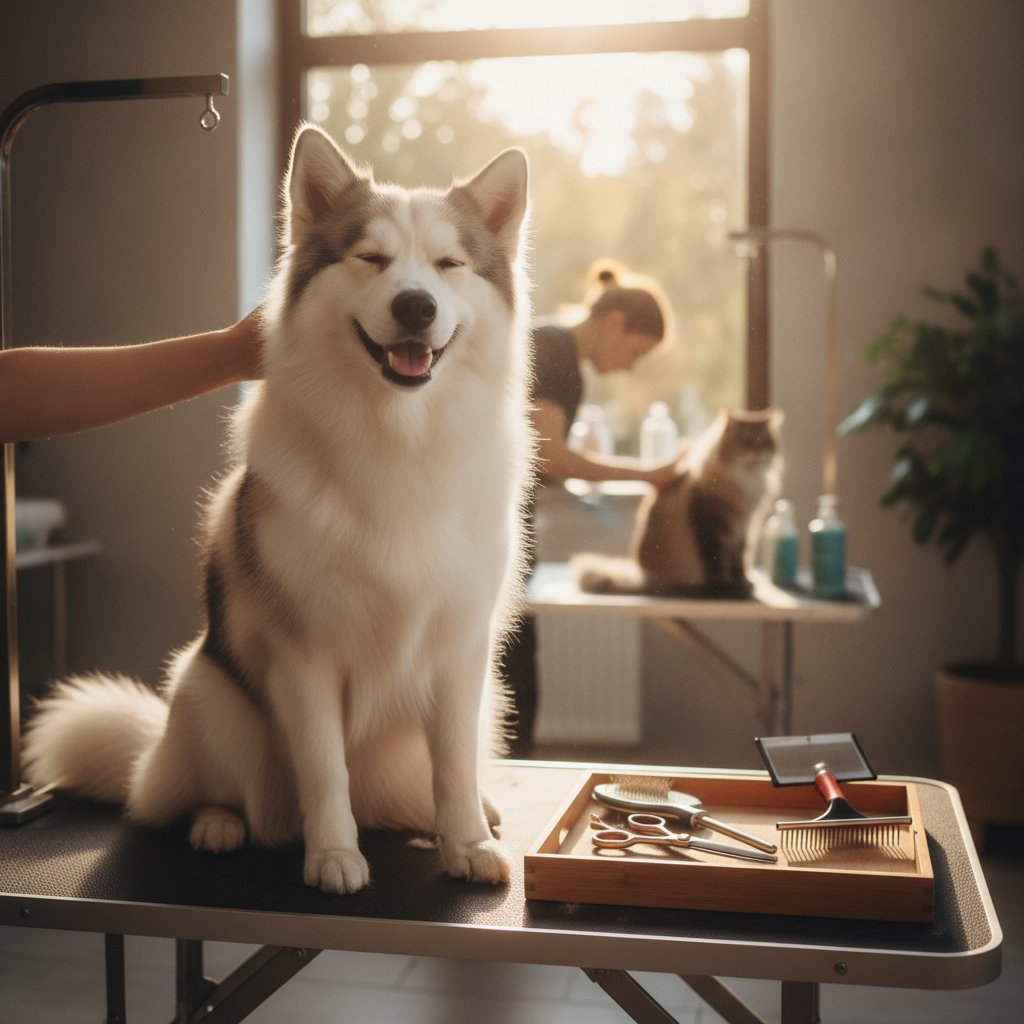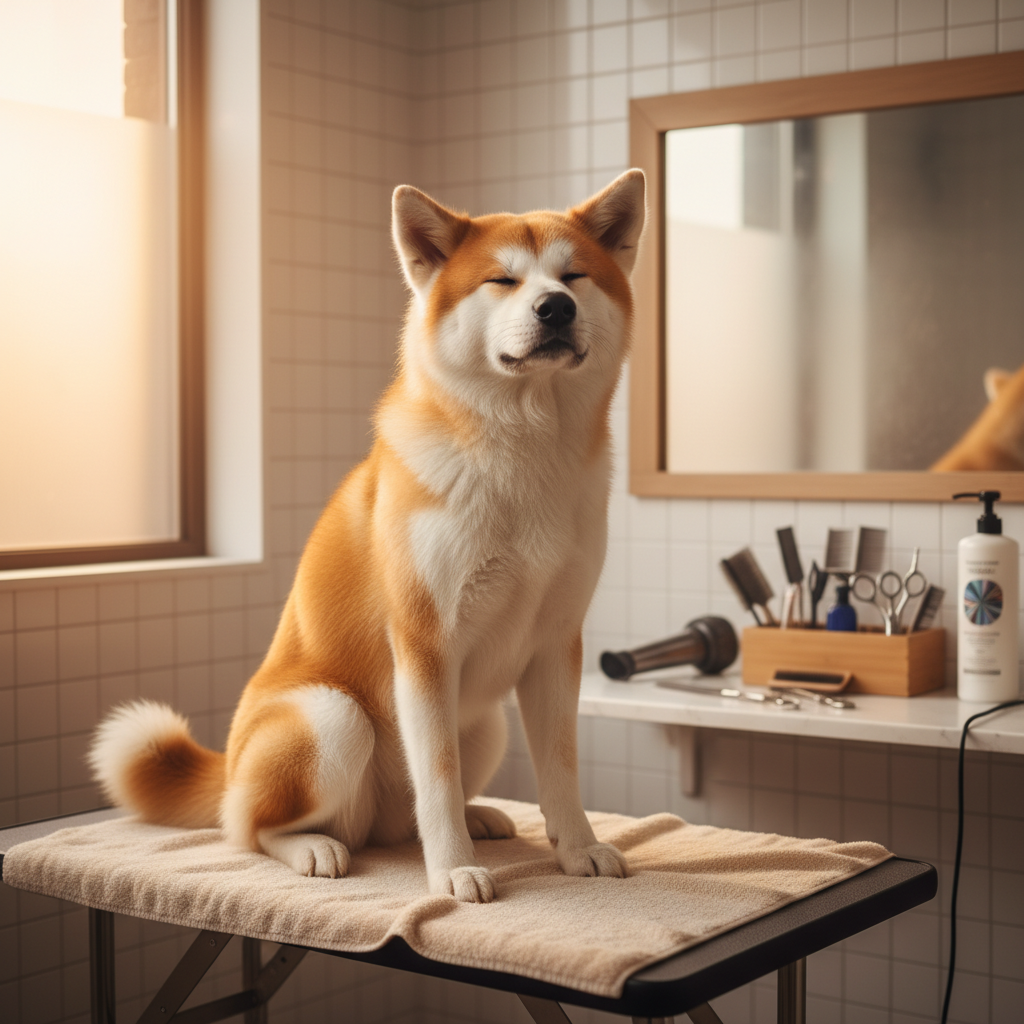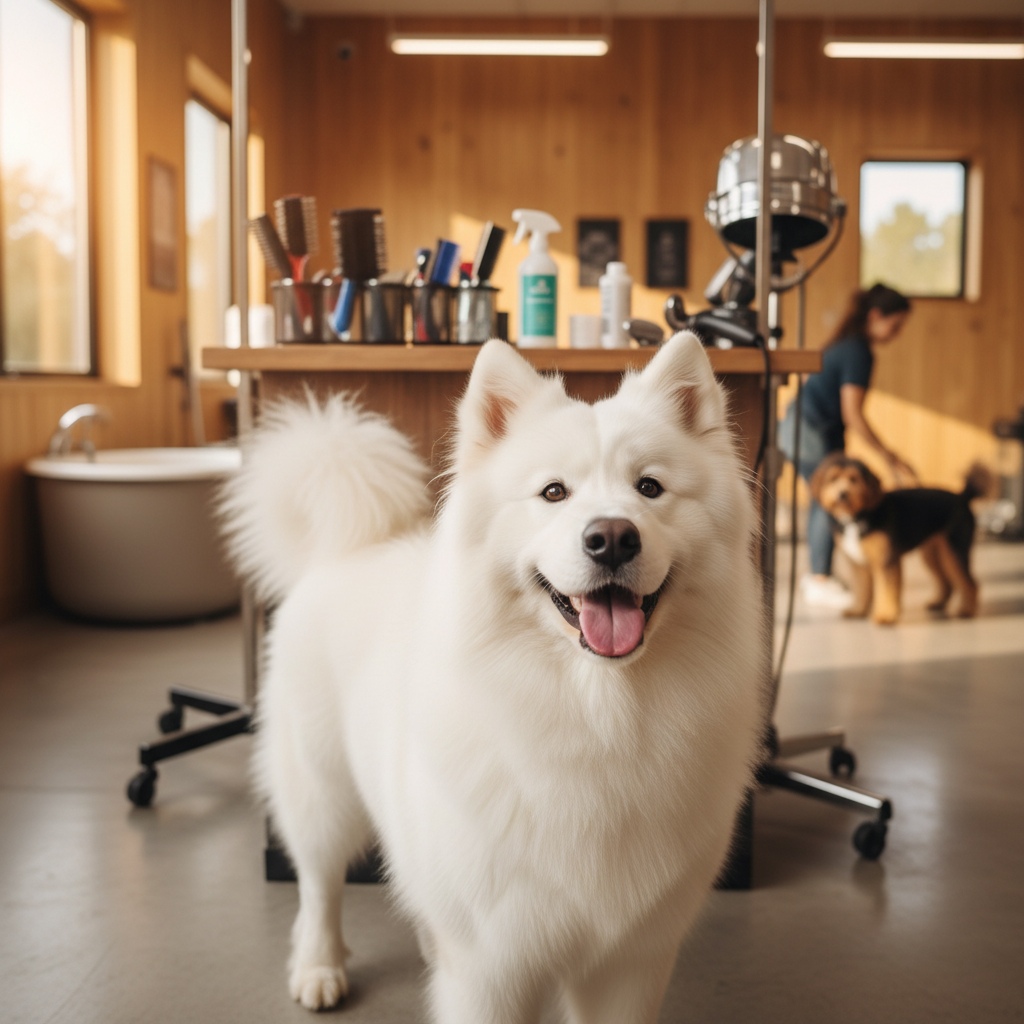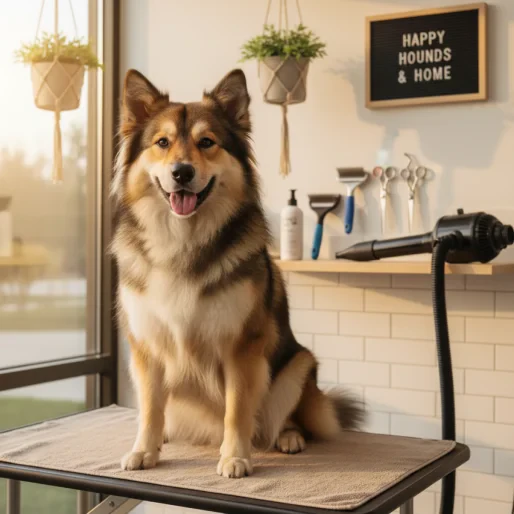
Double-coated breeds shed their winter undercoat in a dramatic seasonal event known as coat blow. This guide covers tool selection, dryer techniques, and how to distinguish normal shedding from stress-related hair loss.
Key Takeaways
- Coat blow is a natural, hormonally driven process in double-coated breeds that typically peaks over two to four weeks in spring.
- Undercoat rakes and deshedding tools serve different purposes: rakes lift loose undercoat, while deshedding blades cut and thin it.
- A high velocity dryer can dramatically reduce grooming time and help reveal hidden mats or skin issues.
- Patchy, symmetrical, or sudden hair loss is not normal shedding and warrants a veterinary consultation.
- Professional grooming is recommended at least once during peak coat blow for thorough undercoat removal.
Why Managing Coat Blow Matters for Your Dog's Health
Double-coated breeds, including Siberian Huskies, German Shepherds, Samoyeds, Akitas, Golden Retrievers, and Australian Shepherds, carry a dense, insulating undercoat beneath a coarser guard-coat layer. Twice a year, typically in spring and autumn, hormonal shifts triggered by changes in daylight length cause this undercoat to release in large clumps. Groomers commonly refer to this process as "coat blow" or "blowing coat."
If the dead undercoat is not removed, it compresses against the skin and traps moisture, warmth, and debris. This creates an environment conducive to hotspots (acute moist dermatitis), fungal overgrowth, and matting that pulls painfully on the skin. Thorough undercoat management during this period supports healthy air circulation through the coat, allows natural temperature regulation, and gives owners a valuable opportunity to inspect the skin for parasites, lumps, or irritation.
Owners who have recently adopted a dog from a breed-specific rescue may encounter their first coat blow unexpectedly. Understanding the process reduces anxiety and prevents well-meaning but harmful interventions like close-shaving a double coat, which can permanently damage the guard hair follicles.
Tools and Products Needed
Undercoat Rakes
An undercoat rake features a single or double row of rounded, rotating metal pins spaced widely enough to pass through the guard coat without cutting it. The pins reach the loose undercoat and lift it away from the skin. According to guidelines referenced by professional grooming bodies such as the International Professional Groomers (IPG) and the National Dog Groomers Association of America (NDGAA), an undercoat rake is generally the safest hand tool for routine undercoat removal because it does not cut or thin the healthy topcoat.
Best suited for: Breeds with thick, plush undercoats (Samoyeds, Chow Chows, Alaskan Malamutes) and areas where the coat is dense but not heavily matted.
Deshedding Tools
Deshedding tools use a fine-toothed stainless steel edge or blade to catch and remove loose undercoat. Unlike rakes, many deshedding tools also cut through some live undercoat if used with excessive pressure or too frequently. This makes them effective at reducing shedding volume quickly, but misuse can thin the coat unevenly or irritate the skin.
Best suited for: Moderate-undercoat breeds (Labrador Retrievers, Border Collies, Australian Shepherds) and owners looking for a quick maintenance session between deeper grooming.
Choosing Between Them
| Factor | Undercoat Rake | Deshedding Tool |
|---|---|---|
| Coat removal method | Lifts and pulls | Catches and cuts |
| Risk to guard coat | Low | Moderate if overused |
| Speed | Slower, more thorough | Faster surface passes |
| Skill level | Beginner-friendly | Requires controlled pressure |
| Ideal frequency | Several times per week during blow | Once or twice per week maximum |
Professional consensus suggests using an undercoat rake as the primary tool during heavy coat blow, supplementing with a deshedding tool only for finishing passes on the body (avoiding bony prominences such as hips and spine).
Additional Supplies
- Slicker brush: For smoothing the topcoat and catching remaining loose fur after raking.
- Steel comb (Greyhound comb): For checking completeness; if the comb passes through without snagging, the section is clear.
- Detangling spray or light conditioner: Reduces static and friction during brushing. Avoid heavy silicone-based products that can clog the undercoat.
- High velocity dryer: Covered in detail below.
Step-by-Step Coat Blow Grooming Routine
Step 1: Pre-Grooming Assessment
Before picking up any tool, run both hands through the coat, feeling for mats, lumps, scabs, or tender areas. Pay particular attention to behind the ears, the "armpits" (axillary region), the groin, and around the collar line, where friction mats form most often. Note any areas where the dog flinches, which may indicate pain or skin irritation that should be addressed before brushing.
Step 2: Bathing (Optional but Recommended)
A warm bath with a mild, soap-free dog shampoo loosens dead undercoat and makes mechanical removal significantly easier. Work the shampoo down to the skin, massaging in the direction of hair growth. Rinse thoroughly; residual shampoo can cause dryness and flaking. A light, rinse-out conditioner helps separate the undercoat from the guard coat.
Step 3: High Velocity Dryer Technique
A high velocity (or force) dryer blasts room-temperature or warm air at high speed, physically pushing water and loose fur out of the coat. This step is arguably the most efficient part of the entire coat blow routine.
Technique guidelines:
- Use the dryer on a moderate setting initially. Many dogs need a brief acclimation period; introduce the airflow at the shoulder or hip before working toward the head.
- Direct the nozzle at a roughly 45-degree angle to the skin, working in the direction of coat growth. Holding the nozzle perpendicular forces air directly into the follicle, which can be uncomfortable.
- Keep the nozzle approximately 10 to 15 centimetres from the skin. Too close can cause wind burn on sensitive skin.
- Work systematically: start from the rear, move forward along the flanks, then the chest, legs, and finally the head (on a reduced setting near ears and eyes).
- Watch for clumps of undercoat blowing free; this is normal and expected. Pause periodically to brush loosened fur away with a slicker brush.
Safety notes: Never direct a high velocity dryer into the ear canal. Dogs with known heart conditions, severe anxiety, or respiratory issues (brachycephalic breeds) may not tolerate the stress and noise. In such cases, towel drying followed by hand-tool grooming is the safer alternative. Owners whose dogs experience significant anxiety during grooming may also find helpful strategies in the guide on how pet sitters handle dog separation anxiety, as many calming techniques overlap.
Step 4: Undercoat Raking
With the coat loosened by bathing and drying, begin raking. Hold the undercoat rake at a slight angle, draw it through the coat in the direction of growth, using short, gentle strokes. Let the tool do the work; forcing it through tangles can scratch the skin or break guard hairs. After every few strokes, remove accumulated fur from the rake teeth.
Work section by section: rear legs, haunches, back, sides, chest, front legs, neck ruff, and tail. The tail and "britches" (rear thigh feathering) typically hold the most stubborn undercoat.
Step 5: Deshedding Pass (If Needed)
If significant loose undercoat remains after raking, a deshedding tool can be used for finishing. Apply minimal pressure, limiting each area to three to five passes maximum. Overworking one spot risks thinning the coat and leaving visible lines. Skip this step on areas with thin skin or minimal undercoat (belly, inner thighs, face).
Step 6: Comb-Through Check
Finish by running a steel Greyhound comb through every section. If it slides smoothly from skin to tip, the undercoat has been adequately removed. Any snags indicate remaining dead coat or small mats that need attention.
Step 7: Post-Grooming Skin Inspection
With the coat thinned to its seasonal level, this is an ideal time to examine the skin. Look for redness, flaking, pustules, hot spots, or areas of hair loss. Note anything unusual and photograph it for reference if a veterinary visit becomes necessary.
Frequency Guide by Coat and Breed Type
- Heavy double coat (Samoyed, Alaskan Malamute, Chow Chow): During active coat blow, brush every one to two days. Professional grooming at least once during the peak blow period is strongly recommended.
- Moderate double coat (Golden Retriever, German Shepherd, Australian Shepherd): Brush every two to three days during coat blow. A slicker brush can often handle maintenance sessions, reserving the undercoat rake for heavier days.
- Light double coat (Labrador Retriever, Pembroke Welsh Corgi, Shiba Inu): Two to three sessions per week is typically sufficient. A deshedding tool used carefully may be all that is needed.
Outside of coat blow season, most double-coated breeds benefit from a thorough brushing once per week to prevent mat buildup and distribute natural skin oils.
Normal Shedding vs. Stress-Related Hair Loss: Warning Signs
One of the most common concerns during spring is distinguishing healthy coat blow from pathological hair loss. The following comparison can help owners identify when veterinary input is warranted.
Characteristics of Normal Coat Blow
- Occurs seasonally, typically spring and autumn, triggered by photoperiod changes.
- Shedding is diffuse and roughly even across the body.
- Undercoat comes out in soft tufts or clumps, but guard coat remains intact.
- The skin underneath appears healthy: pink, smooth, and free of sores.
- The dog is not excessively itchy, and behavior remains normal.
Red Flags That Suggest Stress or Medical Hair Loss
- Patchy or asymmetrical loss: Bald spots that appear in irregular patterns, especially if the guard coat is also falling out, may indicate alopecia related to hormonal imbalance (hypothyroidism, Cushing's disease), fungal infection (dermatophytosis), or parasitic infestation (Demodex mites).
- Excessive scratching, licking, or chewing: Self-trauma that results in broken hair shafts is distinct from passive shedding and commonly relates to allergies, flea allergy dermatitis, or anxiety.
- Skin changes: Redness, darkened pigmentation (hyperpigmentation), scaling, crusting, or a greasy texture beneath thinning fur requires veterinary evaluation.
- Symmetrical flank alopecia: Bilateral, symmetrical hair loss on the flanks without skin inflammation can indicate seasonal flank alopecia or an endocrine disorder.
- Timing outside normal shedding windows: Heavy hair loss in midwinter or midsummer, particularly in indoor dogs exposed to consistent artificial lighting, may reflect stress, nutritional deficiency, or underlying disease.
- Behavioral changes: Hair loss accompanied by lethargy, weight change, increased thirst, or appetite shifts points toward systemic illness rather than simple shedding.
When in doubt, a veterinary dermatologist can perform skin scraping, trichography (microscopic hair analysis), or blood panels to rule out medical causes. This step should never be delayed if bald patches, sores, or behavioral changes are present.
Professional Groomer vs. Home Grooming: A Decision Guide
Many coat blow maintenance tasks are entirely safe for owners to perform at home, but certain situations call for professional intervention.
When Home Grooming Is Appropriate
- The coat is free of tight mats and the dog tolerates brushing calmly.
- The owner has an undercoat rake or slicker brush and understands correct pressure and technique.
- The dog's skin appears healthy with no open sores or active irritation.
- Routine deshedding sessions between professional appointments.
When to Book a Professional Groomer
- Mats have formed close to the skin, especially in sensitive areas (behind ears, axillary region, groin). Attempting to brush or cut these out at home risks nicking the skin.
- The coat blow is exceptionally heavy and the owner does not have access to a high velocity dryer.
- The dog becomes aggressive, panics, or shuts down during grooming, posing a safety risk.
- There are signs of skin disease requiring careful handling around affected areas.
- The owner is unsure whether the coat is single or double, and wants a professional assessment before choosing tools. This is especially relevant for owners who have recently adopted a mixed-breed dog.
Professional groomers certified through bodies such as the IPG, NDGAA, or the British Dog Groomers Association have training in breed-specific coat handling and can advise on ongoing maintenance schedules tailored to an individual dog's coat density and lifestyle.
Common Mistakes to Avoid
- Shaving a double coat: Clipping the coat very short does not help a dog stay cool and can lead to sunburn, improper regrowth (post-clipping alopecia), and loss of the coat's natural insulating and UV-protective properties.
- Over-bathing: Bathing more than once every three to four weeks (unless directed by a veterinarian for a skin condition) strips natural oils and can worsen dryness and shedding.
- Ignoring the belly and legs: These areas are often skipped but accumulate loose undercoat and are prone to matting from moisture and movement.
- Using human grooming tools: Human brushes, combs, and especially scissors are not designed for canine coat density and increase the risk of injury.
Seasonal Connections
Spring coat blow in dogs is part of a broader seasonal pattern across many companion animals. Cat owners often notice a parallel increase in hairball production during the same period, a topic explored in detail in why hairball season peaks in spring and how to help. Similarly, bird keepers managing a spring moult will find overlapping nutritional and environmental considerations discussed in supporting pet birds through a spring moult.
Owners planning to travel with pets during the warmer months should also be aware of summer airline pet cargo embargoes starting in May, as scheduling grooming before travel reduces loose fur and helps dogs stay comfortable in transit.
Frequently Asked Questions
How long does coat blow last in double-coated dogs? ↓
Can I use a deshedding tool every day during coat blow? ↓
Should I shave my double-coated dog in spring to help with shedding? ↓
How do I know if my dog's hair loss is stress-related rather than normal shedding? ↓
Is a high velocity dryer safe to use at home? ↓

Sophie Bianchi
Certified Master Pet Groomer
Certified master pet groomer — breed-standard techniques, skin health awareness, and at-home grooming guidance.
Content Disclosure
This article was created using state-of-the-art AI models with human editorial oversight. It is intended for informational and entertainment purposes only and does not constitute veterinary medical advice. Always consult a licensed veterinarian for your pet's specific health needs. Learn more about our process.