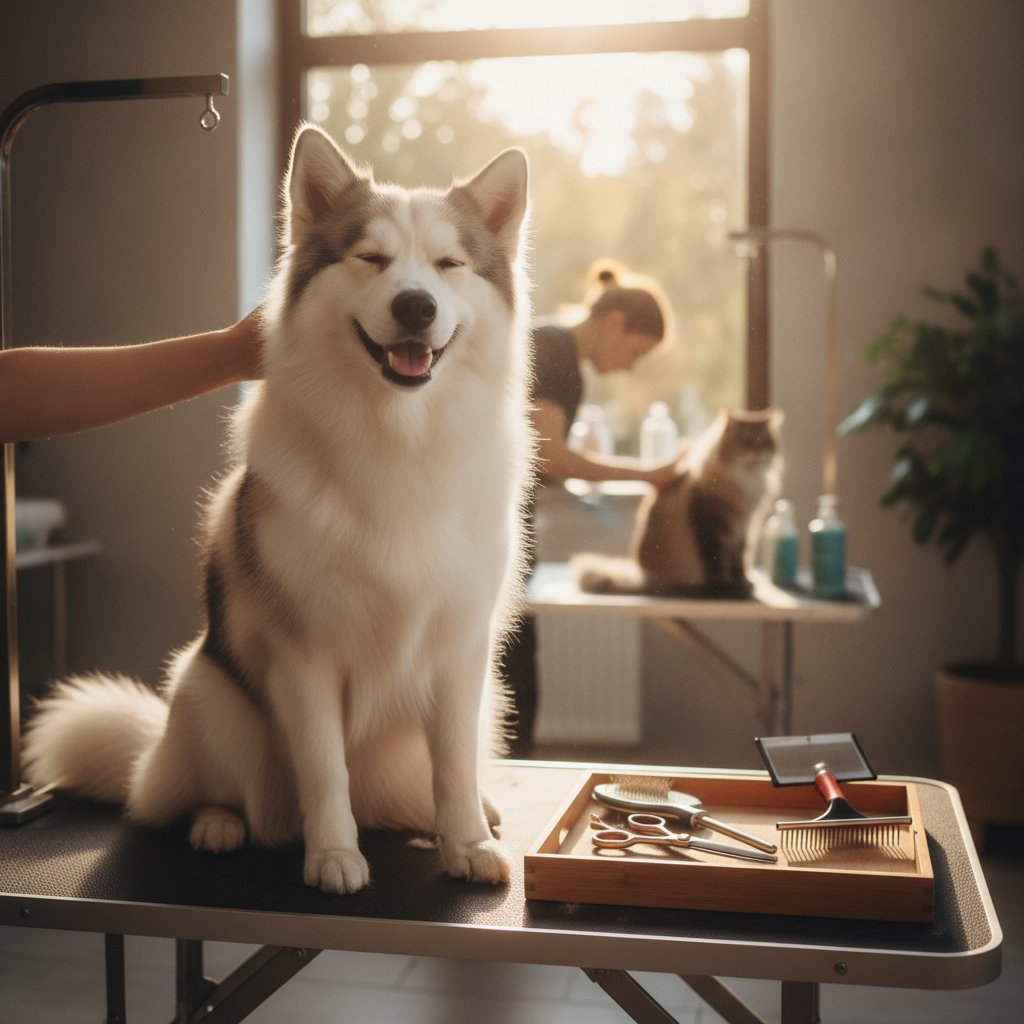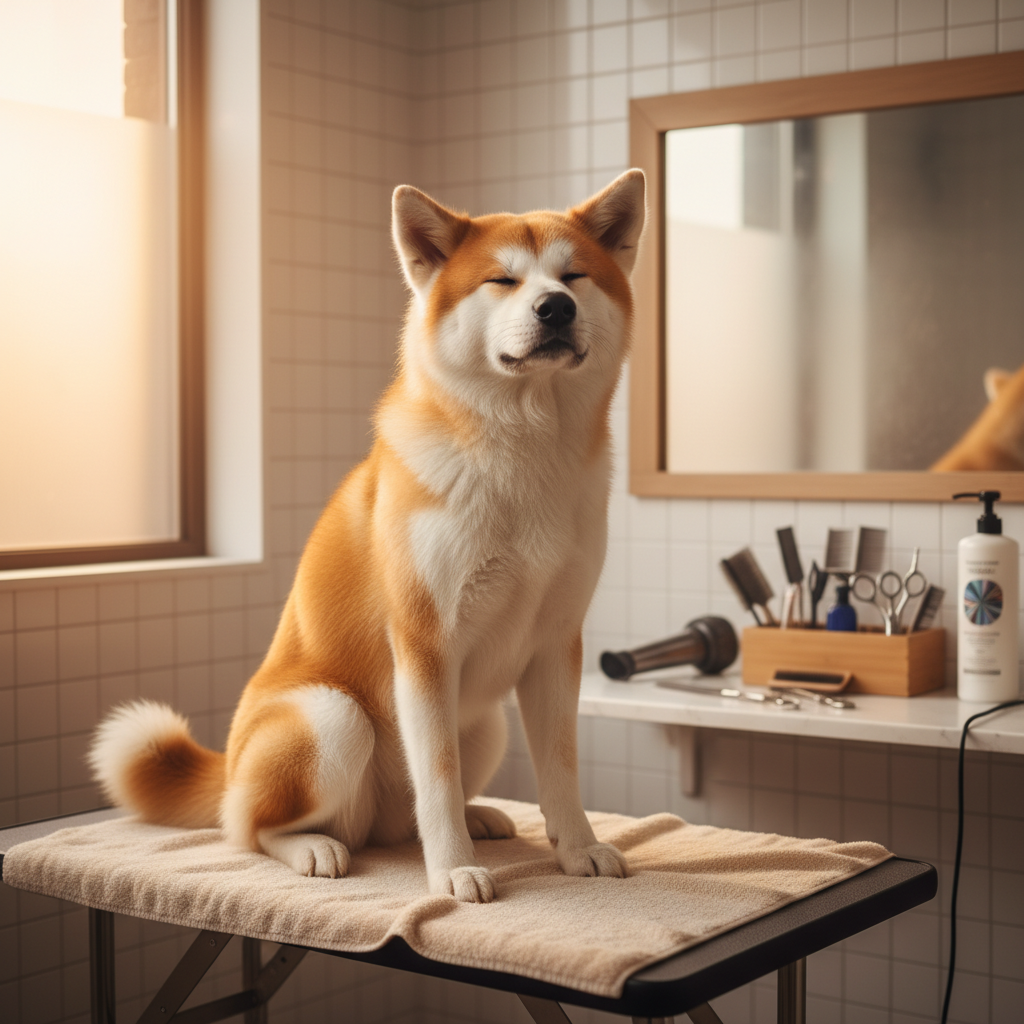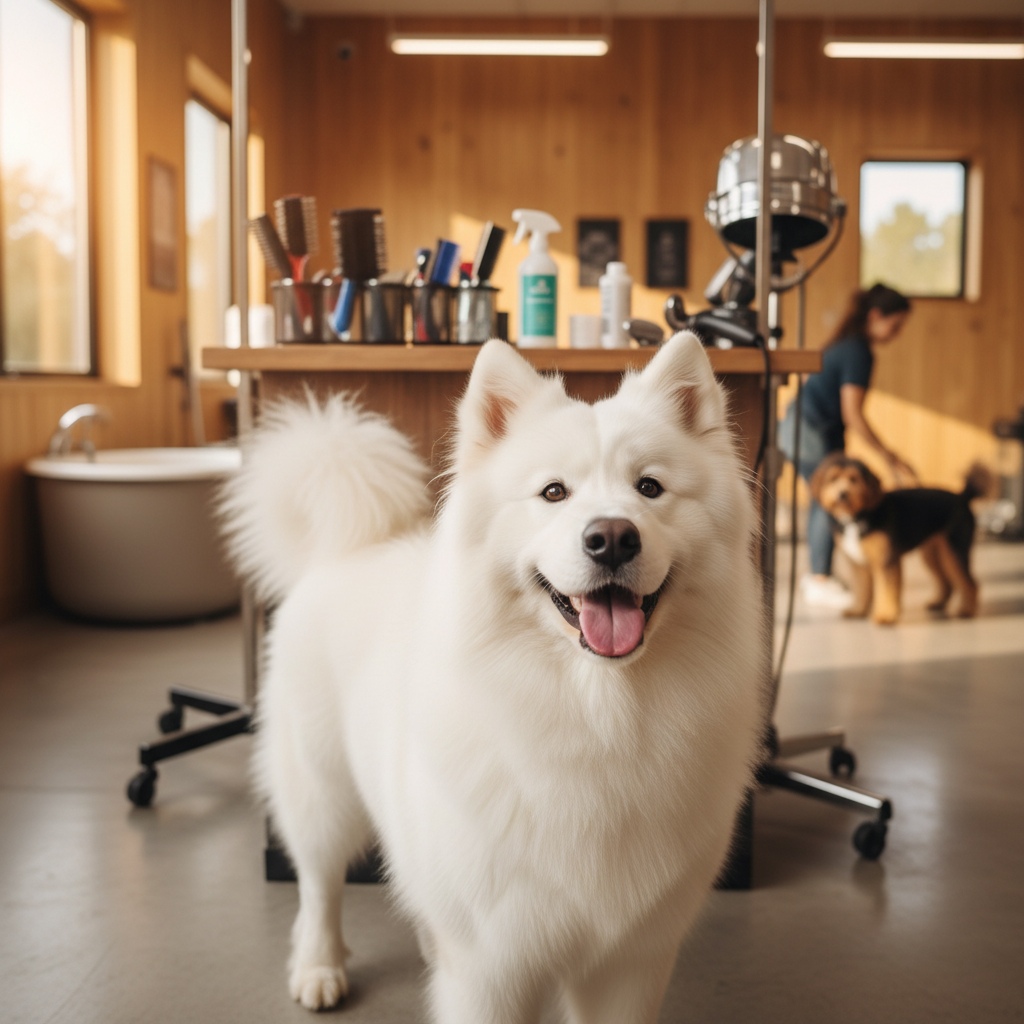
Prepare your pet for winter by managing the massive autumn shed. Learn professional line-brushing techniques and tool selection to prevent impaction and skin issues.
Understanding the Autumn Shift
As the days grow shorter, you likely notice a familiar chaos in your home: tumbleweeds of fur rolling across the floorboards. In veterinary practice, we call this the 'Autumn Coat Blow.' While spring shedding is often more explosive as pets lose their heavy winter gear, the autumn shed is equally critical. Your pet is shedding their lighter summer undercoat to make room for a dense, insulating winter layer.
Many owners underestimate this phase. The danger here isn't just the mess; it is impaction. If the dead summer hair is not removed, it gets trapped against the skin by the incoming winter coat. This creates a stifling, moist environment perfect for bacteria and yeast, often leading to hot spots and dermatitis just as the weather turns damp.
Key Takeaways for Home Care
- The Goal: Remove dead summer undercoat to allow air circulation for the new winter coat.
- The Risk: Impacted undercoat traps moisture, leading to 'rain scald' and hot spots.
- The Tool: An undercoat rake and a slicker brush are your best friends; avoid cutting blades unless trained.
- The Golden Rule: If you can't part the hair to see the skin, the coat is impacted.
The Science of the Shed
Shedding is triggered primarily by photoperiod (the amount of daylight), not just temperature. As light decreases in autumn, the pineal gland signals hair follicles to enter the telogen (resting) phase and shed, making way for new anagen (growth) hair.
This is why indoor pets often shed year-round, artificial lighting confuses their biological rhythm, but they will still experience a significant turnover in the fall. Double-coated breeds (Huskies, Golden Retrievers, German Shepherds, and Maine Coons) are the most affected, but even short-haired breeds will increase their shedding.
Phase 1: Preparation and Tool Selection
In my 12 years of nursing, the most common mistake I see is using the wrong brush. A standard bristle brush only smooths the topcoat (guard hairs) and does nothing for the trapping hazard underneath.
The Essential Toolkit
- Undercoat Rake: This looks like a mini garden rake. It is designed to reach past the guard hairs and pull out the loose undercoat without damaging the top layer.
- Slicker Brush (Long Pin): Essential for 'line brushing' and separating the hair.
- Metal Greyhound Comb: The lie detector. Used at the end to confirm you have removed all tangles.
- Detangling Spray: To prevent coat breakage.
Phase 2: The Step-by-Step De-Shedding Technique
Do not attempt to do this all in one session. Aim for 15 to 20 minute sessions over a week to prevent brush burn on your pet's skin and fatigue for you.
Step 1: The Inspection
Before you start, run your hands over the animal's entire body. You are checking for lumps, bumps, or existing mats. Since parasites love to hide in dense undercoats, this is also the time to check for ticks. Even as the weather cools, pests remain active. See our guide on tick strategies which, while written for spring, applies heavily to the autumn transition where leaf litter hides hungry ticks.
Step 2: Line Brushing (The Professional Secret)
Randomly brushing the back does very little. You must use a technique called line brushing.
- Have your pet lie on their side.
- Lift a section of hair upward with your hand so you can see a line of skin.
- With your slicker brush, brush the hair below the part line, pulling down away from the skin.
- Work inch by inch up the animal's flank.
- Why this matters: This ensures you are brushing from the skin out, removing the dead hair that sits right against the follicle.
Step 3: The Rake Out
Once the coat is tangle-free, use the undercoat rake. Move gently in the direction of hair growth. You will be amazed, and perhaps horrified, at the amount of fluff that comes out. This is the hair that would otherwise end up matted against the skin.
Step 4: The Bath and Blow (Optional but Recommended)
A warm bath can help loosen the coat, but there is a major caveat: You must dry the animal completely.
If you bathe a dog with a thick undercoat and let them air dry in autumn, you are inviting trouble. The dampness gets trapped, creating a greenhouse effect for fungus. As discussed in our guide on preventing hot spots and yeast, moisture management is critical. If you do not have a high-velocity dryer, consider taking them to a professional groomer for the wash and dry portion.
Specific Considerations by Species
Cats
Cats are fastidious groomers, but the autumn blow can overwhelm their digestive tracts, leading to trichobezoars (hairballs). During this season, increase brushing frequency to daily. If your cat stops eating or is retching without producing a hairball, this is a veterinary emergency.
Small Mammals (Rabbits and Guinea Pigs)
For rabbits, the coat blow is dangerous. Rabbits cannot vomit. If they ingest too much fur while grooming, it can cause GI Stasis, a life-threatening blockage. You must pluck loose tufts of fur gently by hand (a technique called 'stripping') and brush daily during the moult.
When to Call the Vet
While shedding is normal, bald patches are not. If you notice the following, pause grooming and book a consult:
- Symmetric Hair Loss: Thinning on both sides of the flank can indicate endocrine issues like Hypothyroidism or Cushing's disease.
- Raw or Oozing Skin: This is likely a hot spot requiring medication.
- Excessive Itching: Could indicate parasites or allergies.
Looking Ahead: Winter Wellness
Once the loose coat is removed, your pet's new winter coat can properly loft and insulate them. This is also the time to start thinking about paw protection as the ground gets colder. Transitioning from grooming to protection is key; reviewing paw care strategies now will prepare you for the first frost.
Remember, grooming is a health check. By spending this time with your pet, you aren't just saving your vacuum cleaner; you are ensuring their skin is healthy, their insulation is effective, and they are ready for the season ahead.
Frequently Asked Questions
Why is my dog shedding so much in autumn? ↓
Can I shave my double-coated dog to stop shedding? ↓
What is the best brush for shedding? ↓

Emma Lawson
Practical Pet Care Educator
Practical pet home care specialist — clear, step-by-step guidance grounded in veterinary nursing standards.
Content Disclosure
This article was created using state-of-the-art AI models with human editorial oversight. It is intended for informational and entertainment purposes only and does not constitute veterinary medical advice. Always consult a licensed veterinarian for your pet's specific health needs. Learn more about our process.