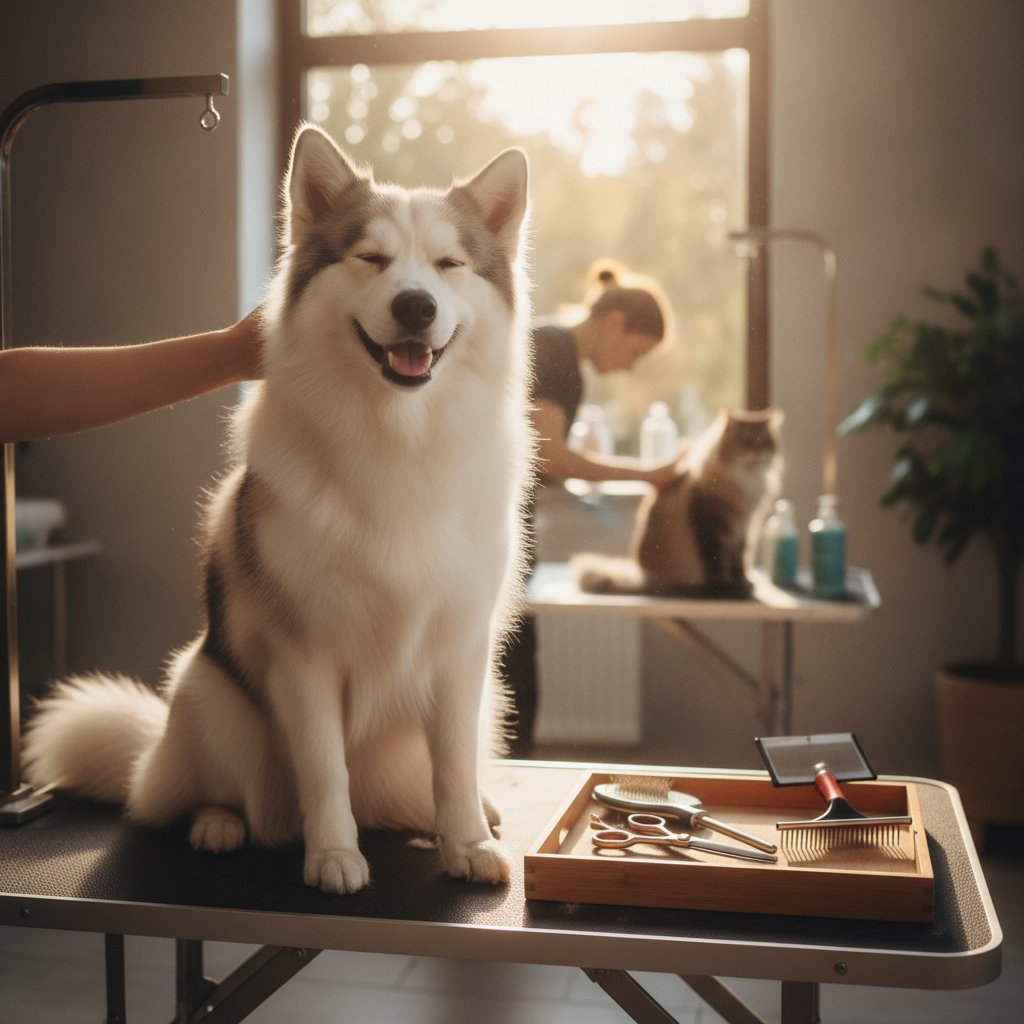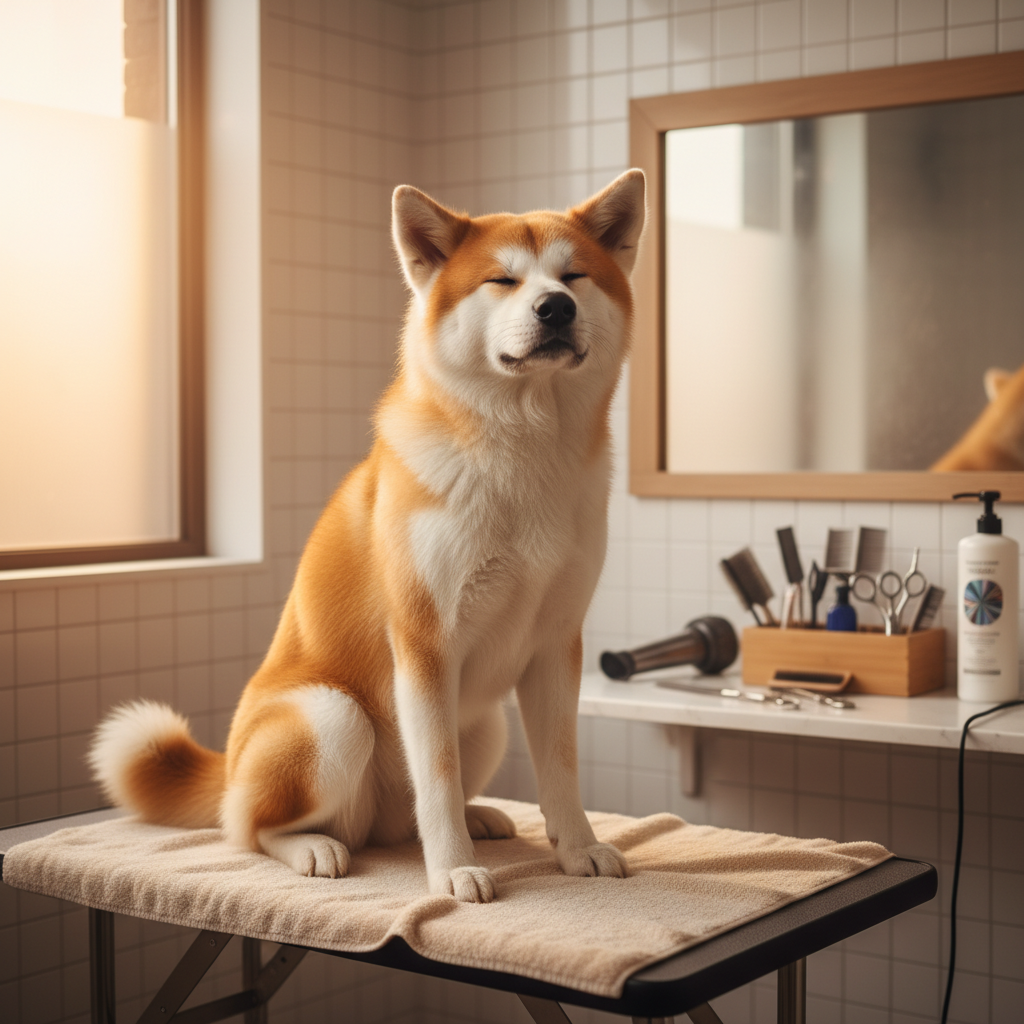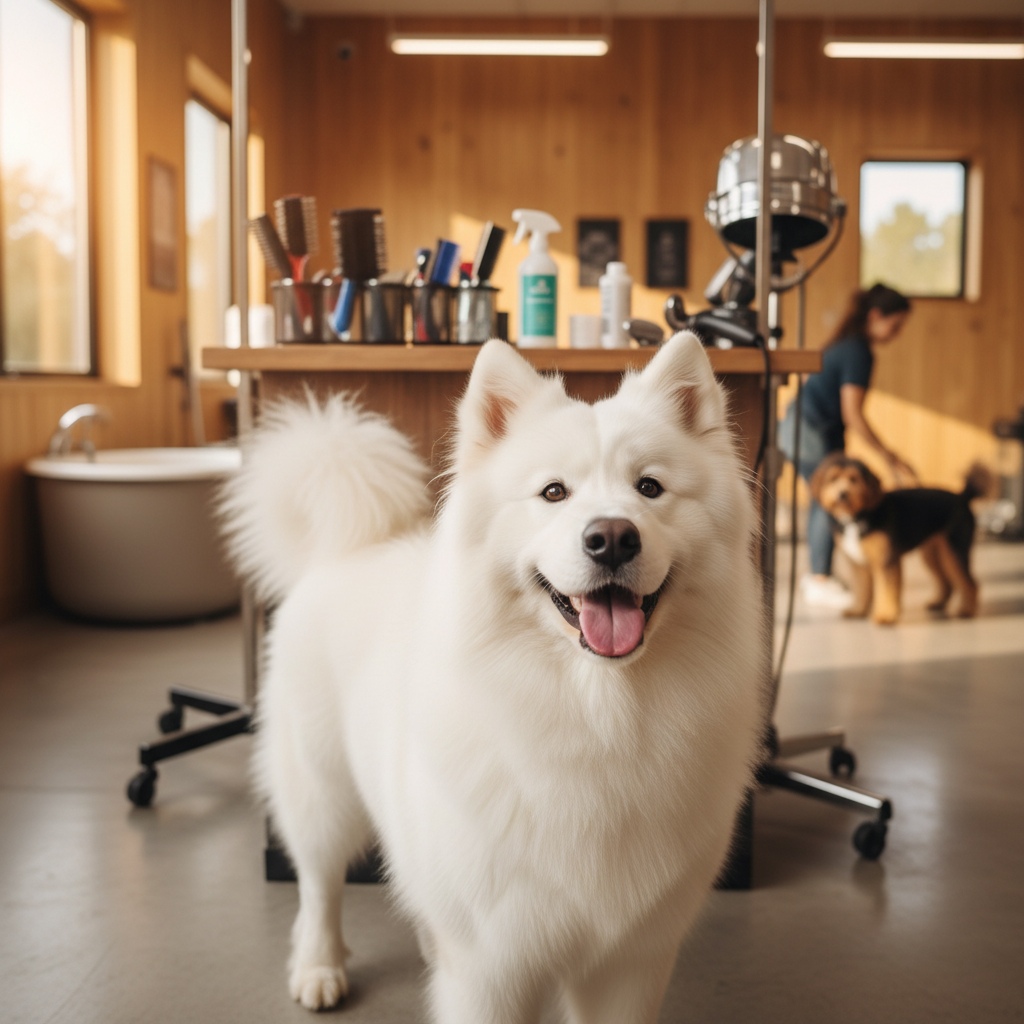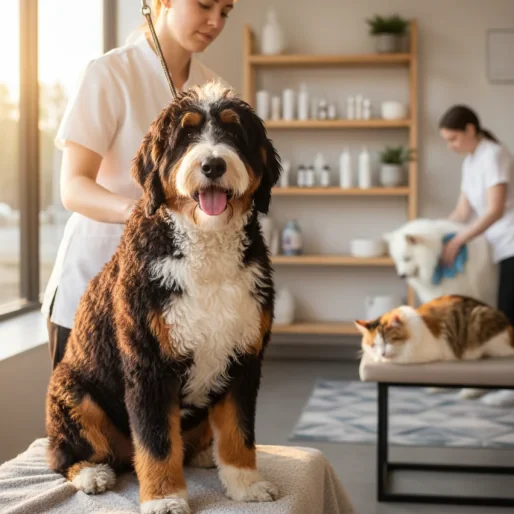
Shaving a double-coated dog in the UAE's extreme desert climate does more harm than good, destroying natural insulation against 50°C heat. Learn why proper grooming, not shaving, keeps your dog safe in Dubai, Abu Dhabi, and Sharjah.
Key Takeaways for UAE Dog Owners
- A double coat insulates against the UAE's extreme summer heat (regularly above 45°C); shaving removes this critical thermal barrier.
- Shaved coats may never regrow correctly, a condition called post-clipping alopecia, which is especially problematic in a year-round warm climate.
- Shaving exposes pale skin to the UAE's intense UV index (often 10+ in summer), dramatically increasing sunburn and skin cancer risk.
- Regular deshedding, indoor cooling, hydration, and timed outdoor access are safer, more effective strategies.
- If a dog overheats despite a full coat, seek immediate veterinary evaluation as this region's heat can escalate to heatstroke rapidly.
Why Double Coats Matter Even More in Desert Climates
Breeds like Huskies, Samoyeds, Golden Retrievers, German Shepherds, and Pomeranians are all popular across Dubai, Abu Dhabi, and Sharjah. Many owners, understandably concerned about their dog's comfort when summer temperatures soar past 45°C, consider shaving as a quick fix. However, veterinary science consistently shows that shaving a double coat makes heat management worse, not better.
A double coat consists of two layers. The undercoat is a dense, soft layer that traps a thin cushion of air against the skin, creating thermal insulation. The topcoat (guard hairs) is coarser and longer, repelling water, blocking UV radiation, and shielding the skin from sand, dust, and debris. In the UAE's harsh environment, where ground surface temperatures can exceed 70°C on asphalt during peak summer, this dual protection system is vital.
How Dogs Cool Themselves (It Is Not Through Their Skin)
A common misconception is that removing fur allows heat to escape through the skin, similar to how humans cool down. Dogs do not work this way. Their primary cooling mechanisms are:
- Panting: Evaporative cooling through the mouth and respiratory tract accounts for the majority of heat loss in dogs.
- Vasodilation: Blood vessels near the skin surface widen to release heat, particularly in low-fur areas such as the ears and belly.
- Conduction: Dogs seek cool surfaces (tiles, cooling mats) and transfer body heat directly through contact.
The double coat supports all three mechanisms by keeping external heat away from the body. In the UAE, where ambient temperatures frequently exceed a dog's internal body temperature of around 38.5°C, this insulation is the difference between manageable warmth and dangerous heat gain. Shaving removes the thermal buffer and forces the body to work far harder to cool itself.
The UAE-Specific Risks of Shaving
Extreme UV Exposure
The UAE experiences some of the highest UV index readings globally, regularly reaching 10 or above between April and October. The topcoat blocks a significant portion of UV radiation. Without it, pale or pink skin is directly exposed to intense sunlight, dramatically increasing the risk of solar dermatitis (sunburn), actinic keratosis (precancerous changes), and squamous cell carcinoma. Dogs with light pigmentation on the nose, ear tips, and dorsal trunk are particularly vulnerable.
Sand and Dust Irritation
The UAE's frequent shamal winds carry fine sand and dust particles that can irritate and abrade unprotected skin. A full topcoat acts as a physical barrier. Shaved dogs lose this protection entirely, leaving them susceptible to contact dermatitis and micro-abrasions that can become infected in the region's warm, humid coastal conditions (especially in Dubai and Abu Dhabi, where coastal humidity often exceeds 80% in summer).
Post-Clipping Alopecia in a Year-Round Warm Climate
Veterinary dermatologists recognise post-clipping alopecia as a condition where hair fails to regrow normally after shaving. It is most commonly observed in Nordic and Arctic breeds such as Huskies, Malamutes, and Samoyeds. In the UAE context, this is particularly concerning because the dog will lack coat protection not just for a few summer months but potentially through an entire year of warm to hot conditions. Some dogs never fully recover their original coat texture, leaving them permanently vulnerable.
Common Myths Among UAE Dog Owners
Myth: "My Husky needs shaving because Huskies are not meant for this climate."
While it is true that Huskies originated in cold climates, their double coat is a thermoregulation system, not simply a winter jacket. The same insulation that retains heat in Siberian winters prevents heat absorption in UAE summers. Shaving does not adapt the breed to the climate; it removes its primary defence against it.
Myth: "Shaving reduces shedding and keeps my home cleaner."
Shaving does not stop the hair growth cycle. Shed hairs are simply shorter and harder to remove from fabrics, carpets, and car upholstery. Regular deshedding with appropriate tools is far more effective for managing indoor cleanliness.
Myth: "The groomer recommended a full shave for summer."
Not all grooming salons in the UAE are equally experienced with double-coated breeds. Pet owners should specifically request a "deshed and trim only, no clipping to the skin" service. Clear communication prevents irreversible coat damage.
What to Do Instead: Cooling Strategies for the UAE
1. Professional Deshedding Every 4 to 6 Weeks
In the UAE, where indoor air conditioning creates a somewhat artificial seasonal cycle, many double-coated dogs shed more irregularly than they would in temperate climates. Professional deshedding sessions every 4 to 6 weeks help maintain airflow through the coat. Between sessions, regular brushing at home with an undercoat rake removes dead fur. Expect to pay around 150 to 350 AED per professional grooming session depending on breed size and coat condition.
2. Keep Dogs Indoors During Peak Heat
The Ministry of Climate Change and Environment (MOCCAE) and veterinary professionals across the UAE consistently advise limiting outdoor exposure during the hottest hours. Between approximately 10 a.m. and 5 p.m. from May through September, outdoor temperatures can be dangerous for all dogs, especially heavy-coated breeds. Walks should be restricted to early morning (before 7 a.m.) and late evening (after 8 p.m.), and always test pavement temperature with the back of your hand before walking.
3. Constant Access to Fresh, Cool Water
Dehydration accelerates overheating. Water bowls left outdoors in UAE heat can reach uncomfortable temperatures within minutes. Use insulated or ceramic bowls, place them in shaded areas, and refresh water frequently. Portable water bottles are essential for any outdoor excursion.
4. Cooling Mats and Indoor Climate Control
Cooling mats (gel or pressure-activated) are widely available at pet retailers across Dubai, Abu Dhabi, and Sharjah, typically ranging from 50 to 200 AED depending on size. Elevated mesh beds promote airflow beneath the dog. Ensure indoor air conditioning is maintained at a comfortable range (around 22 to 24°C) for pets left at home.
5. Swimming with Proper Aftercare
Many residential compounds and pet facilities in the UAE offer dog-friendly pools or beach access. Swimming is an excellent cooling activity for double-coated breeds. However, the coat must be thoroughly rinsed (to remove chlorine or salt) and dried afterward. Trapped moisture against the skin in humid conditions can rapidly lead to bacterial or fungal infections, commonly called hot spots. This risk is elevated in the UAE's coastal humidity.
6. Light Summer Trim (Not a Shave)
A professional groomer experienced with double-coated breeds can tidy feathering on the legs, belly, and tail, and trim around paw pads to reduce sand collection, without cutting into the undercoat. This is safe and beneficial. It is fundamentally different from shaving to the skin.
When to Seek Emergency Veterinary Care
Heatstroke is a genuine and common emergency in the UAE's summer months. Recognise these warning signs:
- Excessive, rapid panting that does not subside
- Thick, sticky drool
- Bright red or purple gums
- Vomiting or diarrhoea
- Staggering, disorientation, or collapse
If any of these signs appear, move the dog to a cool area immediately, apply room-temperature (not ice-cold) water to the body, and seek emergency veterinary care without delay.
Dubai Municipality Veterinary Services
Contact Dubai Municipality Veterinary Services or your nearest 24-hour emergency vet clinic.
In Abu Dhabi, contact ADAFSA. Several private clinics across the UAE offer 24-hour emergency services.
Beyond emergencies, schedule a veterinary consultation if:
- A coat has not regrown months after a previous shave. A veterinary dermatologist can rule out endocrine conditions such as hypothyroidism or Cushing's disease.
- Persistent skin redness, lesions, or flaking appears after sun exposure.
- Chronic matting cannot be resolved through brushing alone. In rare extreme cases, partial clipping under professional supervision may be the most humane option, but should never be routine.
Breeds Most Commonly Affected in the UAE
The following double-coated breeds are popular across the Emirates and frequently brought in for shaving requests:
- Siberian Husky and Alaskan Malamute (among the most popular large breeds in the UAE)
- Golden Retriever and Labrador Retriever
- German Shepherd
- Samoyed
- Pomeranian and Japanese Spitz
- Chow Chow
- Australian Shepherd
Single-coated breeds (such as Poodles, Maltese, and Yorkshire Terriers) have a different coat structure and can be clipped safely. Knowing which coat type your dog has is the essential first step.
UAE Regulatory Considerations
While there is no specific UAE law prohibiting coat shaving, MOCCAE regulations require all dogs to be microchipped and vaccinated against rabies. Certain breeds classified as dangerous are restricted. Owners of double-coated breeds should ensure their dog's general welfare, including coat care, aligns with the UAE's Federal Law No. 16 of 2007 on Animal Welfare, which addresses animal protection and proper care standards. Neglecting a dog's coat to the point of severe matting or allowing preventable heat-related harm could potentially fall under welfare considerations.
Communicating with Your Groomer
When booking grooming appointments in the UAE, use specific language: "Deshed and tidy trim only. Do not shave or clip the undercoat." If a groomer insists that shaving is necessary for the climate, consider seeking a second opinion from a groomer with verified experience handling double-coated breeds. Many veterinary clinics across Dubai, Abu Dhabi, and Sharjah offer grooming services or can recommend qualified professionals familiar with breed-specific coat care.
Frequently Asked Questions
Is it safe to keep a Husky in the UAE without shaving its coat? ↓
How often should I groom a double-coated dog in the UAE? ↓
What does a professional deshedding session cost in the UAE? ↓
What are the signs of heatstroke in dogs in the UAE? ↓
Can shaving a double coat cause permanent damage? ↓

Dr. James Harrington
Veterinarian & Pet Health Writer
Veterinarian and health writer — translating complex medical topics into clear, actionable guidance for pet owners.
Content Disclosure
This article was created using state-of-the-art AI models with human editorial oversight. It is intended for informational and entertainment purposes only and does not constitute veterinary medical advice. Always consult a licensed veterinarian for your pet's specific health needs. Learn more about our process.