
In this article
- Key Takeaways
- Why Guinea Pig Nutrition Deserves Careful Attention
- Hay: The 80% Rule
- Daily Vitamin C Requirements
- Safe Garden Vegetables by Season: Spring Focus
- Pellet Selection: What to Look For (and What to Avoid)
- Portion Sizing and Feeding Schedule
- Special Considerations
- Spring Specific Feeding Tips
- When to Consult a Veterinarian
Key Takeaways
- Hay is the foundation: roughly 80% of a guinea pig's daily intake should be unlimited grass hay, primarily timothy hay for adults.
- Vitamin C is non negotiable: guinea pigs cannot synthesise their own vitamin C and need approximately 10 to 30 mg per day depending on life stage, health status, and pregnancy.
- Spring offers excellent fresh feeding options: seasonal leafy greens and herbs can supply both vitamin C and enrichment.
- Pellets are a supplement, not a staple: roughly one eighth cup of plain, timothy based pellets per pig per day is the professional consensus for adults.
- Always confirm safety before offering any new garden plant: some common spring flowers and weeds are toxic to guinea pigs.
Why Guinea Pig Nutrition Deserves Careful Attention
Guinea pigs (Cavia porcellus) are strict herbivores with a digestive system built for constant fibre intake. Their gastrointestinal tract relies on a steady flow of long strand fibre to maintain motility and prevent a condition called GI stasis, which can become life threatening within hours. Additionally, guinea pigs share an unusual trait with humans and a handful of other species: they lack the enzyme L gulonolactone oxidase, making them unable to produce their own vitamin C. This single nutritional vulnerability shapes nearly every feeding decision an owner will make.
Spring is an ideal time for new guinea pig owners to establish strong feeding habits. The season brings abundant fresh greens, longer daylight hours that encourage activity (and therefore appetite), and a natural transition period where owners can learn to read their pig's preferences. This guide covers what to feed, how much, what to avoid, and how to evaluate commercial pellets without brand bias.
Hay: The 80% Rule
Why Hay Matters More Than Anything Else
Veterinary guidelines consistently place hay at the centre of guinea pig nutrition. The Royal Society for the Prevention of Cruelty to Animals (RSPCA) and various exotic animal veterinary bodies recommend that grass hay should be available in unlimited quantities at all times. Hay provides the long strand fibre necessary for healthy gut motility and also helps wear down guinea pigs' continuously growing teeth, reducing the risk of dental malocclusion.
Choosing the Right Hay
- Timothy hay: the standard recommendation for adult guinea pigs. It offers a balanced ratio of fibre to protein and calcium.
- Orchard grass: a good alternative or complement, especially for pigs that seem less enthusiastic about timothy. Nutritionally similar.
- Meadow hay: a mixed grass hay that can add variety. Quality varies by supplier, so check for dust, mould, and excessive seed heads.
- Alfalfa hay: higher in calcium and protein, making it suitable for young guinea pigs (under approximately six months) and pregnant or nursing sows. It is generally not recommended as the primary hay for healthy adults because excess calcium may contribute to urinary stones over time.
Practical Hay Feeding Tips for Spring
In spring, ambient humidity can fluctuate. Store hay in a cool, dry location and check for mould before each feeding. A guinea pig should consume roughly a body sized portion of hay per day, though the key principle is that hay should never run out. If hay is consistently left uneaten, try switching to a different cut or brand, as freshness and texture vary significantly between suppliers.
Daily Vitamin C Requirements
How Much Vitamin C Do Guinea Pigs Need?
Professional consensus from exotic animal veterinary literature suggests the following daily ranges:
- Healthy adults: approximately 10 to 25 mg per day.
- Pregnant, nursing, young, or unwell guinea pigs: approximately 30 to 50 mg per day, though veterinary guidance should direct the upper end of supplementation.
Deficiency leads to scurvy, which may present as lethargy, swollen joints, rough coat, reluctance to move, and in severe cases, internal haemorrhage. Owners commonly report that early signs are subtle and easy to miss, which makes consistent dietary vitamin C far more reliable than reactive supplementation.
Best Sources of Vitamin C
- Fresh vegetables and herbs: the most natural and bioavailable route. Bell peppers (particularly red and yellow varieties), parsley, kale, and broccoli leaves are among the richest sources suitable for guinea pigs.
- Fortified pellets: most guinea pig pellets are supplemented with vitamin C, but the vitamin degrades rapidly after manufacture, especially when exposed to light, heat, or air. Pellets alone should not be relied upon as the sole vitamin C source.
- Vitamin C supplements: liquid or tablet supplements designed for guinea pigs can help in clinical situations. Avoid adding vitamin C to water bottles, as it degrades quickly in water, changes the taste, and may discourage drinking.
Spring Advantage
Spring is an excellent season for vitamin C delivery because many high vitamin C vegetables become readily available in gardens and markets. Establishing a daily "salad plate" routine in spring helps owners build a habit that carries through the year.
Safe Garden Vegetables by Season: Spring Focus
Spring Safe List
The following vegetables and herbs are generally considered safe for guinea pigs and are commonly available in spring gardens and markets. Introduce any new food gradually over several days, watching for soft stools or digestive upset.
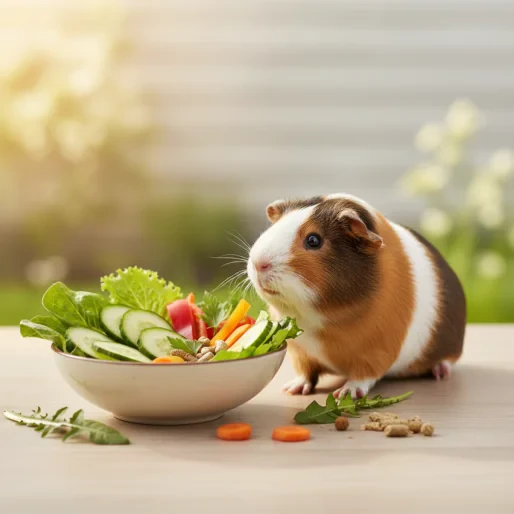
- Bell peppers (all colours): excellent vitamin C source. Remove seeds and stem. Can be fed daily in moderate portions (roughly a slice or two per pig).
- Romaine lettuce: a hydrating, low calcium green suitable for daily feeding. Avoid iceberg lettuce, which has minimal nutritional value and high water content.
- Cilantro (coriander): well tolerated by most guinea pigs and a good source of vitamin C. Feed a small handful several times per week.
- Parsley: very high in vitamin C but also relatively high in calcium and oxalates, so offer in moderation (a few sprigs, two to three times per week).
- Spring greens and baby leaf lettuce: typically safe and nutrient rich. Wash thoroughly to remove pesticide residue.
- Dandelion leaves: a common spring garden find. Safe and enjoyed by many guinea pigs, but moderately high in calcium, so limit to a few leaves several times per week. Ensure they are from pesticide free, herbicide free areas.
- Endive and chicory: good options for variety.
- Cucumber: low in nutrients but helpful for hydration. Small amounts are fine.
- Radish tops: the leafy greens from radishes are safe in small quantities.
- Fresh grass: a natural and enjoyable food. Only offer grass from areas untreated with chemicals, and never feed lawn mower clippings, which ferment rapidly and can cause dangerous bloat.
Vegetables to Limit or Rotate
- Kale, spinach, and Swiss chard: nutrient dense but high in oxalates or calcium. Rotate these rather than offering daily to reduce urinary risk.
- Broccoli and cauliflower: can cause gas in some guinea pigs. Offer small florets occasionally and observe tolerance.
- Carrots: relatively high in sugar. A thin slice a few times per week is sufficient.
Toxic and Dangerous Foods: Safety Table
| Food | Risk Level | Notes |
|---|---|---|
| Potato (including leaves, stems, eyes) | Toxic | Contains solanine. Never feed any part of the potato plant. |
| Tomato leaves and stems | Toxic | The fruit flesh in small amounts is generally considered safe, but leaves and stems are toxic. |
| Rhubarb (leaves especially) | Toxic | Very high in oxalic acid. All parts should be avoided. |
| Onion, garlic, leeks, chives | Toxic | Allium family plants can damage red blood cells. |
| Avocado | Toxic | Contains persin, which is harmful to guinea pigs. |
| Iceberg lettuce | Not toxic but not recommended | Very low nutritional value, may cause loose stools. |
| Buttercup, foxglove, lily of the valley | Toxic | Common spring garden plants. Ensure outdoor grazing areas are free of these. |
| Lawn mower clippings | Dangerous | Ferment rapidly, causing potentially fatal bloat. |
| Seeds and nuts | Not suitable | Choking hazard and too high in fat for guinea pig digestion. |
| Chocolate, caffeine, dairy | Toxic or unsuitable | Never feed to guinea pigs. |
If a guinea pig ingests a suspected toxic plant, contact an exotics capable veterinarian immediately. For owners who also care for rabbits, the related article on emergency signs in rabbits offers useful guidance on recognising acute distress in small herbivores.
Pellet Selection: What to Look For (and What to Avoid)
Reading Guinea Pig Pellet Labels
Pellets are a supplement to hay and fresh vegetables, not a replacement. For adult guinea pigs, approximately one eighth cup (roughly one to two tablespoons) of pellets per pig per day is a commonly cited guideline from veterinary sources. Young, pregnant, or nursing guinea pigs may receive slightly more.
When evaluating pellet brands, focus on the following label elements:
- Primary ingredient: timothy hay or timothy grass meal should appear first on the ingredient list for adult formulas. Alfalfa based pellets are appropriate only for young or breeding guinea pigs.
- Vitamin C fortification: look for stabilised vitamin C (often listed as L ascorbyl 2 monophosphate or similar stabilised forms). Check the manufacturing and best before dates, as vitamin C potency declines over time.
- Plain pellets vs. muesli style mixes: veterinary guidance strongly favours uniform, plain pellets over muesli style mixes that contain dried fruit, seeds, nuts, or coloured pieces. Muesli mixes encourage selective feeding, where pigs pick out sugary or fatty components and leave the nutritious pellets. This leads to nutritional imbalances.
- Crude fibre content: look for a minimum crude fibre of around 15% or higher. Higher fibre content is generally preferable.
- Protein content: approximately 14 to 16% crude protein is a typical appropriate range for adult guinea pig pellets.
- Calcium and phosphorus: moderate calcium levels are important. Excessive calcium intake is associated with urinary sludge and bladder stones. Pellets designed for adult guinea pigs typically contain less calcium than alfalfa based formulas.
- Avoid: added sugars, artificial colours, seeds, nuts, dried corn, and animal derived ingredients.
How to Store Pellets
Store pellets in an airtight container away from direct light and heat. Because vitamin C degrades after the bag is opened, purchasing smaller bags more frequently is preferable to buying in bulk. A reasonable guideline is to use opened pellets within roughly 30 to 90 days.
Portion Sizing and Feeding Schedule
Daily Feeding Framework for One Adult Guinea Pig
- Hay: unlimited, available at all times. Replenish at least twice daily.
- Fresh vegetables: approximately one cup of mixed vegetables per day, with an emphasis on leafy greens and a vitamin C rich item (like bell pepper).
- Pellets: approximately one eighth cup per day.
- Fresh water: clean water available at all times via a bottle or bowl. Change daily.
Suggested Daily Routine
- Morning: refresh hay, offer the daily portion of pellets, provide half of the daily vegetable serving.
- Evening: refresh hay again, offer the second half of vegetables, check and refill water.
Guinea pigs are grazing animals and eat frequently throughout the day and night. Consistent meal timing helps owners monitor appetite, which is one of the earliest indicators of illness. A guinea pig that suddenly stops eating requires prompt veterinary attention.
Special Considerations
Young Guinea Pigs (Under Six Months)
Young guinea pigs benefit from alfalfa hay and alfalfa based pellets due to the higher protein and calcium content needed for growth. Transition to timothy hay and timothy based pellets gradually around five to six months of age. Vitamin C needs may be at the higher end of the range during rapid growth.
Pregnant and Nursing Sows
Pregnant guinea pigs have significantly increased vitamin C and caloric needs. Veterinary supervision is strongly recommended during pregnancy, as guinea pigs are prone to serious complications including pregnancy toxaemia. Alfalfa hay can be reintroduced during pregnancy and nursing to support calcium and energy demands.
Senior Guinea Pigs
Older guinea pigs (roughly five years and above) may experience dental issues that make chewing hay difficult. Owners sometimes notice a preference for softer hay cuts or increased reliance on leafy vegetables. Any change in eating patterns in a senior pig warrants a dental examination by a veterinarian experienced with exotic species.
Guinea Pigs With Urinary Issues
Guinea pigs prone to bladder sludge or stones may need a diet lower in calcium. This typically means avoiding alfalfa hay, limiting high calcium greens (parsley, kale, spinach), and choosing pellets formulated for adults. Veterinary guidance should direct any therapeutic dietary changes.
Spring Specific Feeding Tips
- Outdoor grazing: if guinea pigs are allowed supervised time on grass during spring, ensure the area is free from pesticides, herbicides, and toxic plants. Introduce outdoor grazing gradually to avoid digestive upset from the sudden abundance of fresh grass.
- Foraged plants: while dandelion leaves and plantain (Plantago major) are generally safe, accurate plant identification is essential. When in doubt, do not feed a foraged plant.
- Temperature and food spoilage: spring temperatures can be variable. Fresh vegetables left uneaten for more than a few hours should be removed to prevent bacterial growth, especially on warmer days.
- Parasite awareness: fresh garden produce can carry parasites or slug residue. Wash all vegetables thoroughly. Owners who also keep rabbits or outdoor animals should review spring hazard guidance for broader seasonal risks.
When to Consult a Veterinarian
Dietary adjustments for guinea pigs with diagnosed health conditions (urinary stones, dental disease, chronic GI problems, or scurvy) should always be made under veterinary supervision. A veterinarian experienced with exotic or small mammal species is the appropriate professional for guinea pig care. General guidelines in articles like this one support good baseline nutrition but cannot replace individualised clinical assessment.
Owners who are new to guinea pigs and also caring for other small animals may find related seasonal guidance helpful, including advice on supporting pet birds through spring moult, which covers parallel concepts around seasonal nutritional demands in non canine, non feline species.
Frequently Asked Questions
Content Disclosure
This article was created using state-of-the-art AI models with human editorial oversight. It is intended for informational and entertainment purposes only and does not constitute veterinary medical advice. Always consult a licensed veterinarian for your pet's specific health needs. Learn more about our process.