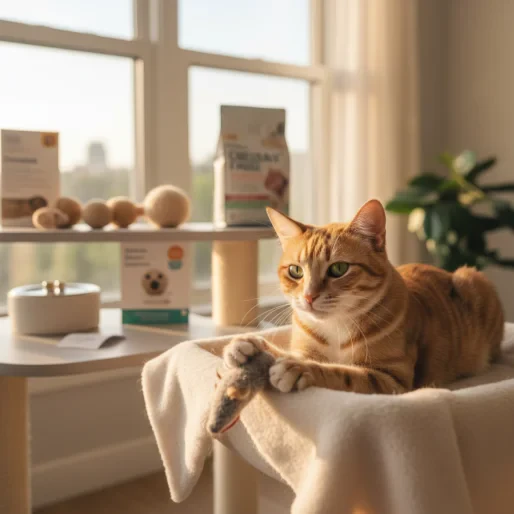
Cat ownership in the UAE carries unique costs shaped by desert climate, import logistics, and a fast-growing veterinary market. This guide breaks down every monthly expense in AED for Dubai, Abu Dhabi, and Sharjah households.
Key Takeaways
- The average monthly cost of owning a cat in the UAE in 2026 typically ranges from AED 500 to AED 1,500, depending on location, lifestyle, and veterinary needs.
- Veterinary care and insurance together are usually the largest recurring expense, not food.
- The extreme desert climate makes indoor housing, reliable air conditioning, and hydration management non-negotiable for feline welfare.
- MOCCAE (Ministry of Climate Change and Environment) mandates microchipping and rabies vaccination for all cats in the UAE.
- Building a dedicated emergency fund of at least AED 3,500 to AED 5,000 is widely recommended by veterinary financial advisors in the region.
Why a UAE Specific Cost Guide Matters
Pet ownership in the UAE has grown rapidly over the past decade, with Dubai, Abu Dhabi, and Sharjah all seeing a surge in dedicated veterinary clinics, pet supply stores, and boarding facilities. However, the cost structure for keeping a cat in the Emirates differs meaningfully from that in the US, UK, or Europe. Nearly all premium pet food and litter is imported, veterinary fees in urban centres like Dubai Marina or Downtown Abu Dhabi trend higher than global averages, and the desert climate introduces care requirements that temperate regions simply do not face.
Understanding these costs upfront is essential. Veterinary professionals across the UAE consistently note that underestimating ongoing expenses leads to delayed preventive care, which in turn creates larger bills down the line.
Food: Imported Quality at a Premium
Standard, Premium, and Prescription Diets
Because the UAE imports the vast majority of its cat food, prices carry a logistics premium. A standard adult cat eating a reputable mid-range commercial diet (dry and wet combined) typically costs around AED 150 to AED 350 per month. Premium, grain-free, or raw-diet options can push this to AED 300 to AED 500. Prescription veterinary diets for cats with urinary, renal, or gastrointestinal conditions commonly cost AED 400 to AED 700 per month, as these are specialist products with limited local availability.
Supermarkets and pet retailers across Dubai, Abu Dhabi, and Sharjah stock a wide range of international brands, and online pet supply platforms offer subscription delivery, which can reduce per-unit costs slightly.
Treats, Supplements, and Hydration
Treats, dental chews, and supplements (omega fatty acids, joint support for senior cats) add roughly AED 30 to AED 80 per month. In the UAE, hydration is a particular concern: the extreme summer heat (regularly exceeding 45°C from June to September) means cats need constant access to fresh water. Cat water fountains (AED 80 to AED 250 for a quality unit) are a worthwhile investment, especially for cats prone to urinary issues. If a cat requires automated feeding during owner absences, the upfront cost of a smart feeder (AED 150 to AED 550) should be amortised into the monthly budget.
Litter: A Steady Expense
Clumping clay litter for a single-cat household in the UAE typically costs AED 60 to AED 120 per month. Silica gel and natural alternatives (corn, pine, walnut shell) range from AED 80 to AED 180. Multi-cat households should multiply accordingly; veterinary guidelines recommend one litter box per cat plus one extra.
Litter accessories such as replacement liners, deodorising sprays, mats, and periodic box replacement add approximately AED 20 to AED 60 per month when averaged over the year. In a region with high ambient temperatures, odour control becomes more important, and many UAE cat owners opt for premium deodorising products or enclosed litter boxes with carbon filters.
Veterinary Care: The Largest Variable Cost
Routine Preventive Care
Veterinary consultation fees in Dubai and Abu Dhabi typically range from AED 100 to AED 300 per visit. A healthy adult cat should receive at least one comprehensive wellness examination per year, with senior cats (age seven and older) benefiting from biannual visits. When the annual cost of a wellness visit, core vaccinations (FVRCP and rabies), parasite prevention, and routine bloodwork is divided across 12 months, the monthly equivalent generally falls between AED 100 to AED 300.
MOCCAE requires all cats in the UAE to be microchipped using ISO 11784/11785 standard chips and vaccinated against rabies. The rabies vaccine must be administered on or after the date of microchipping. Core feline vaccinations (Feline Viral Rhinotracheitis, Calicivirus, Panleukopenia) are also considered standard protocol across UAE veterinary practices. Individual vaccinations typically cost AED 80 to AED 250 each.
Dental Care
Dental disease is one of the most common findings in cats over age three. A professional dental cleaning under general anaesthesia, including pre-anaesthetic bloodwork, typically costs AED 1,200 to AED 3,000 in the UAE. When amortised monthly (assuming one cleaning every one to two years), this adds roughly AED 50 to AED 250 per month to the budget.
Spaying and Neutering
Spaying or neutering is a one-time cost but a significant one. In the UAE, spaying a female cat at a private veterinary clinic typically costs AED 800 to AED 1,500, while neutering a male cat ranges from AED 500 to AED 1,000. Animal welfare organisations sometimes offer subsidised procedures in the AED 300 to AED 600 range.
Emergency and Specialist Care
Emergency veterinary visits represent the expense category most likely to disrupt a household budget. An after-hours emergency consultation in Dubai or Abu Dhabi can range from AED 350 to AED 800 before any diagnostics or treatment. Specialist referrals for conditions such as urinary obstruction, fracture repair, or oncology can cost AED 5,000 to AED 25,000 or more per episode.
Dubai Municipality Veterinary Services
Contact Dubai Municipality Veterinary Services or your nearest 24-hour emergency vet clinic.
In Abu Dhabi, contact ADAFSA. Several private clinics across the UAE offer 24-hour emergency services.
Veterinary data suggests that roughly one in three cat owners will face at least one emergency costing over AED 3,500 during their cat's lifetime. Building an emergency fund, or carrying adequate insurance, is essential for responsible financial planning.
Pet Insurance: A Growing Market in the UAE
How Cat Insurance Works in the Emirates
The pet insurance market in the UAE has expanded significantly. Monthly premiums for a healthy adult cat typically range from AED 50 to AED 200, with annual coverage limits varying from AED 5,000 to AED 30,000 depending on the plan selected. Premiums increase with age, breed predisposition to certain conditions, and coverage level.
Owners should review annual benefit caps, waiting periods, and exclusion lists carefully. For a deeper explanation of how waiting periods function, this guide covers the most common questions.
Insurance vs. Self-Insuring
Self-insuring by depositing a fixed monthly amount into a dedicated savings account can work for disciplined savers with young, healthy cats. However, a single emergency can exhaust years of savings in one visit. A blended approach is increasingly recommended by veterinary financial advisors: carry a policy with a higher deductible to keep premiums lower, and maintain a savings buffer of AED 2,000 to AED 4,000 for routine and sub-deductible expenses.
Climate Specific Costs Unique to the UAE
Air Conditioning and Indoor Environment
Cats in the UAE must be kept indoors or in climate-controlled environments, particularly from May through October when outdoor temperatures routinely exceed 40°C to 50°C. While air conditioning is standard in UAE homes, the cost of running cooling systems contributes indirectly to the total cost of pet ownership. Ensuring a consistently cool indoor environment is not a luxury but a welfare necessity.
Parasite Prevention in a Desert Climate
The UAE's warm climate supports year-round flea and tick activity, particularly in areas with gardens or ground-floor residences. Monthly topical or oral parasite prevention is standard protocol and typically costs AED 40 to AED 100 per month. Cats that spend any time on balconies, terraces, or enclosed outdoor areas (catios) require consistent protection.
Hidden and Often Overlooked Monthly Costs
Housing Deposits and Pet Fees
Many landlords in Dubai, Abu Dhabi, and Sharjah charge additional pet deposits, typically AED 1,000 to AED 3,000 (often non-refundable), and some buildings impose monthly pet fees or require specific pet registration. Tenants should verify pet policies before signing a lease, as some buildings restrict the number or type of pets allowed.
Boarding and Pet Sitting
Cat boarding in the UAE typically costs AED 50 to AED 150 per night, depending on the facility and level of service. Even two weeks of boarding per year adds AED 60 to AED 175 per month to the annualised budget. This is particularly relevant in the UAE, where many residents travel internationally during the summer months or for Eid holidays. Those interested in professional pet-sitting standards can explore How to Become a Certified Pet Sitter in the UAE. For cats that benefit from social enrichment during owner absences, choosing a quality daycare is another option.
Toys, Scratching Posts, and Enrichment
Because UAE cats are predominantly indoor cats, environmental enrichment is especially important for mental and physical health. Scratching posts, interactive toys, cat trees, and window perches need periodic replacement. A reasonable monthly allocation is AED 30 to AED 80, though initial setup for a well-equipped home can run AED 400 to AED 1,200.
Grooming
Short-haired cats have minimal grooming costs, but long-haired breeds such as Persians (which are particularly popular in the UAE) and Maine Coons may require professional grooming every four to eight weeks, costing AED 150 to AED 350 per session. Monthly grooming supplies (brushes, nail clippers, ear cleaner) add AED 15 to AED 40.
Microchipping, Registration, and Municipality Fees
Microchipping is a one-time cost of approximately AED 100 to AED 250. In Dubai, pet registration with the municipality requires documentation and may involve additional fees. Annual registration renewals and associated paperwork add a modest but real cost when annualised.
UAE Monthly Cost Summary (AED)
- Food: AED 150 to AED 500
- Litter and supplies: AED 80 to AED 240
- Veterinary care (annualised): AED 150 to AED 550
- Insurance: AED 50 to AED 200
- Hidden costs (deposits, boarding, enrichment, grooming): AED 70 to AED 300
- Estimated total: AED 500 to AED 1,500 per month
These ranges reflect a typical single-cat, indoor household in Dubai, Abu Dhabi, or Sharjah. Multi-cat homes and cats with chronic health conditions will trend toward or exceed the upper range.
Cost Drivers That Push You Toward the High End
Breed
Persians remain one of the most popular cat breeds in the UAE, but they carry well-documented predispositions to polycystic kidney disease, brachycephalic airway issues, and significant grooming needs. Scottish Folds, also popular locally, frequently develop osteochondrodysplasia. These breed-linked conditions increase both veterinary costs and insurance premiums substantially.
Age
Kittens require an initial vaccine series, spay or neuter surgery, and more frequent vet visits in the first year. Senior cats (typically 10 years and older) often need biannual bloodwork, dental procedures, and chronic disease management. Both life stages are significantly more expensive than the young adult plateau.
Location Within the UAE
Veterinary fees in premium areas of Dubai (such as Downtown, Dubai Marina, or Jumeirah) tend to run higher than clinics in Sharjah or more suburban areas of Abu Dhabi. The difference can be 20% to 30% for identical procedures.
Building a Realistic Monthly Cat Budget in the UAE
A practical approach involves three tiers:
- Fixed monthly costs: food, litter, insurance premium. These are predictable and should be automated where possible.
- Annualised costs divided by 12: wellness exams, vaccinations, dental care, boarding. Set these aside monthly even if the expense occurs once or twice a year.
- Emergency reserve contribution: a fixed monthly deposit of AED 100 to AED 200 into a dedicated savings account until the fund reaches at least AED 3,500 to AED 5,000.
For multi-cat households, most costs multiply proportionally, though bulk purchases and multi-pet insurance discounts offer modest savings. If a cat shares a home with dogs, owners planning for safe introductions should also budget for potential behavioural consultation fees.
When Costs Become Unmanageable
Financial strain should never result in a cat going without necessary medical care. Options available to UAE residents include:
- Payment plans offered by many veterinary clinics across Dubai, Abu Dhabi, and Sharjah
- Animal welfare organisations that may provide subsidised veterinary services
- Open communication with the veterinary team about budget constraints, allowing prioritisation of the most critical diagnostics and treatments
- Pet insurance claims for covered conditions, which can significantly offset emergency costs
The goal is always to maintain the cat's welfare while finding a financially sustainable path forward.
Frequently Asked Questions
How much does it cost to own a cat per month in the UAE? ↓
Is pet insurance available for cats in the UAE? ↓
What vaccinations are mandatory for cats in the UAE? ↓
How does the UAE climate affect cat care costs? ↓
How much does cat boarding cost in Dubai? ↓
What emergency fund should UAE cat owners maintain? ↓

Rachel Simmons
Pet Ownership Cost Advisor
Pet ownership cost advisor — transparent vet fee breakdowns, insurance guidance, and financial planning for owners.
Content Disclosure
This article was created using state-of-the-art AI models with human editorial oversight. It is intended for informational and entertainment purposes only and does not constitute veterinary medical advice. Always consult a licensed veterinarian for your pet's specific health needs. Learn more about our process.