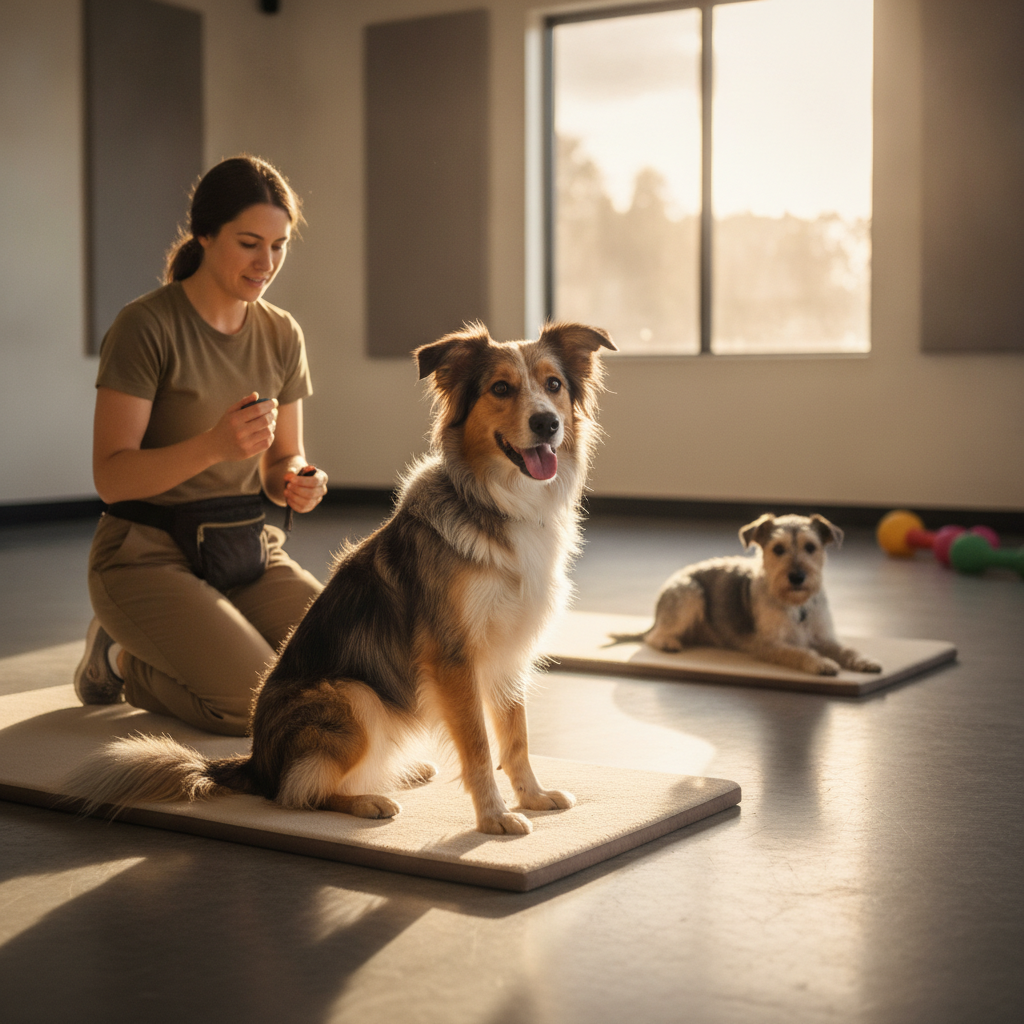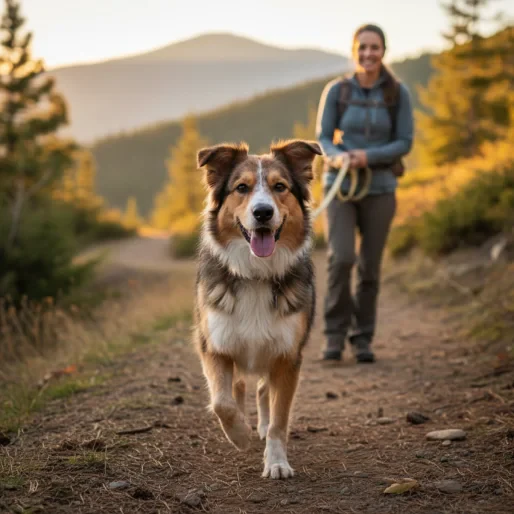
Prepare your dog for the trail with a certified trainer's protocol on physical conditioning, essential cues like 'leave it,' and desensitization strategies for wildlife and gear.
From Neighbourhood Walks to Rugged Trails
As the snow melts and the trails open up, the urge to head into the wilderness with our dogs is instinctive. However, bridging the gap between a thirty-minute neighbourhood leash walk and a four-hour hike over elevation requires more than just enthusiasm; it requires a structured conditioning and training protocol. In my fifteen years as a CPDT-KA trainer, I have seen too many dogs suffer avoidable injuries or behavioural failures because they were 'weekend warriors', sedentary during the week and pushed to the limit on Saturdays.
Hiking requires a specific set of physical competencies and behavioural reliability that must be shaped over time. This guide outlines the operant conditioning techniques and physical preparation strategies necessary to ensure your dog is not just safe, but truly enjoying the experience alongside you.
The Physical Conditioning Phase: A 'Couch to Summit' Approach
Just as humans cannot safely run a marathon without training, dogs need gradual physiological adaptation. Sudden increases in exercise intensity can lead to soft tissue injuries, particularly in the paw pads and cruciate ligaments.
- The 10% Rule: Increase distance or duration by no more than 10% per week. If your dog currently walks 30 minutes a day, your first 'hike' should be no longer than 33 minutes.
- Surface Transitioning: Pavement wears claws differently than soft mud or shale. We need to condition the paw pads to handle abrasion. For dogs with sensitive pads, introducing boots requires desensitisation well before you hit the trail. Start by rewarding the dog for simply sniffing the boots, then shaping the behaviour of placing a paw inside, long before asking them to walk in them.
- Proprioception Training: Balance is a learned skill. I encourage clients to use 'urban agility', asking dogs to walk on low walls, step over logs, or balance on park benches, to engage their core stabilisers. This protects them when navigating uneven terrain like scree or roots.
Essential Cues for Trail Safety
On a trail, cues are not just about obedience; they are about survival. The environment is competing for your dog's attention with high-value stimuli like prey scents and other hikers.
1. The 'Leave It' Cue (Proofed for Wildlife)
A solid 'leave it' is your primary defence against environmental hazards. Whether it is a venomous snake basking on a rock or a toxic mushroom, your dog must understand that disengaging from the object yields a higher reward from you.
To proof this for hiking, we cannot just practice in the living room. We must practice on the trail using a long line (a 15-30ft biothane leash). When your dog notices a distraction (like a squirrel or a scent post), mark the moment of interest with a 'leave it'. If they disengage and look at you, mark (with a clicker or verbal 'yes') and reward heavily with high-value treats (like liver or cheese). This builds a reinforcement history that says checking in with you is more profitable than chasing wildlife.
2. The Emergency Recall
Hiking often offers the privilege of off-leash freedom, but this privilege relies on 100% recall reliability. I teach a specific 'whistle recall' used only for high-stakes situations. The whistle carries further than a voice and is emotion-neutral.
If you live in an area with Pine Processionary Caterpillars, which can be fatal if investigated, a reliable recall is not optional. If you spot a procession, you must be able to call your dog away immediately without hesitation. Never test a recall you are not willing to bet $100 on. If you are unsure, the long line stays on.
Desensitisation to Trail Stimuli
Trails present novel stressors that can trigger fear or reactivity. Seeing a backpack-wearing human with trekking poles can change a dog's silhouette enough to spook a reactive dog.
- Gear Familiarisation: Put your hiking pack on at home. Scatter treats around you so the dog associates the bulk of the bag with positive outcomes. Click and treat if you use trekking poles, as the rhythmic 'click-clack' sound can be startling.
- Wildlife Encounters: If your dog has a high prey drive, we use the Premack Principle (Grandma's Law). We teach the dog that a calm sit is the 'password' to be allowed to watch the squirrel (from a distance) or sniff the trail where a deer crossed. We do not suppress the drive; we harness it to cue focus.
Hydration and Heat Management
Conditioning is also about metabolic efficiency. Dogs do not cool as efficiently as we do. During your training hikes, establish a ritual of stopping for water every 20-30 minutes, regardless of whether the dog seems thirsty. This prevents heatstroke, which can strike rapidly even on days that feel mild to humans.
Post-Hike Assessment Routine
The training session does not end at the car. We must condition the dog to accept a thorough physical handling and inspection immediately after the hike. This is crucial for locating ticks that may have latched on during the walk or checking for cuts on the pads.
Start by gently handling ears, paws, and the tail base while feeding treats. This cooperative care training makes it safe and easy for you to remove burrs, check for signs of Alabama Rot if you have been in muddy areas, or identify soreness early. If your dog pulls away or shows signs of discomfort (calming signals like lip licking or whale eye), respect their threshold and stop, then consult a professional if pain is suspected.
Summary
Preparing for hiking season is a holistic process. It blends physical conditioning with advanced proofing of obedience cues. By respecting your dog's physical limits and investing time in positive reinforcement training on the trail, you transform a chaotic walk into a partnership. The goal is a dog who checks in voluntarily, navigates obstacles with confidence, and leaves the wildlife wild.
Frequently Asked Questions
How far can my dog hike without training? ↓
How do I stop my dog from chasing wildlife while hiking? ↓
Does my dog need boots for hiking? ↓

Mark Sullivan
Certified Professional Dog Trainer
Certified professional dog trainer — positive-reinforcement methods for every breed and behavioural challenge.
Content Disclosure
This article was created using state-of-the-art AI models with human editorial oversight. It is intended for informational and entertainment purposes only and does not constitute veterinary medical advice. Always consult a licensed veterinarian for your pet's specific health needs. Learn more about our process.