
In this article
Key Takeaways
- Time Commitment: Puppies require constant supervision, socialization, and potty training, while seniors are typically house-trained and independent.
- Predictability: Senior dogs have established temperaments and sizes. Puppies are a biological gamble regarding final size and personality.
- Cost Structure: Puppies incur high upfront costs (vaccines, neutering, supplies). Seniors may have higher ongoing medical costs (supplements, dental care, arthritis management).
- Lifestyle Match: Active families often gravitate toward puppies, while busy professionals or retirees may find a better rhythm with senior dogs.
The decision to bring a dog into the home is often driven by emotion, yet the success of the adoption depends almost entirely on logistics. Adoption counsellors frequently witness the disconnect between an owner's fantasy of dog ownership and the reality of daily care. A mismatch in energy levels or time availability is the leading cause of animals being returned to shelters.
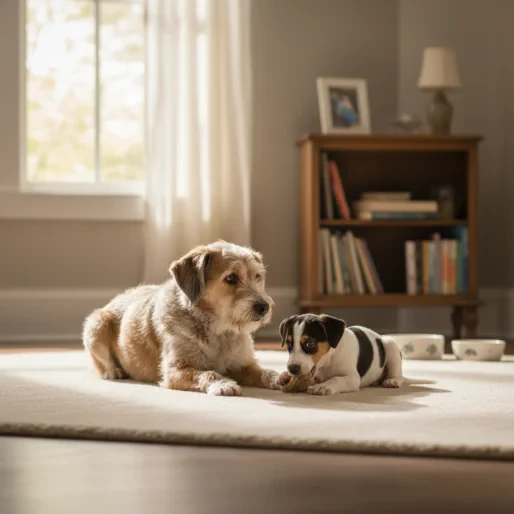
Choosing between a puppy and a senior dog is not merely a preference for cuteness versus wisdom. It is a fundamental choice between two distinct lifestyles. This guide analyzes the practical trade-offs to ensure the adoption sticks for the lifetime of the animal.
The Comparison Matrix: At a Glance
Before diving into the nuances, this comparison highlights the operational differences between raising a puppy and caring for a senior dog.
| Feature | Puppy (8 weeks to 1 year) | Senior (7+ years) |
|---|---|---|
| Energy Level | Explosive, erratic, requires hours of play | Low to moderate, predictable stamina |
| Training Needs | Intensive (potty, obedience, socialization) | Maintenance (refreshers), often knows basics |
| Time Demand | High (every 2 to 4 hours for potty breaks) | Moderate (flexible walking schedule) |
| Sleep Patterns | Disruptive (night crying, early rising) | Stable (sleeps significantly more) |
| Temperament | Developing (malleable but unknown) | Established (what you see is what you get) |
The Puppy Proposition: Potential and Patience
Puppies offer a 'blank slate' appeal that attracts many prospective owners. The opportunity to shape a dog's behavior, socialization, and bond from infancy is powerful. However, veterinary professionals emphasize that this potential comes with a significant workload.
Developmental Demands
A puppy is a developmental project. Between 8 and 16 weeks, they undergo a critical socialization period where positive exposure to the world is mandatory to prevent future fear or aggression. Owners must actively manage this window while navigating the teething phase, which often results in destruction of household items if supervision lapses.
For a detailed breakdown of the financial implications of this phase, review our guide on budgeting for a new puppy in 2026. The costs of replacing chewed furniture or managing unexpected veterinary visits due to foreign body ingestion are factors that first-time owners frequently underestimate.
The 'Puppy Blues'
Adoption counsellors regularly support owners suffering from 'puppy blues' (a state of exhaustion and regret caused by sleep deprivation and the relentless demands of a young animal). A puppy cannot hold their bladder for a full workday. Households where all adults work outside the home must hire professional walkers or utilize doggy daycare, adding a layer of logistical complexity to the equation.
The Senior Scenario: Stability and Soul
Senior dogs, typically defined as those over seven years of age (though this varies by breed size), represent the fastest-growing demographic in shelters. Their adoption rates are lower, yet satisfaction rates among senior adopters are exceptionally high.
Predictability of Temperament
With a senior dog, the personality is known. There is no guessing game regarding prey drive, affinity for children, or energy level. A shelter assessment can accurately predict how the dog will react to cats or strangers. This predictability makes seniors a safer choice for households with specific constraints.
Most seniors are house-trained and have outgrown destructive chewing behaviors. They understand the rhythm of a home. For owners who value a peaceful evening over an active training session, a senior dog is often the superior biological match.
Health Management
The trade-off for a senior's calm demeanor is the management of aging. Geriatric dogs may require distinct care protocols. Mobility issues are common, requiring owners to be proactive about home accessibility and comfort. For insights into managing these conditions, refer to our protocol on managing arthritis in senior dogs.
While seniors skip the expensive puppy vaccination series, they may require long-term medications for conditions like osteoarthritis or cardiac issues. Prospective adopters should view this not as a burden but as a shift in resource allocation (from training classes to veterinary maintenance).
Lifestyle Compatibility Assessment
To determine the correct path, prospective owners must audit their current lifestyle honestly. Professional consensus suggests the following pairings often yield the highest success rates.
The Busy Professional
Verdict: Senior Dog.
Professionals with long hours or unpredictable schedules rarely have the bandwidth for a puppy's potty training regimen. A senior dog is content to sleep during the workday and requires a gentle decompression walk in the evening rather than an hour of high-intensity fetch.
The Active Hiker
Verdict: Adult or Older Puppy.
While puppies are energetic, their skeletal systems are not ready for endurance hiking until full maturity (12 to 18 months). A senior may struggle with difficult terrain. An adult dog (2 to 5 years) is often the ideal partner for high-mileage activities.
Families with Young Children
Verdict: Case-Dependent (Caution Required).
Puppies have sharp deciduous teeth and lack bite inhibition, which frequently leads to tears in households with toddlers. Conversely, senior dogs may have arthritic pain that makes them less tolerant of a child's erratic movement. Veterinary behaviorists often recommend an adult dog with a known history of success with children for these homes.
Sourcing and Vetting
Whether choosing a puppy or a senior, the source matters. Ethical rescues and shelters provide behavioral assessments that are invaluable for decision-making. When engaging with a shelter, specific inquiries can reveal critical information about the animal's suitability.
We recommend utilizing our checklist on questions to ask before adopting a rescue dog. This resource helps uncover details about separation anxiety, resource guarding, and medical history that are relevant to both age groups.
Financial Realities
Cost is a major factor in adoption retention. A comprehensive view of the financial landscape is necessary before signing papers. See the real cost of dog ownership for a line-by-line analysis.
- Puppy Costs: Front-loaded. High initial volume of vaccines, spay/neuter surgery, crates, gates, training classes, and replacing destroyed items.
- Senior Costs: Back-loaded. Dental procedures, blood panels, joint supplements, and prescription diets.
Conclusion: Making the Right Choice
There is no superior choice between a puppy and a senior dog, only a choice that is superior for a specific household. A puppy brings chaos and potential, offering a journey of growth that requires immense energy. A senior brings gratitude and presence, offering immediate companionship with a requirement for compassionate maintenance.
By removing the emotion from the decision and looking strictly at the daily schedule, financial fluidity, and household activity level, adopters can find a companion that integrates seamlessly into their lives rather than disrupting them.
Frequently Asked Questions
Content Disclosure
This article was created using state-of-the-art AI models with human editorial oversight. It is intended for informational and entertainment purposes only and does not constitute veterinary medical advice. Always consult a licensed veterinarian for your pet's specific health needs. Learn more about our process.