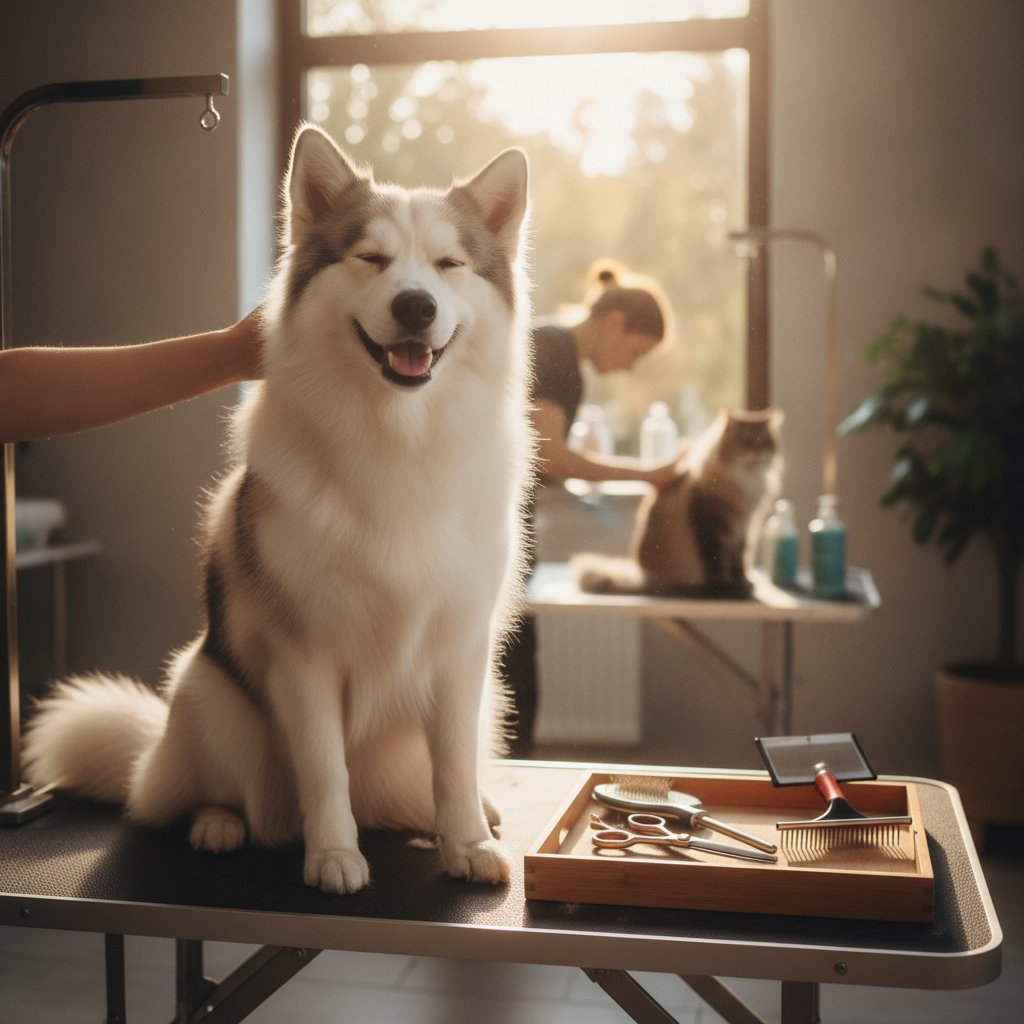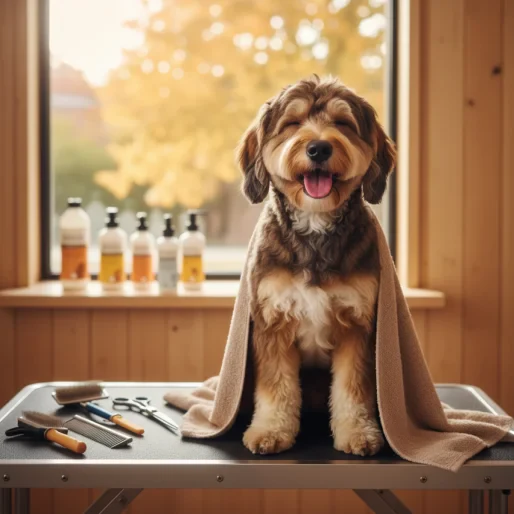
Australian dogs face unique autumn shedding challenges shaped by regional climate extremes, paralysis tick season overlap, and native plant debris. This guide covers breed specific grooming routines, bathing schedules, and warning signs tailored to Australian conditions from April through May.
Key Takeaways
- April and May are the peak autumn shedding months across most of Australia, though tropical regions in Queensland and the Northern Territory follow different patterns tied to wet and dry seasons.
- Paralysis tick season overlaps with the autumn coat transition along the eastern seaboard, making thorough skin checks during grooming sessions critical.
- Popular Australian breeds such as Kelpies, Australian Cattle Dogs, and Border Collies have distinct double coat needs during autumn shedding.
- Bathing frequency should decrease slightly during autumn to preserve natural oils, but dogs exposed to bushfire smoke residue, red dust, or saltwater may need adjusted schedules.
- Any sudden bald patches, flaking, redness, or foul odour during shedding warrants a veterinary consultation. Contact your local veterinary clinic or emergency service:
Animal Emergency Service (AES)
Call the Animal Emergency Service or find your nearest 24-hour emergency vet clinic.
AES operates in QLD, NSW, and VIC. For other states, search for your nearest after-hours veterinary hospital.
How Autumn Shedding Works in the Australian Climate
From late March through May, shortening daylight hours across southern and southeastern Australia trigger hormonal changes (primarily shifts in melatonin and prolactin levels) that prompt dogs to shed their lighter summer coat and grow a denser winter undercoat. This process is commonly called a "coat blow" among groomers and is particularly dramatic in double coated breeds.
Australia's climate extremes add complexity. Dogs in Melbourne, Hobart, and Canberra experience a more pronounced autumn transition due to the sharper temperature drop between summer and winter. In contrast, dogs in Darwin, Cairns, and Townsville, where the climate follows a wet and dry pattern rather than four distinct seasons, tend to shed more evenly throughout the year. Brisbane and coastal NSW sit somewhere in between, with moderate seasonal shedding that can be intensified by humidity changes.
Indoor dogs kept under artificial lighting may shed year round in a diffuse pattern, but even predominantly indoor dogs across Australian cities typically show a noticeable increase in loose fur during April and May.
Australian Breed Considerations
While globally popular breeds such as Golden Retrievers, Labradors, and German Shepherds are well represented in Australia, several locally favoured breeds deserve specific attention during autumn.
Australian Cattle Dogs and Kelpies
Both breeds carry a short to medium double coat that sheds heavily during autumn. A rubber curry brush used two to three times per week is effective for lifting loose fur, followed by a short coat deshedding tool once per week. These working dogs often spend significant time outdoors, so grooming sessions double as an opportunity to check for grass seeds (especially barley grass and spear grass, which are prevalent across southern Australia in autumn), paralysis ticks, and skin abrasions.
Border Collies and Australian Shepherds
These medium to long double coated breeds require more intensive grooming during April and May. Brushing every second day with a slicker brush, combined with undercoat raking once or twice per week, helps prevent matting in the feathering around the legs, chest, and behind the ears. Professional grooming for a full deshed and blow out session typically costs between $80 and $150 AUD depending on coat condition, location, and the size of the dog.
Labradoodles and Other Crossbreeds
Australia has a notably high population of Poodle crossbreeds, including Labradoodles, Groodles, and Cavoodles. Coat type in these crossbreeds varies widely, even within the same litter, ranging from flat and shedding to curly and low shedding. Owners should identify their dog's actual coat type rather than assuming it matches a breed label. Curly or wool coated crossbreeds require daily brushing with a slicker brush and comb to prevent matting, while those with flatter, more Labrador like coats benefit from the same deshedding routine as purebred Labradors.
Greyhounds (Including Retired Racers)
Australia has a strong greyhound adoption community, with many retired racing Greyhounds entering homes through state based adoption programs. These dogs have thin, fine, single coats and notably delicate skin. A soft bristle brush or rubber mitt once or twice per week is sufficient. Deshedding tools are not recommended as they can cause skin abrasion. For more on caring for adopted sighthounds, see Adopting a Retired Greyhound in Australia: Care Guide.
Tools for Australian Conditions
The standard grooming toolkit applies in Australia, but a few additions are worth noting for local conditions.
- Undercoat rake: Essential for heavy double coated breeds (Huskies, Malamutes, Samoyeds, Newfoundlands, Rough Collies). Reaches past the topcoat to gently remove loose undercoat without damaging guard hairs.
- Deshedding tool: Suited to shorter double coated breeds (Labradors, Pugs, Corgis, Rottweilers). Use with restraint: three to five passes per section maximum. Not suitable for single coated or wire coated breeds.
- Slicker brush: For daily surface brushing and detangling, particularly in longer coated breeds and crossbreeds.
- Tick removal tool: A dedicated tick remover (fine tipped tick hook or tick twister) should be part of every Australian grooming kit, especially for owners on the eastern seaboard from North Queensland to eastern Victoria where paralysis ticks (Ixodes holocyclus) are endemic.
- Grass seed comb or fine toothed flea comb: Useful for checking ears, paws, and underbelly for embedded grass seeds, which are a common and potentially serious problem across rural and suburban Australia during autumn.
Budgeting for quality grooming tools is a worthwhile investment. A basic home grooming kit (slicker brush, undercoat rake or deshedding tool, comb, tick remover) typically costs between $50 and $120 AUD. For a broader look at first year pet ownership costs, including grooming supplies, see New Pet Budget 2026: First Year Costs in Australia.
Step by Step Autumn Grooming Routine
Step 1: Pre Brush Assessment and Tick Check
Before picking up any tool, run both hands through the dog's coat from head to tail. Feel for mats, lumps, tender spots, or changes in skin texture. In tick prone areas (coastal NSW, Queensland, and eastern Victoria), use this step to perform a thorough tick search. Pay particular attention to the head, neck, ears, gums, between toes, and under the front legs, as these are common attachment sites for paralysis ticks. Part the fur and check skin colour: healthy skin is typically pale pink to grey depending on pigmentation.
Step 2: Line Brushing
Using a slicker brush, work in small sections from the hindquarters forward, brushing layer by layer (a technique known as line brushing). This ensures every layer of coat is addressed rather than skimming the surface. For dogs that find grooming stressful, short sessions of five to ten minutes are more effective than one extended session. Our guide on Low-Stress Grooming for Anxious Dogs in Australia provides strategies for building positive associations.
Step 3: Undercoat Removal
Switch to the undercoat rake or deshedding tool. Work in the direction of hair growth using gentle strokes. Focus on high friction zones: behind the ears, under the collar, in the axillary region (armpits), along the inner thighs, and around the tail base. Three to five passes per section is generally sufficient.
Step 4: Comb Through and Grass Seed Check
Pass a wide tooth comb through the coat to check for remaining tangles. In autumn, also use a fine toothed comb to check ears, paw pads, and the underbelly for grass seeds. Barley grass and spear grass awns can burrow into the skin or migrate into ear canals, causing abscesses and serious infections that require veterinary intervention.
Step 5: Optional Bath
If a bath is warranted, use lukewarm water and a pH balanced canine shampoo. Rinse thoroughly, as residual shampoo in a dense coat causes itching and flaking. Dogs that have been exposed to bushfire smoke residue or heavy dust may benefit from a gentle rinse even outside the regular bathing schedule, using plain water or a very mild oatmeal based shampoo to remove particulate matter without stripping coat oils.
Bathing Frequency for Australian Autumn
Professional grooming guidelines recommend reducing bathing frequency during autumn, as the sebaceous glands are actively producing oils to condition the incoming winter coat.
| Coat Type | Summer Bathing | Autumn Bathing |
|---|---|---|
| Short, smooth (Cattle Dog, Whippet) | Every 4 to 6 weeks | Every 6 to 8 weeks |
| Double coated, medium (Labrador, Kelpie) | Every 4 to 6 weeks | Every 6 to 10 weeks |
| Double coated, long (Collie, Malamute) | Every 6 to 8 weeks | Every 8 to 12 weeks |
| Single coated, curly (Poodle, Cavoodle) | Every 3 to 4 weeks | Every 3 to 5 weeks |
| Wire coated (Schnauzer, Terrier) | Every 6 to 8 weeks | Every 8 to 10 weeks |
Dogs that swim regularly (common among Australian dogs with beach or dam access) or roll in mud may need more frequent bathing regardless of season, ideally guided by veterinary advice.
Warning Signs That Warrant a Vet Visit
The autumn grooming routine provides regular opportunities to detect health issues early. The Australian Veterinary Association (AVA) emphasises the importance of owner vigilance during seasonal coat changes. The following signs should prompt a veterinary consultation:
- Patchy or asymmetric hair loss: Localised bald patches may indicate fungal infection, hormonal imbalance (such as hypothyroidism or Cushing's disease), or parasitic infestation.
- Excessive dandruff or flaking: Heavy, persistent dandruff, especially with itching, may indicate seborrhoea, allergies, or mite infestation (Cheyletiella, sometimes called "walking dandruff").
- Signs of paralysis tick attachment: Wobbliness in the hind legs, change in bark tone, gagging, or difficulty breathing. This is a veterinary emergency. Contact your nearest emergency veterinary hospital immediately:
Animal Emergency Service (AES)
Call the Animal Emergency Service or find your nearest 24-hour emergency vet clinic.
AES operates in QLD, NSW, and VIC. For other states, search for your nearest after-hours veterinary hospital.
- Red, inflamed, or broken skin: Hot spots can develop rapidly under matted coats, particularly in humid coastal regions of Australia.
- Embedded grass seeds: Head shaking, paw licking, sudden lameness, or a small draining wound may indicate a grass seed migration. Veterinary removal is usually necessary.
- Coat that does not regrow: If areas clipped during summer have not begun to regrow by mid autumn, consult a veterinarian, as this can indicate hormonal disorders or post clipping alopecia.
Supporting Coat Health Through Nutrition
Nutrition plays a significant role in coat quality during the autumn transition. A diet adequate in omega 3 and omega 6 fatty acids supports healthy sebum production, which conditions both the outgoing summer coat and the incoming winter undercoat. Fish oil supplementation is commonly discussed in Australian veterinary practice during seasonal transitions, though dosages should be tailored to the individual dog's weight and health status by a veterinarian.
Gut health also influences coat condition. Emerging research supports the role of the gut microbiome in skin and coat quality. For more on this topic, see Probiotics for Dogs and Cats: A Science Based Guide.
Professional Grooming in Australia
For owners who prefer professional support, the National Dog Groomers Association of Australia (NDGAA) and the Pet Industry Association of Australia (PIAA) maintain directories of qualified groomers. A professional autumn deshed session for a medium to large double coated dog typically costs between $80 and $180 AUD, depending on coat condition, breed, and location. Metropolitan areas such as Sydney and Melbourne tend to sit at the higher end of this range.
Professional grooming is particularly recommended during peak coat blow for heavy double coated breeds, for breeds requiring hand stripping (Schnauzers, Wire Fox Terriers, Airedales), and for elderly or arthritic dogs that need specialised handling.
Final Considerations
The April and May shedding period is a natural, healthy process for Australian dogs, but it demands active management tailored to local conditions. Between paralysis ticks on the eastern seaboard, grass seeds across southern and western regions, and variable climate zones from tropical Darwin to cool Hobart, Australian owners face layered challenges that go beyond standard coat maintenance. Regular brushing with the right tool, sensible bathing schedules, vigilant tick and grass seed checks, and prompt veterinary attention for warning signs form the foundation of effective autumn coat care. For any concerns about your dog's skin or coat during this transition, consult your veterinarian or contact an emergency service:
Animal Emergency Service (AES)
Call the Animal Emergency Service or find your nearest 24-hour emergency vet clinic.
AES operates in QLD, NSW, and VIC. For other states, search for your nearest after-hours veterinary hospital.
Frequently Asked Questions
When does autumn shedding peak for dogs in Australia? ↓
Should I check for paralysis ticks during grooming sessions? ↓
How much does a professional autumn deshed session cost in Australia? ↓
Are deshedding tools safe for Greyhounds and Whippets? ↓
Why are grass seeds a concern during autumn grooming in Australia? ↓
Sophie Bianchi
Certified Master Pet Groomer
Certified master pet groomer — breed-standard techniques, skin health awareness, and at-home grooming guidance.
Content Disclosure
This article was created using state-of-the-art AI models with human editorial oversight. It is intended for informational and entertainment purposes only and does not constitute veterinary medical advice. Always consult a licensed veterinarian for your pet's specific health needs. Learn more about our process.