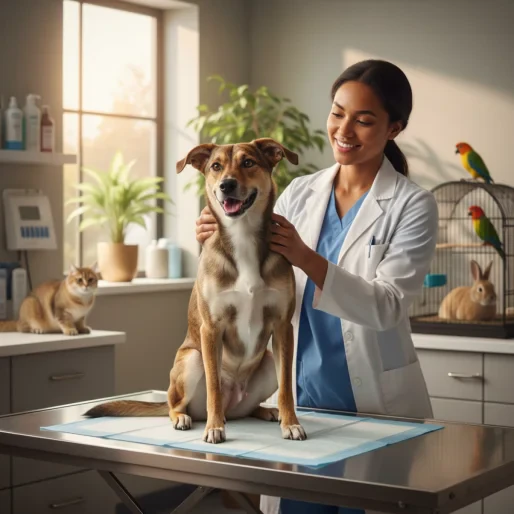
Pollen triggers skin reactions in dogs through a fundamentally different pathway than in humans. This guide explains the immunology behind canine atopic dermatitis, how to spot the signs, and which immunotherapy options veterinary science supports.
Key Takeaways
- Dogs typically react to pollen through their skin, not their respiratory tract, which is why scratching, licking, and chewing are the primary signs.
- Canine atopic dermatitis (CAD) involves an impaired skin barrier that allows allergens to penetrate and trigger an immune overreaction.
- Allergen-specific immunotherapy (ASIT), commonly called "allergy shots" or sublingual drops, is the only treatment that addresses the root cause rather than just symptoms.
- Early intervention and a proper diagnosis from a veterinary dermatologist can dramatically improve long-term outcomes.
- Home management (paw wiping, bathing protocols, environmental controls) plays a meaningful supporting role alongside medical treatment.
What Happens Inside a Dog's Body When Pollen Arrives
Spring means rising pollen counts from grasses, trees, and weeds. For most dogs, this is unremarkable. But for dogs with atopic dermatitis, a genetically mediated condition, pollen sets off an inappropriate and exaggerated immune response. Understanding this process helps owners make sense of treatment options and why the condition tends to worsen over time without intervention.
The Skin Barrier: Where It All Begins
Healthy canine skin functions as a tightly sealed barrier. In dogs predisposed to atopic dermatitis, research indicates that this barrier is structurally compromised. Studies have identified deficiencies in ceramides (lipid molecules that hold skin cells together) and, in some breeds, altered expression of filaggrin, a protein critical for barrier integrity. This is similar to findings in human eczema research, though the canine mechanisms are still being mapped in detail.
When the skin barrier is weakened, microscopic gaps allow environmental allergens, including pollen grains, to penetrate the outer layers of the epidermis. Once inside, these proteins encounter immune cells that would normally ignore them.
The Immune Cascade: IgE, Mast Cells, and Inflammation
Once pollen proteins breach the skin barrier, antigen-presenting cells (called Langerhans cells and dermal dendritic cells) capture them and present them to T-helper lymphocytes. In atopic dogs, the immune system is skewed toward a Th2 response, which promotes the production of immunoglobulin E (IgE) antibodies specific to those allergens.
These IgE antibodies bind to mast cells, which are abundant in the skin. On subsequent pollen exposure, allergen molecules crosslink the IgE on mast cell surfaces, causing degranulation: the rapid release of histamine, cytokines, prostaglandins, and leukotrienes. This cocktail produces the redness, swelling, and intense itching (pruritus) that characterises an allergic flare.
Over time, chronic inflammation leads to secondary changes: skin thickening (lichenification), darkened pigmentation (hyperpigmentation), and increased susceptibility to bacterial and yeast infections, which compound the itching further.
Why Dogs Scratch Differently From Humans
Humans with pollen allergies most often experience respiratory symptoms: sneezing, runny nose, watery eyes. This is because in humans, the nasal and conjunctival mucosa is the primary site of allergen exposure and immune response. Dogs, by contrast, present predominantly with cutaneous (skin) signs. Respiratory symptoms like sneezing or nasal discharge can occur in dogs but are comparatively uncommon.
The Anatomy of Canine Itch
Several factors explain why dogs express allergies through their skin:
- Skin thickness and structure: Canine skin is generally thinner than human skin (varying by breed and body region), and the compromised barrier in atopic dogs allows greater percutaneous allergen absorption.
- Distribution of mast cells: Dogs have a high density of mast cells in the dermis, particularly in predilection sites such as the paws, axillae (armpits), groin, ear canals, and periocular regions (around the eyes).
- Itch perception and response: The neural pathways for pruritus in dogs lead to behaviours distinct from humans. Rather than simply scratching with a hand, dogs exhibit a broader repertoire: hind-leg scratching, face rubbing on furniture or carpet, paw chewing, flank biting, and obsessive licking of specific areas.
Breed Predispositions
Certain breeds appear to have a higher genetic predisposition to atopic dermatitis. Breeds commonly reported in veterinary dermatology literature include Labrador Retrievers, Golden Retrievers, West Highland White Terriers, Bulldogs (English and French), Boxers, Shar Peis, and German Shepherds. However, any breed or mixed-breed dog can develop the condition.
How to Recognise Spring Allergy Signs in Your Dog
Recognising the clinical signs early is essential. The hallmark sign is pruritus (itching) that follows a seasonal pattern, typically worsening in spring and early summer when pollen counts peak.
Common Signs to Watch For
- Persistent paw licking or chewing (sometimes causing rust-coloured saliva staining on light fur)
- Scratching at the ears, with or without head shaking
- Rubbing the face against surfaces
- Red, inflamed skin in the armpits, groin, or belly
- Recurrent ear infections (otitis externa), especially if they coincide with pollen season
- Red, watery eyes (allergic conjunctivitis)
- Hair loss in localised patches from self-trauma
- A musty or yeasty odour, which may indicate secondary infection
If these signs appear primarily in spring and resolve or lessen in winter, a seasonal environmental allergy is a strong possibility. Dogs that show year-round symptoms may have additional triggers such as dust mites or food sensitivities. Owners who walk their dogs frequently in spring should also be aware of common spring parasite prevention mistakes, as flea allergy dermatitis can look very similar and often coexists with atopic dermatitis.
What the Research Says About Diagnosis
There is no single definitive test for canine atopic dermatitis. According to guidelines published by the International Committee on Allergic Diseases of Animals (ICADA), diagnosis is primarily clinical, based on history, pattern recognition, and the exclusion of other causes of pruritus, particularly flea allergy dermatitis and cutaneous adverse food reactions.
The Diagnostic Process
A thorough diagnostic workup typically includes:
- Detailed history: Age of onset (usually between 1 and 3 years), seasonality, distribution of lesions, and response to previous treatments.
- Parasite exclusion: Rigorous flea control and skin scrapes to rule out sarcoptic mange (scabies) or Demodex mites.
- Diet trial: An elimination diet lasting a minimum of 8 weeks to rule out food-related triggers. This step is time-consuming but essential for accuracy.
- Allergy testing: Intradermal skin testing (IDT) or serum IgE testing. These tests are used after a clinical diagnosis of atopic dermatitis has been made. Their primary purpose is to identify specific allergens for immunotherapy formulation, not to diagnose atopy itself.
Veterinary dermatologists, who hold board certification in their specialty, are best equipped to perform and interpret these tests. A referral is especially worthwhile for dogs with severe, recurrent, or treatment-resistant symptoms.
Treatment: Symptom Management vs. Root Cause
Treatment for canine spring allergies falls into two broad categories: therapies that manage symptoms and therapies that aim to modify the underlying immune response.
Symptomatic Therapies
Topical treatments: Medicated shampoos containing ingredients such as chlorhexidine, phytosphingosine, or colloidal oatmeal can soothe inflamed skin and help manage secondary infections. Bathing frequency should be guided by a veterinarian, as over-bathing can further strip barrier lipids.
Oclacitinib: This is a Janus kinase (JAK) inhibitor that rapidly reduces itch by blocking specific cytokine signalling pathways involved in the allergic response. It typically provides relief within hours to days and is widely used for both acute flares and longer-term management. Regular bloodwork monitoring is generally recommended during extended use.
Lokivetmab: A monoclonal antibody therapy administered by injection, typically monthly. It targets and neutralises interleukin-31 (IL-31), a key cytokine that directly stimulates itch neurons in dogs. Because it is highly targeted, it tends to have a favourable safety profile, though individual responses vary.
Corticosteroids: Prednisolone and similar glucocorticoids remain effective for short-term itch relief but carry significant side effects with prolonged use, including increased thirst and urination, weight gain, muscle wasting, and increased infection risk. Veterinary consensus, as reflected in ICADA guidelines, generally favours the newer targeted therapies for long-term management.
Antihistamines: While commonly tried, antihistamines have limited efficacy in dogs compared to humans. Studies suggest they may help some dogs mildly, but they are rarely sufficient as standalone therapy for moderate to severe atopic dermatitis.
Essential Fatty Acid Supplementation
Omega-3 and omega-6 fatty acid supplements can support skin barrier repair and have a mild anti-inflammatory effect. They are unlikely to resolve clinical signs alone but may reduce reliance on medications when used as part of a multimodal approach. A veterinarian or veterinary nutritionist can advise on appropriate products and dosing. For broader nutritional guidance, especially during warmer months, owners may also find the nutrition guide for feeding dogs in extreme heat helpful.
Immunotherapy: Treating the Root Cause
Allergen-specific immunotherapy (ASIT) is the only currently available treatment that addresses the underlying immunological dysfunction rather than just suppressing symptoms. According to the ACVD (American College of Veterinary Dermatology) and ICADA, ASIT is considered a cornerstone of long-term management for canine atopic dermatitis.
How ASIT Works
After allergy testing identifies the specific allergens triggering a dog's immune response, a custom vaccine is formulated containing gradually increasing concentrations of those allergens. The goal is immune tolerance: retraining the immune system to stop overreacting to harmless environmental proteins.
The precise immunological mechanisms are still being studied, but evidence suggests ASIT promotes a shift from a Th2-dominated response toward regulatory T-cell activity, which dampens the allergic cascade. Over time, this can reduce the severity and frequency of flares.
Delivery Methods
- Subcutaneous immunotherapy (SCIT): Traditional "allergy shots" given by injection under the skin. Protocols typically involve an induction phase with escalating doses, followed by a maintenance phase with injections every 2 to 4 weeks. Many owners learn to administer these at home after veterinary training.
- Sublingual immunotherapy (SLIT): A newer approach in which allergen drops or sprays are administered under the dog's tongue daily. SLIT is gaining popularity due to its ease of administration and is supported by a growing body of veterinary evidence. It may be particularly appealing for dogs (or owners) who do not tolerate injections well.
What Owners Should Expect
Immunotherapy is not a quick fix. Noticeable improvement typically takes 6 to 12 months, and some dogs require up to a year or longer before the full benefit is apparent. Published response rates vary, but veterinary literature generally reports that approximately 60 to 75 percent of dogs show meaningful improvement. A smaller percentage achieve near-complete resolution of signs.
During the initial months, concurrent symptomatic therapies (such as oclacitinib or lokivetmab) are usually still needed to keep the dog comfortable. The hope is that these medications can eventually be reduced or discontinued as immunotherapy takes effect.
Home Management: What Owners Can Do
While medical treatment is the backbone of allergy management, environmental and home strategies provide valuable support.
- Paw wiping or rinsing: After outdoor walks, wiping paws with a damp cloth or rinsing them removes pollen before it is licked and spread. This is especially helpful during high pollen count days.
- Frequent bedding washes: Washing dog beds weekly in hot water reduces allergen accumulation.
- Air filtration: HEPA filters can reduce indoor airborne allergen levels, though their impact specifically on percutaneous allergen exposure in dogs has not been extensively studied.
- Limiting peak exposure: Pollen counts tend to be highest in the early morning. Shifting walks to later in the day may reduce exposure, though this needs to be balanced against heat avoidance in warmer climates.
- Skin and coat care: Regular grooming and moisturising sprays designed for dogs can support barrier function. Owners who enjoy springtime activities with their dogs might also review tips on managing increased pulling behaviour in spring, as a comfortable, well-fitted harness can also reduce friction on irritated skin.
When to See Your Vet and What to Ask
Professional veterinary consultation is recommended whenever a dog shows persistent itching, recurrent skin or ear infections, or any signs that disrupt normal behaviour and comfort. Early intervention matters: chronic untreated atopic dermatitis tends to worsen over successive allergy seasons as the skin barrier deteriorates and secondary infections become established.
Questions Worth Asking Your Vet
- Could my dog's symptoms be caused by something other than environmental allergies (such as food sensitivity or parasites)?
- Would a referral to a veterinary dermatologist be appropriate?
- Is allergy testing recommended at this stage, and which method do you prefer?
- What are the pros and cons of targeted therapies (oclacitinib, lokivetmab) versus immunotherapy for my dog's specific situation?
- What monitoring or follow-up schedule should we plan for?
Keeping a log of symptoms, including dates, severity, and any environmental changes, can be enormously helpful during veterinary consultations and helps track treatment response over time.
Looking Ahead: Emerging Research
Veterinary dermatology is an active area of research. Current investigations include the role of the skin microbiome in atopic dermatitis, with studies exploring whether topical probiotics or microbiome transplants might support barrier health. There is also growing interest in novel biologics targeting additional cytokine pathways beyond IL-31. While these approaches are not yet standard practice, they represent promising directions for future treatment options.
For dogs with atopic dermatitis, comfort and quality of life are achievable goals. A combination of accurate diagnosis, evidence-based medical therapy, and thoughtful home management, guided by a veterinary professional, gives most dogs the best chance of enjoying spring without suffering through it.
Frequently Asked Questions
Why does my dog chew its paws in spring instead of sneezing like humans do? ↓
How long does canine allergy immunotherapy take to work? ↓
Can over-the-counter antihistamines help my dog's spring allergies? ↓
At what age do dogs typically develop spring allergies? ↓
Is sublingual immunotherapy as effective as allergy injections for dogs? ↓

Dr. James Harrington
Veterinarian & Pet Health Writer
Veterinarian and health writer — translating complex medical topics into clear, actionable guidance for pet owners.
Content Disclosure
This article was created using state-of-the-art AI models with human editorial oversight. It is intended for informational and entertainment purposes only and does not constitute veterinary medical advice. Always consult a licensed veterinarian for your pet's specific health needs. Learn more about our process.