
In this article
- Key Takeaways
- Planning Around Australian Long Weekends
- Car Restraint Laws Across Australia
- Rest Stops: How Often and What to Watch For
- Paralysis Ticks and Other Wildlife Hazards
- Booking Pet-Friendly Accommodation
- Pre-Trip Veterinary Checklist
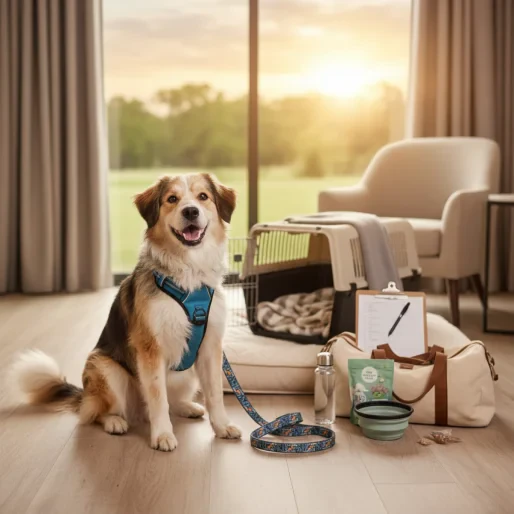
- Packing Checklist
- Emergency Contacts to Save Before You Leave
- Day-by-Day Road Trip Routine
Key Takeaways
- Every Australian state and territory has laws governing how dogs must travel in vehicles, with fines ranging from $150 in the NT to $3,200 or more in the ACT for non-compliance.
- Paralysis ticks (Ixodes holocyclus) are a serious, potentially fatal hazard along the east coast from northern Queensland to eastern Victoria: tick prevention medication and daily tick searches are essential when travelling to these regions.
- Interior car temperatures in Australia can exceed 60°C within minutes on a warm day: never leave a dog unattended in a parked vehicle, even briefly.
- Booking pet-friendly accommodation well ahead of long weekends is critical, as dog-friendly rooms fill fast and policies on fees, weight limits, and supervision vary widely.
Planning Around Australian Long Weekends
Australia's long weekends, including Easter, Anzac Day, Queen's Birthday (or King's Birthday), and various state-specific public holidays, are peak travel periods. Roads are busier, rest stops are crowded, and pet-friendly accommodation books out quickly. Dogs travelling in hot, congested conditions face heightened risks of heat stress, dehydration, and anxiety.
Planning should begin at least three to four weeks before departure. This allows time to book accommodation, arrange a veterinary health check, update tick and flea prevention, and assemble a proper travel kit. Dogs that are not accustomed to long car journeys benefit from short practice drives in the weeks leading up to the trip.
Brachycephalic (flat-faced) breeds such as Bulldogs, Pugs, and French Bulldogs are especially vulnerable to heat buildup. Senior dogs and those with respiratory or cardiac conditions also require extra caution. For guidance on why older pets are at greater risk, see Why Senior Dogs and Cats Overheat Faster in Australia.
Car Restraint Laws Across Australia
Unlike some countries with a single national rule, Australia's dog car restraint requirements are set at the state and territory level. The RSPCA recommends restraining all dogs during car travel regardless of jurisdiction, as an unrestrained dog can become a projectile in a collision and is a serious distraction risk. Below is a summary of key rules.
- New South Wales: Dogs must not sit on the driver's lap. Penalties of up to $562 and three demerit points apply. Dogs travelling on ute trays or in trailers must be restrained.
- Victoria: Dogs on ute trays or in trailers must be caged or tethered. It is illegal to leave a dog unattended in a vehicle for more than 10 minutes when the temperature is 28°C or above.
- Queensland: Dogs on the driver's lap attract fines of around $389. A dog's body must not protrude from the vehicle. Dogs on ute trays must be securely tied.
- ACT: All dogs must be restrained during vehicle travel. Fines can reach $3,200. Dogs in open ute trays face penalties of up to $5,500 or six months imprisonment.
- Western Australia: Dogs must be restrained and cannot travel on the driver's lap or the passenger seat unrestrained. Dogs on ute trays must be secured.
- South Australia: Dogs cannot sit on the driver's lap. Dogs travelling on ute trays must be tethered to the vehicle.
- Tasmania: Dogs must be secured against jumps and falls. Fines of up to $905 may apply.
- Northern Territory: A dog on the driver's lap constitutes careless driving, with a $150 fine plus a $58 levy. Dogs on ute trays must be secured.
Choosing a Restraint
The RSPCA advises using a crash-tested harness or crate, always positioned in the back seat or cargo area (never the front passenger seat, where airbag deployment can cause serious injury). There is no formal Australian Standard for crash testing dog car restraints, so look for products tested by internationally recognised bodies such as the Center for Pet Safety. Options include:
- Crash-tested crates: The safest option for most dogs, particularly anxious travellers. Secure the crate to the vehicle using anchor points or seat belt straps.
- Crash-tested harnesses: Practical for dogs comfortable wearing a harness. The harness must clip directly into the vehicle's seat belt system.
- Cargo barriers: A barrier between the boot and rear seats prevents the dog from entering the cabin during sudden stops, though it offers less individual protection than a crate or harness.
Avoid allowing dogs to ride with their heads out of windows. This exposes them to debris, insects, and potential ear or eye injury.
Rest Stops: How Often and What to Watch For
Veterinary guidelines recommend stopping every two to three hours during car travel with a dog. Each break should last at least 15 minutes, providing time for:
- A leashed bathroom break in a safe area away from traffic.
- Offering fresh water from a portable bowl or dispenser bottle.
- A brief walk or gentle stretch to reduce stiffness and anxiety.
When More Frequent Stops Are Needed
- Puppies and senior dogs: Smaller bladder capacity and reduced stamina may require stops every 60 to 90 minutes.
- Brachycephalic breeds: Pugs, Bulldogs, and similar breeds overheat faster and benefit from frequent cool-down breaks.
- Dogs prone to motion sickness: Shorter intervals reduce nausea. A light meal three to four hours before departure (not immediately before) also helps.
- Dogs on medication: Diabetic dogs, dogs on diuretics, or those with gastrointestinal conditions typically need more frequent water and outdoor access.
Be cautious with sudden bursts of exercise at rest stops, especially if your dog has been relatively inactive over winter. Sudden activity can contribute to soft-tissue injuries. For more on this risk, see Spring Activity and Cruciate Ligament Tears in Dogs.
Heat Safety at Stops
Australian conditions make heat safety non-negotiable. On a 30°C day, the interior of a parked car can reach over 60°C within minutes. Even on milder days around 22°C to 25°C, interior temperatures climb dangerously fast. Never leave a dog unattended in a parked vehicle, regardless of whether windows are cracked open. In Victoria, leaving a dog unattended in a vehicle for more than 10 minutes at 28°C or above is a specific offence.
Paralysis Ticks and Other Wildlife Hazards
Travelling along Australia's east coast introduces a serious risk that many inland dog owners may not be prepared for: the paralysis tick (Ixodes holocyclus). These ticks are found in bushland and coastal scrub from northern Queensland through to eastern Victoria, typically within about 20 km of the coastline. While they are most prevalent between September and March, they can be encountered year-round in warmer regions.
A single paralysis tick can cause life-threatening tick paralysis. Symptoms typically develop within 72 hours of attachment and include wobbliness in the hind legs, changes in bark tone, vomiting, laboured breathing, and collapse. Without veterinary treatment, tick paralysis can be fatal.
Prevention When Travelling
- Ensure your dog's tick prevention is current before entering a tick zone. Veterinary-grade oral or topical tick preventatives are essential.
- Perform a thorough daily tick search: run your fingertips firmly over your dog's entire body, paying close attention to the head, ears, neck, chest, between the toes, and around the lips and gums.
- Keep dogs on leash in bushland areas to reduce exposure to tick habitat in long grass and leaf litter.
- If you find a tick, remove it promptly with a tick removal tool or fine-tipped tweezers. If your dog shows any signs of tick paralysis, seek emergency veterinary care immediately.
Snake encounters are another Australian hazard, particularly in warmer months and in rural or bushland areas. Keep dogs leashed on walks, stay on cleared paths, and be alert at dawn and dusk when snakes are more active.
Booking Pet-Friendly Accommodation
Pet-friendly rooms sell out fast over Australian long weekends. Booking three to four weeks in advance is strongly recommended.
Questions to Ask Before You Book
- Pet fees: Charges vary widely: some properties charge $20 to $50 per night, others apply a one-off cleaning surcharge of $100 to $200, and some require a refundable bond.
- Weight and breed restrictions: Many hotels set weight limits (commonly around 15 to 25 kg) and may exclude certain breeds under state or council breed-specific legislation.
- Number of pets per room: Most properties allow one dog per room, though some accommodate two.
- Unattended pet rules: Some hotels allow crate-trained dogs to be left briefly; others require a person present at all times. Breaching this can result in extra charges.
- Designated relief areas: Ask whether the property has a fenced or designated pet area and how far it is from your room.
Booking Tips
- Contact the specific property directly rather than relying on chain-wide "pet-friendly" labels. Policies vary significantly between individual locations.
- Request a ground-floor room for easier outdoor access.
- Bring a familiar blanket or bed to place over hotel bedding. This reduces shedding on hotel linen and helps your dog settle.
- Pack a portable crate or exercise pen for dogs that are anxious in new spaces.
Pre-Trip Veterinary Checklist
A vet visit two to three weeks before departure is considered best practice. The Australian Veterinary Association (AVA) emphasises the importance of preventive care before travel. During this visit:
- Confirm core vaccinations are current (C3 or C5 as appropriate for your dog's exposure risk).
- Discuss tick, flea, and heartworm prevention suited to your destination. If travelling to the east coast, ensure paralysis tick coverage is in place.
- Ask about motion sickness remedies if your dog has a history of car-related nausea.
- Verify that microchip registration details (phone number, address) are up to date via your state or territory's pet registry.
- Request a printed copy of vaccination records to carry with you.
Packing Checklist
Documents and Identification
- Current vaccination records (printed copy)
- Copy of pet insurance policy and emergency claim number
- Photo of your dog saved on your phone (for identification if lost)
- Collar with up-to-date ID tag including your mobile number
- Council registration tag (required in most states and territories)
Restraint and Safety
- Crash-tested crate or harness
- Seat belt attachment or cargo barrier
- Sturdy leash (1.5 m to 1.8 m) and a spare
- Portable exercise pen (useful at rest stops and accommodation)
A GPS tracker can provide extra peace of mind in unfamiliar areas. See GPS Pet Trackers Compared: Coverage, Battery, Cost for a detailed comparison.
Food, Water, and Treats
- Enough of your dog's regular food for the trip plus one extra day
- Portable, collapsible food and water bowls
- Bottled water or a refillable water jug
- High-value training treats for reinforcing calm car behaviour
- Chew toys or stuffed food puzzles for quiet in-car enrichment
Comfort and Cleanup
- Familiar blanket or bed
- A worn item of the owner's clothing (provides scent comfort)
- Waste bags (minimum 30 for a long weekend)
- Paper towels and pet-safe cleaning spray
- Old towels for muddy paws or sandy coats
- Lint roller for car seats and hotel furniture
First Aid and Health
- Pet-specific first aid kit: gauze, adhesive bandage wrap, antiseptic wipes, blunt-tip scissors, tweezers, digital thermometer
- Any prescription medications (with dosing instructions)
- Tick removal tool (essential for east coast travel)
- Styptic powder (for minor nail injuries)
- Emergency veterinary contacts at your destination (research and save before departure)
Seasonal and Climate Extras
- Dog-safe sunscreen for light-skinned or thin-coated breeds (Australian UV levels are consistently high)
- Cooling mat or bandana for warm-weather travel
- Paw balm to protect against hot pavement (test surfaces with the back of your hand: if you cannot hold it for five seconds, it is too hot for paws)
- Brush or grooming mitt for managing seasonal shedding in the car
Dogs with heavy double coats may be in the middle of a seasonal blow. Packing a grooming tool helps keep loose fur under control. For more detail, see Managing Spring Coat Blow in Double-Coated Dogs.
Emergency Contacts to Save Before You Leave
Animal Emergency Service (AES)
Call the Animal Emergency Service or find your nearest 24-hour emergency vet clinic.
AES operates in QLD, NSW, and VIC. For other states, search for your nearest after-hours veterinary hospital.
- Your regular veterinarian's after-hours line
- The nearest emergency veterinary hospital at your destination (search and save the address and phone number before departure)
- RSPCA in your state or territory (for reporting animal welfare emergencies)
Day-by-Day Road Trip Routine
Before Departure
- Feed a light meal three to four hours before leaving.
- Offer water up to 30 minutes before departure.
- Take a 15-minute walk to help your dog relieve themselves and burn off nervous energy.
- Secure the crate or harness and verify the latch or buckle is functioning.
- Check that tick prevention is up to date if heading to the east coast.
On the Road
- Stop every two to three hours (more often for puppies, seniors, or brachycephalic breeds).
- Offer water at every stop.
- Keep the vehicle cool with air conditioning. Avoid opening windows wide enough for a dog to fit through.
- Play calming music or maintain a quiet environment for anxious travellers.
- Be cautious of snakes at rural rest stops, especially in warmer weather: keep dogs leashed and on cleared paths.
At Accommodation
- Do a quick room check: inspect for exposed electrical cords, open bins, complimentary food items (chocolate, macadamia nuts, xylitol-sweetened snacks), and gaps behind furniture where a small dog could become stuck.
- Set up the dog's bed or blanket and water bowl before allowing free exploration.
- Locate the nearest pet relief area and emergency exit.
- If leaving the room briefly (where permitted), place the dog in a crate with a chew toy and hang a "Do Not Disturb" sign on the door.
Returning Home
- Perform a thorough tick check within 24 hours of returning, paying close attention to ears, armpits, groin, and between toes. Continue daily checks for at least a week if you have been in a paralysis tick zone.
- Monitor for signs of gastrointestinal upset, fatigue, or unusual behaviour for two to three days post-trip.
- Wash all travel bedding and clean the crate or harness.
For owners returning to a home where a pet sitter has been caring for other animals, a quick walk-through using the checklist in Spring Hazard Briefing for Pet Sitters in Australia helps confirm everything is in order.
Frequently Asked Questions
Content Disclosure
This article was created using state-of-the-art AI models with human editorial oversight. It is intended for informational and entertainment purposes only and does not constitute veterinary medical advice. Always consult a licensed veterinarian for your pet's specific health needs. Learn more about our process.