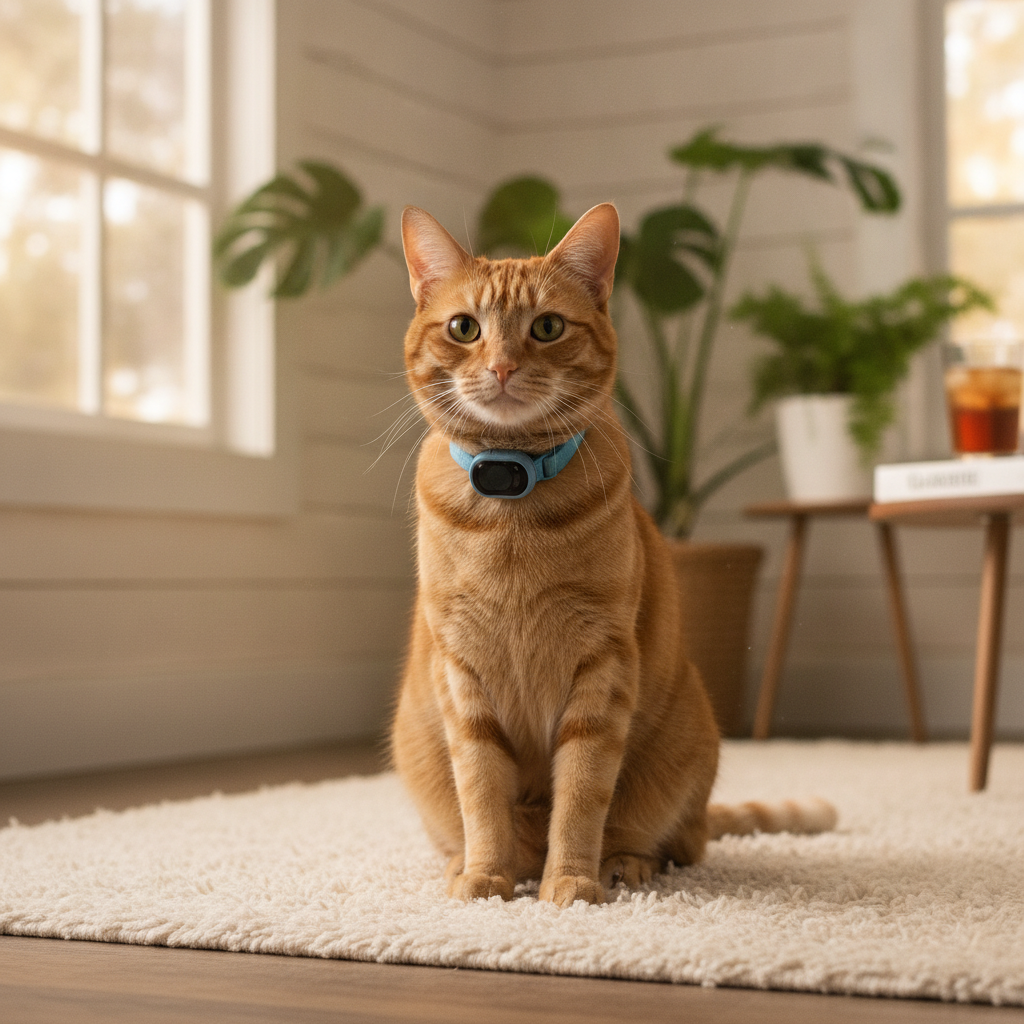
A practical comparison of GPS pet trackers available in Australia, with AUD pricing, cellular network considerations for rural and regional areas, and advice tailored to Australian climate and wildlife hazards.
Key Takeaways for Australian Pet Owners
- Cellular GPS trackers depend on Australian mobile networks. Telstra offers the widest reach (covering roughly 99.7% of the population), making network choice critical for rural and regional users.
- Not all global GPS pet trackers are officially sold or fully supported in Australia. Tractive is the most widely available option, stocked at major retailers including JB Hi-Fi and Pet Circle.
- Subscription costs in AUD range from zero (for radio frequency models) to around $20 per month, with annual plans reducing the long term outlay significantly.
- Australian conditions (extreme heat, bushfire smoke, dense bushland) create unique challenges for tracker battery life and signal reliability.
- RSPCA data consistently shows that a significant proportion of stray dogs entering council pounds are never reclaimed. Real time GPS tracking helps owners act before a lost pet enters the shelter system.
Why GPS Tracking Is Especially Relevant in Australia
Australia's pet ownership rate is among the highest globally, and the outdoor lifestyle that comes with it means dogs and cats are frequently exposed to open spaces, bushland, and unfenced rural properties. RSPCA annual statistics show that tens of thousands of dogs enter council pounds and shelters each year, with reclaim rates varying dramatically by state, from around 60% in some jurisdictions to below 40% in others. Microchipping is compulsory in every state and territory, but a microchip only helps after a pet has been found and scanned. A GPS tracker addresses the gap between a pet going missing and being recovered.
Australian wildlife adds another layer of urgency. Dogs that bolt into bushland risk encounters with venomous snakes (brown snakes, tiger snakes, and red-bellied black snakes are widespread), paralysis ticks along the eastern seaboard, and cane toads in Queensland and parts of the Northern Territory. Locating a missing dog quickly is not just about convenience; it can be the difference between a safe recovery and a veterinary emergency.
Animal Emergency Service (AES)
Call the Animal Emergency Service or find your nearest 24-hour emergency vet clinic.
AES operates in QLD, NSW, and VIC. For other states, search for your nearest after-hours veterinary hospital.
For breeds with strong prey drive or escape tendencies, such as Kelpies, Cattle Dogs, Greyhounds (increasingly adopted through rescue programs), and Siberian Huskies, GPS tracking serves as a genuine safety net. If a pet sitter, boarding kennel, or doggy daycare is involved, a tracker also gives owners visibility while they are away. For guidance on communicating breed specific tendencies to temporary carers, see What to Tell Your Dog Sitter About Your Dog's Breed Traits: High-Energy Working Dogs, Velcro Breeds, and Independent Sighthounds Compared.
Which Trackers Actually Work in Australia?
Global GPS tracker reviews often focus on the US and UK markets, but Australian availability and network compatibility differ substantially. Here is what matters locally.
Tractive (6th Gen): The Most Accessible Option
Tractive is the standout choice for Australian buyers due to its wide retail availability (JB Hi-Fi, Pet Circle, and the Tractive website all ship locally) and confirmed compatibility with Australian 4G LTE networks. The device retails for approximately $79 AUD, with subscription plans starting from around $8 AUD per month on a two year commitment, or around $12 AUD per month on an annual plan. A premium tier with worldwide roaming costs more but may suit owners who travel internationally with their pets.
Tractive uses GPS, Wi-Fi, and cellular connectivity, delivering roughly 7 to 8 metre accuracy outdoors in open sky conditions. Battery life ranges from 5 to 14 days depending on tracking frequency and whether Power Saving Zones (geofenced areas where GPS polling reduces) are configured. The IPX7 waterproof rating handles rain and creek crossings comfortably.
Fi Series 3+: Strong Features, Limited Australian Support
Fi offers arguably the most comprehensive health monitoring suite (tracking activity, rest, barking, licking, scratching, eating, and drinking) alongside GPS location with approximately 4 to 5 metre accuracy. Battery life is exceptional, with real world reports of 6 to 8 weeks between charges under normal use.
However, Fi's primary market remains the United States. Australian buyers should verify current local network support and warranty coverage before purchasing, as cellular band compatibility and roaming functionality may not match the US experience. At US pricing of roughly $100 to $150 USD (approximately $155 to $235 AUD before shipping), plus a subscription of around $19 USD per month (roughly $30 AUD), Fi represents a significant investment with less certainty about local performance.
Aorkuler: No Cellular Dependency
Aorkuler uses direct radio frequency communication between a collar unit and a handheld controller, bypassing cellular networks entirely. This is potentially attractive for owners on large rural properties or in areas where mobile coverage is unreliable, which remains common across much of regional and outback Australia despite Telstra's extensive network.
The practical range is limited to a few kilometres, and the device provides directional guidance with a distance readout rather than a map pinpoint. At roughly $90 to $140 AUD, with no ongoing subscription, it suits owners who need to locate a dog that has wandered on a property rather than track a pet across long distances. The IP65 splash resistance rating is adequate for light rain but not for submersion.
Bluetooth Tags (AirTag, SmartTag): A Supplementary Layer
Apple AirTags and Samsung SmartTags rely on crowd sourced Bluetooth networks. In densely populated Australian cities (Sydney, Melbourne, Brisbane, Perth), the large iPhone and Galaxy user base means location updates can be surprisingly frequent. In regional towns and rural areas, updates may be hours apart or nonexistent. Bluetooth tags lack real time tracking, geofencing, and any health monitoring. They work best as a low cost backup alongside a dedicated GPS tracker, not a replacement.
Australian Network Coverage: The Critical Factor
Every cellular GPS tracker is only as reliable as the mobile network it connects to. In Australia, this means understanding the differences between carriers.
Telstra's 4G network covers roughly 99.7% of the Australian population, but population coverage is not the same as geographic coverage. Vast stretches of outback, national parks, and remote pastoral land have no cellular signal from any carrier. Optus covers around 98.5% of the population, while Vodafone (now TPG Telecom) covers a smaller footprint again. For owners in regional areas, confirming which network a GPS tracker uses, and cross referencing that with actual coverage maps for their specific location, is essential before purchasing.
Most GPS trackers sold in Australia use embedded SIMs that connect to whichever supported network is strongest. Tractive's Australian service operates across major carrier infrastructure, but specific rural dead zones will still cause delayed location updates. The tracker typically logs GPS coordinates locally and uploads them when the signal returns, which can create a lag during a lost pet emergency.
Heat, Bushfire Smoke, and Australian Conditions
Summer temperatures regularly exceed 40°C across much of inland Australia, and even coastal cities experience multi-day heatwaves. Extreme heat affects both battery performance and device longevity. Lithium batteries in GPS trackers can degrade faster when consistently exposed to high temperatures. Veterinary consensus, including guidance aligned with the Australian Veterinary Association's position on heat related illness, recommends avoiding prolonged outdoor exposure for pets in extreme heat, which also limits the practical utility of a GPS tracker during heatwave conditions.
Bushfire smoke and heavy cloud cover can marginally reduce GPS signal quality, though modern multi constellation receivers (GPS, GLONASS, Galileo) handle atmospheric interference reasonably well. Dense bushland and deep gullies present a more significant challenge, as tree canopy can attenuate satellite signals and reduce accuracy to 10 to 15 metres or more.
For waterproofing, Australian conditions demand at least IP67 or IPX7 ratings. Dogs that swim in dams, creeks, or at the beach need a tracker that tolerates submersion, not just splashing.
Lifestyle Match Guide for Australian Owners
Inner City Apartment With a Small Breed
Tractive on its basic plan provides reliable tracking within well covered metro areas. The compact device suits breeds under 10 kg, and geofencing alerts owners immediately if the dog leaves a defined safe zone (useful if a dog walker or sitter is handling the pet). Weekly charging fits easily into a routine.
Suburban Home With an Active Medium or Large Dog
If Fi's Australian network support is confirmed and functional in your area, its long battery life and health monitoring features make it a strong option for active breeds like Labradors, Border Collies, and Kelpies. Otherwise, Tractive with a premium subscription offers solid tracking with the added benefit of local retail support and warranty. For households with energetic dogs, combining a GPS tracker with enrichment strategies can help manage restlessness; see Using Food Puzzles and Scatter Feeding to Slow Down Fast Eaters: The Nutritional and Behavioural Case for Enrichment Feeding in Dogs.
Rural Property or Acreage
Cellular dead zones are the biggest challenge. Check Telstra's coverage map for your specific property before investing in any cellular tracker. If coverage is strong, Tractive works well. If coverage is patchy or absent, Aorkuler's radio frequency approach removes the cellular dependency, though its limited range means it is best for locating a dog that has wandered nearby on the property, not one that has bolted several kilometres into bushland.
Greyhound Adoption or Shelter Dog Transition
Australia has a significant greyhound rehoming pipeline, and many adopted greyhounds arrive with limited domestic experience. Escape behaviour, fence jumping, and bolting from open doors are commonly reported in the first weeks after adoption. Professional adoption counsellors typically recommend keeping a GPS tracker active for at least the first 3 to 6 months while the dog adjusts to its new home. This applies equally to other shelter dogs, particularly Why Large Dogs Wait Longer in Aussie Shelters and arrive with unknown behavioural histories. Owners navigating the early weeks with a new pet should also know The First Emergency With a New Puppy: Recognising When Symptoms Require Immediate Vet Attention vs. Calm Observation at Home.
Cost Comparison in AUD Over Time
Upfront device cost tells only part of the story. Over a dog's typical lifespan of 10 to 15 years, subscriptions add up substantially.
- Tractive (annual plan): Device approximately $79 AUD plus roughly $144 AUD per year on the standard plan. Over 10 years: around $1,519 AUD total.
- Fi (if purchasing from the US): Device approximately $155 to $235 AUD plus roughly $360 AUD per year at the monthly rate. Over 10 years: around $3,755 to $3,835 AUD total. Multi year bundle pricing reduces this.
- Aorkuler: Device approximately $90 to $140 AUD. No subscription. Total cost over 10 years equals the device cost (plus any replacement units as needed).
For context on managing ongoing pet related costs, owners may find What Pet Insurance Actually Pays Out in Australia: Reading Excess, Co-Pay, and Benefit Limits Before You Claim helpful for broader financial planning.
Decision Checklist for Australian Buyers
- Is your area covered by 4G? Check Telstra and Optus coverage maps for your home, regular walking routes, and any holiday destinations. If coverage is unreliable, a radio frequency tracker or Bluetooth tag backup is worth considering.
- How often can you charge the device? Weekly charging suits Tractive. If less frequent charging matters, Fi (where available) offers the longest battery life.
- What is your budget over 3 to 5 years in AUD? Include subscription fees in your calculation. Subscription free options save money but offer fewer features.
- Does your pet swim or get wet regularly? Insist on at least IPX7 or IP67 waterproofing for Australian beach, dam, and creek conditions.
- Is your dog a recent rescue or adoption? A GPS tracker during the adjustment period is strongly recommended regardless of model. Combine it with proper Spring Parasite Prevention: Mistakes Aussie Pet Owners Make, council registration, and an initial health check for a thorough start.
- Is your pet a cat or a very small dog? Veterinary guidelines suggest a tracker should weigh no more than roughly 5% of the pet's body weight. For a 4 kg cat, that means a maximum device weight of around 200 grams, well within the range of most modern trackers.
Final Perspective
No GPS pet tracker is perfect, and Australian conditions (vast distances, patchy rural coverage, extreme heat) present challenges that do not apply equally in other markets. However, the combination of high pet ownership, an outdoor lifestyle, and genuine wildlife hazards makes GPS tracking a more practical investment here than in many countries. The best tracker is the one that matches your actual location, your mobile coverage, your pet's risk profile, and your budget, chosen honestly rather than based on marketing claims written for overseas markets.
Frequently Asked Questions
Which GPS pet trackers are officially available in Australia? ↓
Do GPS pet trackers work in rural and outback Australia? ↓
How much does a GPS pet tracker cost in AUD per year? ↓
Can extreme Australian heat damage a GPS pet tracker? ↓
Should I use an AirTag instead of a GPS tracker for my dog in Australia? ↓

Priya Nair
Dog Breed Advisor & Adoption Counsellor
Dog breed advisor and adoption counsellor — honest breed comparisons and lifestyle matching for prospective owners.
Content Disclosure
This article was created using state-of-the-art AI models with human editorial oversight. It is intended for informational and entertainment purposes only and does not constitute veterinary medical advice. Always consult a licensed veterinarian for your pet's specific health needs. Learn more about our process.