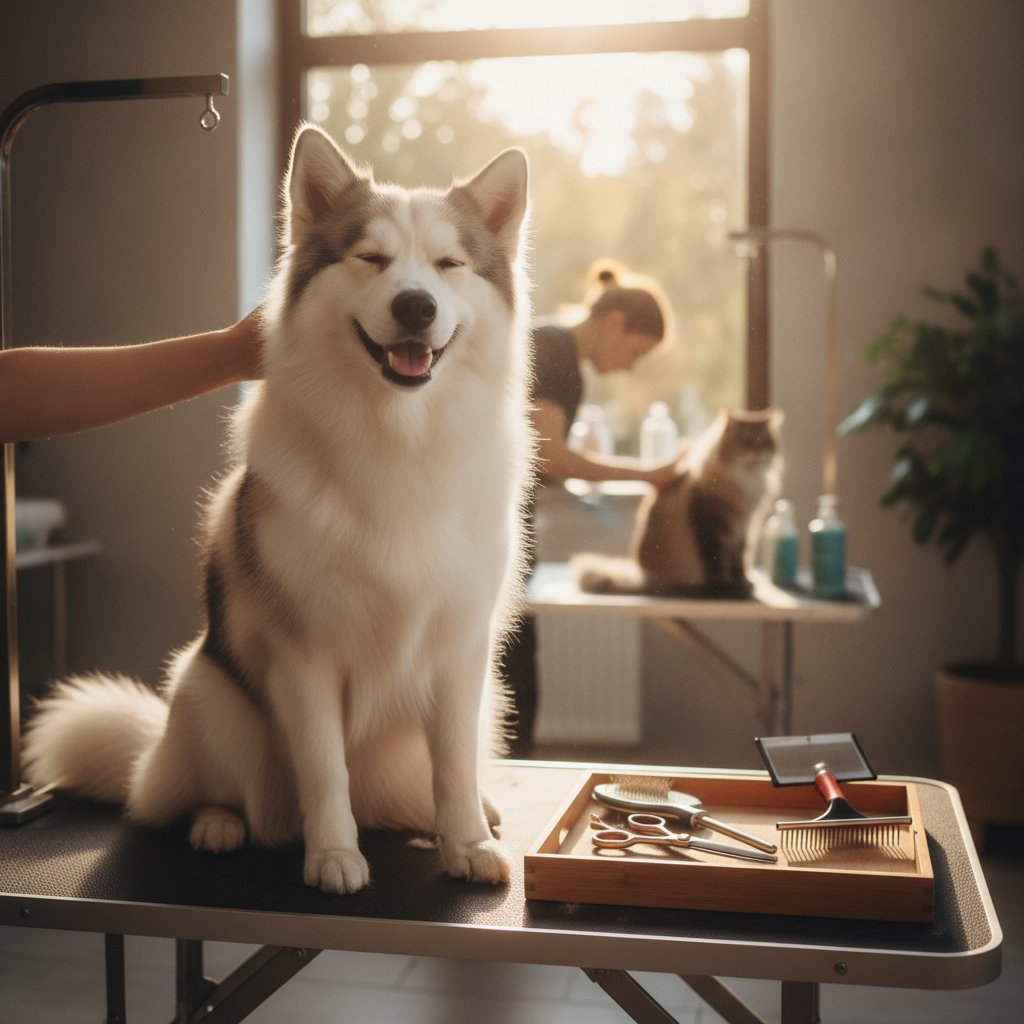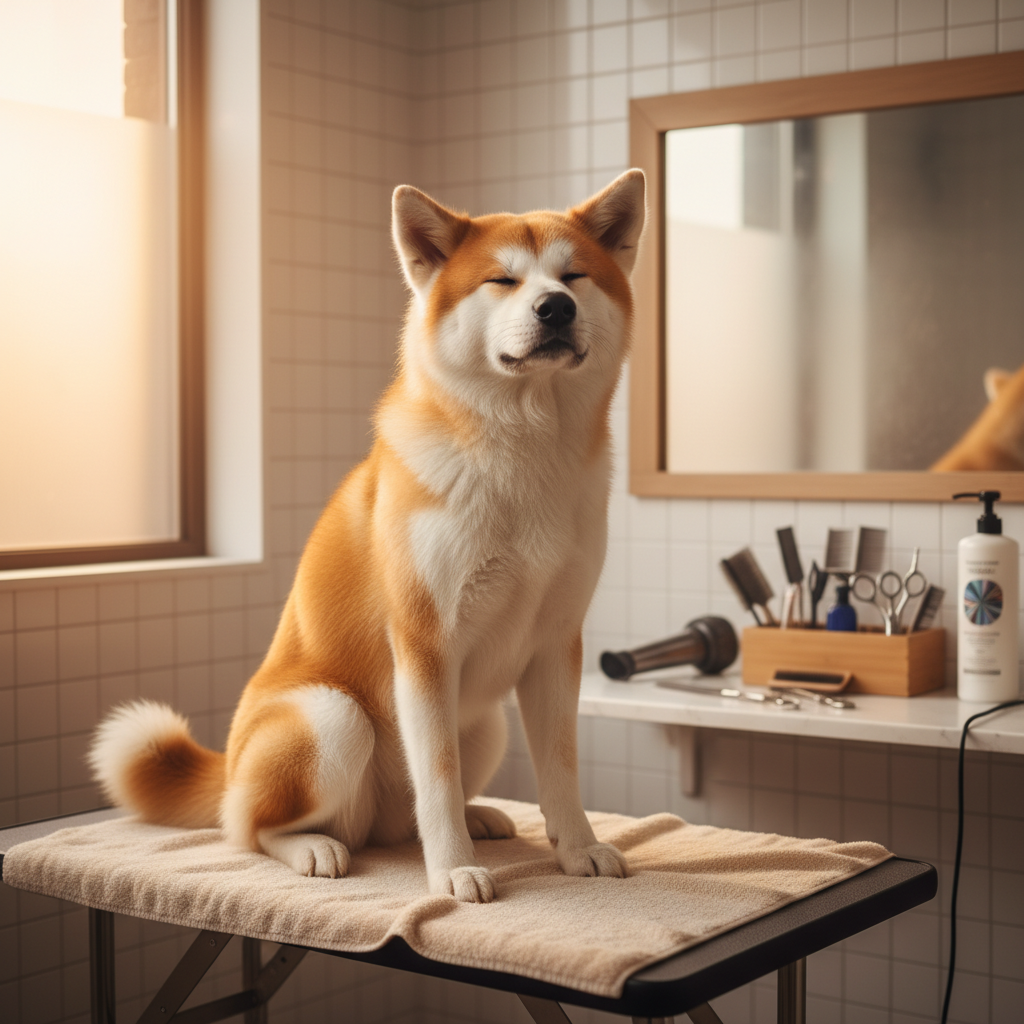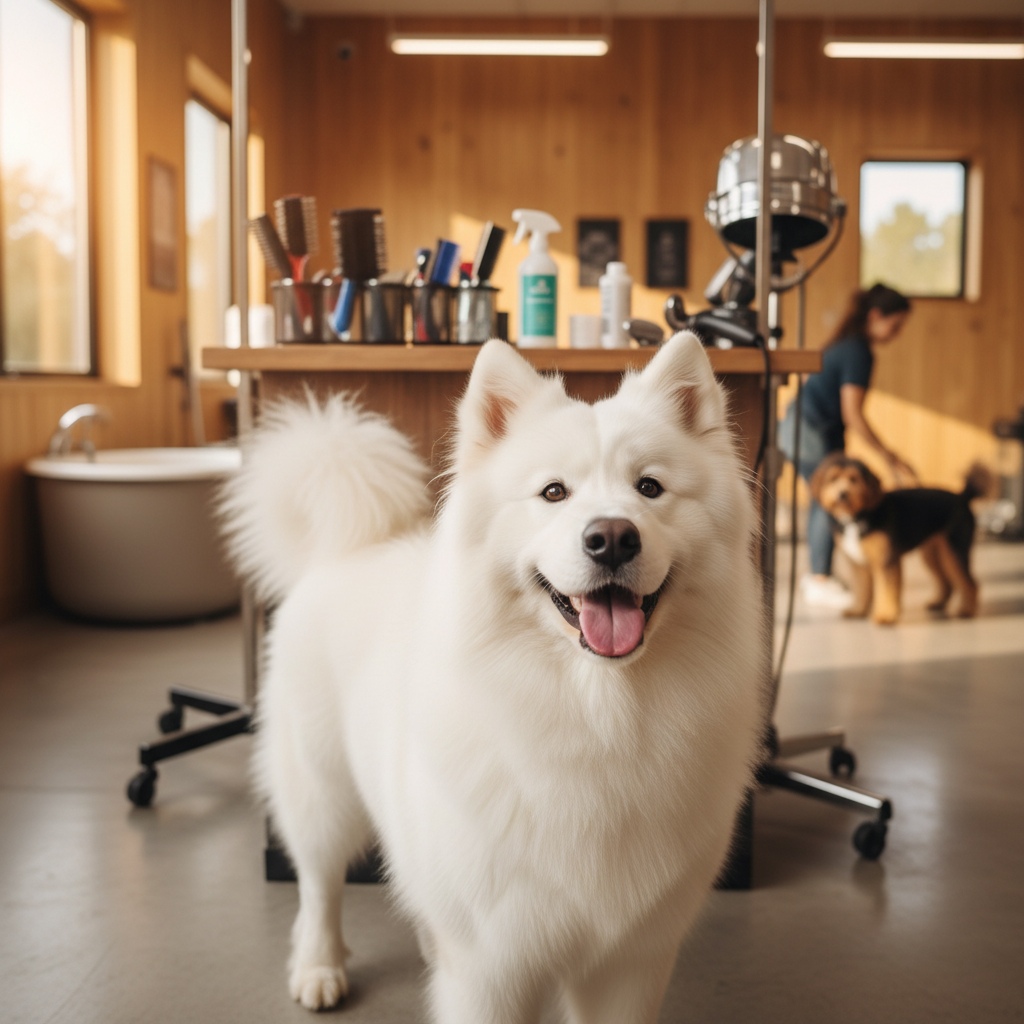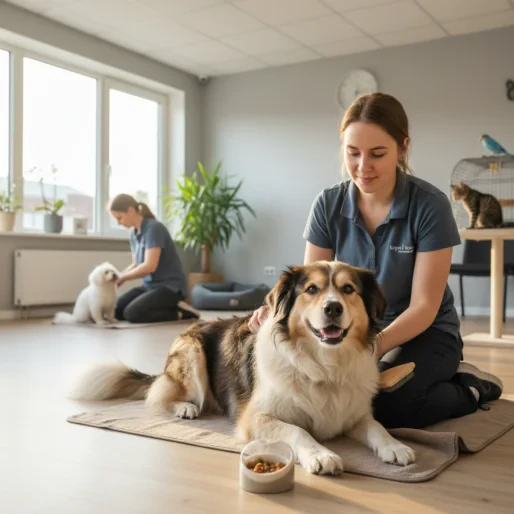
Australian dogs face unique grooming challenges from extreme heat, coat care needs, and seasonal stressors. This guide covers cooperative care training, finding qualified groomers, and managing anxiety in the Australian context.
Key Takeaways
- Cooperative care training gives dogs a sense of control during grooming, dramatically reducing fear responses, and is endorsed by the Australian Veterinary Association (AVA) as best practice.
- Australia's hot climate means regular grooming is essential for coat health, but heat stress itself can worsen anxiety during grooming sessions.
- Calming supplements available in Australia must be registered or listed with the Australian Pesticides and Veterinary Medicines Authority (APVMA), while veterinary sedation requires a licensed vet.
- Fear Free Certified groomers and Delta Institute trained professionals can be found across major Australian cities.
- Force or punishment during grooming is counterproductive and falls outside the positive reinforcement protocols recommended by Australian dog training bodies such as the Pet Professional Guild Australia (PPGA).
Why Grooming Anxiety Is Common in Australian Dogs
Grooming anxiety in dogs is neither unusual nor a sign of poor temperament. The AVA notes that fear and anxiety during handling are among the most commonly reported behaviour concerns in companion animals. Australian dogs may develop grooming anxiety for several reasons, some of which are shaped by local conditions:
- Lack of early socialisation: Puppies not gently introduced to grooming tools, handling, and salon environments during the critical socialisation window (roughly 3 to 14 weeks of age) are more likely to find these stimuli threatening later. In Australia, where many dogs spend significant time outdoors, they may be well socialised to the environment but not to grooming equipment.
- Heat and discomfort: Australian summers regularly push past 40°C in many regions. Dogs brought in for grooming while already heat stressed, with hot skin and elevated heart rates, are more likely to react negatively. Breeds such as the Australian Shepherd, Border Collie, and Kelpie with dense working coats can find summer grooming particularly confronting.
- Sensory sensitivity: Vibration from clippers, the sound and airflow of dryers, and the sensation of nail trimming can be genuinely overwhelming. Breeds common in Australia such as the Australian Cattle Dog and Kelpie, bred for high alertness, can be especially reactive to sudden sensory input.
- Previous aversive experiences: A single painful or frightening grooming session, such as a clipper nick or forceful restraint, can create a lasting negative association.
- Post tick removal sensitivity: In paralysis tick zones along the eastern coastline, dogs that have had ticks manually removed or experienced clipping around tick attachment sites may develop localised handling sensitivity.
Understanding the root cause helps trainers and owners design the right intervention. A dog who has never been groomed requires a different approach than one who has been traumatised by past handling.
Preparing for Cooperative Care Training
Equipment You Will Need
- High value treats: small, soft, and quickly consumed. Cooked chicken, kangaroo training treats, or small cubes of cheese work well in Australian conditions. In warmer months, choose treats that do not melt or spoil quickly in the heat.
- A treat pouch or small container for easy access
- A non-slip mat for the training surface
- The grooming tools you plan to desensitise to: clippers (switched off initially), a dryer, brushes, combs, nail trimmers
- A chin rest target or platform (optional but useful for cooperative care)
Environment and Timing
In Australia, timing matters more than in temperate climates. Schedule training during the coolest parts of the day, particularly in summer. Early morning or evening sessions are ideal. Avoid practising in direct sun or in rooms without adequate ventilation or air conditioning. Dogs panting heavily from heat are physiologically aroused and less able to learn calmly.
Training should take place in a quiet, familiar space where the dog feels safe. Keep sessions short: typically 2 to 5 minutes for dogs who are already anxious. Owners should also check their own emotional state, as dogs are highly attuned to human stress signals.
Cooperative Care: Step by Step
Cooperative care is a training framework in which the dog is taught to actively participate in its own handling. The approach aligns with Least Intrusive, Minimally Aversive (LIMA) principles and is supported by the PPGA and Delta Institute trained professionals across Australia. The core concept: the dog has a "start button" behaviour (a voluntary action signalling consent) and can withdraw at any time.
Step 1: Teach a Start Button Behaviour
The most common start button is a chin rest: the dog voluntarily places its chin on a hand, platform, or cushion.
- Hold your hand flat at the dog's chin height. Most dogs will investigate with a nose touch. Mark (with a clicker or verbal marker like "yes") and deliver a treat.
- Gradually shape for longer chin contact. Increase duration by half second increments, marking and rewarding each successful repetition.
- Once the chin rest is reliable at 5 to 10 seconds, begin pairing it with very mild handling: a brief touch on the shoulder, a gentle ear stroke.
The critical rule: if the dog lifts its chin, all handling stops immediately. This teaches the dog that it controls the interaction.
Step 2: Introduce Grooming Tools Gradually
Place the grooming tool (brush, clippers turned off, nail trimmer) on the floor several feet away. Allow the dog to investigate voluntarily. Mark and reward any calm interest. Do not push the tool toward the dog or lure the dog directly onto it.
Step 3: Pair the Tool with Positive Outcomes
Once the dog is comfortable near the tool, pick it up calmly and let the dog see it in your hand. Deliver treats simply for the dog remaining relaxed. Gradually begin touching the dog lightly with the tool (still switched off for clippers and dryers):
- Brief touch on a low sensitivity area (shoulder or side), mark, reward.
- Slightly longer contact, mark, reward.
- Move toward more sensitive areas (legs, paws, face) only when the dog remains relaxed at each previous stage.
Step 4: Add Sound and Vibration
For clippers and dryers, the sound is often the most frightening element:
- Turn the clipper or dryer on in an adjacent room while the dog eats treats in the training space. Repeat until the dog shows no reaction.
- Move the running tool closer over multiple sessions, always pairing the sound with treats.
- Once the dog tolerates the sound at close range, introduce the vibration or airflow against the body, starting at the lowest setting on a non-sensitive area.
- Increase intensity and duration in tiny increments. A typical desensitisation timeline for a moderately anxious dog might span 2 to 6 weeks of daily short sessions.
Australian Climate Considerations for Grooming
Australia's climate creates specific grooming demands that can either help or hinder anxious dogs:
- Summer grooming frequency: Dogs with thick coats may need more frequent brushing during the warmer months to prevent matting and heat retention. For double coated breeds common in Australia (Border Collies, Australian Shepherds, Golden Retrievers), regular undercoat removal is important, but shaving is generally not recommended as it disrupts the coat's natural insulation and UV protection.
- Bushfire smoke periods: During bushfire season, dogs may come inside with ash and particulates in their coats. Gentle wipe downs with damp cloths can reduce the need for full baths during already stressful smoky periods.
- Tropical considerations: In Queensland, the Northern Territory, and northern Western Australia, humidity promotes skin infections and coat issues. Regular grooming helps, but anxious dogs in these regions benefit from shorter, more frequent sessions rather than lengthy overhauls.
- Post swim grooming: Many Australian dogs swim regularly in the ocean, rivers, or pools. Salt and chlorine residue should be rinsed promptly, which means water shy or grooming anxious dogs need specific desensitisation to rinsing.
Sedation and Calming Supplements in Australia
When behavioural training alone is not sufficient, pharmacological support may be considered. It is important to understand the Australian regulatory context.
Calming Supplements
Over the counter calming supplements available in Australia may contain ingredients such as L-theanine, casein derived peptides, tryptophan, or valerian. Products marketed for animal use in Australia should be registered or listed with the APVMA. Supplements are not a substitute for behavioural modification and work best as an adjunct to training. Results vary between individual dogs, and the evidence base for many supplements remains limited.
Veterinary Sedation
For dogs whose fear is severe enough to risk injury, veterinary sedation may be the most humane option. In Australia, sedation must always be prescribed and monitored by a registered veterinarian. Common scenarios include:
- Dogs with a history of bite risk during grooming
- Dogs exhibiting extreme physiological stress (trembling, excessive drooling, loss of bladder control)
- Medical grooming procedures such as mat removal where pain is likely
- Cases where behavioural training has been consistently attempted but insufficient progress has been made
The AVA recognises that chemical restraint, used appropriately, can be a welfare positive choice compared to the distress of forced handling. Owners should never administer human medications to dogs. Breed specific drug sensitivities, particularly the MDR1 gene mutation found in some Australian Shepherds, Collies, and related breeds common in Australia, make self medication dangerous.
Animal Emergency Service (AES)
Call the Animal Emergency Service or find your nearest 24-hour emergency vet clinic.
AES operates in QLD, NSW, and VIC. For other states, search for your nearest after-hours veterinary hospital.
Finding a Qualified Groomer in Australia
While the Fear Free certification programme operates internationally and certified groomers can be found in Australian cities through the Fear Free Pets directory, there are also local indicators of quality:
- Groomers who have completed courses through the National Dog Trainers Federation (NDTF) or similar Australian registered training organisations
- Membership of the Pet Industry Association of Australia (PIAA), which maintains grooming standards
- Willingness to break grooming into multiple shorter sessions for anxious dogs
- Use of low stress handling techniques: quieter dryers, pheromone diffusers, non-slip surfaces, and adequate air conditioning
- Transparent communication about what happened during the session
When evaluating any groomer, these questions help assess their approach:
- "What do you do if a dog panics during grooming?"
- "Are you willing to split the grooming into multiple shorter visits?"
- "Do you use any form of physical correction or restraint beyond a grooming loop?"
- "Can I observe a session or stay with my dog?"
Any groomer who dismisses fear signals, uses phrases like "the dog just needs to learn," or refuses to let you observe should be avoided.
When to Seek Professional Help
Owners should seek help from a qualified professional when:
- The dog shows aggression (growling, snapping, biting) during grooming attempts
- Desensitisation has been consistently practised for several weeks without measurable improvement
- The dog's grooming anxiety is part of a broader generalised anxiety pattern
- The owner feels uncertain about reading the dog's body language or stress signals
In Australia, look for trainers with qualifications such as the Delta Institute Certificate IV in Companion Animal Services, or those listed on the PPGA or IAABC directories. Veterinary behaviourists registered with the Australian and New Zealand College of Veterinary Scientists (ANZCVS) in the Veterinary Behaviour chapter can conduct comprehensive assessments and coordinate pharmacological support where needed.
Building a Long Term Routine
Successful grooming for anxious dogs is not about one breakthrough session. It is an ongoing practice built into daily life. Brief, positive handling exercises (touching paws, lifting ears, running a brush along the back) paired with treats should become part of the dog's regular routine. In Australia, where outdoor activity is year round and dogs accumulate dirt, sand, and plant material frequently, these micro sessions are especially valuable.
Over time, these short daily exercises build a resilient foundation that makes formal grooming far less stressful. With patience, the right techniques, and a commitment to the dog's emotional safety, even the most anxious dogs can learn to tolerate and sometimes enjoy grooming.
Frequently Asked Questions
How do I find a Fear Free Certified groomer in Australia? ↓
Is it safe to use calming supplements for my dog before grooming in Australia? ↓
How does Australian heat affect grooming anxiety in dogs? ↓
When should I ask my Australian vet about sedation for grooming? ↓
How long does cooperative care training take for an anxious dog? ↓

Mark Sullivan
Certified Professional Dog Trainer
Certified professional dog trainer — positive-reinforcement methods for every breed and behavioural challenge.
Content Disclosure
This article was created using state-of-the-art AI models with human editorial oversight. It is intended for informational and entertainment purposes only and does not constitute veterinary medical advice. Always consult a licensed veterinarian for your pet's specific health needs. Learn more about our process.