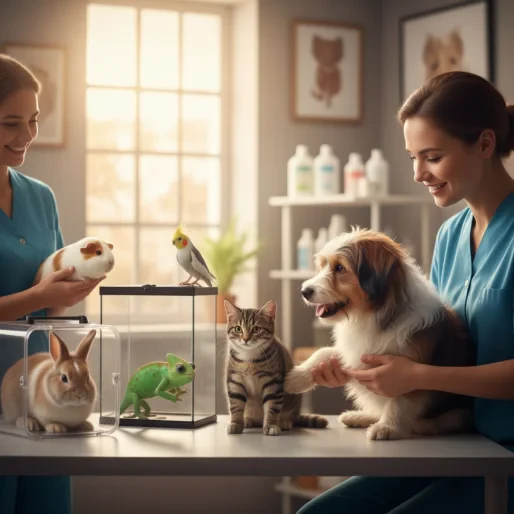
A comprehensive emergency guide for pet sitters in Australia, covering snake bites, paralysis ticks, extreme heat risks, and the critical first response protocols needed when the owner is away. Includes consent form essentials and a quick reference card adapted for Australian veterinary services.
Key Takeaways
- Australia presents unique pet emergencies including eastern brown snake envenomation, paralysis tick toxicity, and severe heatstroke at temperatures above 40°C, all of which require urgent veterinary intervention.
- A signed emergency veterinary consent form is the single most important document a pet sitter should have before any sitting engagement begins.
- Pet sitters should follow the 3 C rule: Check the pet, Call the vet, Contact the owner in that order, never delaying treatment to reach the owner first.
- The Animal Poisons Helpline (1300 869 738) operates 24/7 and is the Australian equivalent of the US poison control lines.
- A laminated quick reference card kept with the pet's lead or carrier ensures critical information, including the nearest 24 hour emergency vet, is accessible under stress.
Why Australian Pet Emergencies Are Different
Australia's environment creates a distinct set of hazards that pet sitters elsewhere rarely encounter. The eastern brown snake, tiger snake, and red-bellied black snake are responsible for the majority of companion animal envenomations, with clinical signs often deteriorating over 1 to 48 hours after the bite. Paralysis ticks (Ixodes holocyclus), found primarily along the eastern seaboard from North Queensland to northern Victoria, inject a neurotoxin that can cause progressive paralysis and respiratory failure if untreated. During summer, ground temperatures can exceed 60°C on dark surfaces even when the ambient air temperature is around 35°C to 40°C, making paw pad burns and heatstroke serious risks.
Pet sitters operating in Australia must be prepared for these region-specific threats on top of the standard emergencies, such as choking, seizures, allergic reactions, and gastric dilatation volvulus (GDV), that occur worldwide.
Recognising a Genuine Pet Emergency in Australian Conditions
The Australian Veterinary Association (AVA) supports the principle that early veterinary intervention dramatically improves outcomes. Any of the following signs in a dog, cat, bird, or pocket pet should be treated as time sensitive:
- Pale, white, blue, or brick red gums with a capillary refill time (CRT) greater than two seconds
- Uncontrolled or pulsatile bleeding
- Loss of consciousness or collapse
- Difficulty breathing, open mouth breathing in cats, or gasping respirations
- Seizures lasting more than two to three minutes, or cluster seizures
- Inability to urinate (especially in male cats)
- Non-productive retching with a swollen, taut abdomen (suspected GDV)
- Sudden hind limb paralysis, particularly in cats (possible aortic thromboembolism)
- Severe allergic reaction with facial swelling, hives, vomiting, or respiratory distress
- Trauma from a vehicle strike, fall from height, or animal attack
Australia-Specific Red Flags
- Snake bite: Sudden collapse, dilated pupils, vomiting, trembling, or hind limb weakness. The pet may initially appear to recover before deteriorating. Do not attempt to identify or catch the snake.
- Paralysis tick: Change in bark or meow (voice change), wobbly hind legs, regurgitation, laboured breathing, or excessive salivation. Signs typically worsen over 24 to 72 hours.
- Heatstroke: Excessive panting, drooling, bright red gums, staggering, vomiting, or collapse. Brachycephalic breeds (Bulldogs, Pugs, French Bulldogs, Persian cats) are at significantly higher risk.
- Cane toad poisoning (tropical Queensland and northern regions): Profuse drooling, pawing at the mouth, bright red gums, disorientation, or seizures.
If any of these signs are present, do not wait for the owner to call back. Proceed directly to the nearest emergency veterinary facility.
Animal Emergency Service (AES)
Call the Animal Emergency Service or find your nearest 24-hour emergency vet clinic.
AES operates in QLD, NSW, and VIC. For other states, search for your nearest after-hours veterinary hospital.
Decision Authority for Pet Sitters Under Australian Conditions
What a Pet Sitter Can and Should Decide Independently
When an owner is unreachable, the pet sitter becomes the de facto advocate for the animal. Australian animal welfare legislation across all states and territories supports the principle that emergency stabilisation should never be delayed for lack of explicit owner authorisation. A pet sitter acting in good faith may:
- Transport the pet to the nearest emergency veterinary clinic
- Authorise initial triage, diagnostics (radiographs, blood tests, snake venom detection kits), and pain management
- Consent to life-saving interventions if a signed consent form is on file
- Administer basic first aid: applying direct pressure to wounds, keeping a suspected snake bite patient calm and still, or cooling a hyperthermic pet with tepid (not ice cold) water
Where Authority Typically Ends
Without explicit written consent, most veterinary clinics will stabilise an animal but may hesitate to proceed with major surgery, euthanasia decisions, or treatments exceeding a pre-agreed financial cap. Antivenom for snake bites can cost $1,000 to $3,000 AUD or more per vial, and some cases require multiple vials. This makes pre-agreed financial authorisation particularly important in Australia.
Emergency Consent Forms: What Australian Owners Must Provide
Before a sitting engagement begins, owners should complete a written emergency consent form including:
- Pet identification: Name, species, breed, age, weight in kg, and microchip number (for keeping microchip records current, see our Pet Microchip Data for Moving to Australia: 2026)
- Primary and secondary emergency contacts: At least two phone numbers, plus a backup decision maker
- Regular veterinarian details: Clinic name, address, phone number
- Preferred 24 hour emergency clinic: Name, address, and phone number
- Known medical conditions and current medications: Include dosages in mg/kg and administration schedules
- Known allergies: Drug allergies, food sensitivities, vaccine reactions
- Financial authorisation: A stated maximum in AUD the sitter may authorise (e.g., "up to $3,000 AUD for stabilisation and diagnostics, including antivenom if required")
- Surgical consent: Whether the sitter may consent to emergency surgery if the owner cannot be reached within a specified window (e.g., 60 minutes)
- Tick prevention status: Current tick preventative product, brand, and date of last application
- Do Not Resuscitate (DNR) preferences: Especially relevant for senior pets or those with terminal conditions
- Owner signature and date
A printed, signed copy should stay with the pet's documents, and a digital copy should be stored on the sitter's phone.
The 3 C Rule: Immediate First Response
1. Check the Pet
Assess airway, breathing, and circulation (the veterinary ABCs):
- Airway: Is the pet choking, gagging, or pawing at the mouth?
- Breathing: Normal resting respiratory rates are typically 15 to 30 breaths per minute for dogs and 20 to 40 for cats. Rates above 50 to 60 per minute at rest are cause for concern.
- Circulation: Check gum colour. Pink is normal. White, blue, grey, or brick red gums indicate a potentially life-threatening problem. Press the gum with your finger; colour should return in under two seconds.
2. Call the Vet
Contact the emergency veterinary clinic before you leave. Tell them the species, breed, approximate weight in kg, what happened, current symptoms, whether a snake bite or tick is suspected, and your estimated arrival time. For suspected poisoning, also call the Animal Poisons Helpline on 1300 869 738, which operates around the clock.
3. Contact the Owner
After stabilising and initiating transport, attempt to reach the owner via phone, text, and email. Try the backup decision maker. Keep trying at intervals, but never delay transport to keep calling.
First Response: Snake Bites
With prompt treatment, veterinary data suggests around 80% to 90% of pets survive snake envenomation. The key is speed.
- Keep the pet as still as possible. Movement accelerates venom absorption through the lymphatic system. Carry the pet to the car; do not let them walk.
- Do not apply a tourniquet, cut the wound, or attempt to suck out venom. These outdated practices cause harm.
- Do not wash the bite site. Veterinary teams use snake venom detection kits (SVDKs) on the wound to identify the snake species and select the correct antivenom.
- Note the time of the bite and any description of the snake if it was seen, but never attempt to capture or kill it.
- Transport immediately. Envenomation can progress from apparent wellness to respiratory failure rapidly.
First Response: Paralysis Ticks
Paralysis ticks are most active from spring through autumn along the east coast, though climate variability is expanding their range.
- If you find a tick, remove it immediately using fine-tipped tweezers or a tick removal tool. Grasp the tick as close to the skin as possible and pull steadily upward without twisting.
- Do not apply methylated spirits, kerosene, or nail polish to the tick before removal, as this can cause the tick to inject more toxin.
- Keep the pet calm and restrict movement. Stress and activity worsen tick paralysis symptoms.
- Do not offer food or water if the pet is showing any signs of paralysis, as regurgitation and aspiration pneumonia are common complications.
- Transport to the vet promptly, even after tick removal, as symptoms can continue to worsen for 24 to 48 hours after the tick is detached.
First Response: Heatstroke
Australian summers regularly push temperatures above 40°C in many regions. Heatstroke kills quickly.
- Move the pet to shade or an air-conditioned space immediately.
- Apply tepid (not cold) water to the groin, armpits, and paw pads. Place wet towels on these areas and replace them frequently, as towels left in place trap heat.
- Offer small amounts of cool water if the pet is conscious and able to drink. Do not force water into the mouth.
- Do not use ice or ice water, which causes peripheral vasoconstriction and can actually slow cooling.
- Transport to the emergency vet even if the pet appears to improve. Internal organ damage from heatstroke may not be immediately visible. For detailed cooling protocols and breed-specific risk factors, refer to our Heatstroke in Dogs: Cooling Protocols and Breed Risks guide.
First Response: Seizures
- Do not restrain the pet or put your hands near the mouth.
- Clear the area of furniture, sharp objects, and other animals.
- Time the seizure using your phone. Seizures lasting more than 2 to 3 minutes, or clusters without full recovery between episodes, are emergencies.
- Keep the environment calm: dim lights, reduce noise.
- After the seizure ends, the pet will likely be disoriented (postictal phase). Keep them in a quiet, safe space.
- Rush to the emergency vet for a first-ever seizure, any seizure over 2 to 3 minutes, more than one seizure in 24 hours, seizure following suspected poisoning, or if the pet does not return to normal within 30 minutes.
Getting to the Emergency Vet Safely
- Cats and small pets: Secure in a carrier lined with a towel. If no carrier is available, a pillowcase (loosely closed) can serve as temporary containment for cats.
- Large dogs: Use a blanket as a makeshift stretcher. Keep the pet on their side if unconscious. For suspected snake bites, minimise all movement.
- Birds and exotics: Transport in a small, dark, ventilated container. Minimise handling, as stress alone can be fatal to birds.
- Drive calmly. Call ahead so the veterinary team is prepared at the door.
Before any sitting engagement begins, the sitter should save the emergency clinic address in their phone's navigation app and do a practice drive if the route is unfamiliar. For related guidance on stress recognition, see Canine Body Language: A Guide for Daycare Staff.
Laminated Quick Reference Card (Australian Version)
PET EMERGENCY QUICK REFERENCE CARD
Pet Name: _______________ Species/Breed: _______________
Weight (kg): _______ Age: _______ Microchip #: _______________
Owner Name: _______________ Phone: _______________
Backup Contact: _______________ Phone: _______________
Regular Vet: _______________ Phone: _______________
24hr Emergency Vet: _______________ Phone: _______________
Emergency Clinic Address: _______________
Known Allergies: _______________
Current Medications: _______________
Tick Prevention (product and last applied): _______________
Authorised Spending Limit: $ _______________ AUD
Surgery Consent (Yes/No): _______________
EMERGENCY ACTION STEPS
- CHECK the pet: Airway, Breathing, Circulation (gum colour, CRT)
- CALL the emergency vet clinic (number above)
- CONTACT the owner and backup contact
- TRANSPORT safely: carrier for small pets, blanket stretcher for large dogs
- BRING this card, consent form, and any ingested substance packaging
RED FLAGS: GO TO THE VET IMMEDIATELY
- White, blue, or grey gums
- Difficulty breathing or open mouth breathing (cats)
- Seizure lasting more than 2 to 3 minutes
- Collapse or loss of consciousness
- Non-productive retching with swollen abdomen
- Uncontrolled bleeding
- Suspected snake bite or paralysis tick signs
- Signs of heatstroke (excessive panting, staggering, bright red gums)
Animal Poisons Helpline: 1300 869 738 (24/7)
Final Preparation Checklist for Australian Pet Sitters
- Obtain and review the signed emergency consent form before the owner leaves
- Confirm you have at least two emergency contact numbers
- Save the 24 hour emergency vet clinic address in your phone's navigation app
- Save the Animal Poisons Helpline number: 1300 869 738
- Know where the pet's carrier, lead, and medications are stored
- Review the laminated quick reference card
- Ask about current tick and flea prevention (product name, last dose date, next dose due)
- Ask about known medical conditions, behavioural triggers, and any history of seizures, allergies, snake encounters, or tick paralysis
- Confirm whether the property is in a known snake or paralysis tick area
- Discuss the financial authorisation limit openly, including whether antivenom costs are covered
- During summer, plan walks for early morning or after sunset and always check pavement temperature with the back of your hand
Preparation is the most effective form of emergency medicine. The time invested before an emergency determines how quickly and effectively a sitter can respond during one. For context on emergency costs and broader pet ownership expenses, refer to our New Pet Budget 2026: First Year Costs in Australia.
Frequently Asked Questions
What should a pet sitter do if a dog is bitten by a snake in Australia? ↓
How do I recognise paralysis tick symptoms in a pet I am sitting? ↓
Is a pet sitter legally allowed to authorise emergency vet treatment in Australia? ↓
What is the Australian poison control number for pets? ↓
How much does emergency snake antivenom cost for pets in Australia? ↓

Dr. Ana Reyes
Emergency & Critical Care Veterinarian
Emergency and critical care veterinarian — life-saving first-aid guidance and emergency recognition for pet owners.
Content Disclosure
This article was created using state-of-the-art AI models with human editorial oversight. It is intended for informational and entertainment purposes only and does not constitute veterinary medical advice. Always consult a licensed veterinarian for your pet's specific health needs. Learn more about our process.