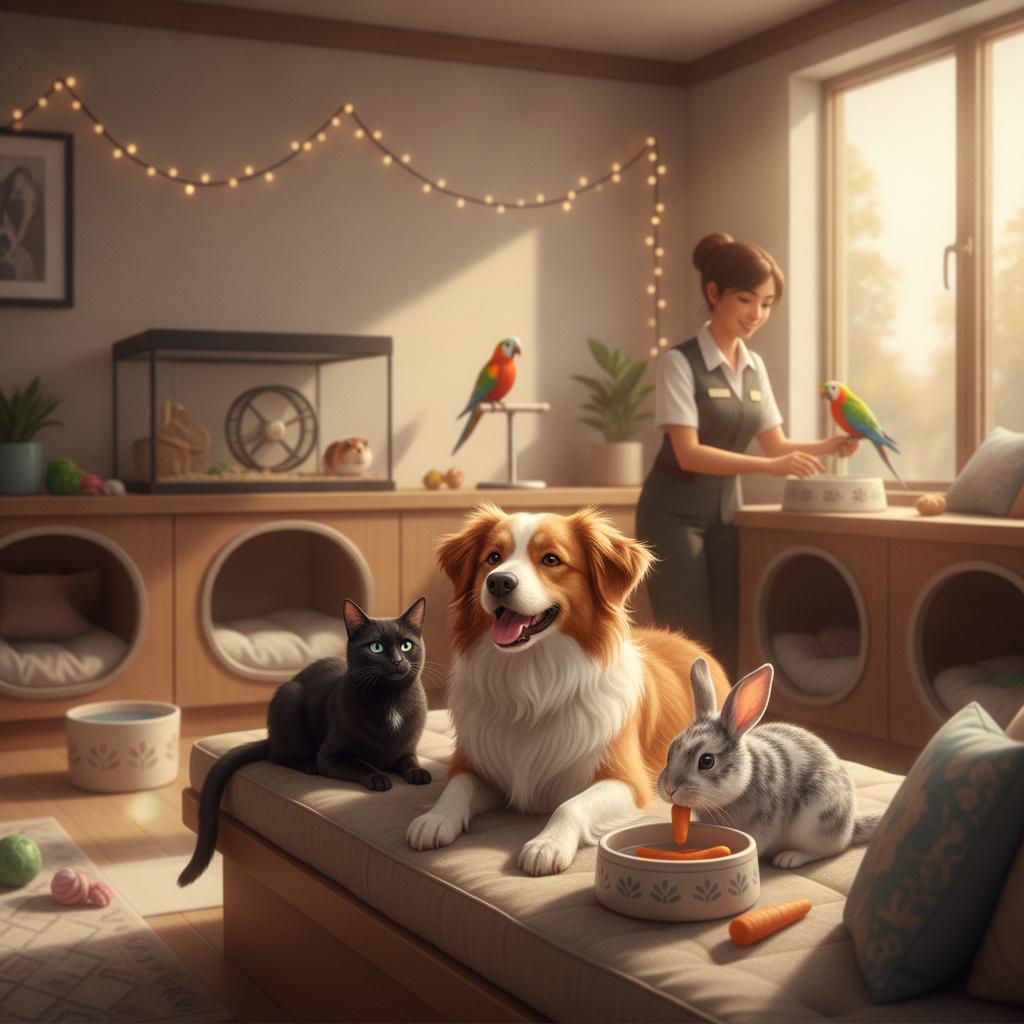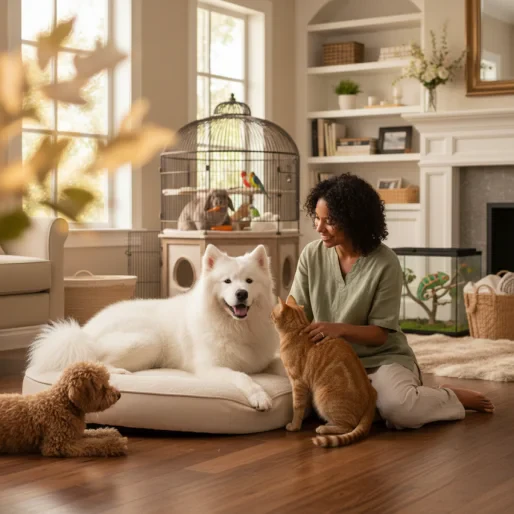
Late spring in Australia brings Melbourne Cup weekend, school holidays, and the lead-up to the Christmas rush, creating peak demand for pet sitters and boarding. Here is how to plan ahead, vet your sitter, and manage seasonal hazards like paralysis ticks and rising heat.
Key Takeaways
- Book boarding 8 to 12 weeks ahead for Melbourne Cup long weekend, November school holidays, and the Christmas lead-up period.
- Vet your pet sitter thoroughly using Pet Industry Association of Australia (PIAA) resources, insurance verification, and a mandatory meet and greet.
- Account for Australian seasonal hazards including paralysis ticks on the east coast, snake activity, rising temperatures, and high UV exposure.
- Prepare a written handover packet covering feeding, medication, vet contacts, behavioural notes, and local emergency clinic details.
- Anxious and elderly pets need special protocols including gradual introductions, scent items, heat management, and a clear emergency escalation plan.
Why Late Spring Is a Crunch Period for Australian Pet Owners
In Australia, late spring falls across October and November, bringing a run of public holidays and travel triggers that create serious competition for pet care. The Melbourne Cup long weekend (first Tuesday in November, a public holiday in Victoria) kicks off a wave of getaways. In several states, the school term ends in early to mid-December, prompting families to book trips from November onward. Add to this the general ramp-up toward Christmas and New Year, and late spring becomes one of the tightest booking windows of the year for boarding kennels, catteries, and professional pet sitters across the country.
Urban centres like Sydney, Melbourne, Brisbane, and Perth are especially competitive. Popular boarding facilities in these areas can fill their late spring and summer slots months in advance, particularly those meeting Australian Veterinary Association (AVA) recommended standards or holding Fear Free certification.
Booking Timelines for Australian Late Spring Travel
8 to 12 Weeks Before Travel
This is the ideal window. Top-rated facilities and experienced in-home sitters in capital cities often open their November and December calendars by August. Booking early also allows time for a trial overnight stay, strongly recommended for pets that have never boarded before. Expect to pay between $50 and $90 per night for quality boarding in metro areas, with premium facilities and those offering veterinary supervision charging upward of $100 per night.
4 to 8 Weeks Before Travel
Availability tightens noticeably. Owners booking in this range should contact multiple providers and may need to widen their search radius by 20 to 30 km. Fear Free Certified facilities and those with dedicated veterinary staff are typically fully committed by this point.
2 to 4 Weeks Before Travel
Options are limited. Consider host-family boarding or newer sitters with fewer reviews but verifiable credentials. A meet and greet is even more critical here because the relationship is being built on a compressed timeline.
Under 2 Weeks Before Travel
This is last-minute territory. See the section on last-minute alternatives below.
Australian Seasonal Hazards to Brief Your Sitter On
Late spring in Australia introduces specific risks that differ significantly from other regions. Any sitter caring for your pet during this period must be briefed on the following.
Paralysis Ticks
Paralysis ticks (Ixodes holocyclus) are most active along the east coast from September through February, with peak activity in November and December. Areas from Far North Queensland through coastal New South Wales and into eastern Victoria are highest risk. Symptoms of tick paralysis include a change in bark or meow, wobbliness in the hind legs, difficulty swallowing, vomiting, and progressive weakness. This is a veterinary emergency requiring immediate treatment. Ensure your pet's tick prevention is current before handover and leave clear instructions for your sitter on the product used, the application schedule, and what symptoms to watch for. Your sitter should know how to perform a daily tick search, paying attention to the head, neck, ears, gums, and between the toes.
Snake Activity
Brown snakes, tiger snakes, and red-bellied black snakes become increasingly active in late spring as temperatures rise. Pets exercised in bushland, near waterways, or in semi-rural properties are at heightened risk. Your sitter should keep dogs on lead in known snake habitat and avoid walking during the warmest parts of the day when snakes are most active. Signs of snakebite include sudden collapse, dilated pupils, trembling, vomiting, and blood in urine. Snakebite requires immediate veterinary intervention.
Animal Emergency Service (AES)
Call the Animal Emergency Service or find your nearest 24-hour emergency vet clinic.
AES operates in QLD, NSW, and VIC. For other states, search for your nearest after-hours veterinary hospital.
Heat and UV
November temperatures in inland areas regularly exceed 35°C, and heatwaves pushing above 40°C are not uncommon. Brachycephalic breeds (Bulldogs, Pugs, French Bulldogs, Cavalier King Charles Spaniels) and thick-coated breeds (Siberian Huskies, Samoyeds, Chow Chows) are at elevated risk of heat stress. Your handover packet should specify that walks are restricted to early morning (before 8 am) or evening (after 6 pm), that fresh water must be available at all times, and that your pet should never be left in a vehicle or direct sun. Paw pad burns from hot pavement are common; the five-second rule (if the surface is too hot for the back of your hand for five seconds, it is too hot for paws) should be included in your sitter's instructions.
Finding and Vetting a Pet Sitter in Australia
Where to Search
- PIAA member directory: The Pet Industry Association of Australia maintains a directory of member businesses, including boarding facilities and pet sitters operating under recognised industry standards.
- AVA veterinary clinic referrals: Many Australian veterinary practices keep a list of trusted local sitters. This is often the most reliable referral channel.
- Platform-based services: Online pet-sitting marketplaces operating in Australia offer review systems, identity verification, and booking insurance. Filter for sitters with verified police checks, strong review histories, and confirmed insurance coverage.
- Local community networks: Suburb-specific social media groups and breed clubs (such as state-based Greyhound Adoption groups or breed-specific clubs affiliated with the Australian National Kennel Council) can surface experienced sitters who rely on community reputation.
Verification Checklist
- Insurance: The sitter or facility should carry public liability insurance specifically covering pet care activities. Standard home and contents insurance typically does not cover professional pet sitting. Ask for a certificate of currency.
- Police check: A National Police Certificate or state-equivalent Working with Vulnerable People check (where applicable) is a reasonable baseline expectation for anyone entering your home.
- First aid certification: Pet first aid and CPR certification from a recognised Australian provider. Fear Free Pets certification is a strong indicator of low-stress handling training.
- References: Request and contact at least two recent client references. Ask about communication, reliability, and how the sitter handled unexpected issues.
- Contract: A professional sitter should provide a written service agreement covering responsibilities, cancellation terms, liability, and emergency authorisation.
- Meet and greet: This is non-negotiable. The sitter should meet your pet in your home or at their facility. Observe how the sitter interacts with your pet, whether they ask detailed questions, and whether your pet appears at ease.
Preparing Your Handover Packet
The AVA and professional pet care bodies recommend that owners provide the following in writing, not just verbally.
- Feeding instructions: Brand, type, and quantity of food per meal in grams or cups. Include treat limits, foods to avoid (macadamia nuts and grapes are common Australian pantry items that are toxic to dogs), and the location of food supplies.
- Medication schedule: Drug name, dosage in mg or ml, timing, and method of administration. Include a demonstration during the meet and greet for any technique-dependent medications.
- Tick and parasite prevention: Product name, date of last application, and next due date. Specify whether the product is oral or topical.
- Veterinary information: Name, address, and phone number of your regular vet. Include your pet insurance policy number and provider. Provide a signed authorisation form allowing the sitter to seek emergency veterinary treatment in your absence.
- Behavioural notes: Triggers, fears, calming strategies, and any known reactivity. Note comfort level with other animals, strangers, storm noise, and fireworks (relevant for New Year's Eve if your trip extends).
- Daily routine: Walk times, play preferences, sleep location, and any rituals.
- Identification: Confirm your pet's microchip registration is current with the relevant state registry (e.g., NSW Pet Registry, Queensland DAF). Microchipping is mandatory in all Australian states and territories. Ensure collar ID tags display a reachable phone number.
Emergency Escalation Plan
Every pet-sitting arrangement should include a three-tier written emergency plan:
- Tier 1 (non-urgent): Sitter contacts the owner via the agreed channel. Examples: mild digestive upset, minor behavioural changes, a skipped meal.
- Tier 2 (urgent, not critical): Sitter contacts the owner and the designated local backup contact. If the owner is unreachable within 30 to 60 minutes, the sitter moves to Tier 3. Examples: persistent vomiting, limping, refusal to eat for more than 24 hours, suspected tick attachment.
- Tier 3 (emergency): Sitter takes the pet directly to the designated emergency veterinary hospital without waiting for owner confirmation. The signed veterinary authorisation form covers this scenario. Examples: suspected snakebite, tick paralysis symptoms, heatstroke, seizure, collapse, difficulty breathing, suspected poisoning.
Provide the address and opening hours of both your regular vet and the nearest 24-hour emergency veterinary hospital. For owners of elderly or medically complex pets, discussing end-of-life preferences with your sitter in advance is strongly advisable.
Special Considerations for Anxious and Elderly Pets
Anxious Pets
- Gradual introduction: Schedule at least two short visits from the sitter before departure. This is especially important for rescue dogs, which make up a significant proportion of the Australian pet population through organisations such as RSPCA Australia and state-based rescue groups.
- Scent comfort: Leave an unwashed item of your clothing near your pet's sleeping area.
- Routine preservation: Maintain feeding, walking, and sleep schedules as closely as possible.
- Calming aids: Discuss veterinary-approved options with your vet before departure. These may include pheromone diffusers (such as Adaptil for dogs or Feliway for cats), calming supplements, or prescribed anxiolytic medication for severe cases.
- Storm season awareness: Late spring and early summer bring thunderstorm activity across much of eastern and northern Australia. If your pet is storm-phobic, include storm protocols in the handover packet.
Elderly Pets
- Medication competency: The sitter must be fully trained on all medication protocols during the meet and greet, not just told about them.
- Heat vulnerability: Senior pets are more susceptible to heat stress. Ensure your sitter understands indoor temperature management, access to cool surfaces (tiles, cooling mats), and hydration monitoring.
- Mobility accommodations: Note any ramps, orthopaedic beds, or non-slip mats the pet relies on, and ensure the sitter does not rearrange them.
- Monitoring thresholds: Provide a written list of symptoms that warrant a vet visit. Senior pets can deteriorate quickly, and sitters need clear, pre-authorised decision criteria.
Last-Minute Alternatives
If your travel plans firm up with less than two weeks' notice:
- Veterinary clinic boarding: Many Australian vet practices offer boarding, especially for medically complex pets. These are often less widely advertised and may have availability when dedicated boarding facilities are full.
- Platform urgent matching: Pet-sitting platforms operating in Australia offer last-minute matching features. Filter for sitters with verified police checks, insurance, and strong reviews. A condensed meet and greet (even 30 minutes) is still strongly recommended.
- Trusted friend or family member: They should receive the full handover packet, a walkthrough of all care routines, and the emergency vet authorisation form. Do not assume familiarity with your pet equals competence with medication or emergency response.
Pre-Departure Checklist
- ☐ Written feeding instructions with food supplies stocked (enough for the full trip plus two extra days)
- ☐ Medication supply with labelled doses and schedule
- ☐ Tick and parasite prevention current, with next due date noted
- ☐ Signed emergency veterinary authorisation form
- ☐ Regular vet contact details and 24-hour emergency hospital address
- ☐ Pet insurance policy number and provider contact
- ☐ Behavioural notes, triggers, and storm or heat protocols
- ☐ Daily routine outline including walk time restrictions for heat
- ☐ Spare leash, harness, collar with current ID tag
- ☐ Comfort items (bedding, scent item, favourite toy)
- ☐ Cleaning supplies for accidents
- ☐ Microchip registration confirmed as current with state registry
- ☐ GPS tracker charged and activated (if used)
- ☐ Home access instructions (keys, alarm codes, bin night schedule)
- ☐ Communication expectations agreed (frequency and method of updates)
A calm, structured handover sets the tone for the entire sitting period. Allow 20 to 30 minutes for a proper walkthrough with your sitter. Rushing through this step or relying on verbal instructions alone is one of the most common sources of preventable problems.
Frequently Asked Questions
When should I book pet boarding for late spring travel in Australia? ↓
What seasonal hazards should my pet sitter know about in Australian late spring? ↓
Is pet sitter insurance necessary in Australia? ↓
What identification requirements apply to pets in Australia? ↓
What should I do if I need a pet sitter at the last minute in Australia? ↓

Laura Chen
Pet Sitter & Travel Specialist
Pet sitter and travel specialist — practical logistics, sitter vetting, and anxiety management for travelling pet owners.
Content Disclosure
This article was created using state-of-the-art AI models with human editorial oversight. It is intended for informational and entertainment purposes only and does not constitute veterinary medical advice. Always consult a licensed veterinarian for your pet's specific health needs. Learn more about our process.