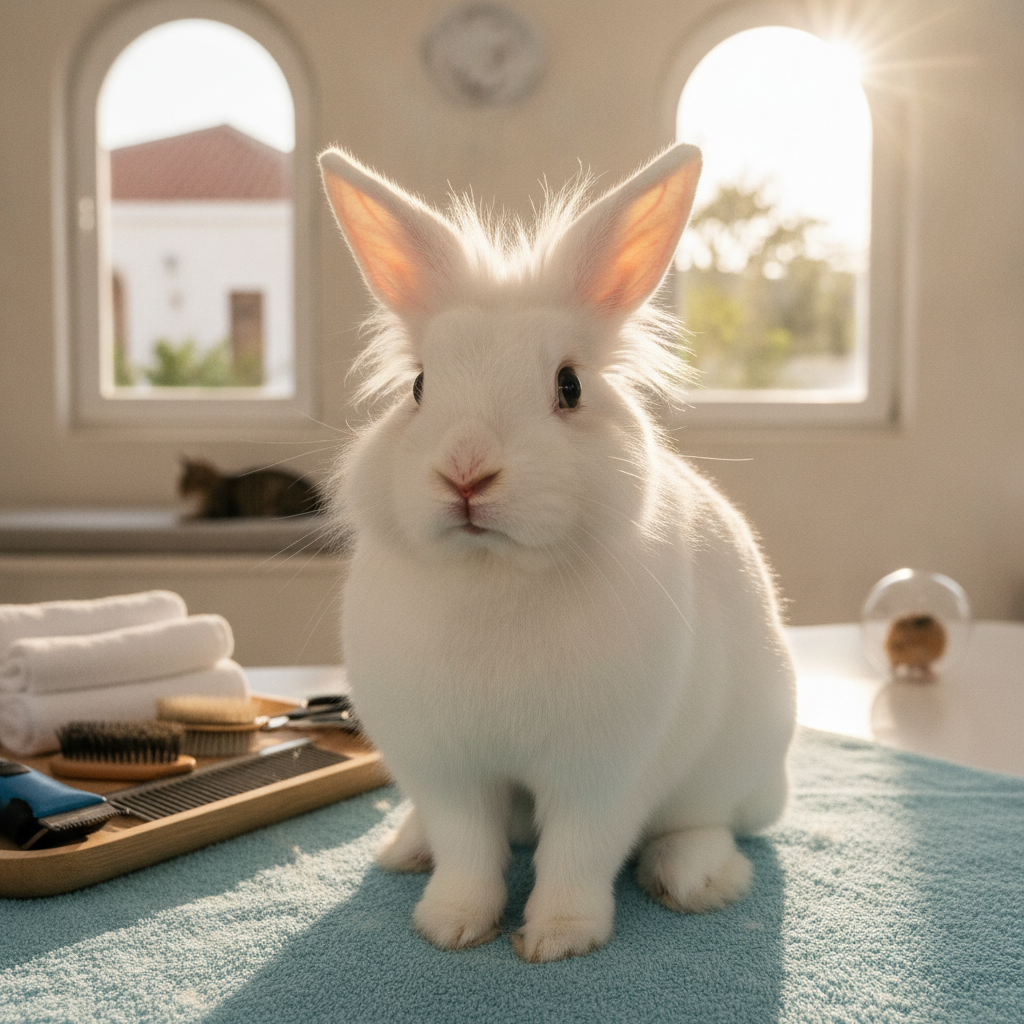
Australian summers regularly push well past 40°C, making rabbits among the most vulnerable pets in the country. This guide covers prevention, emergency cooling, and when to get to an after-hours vet.
Key Takeaways for Australian Rabbit Owners
- Australian summers are uniquely dangerous for rabbits. Heatwaves routinely exceed 40°C across much of the country, far above the 30°C threshold where heat stroke can become fatal within minutes.
- Rabbits cannot pant or sweat effectively. They depend on blood vessel dilation in their ears and increased breathing rate, which are grossly insufficient during extreme Australian heat.
- Frozen water bottles are not enough. They thaw within an hour or two in 40°C heat and only cool a tiny contact area. A multi-layered cooling plan is essential.
- Bushfire smoke compounds the risk. Smoke haze reduces air quality and stresses the respiratory system, lowering a rabbit's ability to cope with heat simultaneously.
- Prevention saves lives; treatment often fails. Even with aggressive emergency veterinary care, survival rates for severe rabbit heat stroke remain poor.
Why Australian Conditions Are Especially Dangerous
Domestic rabbits descend from the European wild rabbit, a species that evolved to escape midday heat in cool underground burrows. In Australia, pet rabbits housed in outdoor hutches have no access to that subterranean refuge, and our summer conditions are far more extreme than anything the species evolved to tolerate.
The Bureau of Meteorology regularly records consecutive days above 40°C in cities like Adelaide, Melbourne, Sydney's western suburbs, and across inland Australia. Overnight minimums during heatwaves can remain above 25°C, meaning rabbits housed outdoors get no reprieve even after sunset. Northern Queensland and the Top End present a different but equally serious challenge: prolonged wet season humidity reduces the effectiveness of evaporative cooling from the ears, the rabbit's primary thermoregulatory mechanism.
The Australian Veterinary Association (AVA) classifies heat stroke as a preventable emergency and encourages owners of all companion animals to have a heat management plan before summer begins.
Critical Temperature Thresholds
- 18°C to 21°C: Ideal comfort zone for pet rabbits.
- 22°C to 25°C: Tolerable, but increase monitoring. Ensure shade and airflow.
- 26°C to 29°C: Active heat stress zone. Cooling measures must already be operating.
- 30°C and above: Danger zone. Heat stroke can develop within 15 to 30 minutes.
- 35°C to 45°C (common in Australian summers): Potentially lethal in minutes for any rabbit left without climate control. Outdoor hutches should not be used at all in this range.
Normal rabbit rectal temperature sits between approximately 38.5°C and 40.0°C. A reading above 40.5°C indicates heat stress. Above 41.5°C, organ damage may already be underway.
High-Risk Breeds in the Australian Climate
All rabbits are vulnerable, but certain breeds commonly kept in Australia face elevated risk:
- Angoras and Cashmere breeds: Dense, heavy coats trap heat. These breeds should be kept exclusively indoors with air conditioning during summer.
- Lop-eared breeds (Mini Lops, Holland Lops): Folded ears reduce the surface area available for heat radiation, severely limiting thermoregulation.
- Flemish Giants and other large breeds: Greater body mass generates more metabolic heat.
- Overweight rabbits and seniors (over six years): Reduced cardiovascular efficiency and compromised organ function increase susceptibility.
Recognising Heat Stroke: Progressive Warning Signs
Stage 1: Early Heat Stress (Intervene Immediately)
- Rapid breathing with nostrils flaring
- Ears hot to touch and visibly flushed
- Stretching out flat on cool surfaces
- Reduced appetite or food refusal
- Warm, damp nose
Stage 2: Moderate Heat Stroke (Veterinary Attention Urgent)
- Open-mouth breathing: a critical danger sign, as rabbits are obligate nasal breathers
- Excessive drooling or wetness around the mouth
- Lethargy and reluctance to respond
- Gums appearing pale, dark red, or bluish
Stage 3: Severe Heat Stroke (Life-Threatening)
- Limp, unresponsive body
- Seizures or muscle tremors
- Gasping, irregular breathing
- Bleeding from the nose or mouth
- Loss of consciousness
Any rabbit showing open-mouth breathing, limpness, or seizures requires emergency veterinary care without delay.
Animal Emergency Service (AES)
Call the Animal Emergency Service or find your nearest 24-hour emergency vet clinic.
AES operates in QLD, NSW, and VIC. For other states, search for your nearest after-hours veterinary hospital.
Emergency First Aid: The First 10 Minutes
Begin these steps while someone else contacts an emergency or after-hours veterinary clinic. In Australia, many metropolitan areas have 24-hour emergency animal hospitals. Regional and rural areas may have limited after-hours cover, so identify your nearest emergency service before summer.
- Move the rabbit indoors to air conditioning. If no air conditioning is available, move to the coolest, most shaded room. Place the rabbit on ceramic tiles, a marble slab, or a cool bathroom floor.
- Dampen the ears with cool (not ice-cold) water. Use water around 15°C to 20°C. Gently drip or wipe cool water over both ear surfaces. The ears are the rabbit's primary heat exchange organ.
- Lightly mist the fur. Focus on the belly, inner legs, and feet using a spray bottle. The goal is gentle evaporative cooling.
- Direct a fan toward the rabbit. Moving air enhances evaporation from damp fur and ears.
- Offer cool water in a shallow bowl. Do not syringe water into the mouth of a weak or semiconscious rabbit, as aspiration into the lungs is a serious risk.
- Note the time and symptoms. Record when the rabbit was last seen acting normally, when signs appeared, and the ambient temperature. This information is critical for the veterinary team.
Common Mistakes That Worsen the Emergency
- Do not immerse the rabbit in cold water or apply ice. Extreme cold triggers peripheral vasoconstriction, trapping core heat and potentially causing shock.
- Do not wrap the rabbit in wet towels and leave them. Towels quickly become insulating. If using a damp cloth, re-wet it every few minutes or remove it.
- Do not place frozen items directly against the rabbit. Direct contact with ice packs can cause localised frostbite and worsen vasoconstriction.
- Do not delay transport to the vet. Begin first aid during transport, not instead of it.
Why Frozen Water Bottles Fail in Australian Heat
This is the most commonly shared rabbit cooling tip online, but in Australian summer conditions it is dangerously insufficient as a sole strategy:
- A standard frozen 1.25L bottle thaws in under 90 minutes when the ambient temperature exceeds 35°C.
- It cools only the small patch where the rabbit contacts it, not the surrounding air.
- A stressed rabbit may not voluntarily lie against it.
- Owners who rely on frozen bottles may neglect environmental cooling, creating a false sense of security.
Frozen bottles can form one small part of a broader plan, but never the only measure.
Cooling Strategies for Australian Conditions
Indoor (Strongly Recommended)
- Air conditioning is the single most effective protection. Set rooms between 18°C and 22°C during heatwave peaks. Consider running the unit overnight during multi-day heatwaves when overnight minimums stay above 25°C.
- Ceramic or marble tiles stored in the fridge and rotated provide cool resting surfaces.
- A fan combined with a fine mist or placed near a damp towel (draped on a chair, not over the enclosure) provides evaporative cooling.
- Close curtains and blinds on sun-facing windows, particularly north and west-facing windows, from mid-morning onwards.
Outdoor (Use Only When Temperatures Remain Below 28°C)
- Bring rabbits inside when temperatures exceed 28°C. This is the safest strategy, full stop.
- If the rabbit must remain outdoors briefly, ensure deep, permanent shade. Remember that sun angles shift throughout the day: a spot shaded at 8 a.m. may be in direct sun by midday.
- Elevate the hutch to allow airflow underneath.
- Drape a damp, light-coloured sheet over part of the hutch, re-wetting it regularly. Ensure ventilation is not blocked.
- Multiple ceramic water bowls placed in shade stay cooler than plastic alternatives.
Bushfire Smoke and Heat: A Dual Threat
During bushfire season, which increasingly overlaps with extreme heat events, smoke haze places additional stress on the rabbit's respiratory system. Rabbits are obligate nasal breathers with sensitive airways. If air quality is poor (check your state's EPA air quality index), bring rabbits indoors, close windows, and run air conditioning on recirculate mode. Air purifiers with HEPA filters in the rabbit's room can further reduce particulate exposure.
Hydration in Extreme Heat
Rabbits typically consume 50 to 150 mL of water per kilogram of body weight per day, increasing substantially in hot weather.
- Provide both a sipper bottle and an open ceramic bowl. Many rabbits drink more readily from bowls.
- Add water-rich vegetables: cos lettuce (romaine), cucumber, and fresh herbs like parsley and coriander, rinsed in cool water before serving.
- Change water at least twice daily. Water left in sun or heat can reach temperatures that discourage drinking.
- Monitor consumption. A rabbit that stops drinking during hot weather is showing a serious warning sign.
- Avoid adding ice cubes directly to the bowl, as very cold water can trigger gut stasis. Cool water is appropriate; icy water is not.
Getting to the Emergency Vet Safely
- Cool the car first. Run the air conditioning for several minutes before loading the carrier. Vehicle interiors in Australian summer can exceed 60°C when parked in the sun.
- Use a well-ventilated carrier. Place a damp (not soaking) towel on the floor and position the carrier near an air conditioning vent.
- Never place the carrier in the boot, where there is no airflow or climate control.
- Continue gentle cooling during the drive: periodic misting of the ears through the carrier door, or a small battery fan.
- Phone the clinic while en route so the team can prepare IV fluid therapy and controlled cooling equipment.
Information to Provide the Veterinary Team
Clear communication speeds triage. Be prepared to provide:
- Time the rabbit was last seen acting normally
- Time and nature of the first signs noticed
- Environmental conditions: hutch location, ambient temperature, sun exposure, smoke conditions
- Cooling measures already applied and their duration
- Whether the rabbit drank any water
- Age, breed, weight, and any pre-existing conditions
- Current medications
Recovery and Follow-Up
Rabbits that survive the acute emergency require close monitoring over the following days and weeks:
- Kidney function: Heat stroke commonly damages the kidneys. Follow-up blood work is typically recommended within 48 to 72 hours and again at one to two weeks.
- Gastrointestinal stasis: Stressed rabbits frequently develop gut slowdown, which is itself a secondary emergency. Monitor faecal pellet output closely; fewer or no droppings within 12 hours of the event warrants veterinary reassessment.
- Appetite and hydration: Offer favourite foods (fresh hay, preferred greens) in a quiet, cool environment. Syringe feeding with a veterinary-approved recovery formula may be needed if appetite does not return within 24 hours.
- Neurological signs: Head tilt, circling, or persistent disorientation after heat stroke may indicate brain injury and requires urgent follow-up.
- Prevent re-exposure: Survivors are often more vulnerable to subsequent episodes. Upgrade the rabbit's environment before the next hot day.
Preparation Is Everything
The AVA and veterinary emergency and critical care guidelines are consistent on this point: prevention is overwhelmingly more effective than treatment. By the time a rabbit shows open-mouth breathing or limpness, irreversible organ damage may already have occurred.
Check the Bureau of Meteorology forecasts daily from October onwards. Have your cooling plan tested and ready before the first hot day. Know the location and phone number of your nearest emergency or exotic-capable veterinary clinic, including after-hours services. In Australia, preparation is not optional: it is the difference between a safe summer and a preventable tragedy.
Frequently Asked Questions
At what temperature should I bring my rabbit indoors in Australia? ↓
Can bushfire smoke make heat stroke worse for rabbits? ↓
Are frozen water bottles enough to keep my rabbit cool in an Australian summer? ↓
Which rabbit breeds are most at risk in Australian heat? ↓
What should I do if my rabbit has heat stroke and the nearest vet is far away? ↓

Dr. Ana Reyes
Emergency & Critical Care Veterinarian
Emergency and critical care veterinarian — life-saving first-aid guidance and emergency recognition for pet owners.
Content Disclosure
This article was created using state-of-the-art AI models with human editorial oversight. It is intended for informational and entertainment purposes only and does not constitute veterinary medical advice. Always consult a licensed veterinarian for your pet's specific health needs. Learn more about our process.