Calm, practical answers to the questions garden pond owners ask most during heatwaves. Learn how to manage oxygen, algae, top-ups, predators and stocking.
Summer Pond Care: Honest Answers to the Questions Owners Ask Most
Heatwaves turn a relaxing garden pond into a source of worry overnight. Water clouds up, fish hover near the surface, herons appear at dawn, and owners flood pet helplines asking the same handful of questions. This guide collects the most common summer pond queries received by aquatics advisors and answers each one with clear, evidence based guidance suitable for pond owners across temperate and warm climates.
Key Takeaways
- Warm water holds less oxygen. Aeration becomes critical once surface temperatures climb above the low 20s Celsius.
- Green water is usually a nutrient problem, not a chemistry emergency. Most blooms resolve with shade, plants and reduced feeding.
- Top up little and often with dechlorinated water, never a sudden large refill from the tap.
- Herons hunt by sight and stealth. Multiple layered deterrents work far better than any single gadget.
- Overstocking is the root cause of most summer crises. Reducing fish load is the single most effective long term fix.
Oxygen and Heatwave Questions
1. Why are the fish gasping at the surface in hot weather?
The question pond helplines receive most often during a heatwave is some version of this. Warm water physically holds less dissolved oxygen than cool water, and fish metabolism speeds up at the same time, so demand rises just as supply falls. When fish gather at the surface, gulping or hanging near a waterfall outlet, they are searching for the thin oxygen rich layer at the air water boundary. It is a clear distress signal that requires action within hours, not days.
2. How can pond oxygen be increased quickly during a heatwave?
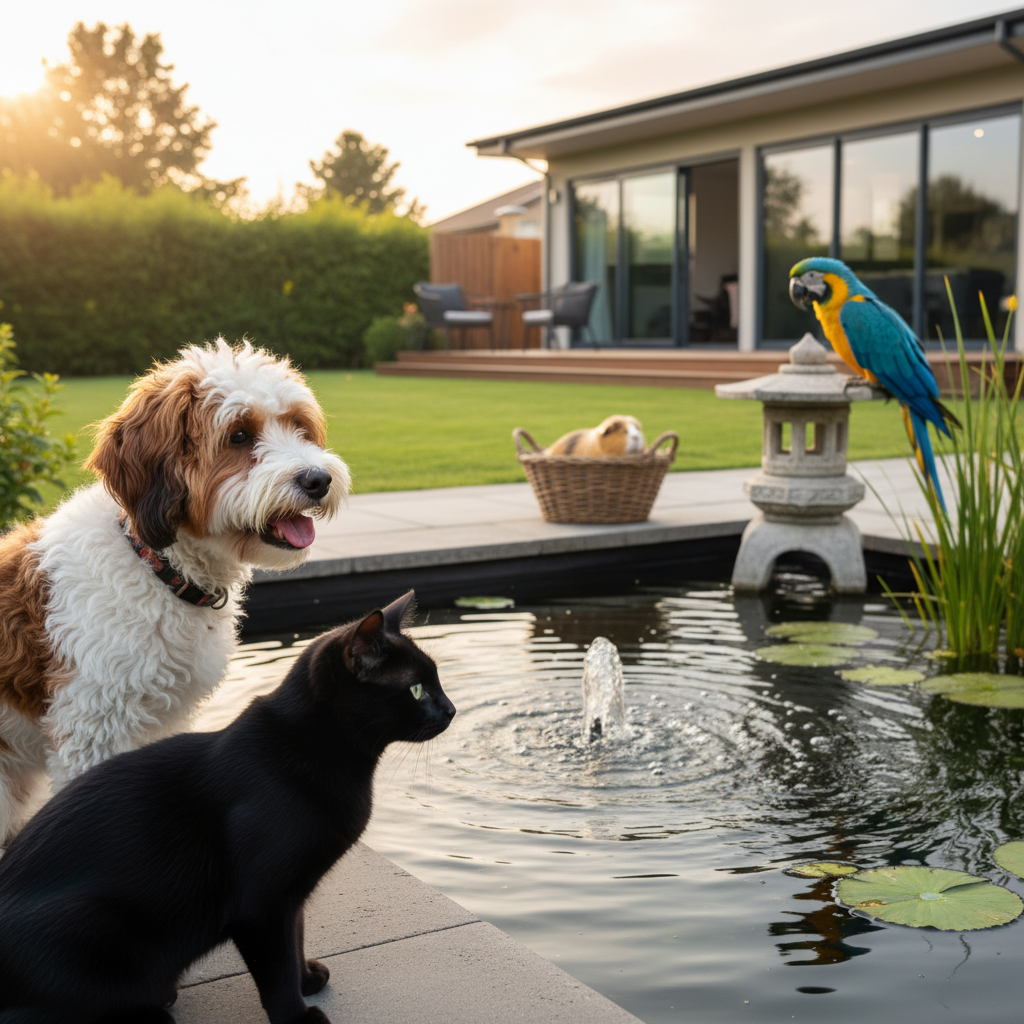
Aquatics guidelines consistently recommend several immediate steps. Running a fountain, waterfall or air pump around the clock helps, because surface agitation is what actually drives gas exchange. Pointing a garden hose at the pond surface from a height for fifteen to thirty minutes can also boost oxygen rapidly. Where possible, shading the pond with a temporary umbrella, shade sail or floating plants reduces further heating. Cleaning clogged filter media improves flow, which improves oxygenation.
3. Is it safe to add ice or cold water to cool the pond down?
Professional consensus advises against dumping bags of ice or large volumes of cold water into a warm pond. Sudden temperature swings of more than a few degrees can shock fish, suppress their immune systems and trigger disease outbreaks. Gradual cooling through shade, evaporation from fountains and improved circulation is far safer than a thermal shock fix.
Algae and Green Water Questions
4. What causes a sudden green water bloom in summer?
Green water is caused by single celled algae multiplying rapidly when three conditions align: strong sunlight, warm temperatures and excess nutrients from fish waste, uneaten food or decaying plant matter. Newly filled ponds and ponds with few plants are particularly vulnerable because there is nothing to compete with the algae for nutrients. The bloom itself is a symptom, not the disease.
5. Is green water dangerous to fish?
In most cases, mild to moderate green water is not directly harmful and can even provide some shade and food for fry. The real risk appears when a heavy bloom suddenly dies off, often after a sharp weather change or chemical treatment. Decomposing algae consume large amounts of oxygen overnight, which is when many summer fish losses actually occur. Owners are commonly advised to treat the underlying cause rather than blasting the pond with algaecides that can crash oxygen levels.
6. What is string algae or blanket weed, and how is it different?
String algae forms long green filaments that cling to rocks, waterfalls and plant stems. Unlike green water algae, it is generally harmless but unsightly. Manual removal by twisting it around a stick, improving water flow and adding more competing plants are the most common recommendations. Barley straw extract is a traditional, gentle option many owners try before resorting to stronger products.
7. How can algae be controlled without chemicals?
The widely promoted long term approach is to cover roughly forty to seventy percent of the surface with plants, including floating species such as water lilies, lotus or floating hearts. Submerged oxygenating plants compete with algae for nutrients. Reducing feeding, removing decaying leaves promptly and adding a UV clarifier to the filter loop are also frequently suggested. Owners who want low maintenance summer setups often find that AI climate monitors originally designed for indoor pets can be repurposed to track ambient temperature trends around outdoor enclosures and ponds.
Safe Top Up Water Questions
8. Can tap water be used to top up the pond?
Tap water can be used, but it must be treated. Most municipal supplies contain chlorine or chloramine, both of which damage fish gills and beneficial filter bacteria. A standard aquarium or pond dechlorinator added at the recommended dose neutralises these compounds. Well water and borehole water should be tested before use, as it can be low in oxygen or contain dissolved metals.
9. How much water can be safely topped up at once?
The general guideline shared on aquatics helplines is to replace no more than ten to twenty percent of total pond volume in a single top up, and to do so slowly. Large rapid refills change temperature, pH and hardness too quickly and can shock fish even when the water is dechlorinated. During a heatwave, daily small top ups are far safer than weekly large ones.
10. How often should evaporation be replaced in summer?
In hot, dry weather, ponds can lose one to several centimetres per day. Many owners check water level every morning and top up whenever the loss approaches around five percent of total depth. Allowing the level to drop too far concentrates waste, raises temperature faster and exposes pumps to running dry, which can damage them and disrupt aeration overnight.
Predator Protection Questions
11. How can ponds be protected from herons?
Herons are intelligent, patient and surprisingly bold. Layered defences are the professional consensus. Useful elements include a pond depth of at least sixty centimetres so fish can escape downward, marginal planting that obscures sight lines, netting stretched taut across the surface, fishing line or string grids set ten to twenty centimetres above the water, and motion activated sprinklers. Plastic heron decoys are widely considered unreliable, as real herons often ignore or even approach them during breeding season.
12. What other predators target garden fish?
Depending on region, owners commonly report losses to cats, foxes, raccoons, otters, kingfishers, grass snakes, mink and even rats. Each requires slightly different deterrence: secure netting for cats and birds, sturdy fencing for foxes and raccoons, deep refuge zones for otters and snakes. Nighttime predators often go unseen, so installing a wildlife camera for a few nights can identify the actual culprit before money is spent on the wrong solution.
13. Do fish need hiding places, and what works best?
Fish caves, ceramic pipes, overhanging rocks and dense planted areas provide essential refuge during predator visits and during the hottest part of the day. Deep zones of at least sixty to ninety centimetres allow fish to retreat to cooler, darker water where most herons cannot reach. Owners renovating ponds are usually encouraged to build in at least one shaded deep zone before adding stock.
Stocking and Health Questions
14. How can owners tell if a pond is overstocked?
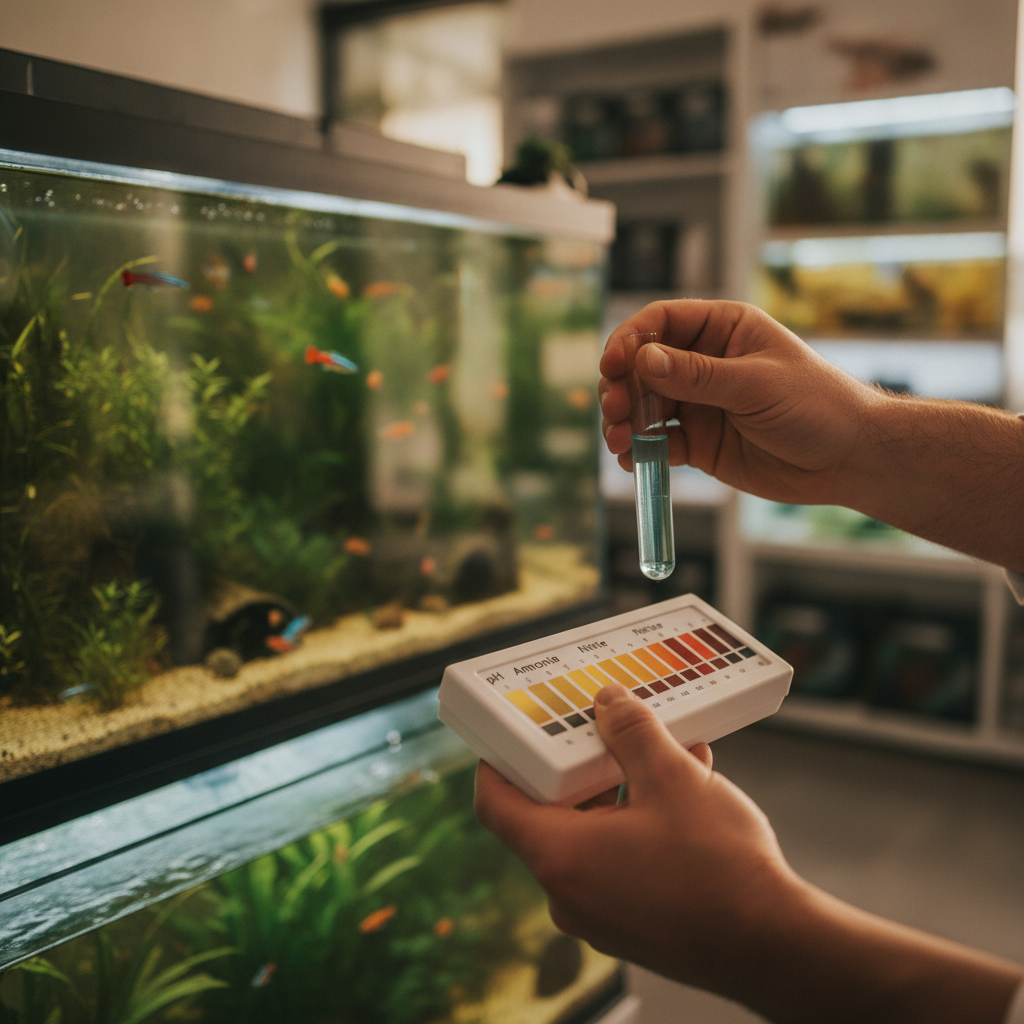
Overstocking is the silent driver behind most summer pond emergencies. Warning signs include persistent green water despite shade and plants, fish constantly at the surface even with aeration, ammonia or nitrite spikes on test kits, frequent disease outbreaks and rapid fouling of filter media. A widely cited rough guideline is around twenty five centimetres of adult fish length per one thousand litres of water for goldfish, and considerably less for koi, which need much larger volumes. These figures are starting points, not absolutes.
15. Should fish be fed more or less during a heatwave?
Counterintuitively, feeding should usually be reduced during prolonged heat. Warm water lowers oxygen, and digestion itself consumes oxygen, so heavy feeding compounds the stress. Many owners are advised to feed smaller amounts once a day during the hottest week, and to skip feeding entirely if fish appear lethargic or are gasping. Uneaten food should always be netted out within a few minutes to prevent nutrient spikes.
Myth vs Reality
- Myth: A bigger pump always means more oxygen. Reality: Oxygen comes from surface agitation, not raw flow rate. A correctly placed fountain or air stone often outperforms an oversized pump pushing water through a closed pipe.
- Myth: Green water means the pond is dirty. Reality: Green water reflects nutrient surplus and sunlight, not poor hygiene. Crystal clear water can still be chemically dangerous.
- Myth: Plastic herons keep real herons away. Reality: Field observation suggests decoys lose effectiveness quickly and can sometimes attract herons during social seasons.
- Myth: Fish can simply eat algae if there is too much. Reality: Most ornamental pond fish do not significantly graze algae blooms and may actually fertilise them through waste.
- Myth: Topping up with rainwater is always best. Reality: Rainwater is soft and low in minerals, and runoff collected from roofs can carry pollutants. It should be tested or buffered before heavy use.
Quick Reference Fact Box
- Safe daily top up: up to ten to twenty percent of volume, dechlorinated, added slowly.
- Minimum pond depth for predator and heat refuge: around sixty centimetres, deeper for koi.
- Surface plant coverage target: roughly forty to seventy percent in full sun ponds.
- Aeration during heatwaves: twenty four hours a day, never switched off overnight.
- Feeding in extreme heat: reduce or pause until temperatures and oxygen levels normalise.
- Call a professional when: multiple fish die within twenty four hours, ammonia or nitrite reads above zero, or fish show ulcers, red streaks or rapid breathing despite aeration.
When to Seek Professional Help
Most summer pond problems can be managed at home with patience and the basics above. However, owners are advised to contact an aquatic veterinarian or specialist fish health professional when fish develop visible wounds, fungal patches or unusual swimming behaviour, when sudden mass mortality occurs, or when water tests show persistent ammonia, nitrite or pH problems that do not respond to water changes. A fish health issue can escalate quickly in warm water, and early professional input often saves an entire stock.
Broader Summer Pet Care Context
Pond fish are only one part of a household's summer care plan. Households with dogs should also review guidance on coat care in heatwaves and consider water based exercise alternatives for senior pets. Small mammal owners can find practical advice in the guide on summer food and hydration for small rodents and grooming longhair guinea pigs and rabbits. Families travelling during peak summer should plan ahead with a trustworthy in home pet sitter who can carry out daily pond checks alongside other duties.
Final Word
Summer pond care rewards consistency over heroics. Stable shade, steady aeration, modest feeding, gentle top ups and layered predator defences solve the vast majority of issues that drive panicked late night helpline calls. When in doubt, prioritise oxygen, reduce inputs and consult a qualified aquatic professional rather than reaching for strong chemicals. A pond managed calmly through the hottest weeks will reward its owners with healthy fish and clear water for many seasons ahead.
Frequently Asked Questions
Why are my pond fish gasping at the surface in hot weather? ↓
Can I add ice or cold tap water to cool the pond quickly? ↓
Is green water dangerous to my fish? ↓
How much water can I safely top up at once? ↓
What is the most reliable way to keep herons away? ↓
How do I know if my pond is overstocked? ↓
Should I feed my fish more during a heatwave? ↓
When should I call an aquatic veterinarian? ↓

Hannah Cole
Pet Owner Community Advisor
Pet owner community advisor — calm, clear answers to the questions every pet parent asks.
Content Disclosure
This article was created using state-of-the-art AI models with human editorial oversight. It is intended for informational and entertainment purposes only and does not constitute veterinary medical advice. Always consult a licensed veterinarian for your pet's specific health needs. Learn more about our process.