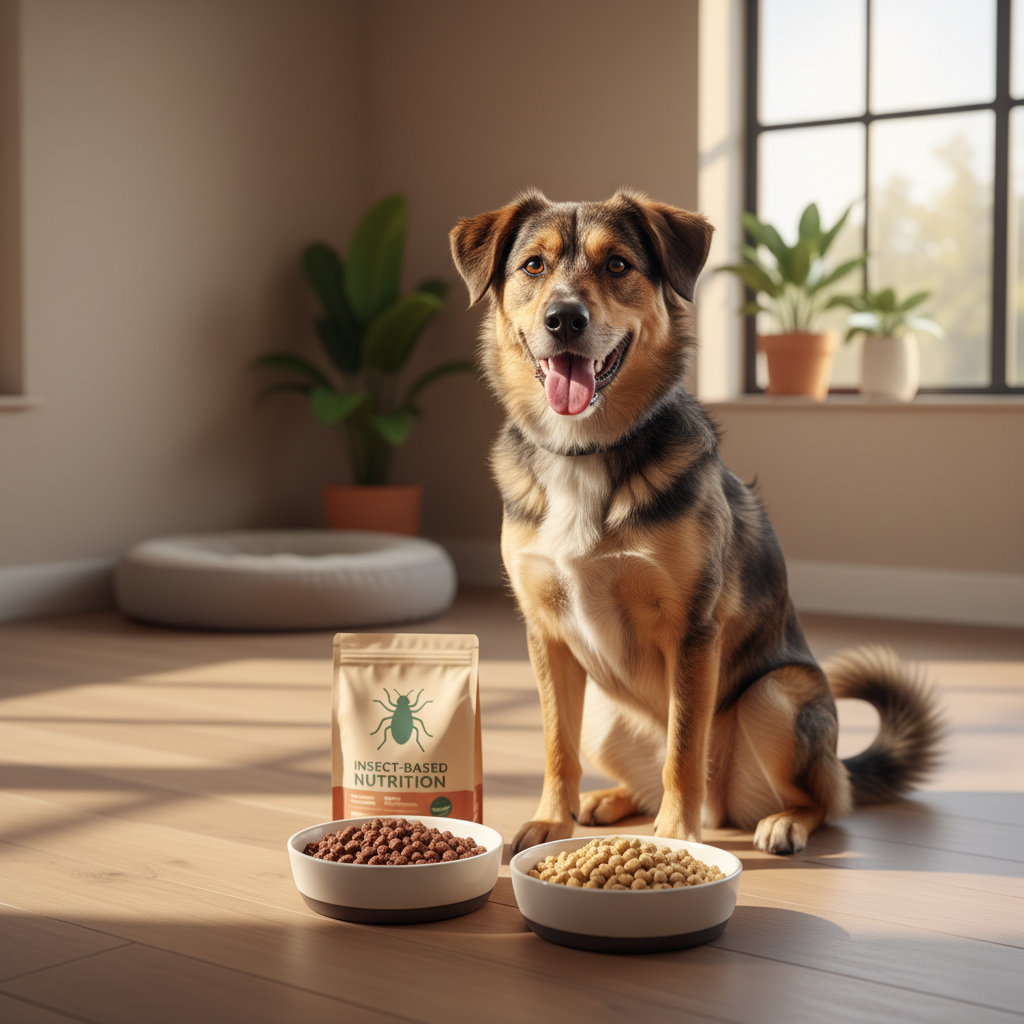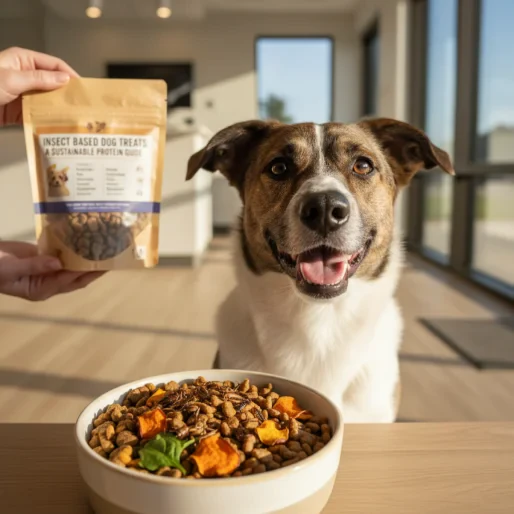
Australian dog owners switching to fresh or cooked diets face unique challenges from extreme heat, strict food safety windows, and higher local costs. This guide covers safe transition protocols, storage rules for Australian climates, and where to find qualified veterinary nutritionists.
Key Takeaways
- Any fresh or lightly cooked diet must meet AAFCO or FEDIAF nutrient profiles for your dog's life stage. In Australia, look for products tested against these standards or formulated by a registered veterinary nutritionist.
- Transition gradually over 10 to 14 days, adjusting old to new food ratios in controlled steps.
- In Australian summers, where ambient temperatures regularly exceed 35°C, fresh food enters the bacterial danger zone (4°C to 60°C) rapidly. Refrigerate leftovers within one hour on hot days.
- Expect to spend roughly two to five times more per month compared with premium kibble, with Australian costs sitting at the higher end due to ingredient and freight pricing.
- The Australian Veterinary Association (AVA) supports nutritionally complete diets and recommends consulting a credentialed veterinary nutritionist before switching to homemade recipes.
Why Fresh Feeding Is Growing Across Australia
Australian dog owners increasingly report improved coat condition, firmer stools, and greater mealtime enthusiasm after introducing fresh or lightly cooked diets. The local market has expanded, with both Australian made and imported brands offering human grade, nutritionally complete formulations delivered frozen or chilled.
However, enthusiasm should not outpace proper assessment. A diet that looks wholesome can still be nutritionally incomplete, and deficiency symptoms often take months to appear. Australia's warm climate also introduces food safety risks that owners in cooler regions may not face as acutely. This guide covers the five areas every Australian owner should evaluate: nutritional completeness, transition protocols, food safety in warm conditions, realistic costs in AUD, and the current veterinary consensus.
Nutritional Completeness: What to Check on the Label
AAFCO, FEDIAF, and Australian Context
Australia does not have its own standalone pet food nutrient profile system equivalent to AAFCO (used in North America) or FEDIAF (used in Europe). However, the Australian Standard for the Manufacturing and Marketing of Pet Food (AS 5812:2017) references these international frameworks. Reputable Australian brands formulate against AAFCO or FEDIAF profiles and state this on their packaging. When evaluating any fresh food product, look for a nutritional adequacy statement specifying which profile the diet meets and for which life stage (growth, adult maintenance, or all life stages).
The Pet Food Industry Association of Australia (PFIAA) provides a voluntary Australian Standard certification mark. Products carrying this mark have been independently verified against AS 5812, offering an additional layer of confidence.
Nutrients That Homemade Diets Commonly Lack
Research suggests that the vast majority of homemade dog diets are nutritionally incomplete. The most frequently deficient or imbalanced nutrients include:
- Calcium and phosphorus: Meat is high in phosphorus and low in calcium. Without a properly dosed calcium source, the ratio falls outside the recommended range of roughly 1:1 to 2:1.
- Zinc and copper: Trace mineral levels vary dramatically by ingredient source. Organ meats help, but precise supplementation is usually necessary.
- Vitamin D: Dogs cannot synthesise adequate vitamin D from sunlight, even in Australia's high UV environment, and rely on dietary sources. Many homemade recipes omit it entirely.
- Essential fatty acids: Linoleic acid (omega 6) and EPA/DHA (omega 3) ratios matter for skin health and inflammatory balance, particularly relevant for breeds prone to allergic dermatitis in humid Australian conditions.
- Iodine and selenium: Often overlooked in recipes built around muscle meat and vegetables alone.
Commercial fresh food brands typically address these gaps with a veterinary nutritionist formulated premix. If preparing food at home, working with a veterinary nutritionist who holds a DACVN credential or equivalent specialist registration is strongly recommended. The University of Melbourne's Faculty of Veterinary and Agricultural Sciences and the University of Sydney's School of Veterinary Science both maintain referral networks that can connect owners with qualified professionals.
Life Stage and Breed Considerations for Australian Dogs
Puppies, especially large and giant breeds popular in Australia such as Labrador Retrievers, German Shepherds, and Golden Retrievers, need carefully controlled calcium and energy density to support skeletal development without encouraging overly rapid growth. Senior dogs may benefit from adjusted protein and omega 3 supplementation for cognitive and joint support. Working dogs on farms or properties, common across rural Australia, may have significantly higher energy requirements than suburban companion dogs of the same breed.
Safe Transition Protocol Over Two Weeks
A sudden switch from kibble to fresh food commonly triggers gastrointestinal upset: loose stools, flatulence, vomiting, or temporary appetite refusal. The digestive system needs time to adapt to higher moisture content and different macronutrient ratios. The AVA recommends gradual dietary changes for all dogs.
A 14 Day Transition Schedule
This schedule works well for most healthy adult dogs. Dogs with sensitive stomachs, a history of pancreatitis, or inflammatory bowel conditions may need a slower timeline of three to four weeks under veterinary guidance.
- Days 1 to 3: Feed approximately 25% fresh food mixed with 75% current diet. Observe stool consistency, appetite, and energy levels.
- Days 4 to 6: Move to a 50/50 ratio. Mild stool softening is normal at this stage due to increased dietary moisture.
- Days 7 to 9: Shift to approximately 75% fresh food and 25% old diet.
- Days 10 to 12: Increase to roughly 90% fresh food.
- Days 13 to 14: Offer 100% of the new diet. Monitor for at least another week to confirm tolerance.
What to Watch For
Some stool changes during the first week are expected. Fresh food is higher in moisture, so stools may appear softer and slightly smaller in volume. However, persistent diarrhoea lasting more than 48 hours, vomiting, lethargy, or complete food refusal are signals to pause, revert to the previous ratio, and consult your veterinarian before proceeding.
Maintain consistent feeding times throughout the transition. Two meals per day is standard for most adult dogs; puppies under six months typically need three.
Food Safety Rules for Australian Conditions
Food safety is arguably the single most important practical consideration for Australian owners feeding fresh diets. In much of the country, ambient temperatures regularly exceed 30°C for extended periods between October and March, with inland and northern regions frequently surpassing 40°C. Fresh food left at room temperature spoils far faster than many owners expect.
The Danger Zone in Practice
Bacteria multiply rapidly between 4°C and 60°C. At typical Australian summer room temperatures (often 28°C to 35°C without air conditioning), bacterial populations can double in as little as 20 minutes. Food Standards Australia New Zealand (FSANZ) guidelines, while designed for human food, apply the same temperature safety principles: perishable food should not remain in the danger zone for more than two hours, and that window shrinks to one hour when ambient temperatures exceed 32°C.
Practical Daily Rules
- Refrigerator storage: Keep prepared or thawed fresh food at 1°C to 4°C. Most commercial fresh diets specify a refrigerated shelf life of around five to seven days after thawing; always follow the stated use by date.
- Freezer storage: Batch cooked homemade meals should be portioned into meal sized containers and frozen promptly. Quality is maintained for two to three months at minus 18°C or below.
- Bowl time limits: Remove uneaten fresh food within 20 minutes, particularly in warm rooms or if feeding outdoors. Never leave fresh food out for grazing.
- Thawing safely: Thaw frozen portions in the refrigerator overnight. Never thaw on the benchtop. Microwave thawing is acceptable only if the food will be served immediately.
- Handling hygiene: Wash hands, utensils, cutting boards, and bowls with hot soapy water after handling pet food. This is especially important during warmer months when bacterial growth accelerates.
Summer, Bushfire Smoke, and Travel
During extreme heat events or bushfire smoke periods, dogs may eat less due to reduced appetite. Do not compensate by leaving food out longer. Discard uneaten fresh food promptly. Owners travelling with dogs in vehicles during summer should use insulated food carriers with ice bricks. If fresh food has been in a warm car for more than one hour, discard it. For those in tropical Queensland or the Northern Territory, where wet season humidity further accelerates spoilage, strict adherence to cold chain handling is essential year round.
Cost Comparison in AUD
Fresh feeding costs more than kibble. Understanding the variables helps Australian owners budget realistically.
Estimated Monthly Costs (2026 Ranges, AUD)
These figures are approximate and vary by location, dog size, and product. Regional and rural pricing may be higher due to freight.
- Premium kibble: Roughly $2.00 to $5.00 per day for a medium sized dog (15 to 25 kg), translating to around $60 to $150 per month.
- Commercial fresh or cooked food (subscription delivery): Typically $8 to $18 per day for the same sized dog, or around $240 to $540 per month.
- Home prepared cooked food: Ingredient costs often fall between $5 and $12 per day, not accounting for the owner's time, energy costs, or the expense of a veterinary nutritionist consultation to formulate the recipe (initial consultations in Australia typically range from $300 to $600 AUD).
Factors That Influence Cost
- Dog size: A 35 kg Kelpie cross eats considerably more than a 4 kg Chihuahua. Large breed owners feel the cost difference most sharply.
- Protein source: Recipes built around premium cuts or wild caught fish cost significantly more than those using chicken thighs or turkey mince.
- Location: Owners in remote or regional areas may face additional freight charges for subscription deliveries.
- Supplementation: A quality vitamin and mineral premix or individual supplements (fish oil, calcium carbonate, zinc) add recurring costs.
A hybrid approach, feeding fresh food as a portion of daily intake alongside nutritionally complete kibble, can reduce costs while increasing dietary variety. Any hybrid plan should still ensure overall nutritional balance across the full day.
Veterinary Guidance and Professional Consensus
The AVA supports the feeding of commercially prepared, nutritionally complete diets, whether dry, wet, or fresh. Their position aligns with the World Small Animal Veterinary Association (WSAVA) Global Nutrition Guidelines, which recommend selecting diets from manufacturers that employ qualified nutritionists, conduct nutrient analyses or feeding trials, and implement quality control.
Veterinary professionals generally support fresh feeding when the recipe has been properly formulated and the owner follows it precisely, including all supplements. They advise against using generic recipes found online without professional validation, substituting ingredients freely (swapping chicken for beef changes the mineral and fatty acid profile significantly), omitting the vitamin and mineral premix even occasionally, and assuming that protein rotation automatically equals nutritional balance.
Professional input is especially critical for puppies, dogs with kidney disease, liver conditions, diabetes, or confirmed food allergies, pregnant or lactating dogs, and dogs on medications that interact with specific nutrients.
Toxic Foods: Essential Safety Reference
When preparing fresh food at home, accidental inclusion of harmful ingredients is a real risk. The following are toxic to dogs and must never be used:
- Onions, garlic, leeks, chives: All allium species cause oxidative damage to red blood cells.
- Grapes and raisins: Associated with acute kidney injury, even in small quantities.
- Xylitol (birch sugar): Found in sugar free products; causes rapid insulin release and potential liver failure.
- Chocolate: Theobromine toxicity; darker chocolate is more dangerous.
- Macadamia nuts: Grown widely in Australia, these are particularly accessible and can cause weakness, vomiting, tremors, and hyperthermia in dogs.
- Cooked bones: Splintering risks include gastrointestinal perforation and obstruction.
- Avocado (persin): The flesh poses lower risk than the pit, skin, and leaves, but caution is warranted.
- Alcohol and raw yeast dough: Ethanol toxicity and gastric distension risk.
If accidental ingestion occurs, contact your veterinarian immediately or call the Animal Poisons Helpline (1300 869 738), an Australian service providing urgent toxicology advice for pet owners.
Animal Emergency Service (AES)
Call the Animal Emergency Service or find your nearest 24-hour emergency vet clinic.
AES operates in QLD, NSW, and VIC. For other states, search for your nearest after-hours veterinary hospital.
Pre Switch Checklist for Australian Owners
- Confirm the diet carries an AAFCO or FEDIAF nutritional adequacy statement, or meets AS 5812 via PFIAA certification, for your dog's life stage.
- If home cooking, obtain a recipe from a veterinary nutritionist with DACVN credentials or equivalent specialist registration and follow it exactly.
- Schedule a veterinary wellness check before starting, including baseline bloodwork for seniors or dogs with chronic conditions.
- Plan your 14 day transition schedule and stock sufficient quantities of both old and new diet.
- Audit your refrigerator and freezer space. Purchase airtight, food safe containers. In Australian summers, consider a dedicated bar fridge if household fridge space is limited.
- Budget realistically in AUD: calculate the monthly cost for your dog's size and compare it with your current spend.
- Set a reminder for a follow up veterinary visit two to three months after completing the switch to review weight, body condition score, coat quality, and bloodwork if indicated.
Frequently Asked Questions
Is fresh dog food safe to feed in Australian summer heat? ↓
How much does fresh dog food cost per month in Australia? ↓
Do Australian pet food labels have to meet AAFCO standards? ↓
Where can I find a qualified veterinary nutritionist in Australia? ↓
What should I do if my dog eats something toxic while I am preparing fresh food? ↓

Sarah Mitchell
Canine Nutrition Consultant
Canine nutrition consultant — evidence-based feeding guidance, label literacy, and diet planning without brand bias.
Content Disclosure
This article was created using state-of-the-art AI models with human editorial oversight. It is intended for informational and entertainment purposes only and does not constitute veterinary medical advice. Always consult a licensed veterinarian for your pet's specific health needs. Learn more about our process.