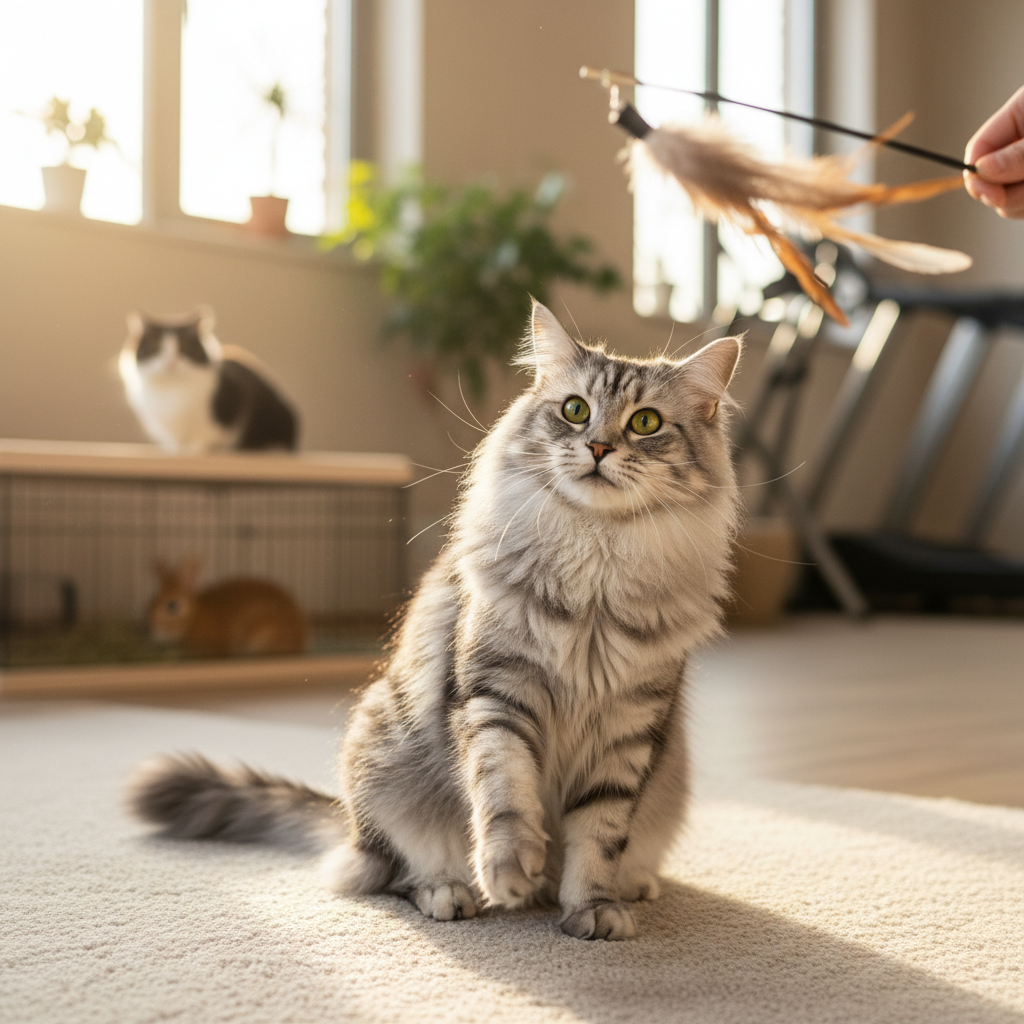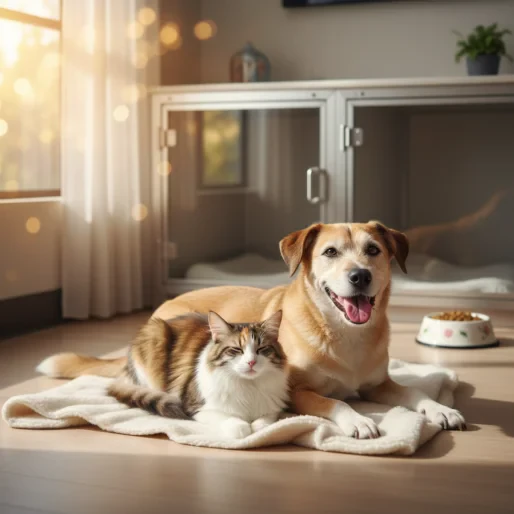
Australian summers push senior pets to their limits, with extreme heat, bushfire smoke, and high UV compounding age-related declines in thermoregulation. Here is how to recognise heat distress early and keep older dogs and cats safe.
Key Takeaways
- Senior dogs and cats (typically over ten years old) lose thermoregulatory efficiency due to cardiovascular, respiratory, and metabolic changes that aging brings.
- Australian summers regularly exceed 40°C in many regions, creating dangerous conditions for older pets whose cooling mechanisms are already compromised.
- Bushfire smoke seasons add respiratory stress on top of heat, making senior pets with airway disease especially vulnerable.
- Active cooling should begin immediately but must be gradual: ice water and extreme cold can trigger vasoconstriction and worsen the crisis.
- Any pet showing signs of heatstroke needs emergency veterinary care, even if initial cooling appears successful. Contact your nearest emergency vet clinic immediately.
Animal Emergency Service (AES)
Call the Animal Emergency Service or find your nearest 24-hour emergency vet clinic.
AES operates in QLD, NSW, and VIC. For other states, search for your nearest after-hours veterinary hospital.
Australian Heat: A Higher Baseline of Risk
Australia's climate makes heat management a serious concern for all pets, but senior animals face compounded risk. Cities like Sydney, Melbourne, Adelaide, and Perth regularly experience multi-day heatwaves where temperatures climb above 40°C. In tropical regions such as Far North Queensland and the Northern Territory, the combination of high humidity and sustained warmth through the wet season reduces the effectiveness of evaporative cooling (panting) even in younger animals.
The Australian Veterinary Association (AVA) consistently highlights heatstroke prevention as a priority during warmer months. Emergency veterinary hospitals across the country report increased caseloads during heatwaves, with senior pets and brachycephalic breeds making up a disproportionate share of admissions.
How Dogs and Cats Regulate Temperature
Dogs rely heavily on panting: rapid, shallow breathing moves air across the moist surfaces of the tongue and upper airways, allowing evaporative heat loss. They also dissipate heat through vasodilation in the ears, paw pads, and sparsely furred areas of the belly. Cats tend to rely more on behavioural strategies, seeking cool surfaces such as bathroom tiles, reducing activity, and grooming to spread saliva on their coat for evaporative cooling.
Neither species sweats efficiently through the skin the way humans do. This means both dogs and cats depend on a narrow set of physiological tools to shed excess heat, and any decline in those tools has outsized consequences, particularly in an Australian summer.
What Changes With Age
Cardiovascular Decline
Reduced cardiac output is one of the most significant factors. When a young, healthy dog overheats, the heart pumps blood toward the skin surface where heat can radiate away. In senior animals, age-related changes to the heart muscle, valves, and vascular elasticity reduce the efficiency of this response. Even subclinical heart changes (those not yet producing obvious symptoms) can impair heat redistribution. The AVA recommends annual cardiac screening for dogs over eight years of age, which can identify murmurs and rhythm abnormalities before they become life-threatening in hot conditions.
Respiratory Compromise and Bushfire Smoke
Panting depends on healthy airways and adequate lung capacity. Older dogs commonly develop laryngeal dysfunction, collapsing trachea, or chronic bronchitis, all of which reduce airflow. Brachycephalic breeds popular in Australia, such as Bulldogs, Pugs, French Bulldogs, Cavalier King Charles Spaniels, and Persian cats, face compounded risk because their already compromised airways deteriorate further with age.
Australian pet owners must also account for bushfire smoke. During fire seasons, air quality can plummet across vast areas, including major cities. Senior pets with existing respiratory compromise are at heightened risk when poor air quality coincides with extreme heat. On high smoke days, the recommendation is to keep senior pets indoors with windows closed and, where possible, air conditioning or air purifiers running.
Kidney Disease and Hydration
Chronic kidney disease (CKD) is extremely common in senior cats and increasingly recognised in older dogs. Pets with compromised kidney function often struggle to concentrate urine effectively, leading to increased water loss and a tendency toward dehydration. Since adequate hydration is foundational to evaporative cooling, even mild dehydration can dramatically reduce a senior pet's ability to cope with heat. The International Society of Feline Medicine (ISFM) emphasises that hydration monitoring is a cornerstone of senior cat wellness. In Australia's dry heat, this becomes even more critical: water bowls left outdoors can warm rapidly and become unappealing, so providing multiple fresh water stations (indoors and in shaded outdoor areas) is essential.
Obesity
Overweight senior pets face a double burden. Excess subcutaneous fat acts as insulation, trapping heat inside the body. Simultaneously, the cardiovascular system must work harder to perfuse a larger body mass, leaving less reserve for thermoregulatory demands. Veterinary literature consistently identifies obesity as one of the strongest independent risk factors for heatstroke in dogs of all ages, and the risk is magnified in seniors. The AVA's resources on pet weight management can guide owners through safe weight reduction programmes.
Medications and Concurrent Disease
Many senior pets take daily medications that can influence thermoregulation. Diuretics increase fluid loss. Beta-blockers limit the heart rate response needed for heat redistribution. Some sedatives or anti-anxiety medications may blunt a pet's behavioural drive to seek shade. Owners should discuss heat season medication management with their veterinarian well before summer arrives. Pets managing conditions such as arthritis may also be less mobile and therefore less able to relocate to cooler spots independently.
Recognising Heat Distress in Senior Pets
In senior animals, the window between mild warmth and a medical emergency can be alarmingly narrow. The following signs should prompt immediate action.
Early Warning Signs (Heat Stress)
- Prolonged or exaggerated panting that does not resolve within a few minutes of rest in a cool area
- Increased heart rate detectable by placing a hand on the chest
- Seeking cool surfaces obsessively: lying flat on tiles, pressing against air-conditioning vents, digging into damp soil
- Mild lethargy or reluctance to walk
- Drooling more than usual, particularly in cats (who normally drool very little)
Moderate to Severe Signs (Approaching Heatstroke)
- Brick-red or muddy gums (check by lifting the lip gently)
- Tacky or dry gums when touched with a fingertip
- Glazed or unfocused eyes
- Staggering, disorientation, or collapse
- Vomiting or diarrhoea, which may be bloody
- Rectal temperature above 40°C: normal canine and feline temperature ranges from roughly 38°C to 39.2°C
Emergency Signs (Heatstroke)
- Seizures or tremors
- Loss of consciousness
- Petechiae (tiny red or purple spots on the gums or skin, indicating a clotting disorder)
Heatstroke is a genuine veterinary emergency with high mortality rates even with treatment. Speed of intervention is the single most important factor. If you suspect heatstroke, begin cooling and transport to the nearest emergency veterinary hospital immediately.
Animal Emergency Service (AES)
Call the Animal Emergency Service or find your nearest 24-hour emergency vet clinic.
AES operates in QLD, NSW, and VIC. For other states, search for your nearest after-hours veterinary hospital.
Cooling Protocols: What to Do and What to Avoid
Immediate Steps at Home
- Move the pet to shade or an air-conditioned room immediately. In Australia, many homes use evaporative cooling (swamp coolers), which are less effective on humid days. If evaporative cooling is your only option, supplement with a fan directed at the pet.
- Offer cool (not ice-cold) water. Do not force the pet to drink. Small, frequent sips are ideal.
- Apply cool water to the body. Focus on areas with less fur and good blood supply: the inner thighs, belly, ear flaps, and paw pads. A wet towel draped over the pet can help, but it must be replaced frequently as a stationary wet towel traps heat as it warms.
- Use a fan to promote evaporative cooling alongside the wet coat.
- Stop active cooling once rectal temperature reaches 39.4°C to avoid overshooting into hypothermia, which is a real risk in frail seniors.
Common Mistakes to Avoid
- Ice baths or ice-cold water: Extreme cold causes peripheral vasoconstriction, trapping heat in the core and potentially raising internal temperature.
- Covering with a wet towel and leaving it: A towel that is not regularly refreshed becomes an insulating layer.
- Offering large volumes of water at once: A distressed pet that gulps water may vomit, worsening dehydration.
- Assuming the pet is fine once it looks better: Internal organ damage from heatstroke (particularly to the kidneys, liver, and clotting system) can progress over 24 to 72 hours. Veterinary assessment is essential.
Prevention: Keeping Senior Pets Safe in Australian Summers
Environmental Management
- Limit outdoor time during peak heat. In most Australian cities, the hottest period runs from roughly 11 a.m. to 5 p.m. during December through February. Walk senior dogs early in the morning (before 8 a.m.) or after sunset. Check pavement temperature by holding the back of your hand against the surface for five seconds: if it is too hot for your hand, it is too hot for paw pads.
- Provide multiple water stations around the home and yard, refreshed regularly so water stays cool. Freezing a block of ice in the water bowl can help it stay cooler for longer.
- Ensure access to cool resting surfaces. Elevated mesh beds allow air circulation beneath the pet. Pet cooling mats are widely available from Australian pet retailers and typically cost between $25 and $80 AUD depending on size.
- Never leave a pet in a parked vehicle. Vehicle interior temperatures in Australia can reach lethal levels within minutes. The RSPCA Australia actively campaigns against this practice and notes that leaving an animal in a hot car can constitute an offence under state and territory animal welfare legislation.
- Monitor total fire ban and extreme heat days. On days when the Bureau of Meteorology issues severe or extreme heatwave warnings, keep senior pets indoors with climate control.
Grooming Considerations
It may be tempting to shave a senior pet's coat for summer, but this decision requires careful thought. Double-coated breeds common in Australia, such as Australian Shepherds, Border Collies, Golden Retrievers, and German Shepherds, use their undercoat for insulation against both cold and heat. Removing it can increase sunburn risk (a real concern given Australia's high UV levels) and may not improve cooling. Regular brushing to remove dead undercoat is often more effective. For guidance on managing thick coats, see Managing Spring Coat Blow in Double-Coated Dogs.
Pre-Summer Veterinary Wellness Checks
A pre-summer wellness visit is a valuable investment for any senior pet. This appointment can identify subclinical conditions (early kidney disease, mild heart murmurs, thyroid imbalances) that would increase heat vulnerability. Bloodwork, urinalysis, and a cardiac auscultation provide a baseline that helps both the owner and veterinarian make informed summer safety plans. Many Australian veterinary clinics offer senior pet health packages that bundle these diagnostics, typically ranging from $250 to $500 AUD.
Hydration and Nutrition
Senior pets with kidney concerns may benefit from wet food or added water in meals to boost daily fluid intake. The WSAVA Global Nutrition Committee recommends tailoring senior pet diets to individual health profiles, so consulting a veterinarian about summer hydration strategies is worthwhile. Understanding the True Monthly Cost of Owning a Cat in Australia 2026 can help owners budget for the dietary adjustments and veterinary visits these pets need.
Additional Australian Hazards During Hot Weather
Australian pet owners should be aware that hot weather coincides with increased activity of venomous snakes, particularly brown snakes and tiger snakes. Senior pets that are lethargic from heat may be less alert to snake encounters. Paralysis ticks (Ixodes holocyclus) are also more prevalent in warmer, humid conditions along the eastern seaboard. Tick paralysis causes respiratory compromise that, combined with heat stress, can be rapidly fatal in senior animals. Ensure tick prevention is current and check pets thoroughly after any outdoor time.
Travel and Boarding in Australian Summers
Summer travel with senior pets requires extra planning. Domestic airlines in Australia impose restrictions on pet transport during extreme heat, often suspending pet cargo services when tarmac temperatures exceed safe limits. Senior pets are especially vulnerable during transit delays. When boarding a senior pet, confirm that the facility has adequate climate control and understands your pet's specific heat management needs. Clear written instructions covering medication schedules, cooling protocols, and your emergency vet contact details help ensure consistent care. Professionals managing anxious senior pets during owner absences can find additional strategies in How Pet Sitters Handle Dog Separation Anxiety.
When to Contact Your Vet
Any episode of suspected heatstroke warrants an emergency veterinary visit. Beyond emergencies, the following situations call for a veterinary conversation:
- A senior pet that pants excessively even in mild weather (this could indicate pain, cardiac disease, or respiratory compromise)
- Changes in water consumption, either increased or decreased
- A senior pet on medications that may affect thermoregulation
- Upcoming extreme heat forecasts or planned travel during summer
Questions Worth Asking Your Veterinarian
- "Does my pet have any underlying conditions that increase heat risk?"
- "Should any of my pet's current medications be adjusted for summer?"
- "What is a safe exercise duration and time of day for my senior pet in warm weather?"
- "Are there specific signs I should watch for given my pet's health profile?"
Quality of Life Considerations
For owners of very senior pets with multiple health conditions, repeated heat distress episodes may signal a declining quality of life. Recognising when a beloved pet is struggling despite best efforts is one of the hardest parts of pet ownership. Veterinary professionals can help guide these conversations with compassion and objectivity. Owners navigating this emotional landscape may find support in Anticipatory Grief When Your Vet Recommends Euthanasia.
The Bottom Line
Australian summers demand extra vigilance from owners of senior dogs and cats. Aging degrades nearly every system involved in temperature regulation: the heart, the lungs, the kidneys, and the metabolic pathways that coordinate cooling. When you layer on bushfire smoke, extreme UV, and the possibility of 40°C plus days, the margin for error shrinks considerably. Recognising early signs of heat stress, intervening promptly with appropriate (not extreme) cooling measures, and partnering with a veterinarian to identify hidden risk factors are the most effective ways to protect aging pets through an Australian summer.
Frequently Asked Questions
At what age is a dog or cat considered senior in terms of heat risk? ↓
Is bushfire smoke dangerous for senior pets even if it is not extremely hot outside? ↓
How hot does a car get in an Australian summer and how quickly? ↓
Should I shave my senior dog's coat to help them stay cool? ↓
How much does a senior pet wellness check cost in Australia? ↓

Dr. James Harrington
Veterinarian & Pet Health Writer
Veterinarian and health writer — translating complex medical topics into clear, actionable guidance for pet owners.
Content Disclosure
This article was created using state-of-the-art AI models with human editorial oversight. It is intended for informational and entertainment purposes only and does not constitute veterinary medical advice. Always consult a licensed veterinarian for your pet's specific health needs. Learn more about our process.