Protect your dog's paws from chemical burns and toxicity this winter. A veterinary nurse explains the essential barrier methods, boot training, and post-walk decontamination routines.
- Chemical Burns are Common: Road salts (calcium chloride, magnesium chloride) cause heat reactions when mixed with water or snow, leading to painful chemical burns.
- Prevention is Key: A combination of physical barriers (boots) and chemical barriers (paw waxes) provides the best defense.
- The 3-Minute Post-Walk Rule: Removing toxic residue immediately upon returning home prevents ingestion and deep tissue irritation.
- Know the Signs: Limping, excessive licking, or redness requires immediate attention to prevent infection.
The Hidden Chemistry on the Sidewalk
In my 12 years as a veterinary nurse, I have treated countless dogs for winter paw injuries. While we often worry about the cold temperature of the snow, the more insidious danger lies in what we use to melt it. Road salts and chemical ice melts are not just gritty textures that annoy your dog's pads; they are potent chemical agents.
Most municipal de-icers use sodium chloride, calcium chloride, or magnesium chloride. When these compounds come into contact with moisture, like the snow melting against the warmth of your dog's paw, they create an exothermic reaction. They literally generate heat. This is effective for melting ice on the driveway, but on biological tissue like a paw pad, it can cause significant chemical burns and contact dermatitis.
Furthermore, the jagged texture of rock salt can cause micro-abrasions on the pads, allowing these chemicals to penetrate deeper into the dermis. This leads to the classic 'winter walk dance' where a dog lifts one paw, then another, looking distressed. They aren't just cold; they are in pain.
Phase 1: The Gear (Preparation)
The most effective strategy is proactive protection. Waiting until the pads are cracked to start care is a painful mistake I see too often in the clinic. Here is what you need in your winter walking arsenal.
1. Physical Barriers: Dog Boots
Boots are the gold standard for protection, but they are also the most rejected item by dogs. The key is fit and introduction. A boot that is too tight cuts off circulation (dangerous in freezing temps), while a loose boot causes friction rubs.
Nurse Emma's Fit Check: You should be able to slide a pinky finger comfortably inside the cuff of the boot while the dog is standing, but the boot shouldn't rotate on the paw.
2. Chemical Barriers: Paw Waxes
If your dog absolutely refuses boots, paw waxes (often made from beeswax and vitamin E) are the next best line of defense. They create a semi-permeable shield that prevents salt from making direct contact with the skin. Unlike moisturizing lotions which soften the pad (making it more susceptible to tearing), waxes harden slightly in the cold, providing a tough layer.
3. The Decontamination Station
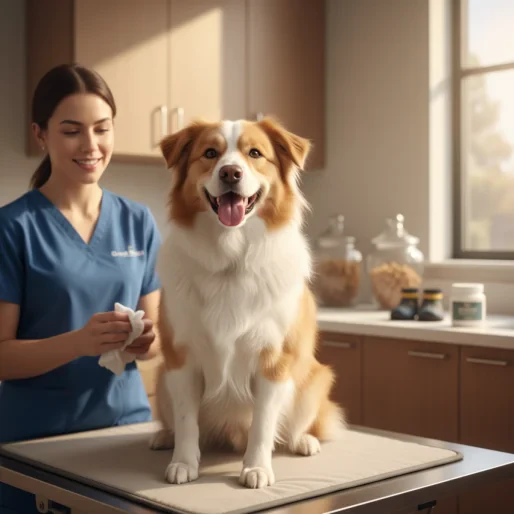
Before you even leave for a walk, set up your entryway. You need a shallow tray or bowl of warm water and a microfiber towel. You will not want to be scrambling for these when you return with a shivering, salty dog.
Phase 2: The Pre-Walk Protocol
Successful winter walking starts fifteen minutes before you open the door.
Step 1: Trim the Interdigital Fur
Long hair between the toes is a magnet for ice balls and salt crystals. These clumps act like rocks in a shoe, grinding against the tender skin between the toes. Keep this fur trimmed flush with the pads. Do not dig deep with scissors; just trim the excess that protrudes beyond the pad surface.
Step 2: Apply Barrier Wax
Apply a generous layer of paw wax immediately before heading out. Focus on the spaces between the pads, not just the large pad surfaces. This prevents snow from packing into ice balls between the toes.
Step 3: Boot Up (If applicable)
If using boots, put them on just before the door opens. This associates the boots with the excitement of the walk, distracting the dog from the strange sensation on their feet.
Phase 3: The Walk Strategy
How you walk is just as important as what your dog wears. Avoid metal covers on manholes or utility grates; these can become super-cooled and cause immediate frostbite or sticking. Similarly, try to steer clear of puddles that look like 'slush.' These are often super-saturated salt solutions that are far more caustic than dry rock salt.
If your dog suddenly stops and lifts a paw, do not force them to walk on it. This is usually a sign of an ice ball forming or a salt crystal lodging between toes. Stop, inspect the paw, remove the debris with your bare hand (so you can feel what they feel), and warm the paw slightly with your hand before continuing.
Phase 4: Post-Walk Decontamination
This is the most critical step for preventing toxicity. Dogs are fastidious groomers; if you do not clean their paws, they will lick them clean. Ingesting road salts can lead to gastrointestinal upset, and in severe cases with certain chemical melts, electrolyte imbalances.
The 'Dunk and Dry' Method
Wiping with a dry towel is rarely enough to remove chemical residue. I recommend the 'Dunk and Dry' method:
- The Dunk: Dip each paw into a bowl of lukewarm water. You can add a drop of dog-safe shampoo if the roads were particularly oily or muddy. Swirl the paw gently to dissolve salt crystals and melt ice balls.
- The Inspection: As you lift the paw, check between the toes for any cuts, abrasions, or redness.
- The Dry: Pat, do not rub, the paws dry with a microfiber towel. Rubbing sensitive, cold skin can cause irritation. Ensure the space between the toes is completely dry to prevent yeast growth, a topic I cover extensively in my guide on humidity and hounds.
- The Moisture: Once the paws are dry and warm (wait about 15-20 minutes), apply a veterinary-grade moisturizer (not the barrier wax used earlier). This helps heal micro-cracks.
Troubleshooting Common Winter Paw Issues
Dry, Cracked Pads
If the pads are already cracked, salt will sting intensely. In this case, boots are mandatory until healed. You can treat minor cracks with a healing balm containing calendula or vitamin E. If the crack is bleeding or deep, wrap it lightly and see your vet to rule out infection.
Chemical Burns
Chemical burns look like red, raw patches of skin, often accompanied by blistering. The dog may lick the area obsessively. This is not a home-remedy situation. Chemical burns require veterinary treatment, often involving prescription topical antibiotics and pain relief. Do not apply human creams unless directed.
Toxicity Concerns
If your dog licks their paws after a walk and subsequently vomits, drools excessively, or appears lethargic, this is an emergency. Some ice melts contain ethylene glycol (antifreeze) or high concentrations of potassium chloride which can be toxic. Immediate triage is required.
When to Call the Vet
While most winter paw issues can be managed at home with the right routine, certain signs warrant professional intervention:
- Persistent Limping: Lameness that lasts more than an hour after the walk.
- Discoloration: Pads that turn pale, grey, or blue (signs of frostbite).
- Purulent Discharge: Pus or bad odor coming from a crack or nail bed.
- Behavioral Changes: Refusal to eat or lethargy after a walk (potential toxicity).
Winter walks are essential for mental and physical health. We don't want to stop walking; we just want to walk smarter. By creating a barrier between your dog and the elements, and being diligent about the post-walk cleanup, you can enjoy the crisp winter air without the emergency vet visit. For more on managing paw health in changing conditions, read my advice on paw care during the big thaw, which covers the transition from ice to mud.
Remember, if the pavement is too cold for you to hold your hand on it, or too salty for you to want to touch, it's too harsh for your dog's unprotected paws.
Frequently Asked Questions
Can I use Vaseline on my dog's paws for snow protection? ↓
How do I know if my dog has salt burns on their paws? ↓
Is rock salt toxic to dogs? ↓
Do dogs really need boots for winter walking? ↓

Emma Lawson
Practical Pet Care Educator
Practical pet home care specialist — clear, step-by-step guidance grounded in veterinary nursing standards.
Content Disclosure
This article was created using state-of-the-art AI models with human editorial oversight. It is intended for informational and entertainment purposes only and does not constitute veterinary medical advice. Always consult a licensed veterinarian for your pet's specific health needs. Learn more about our process.