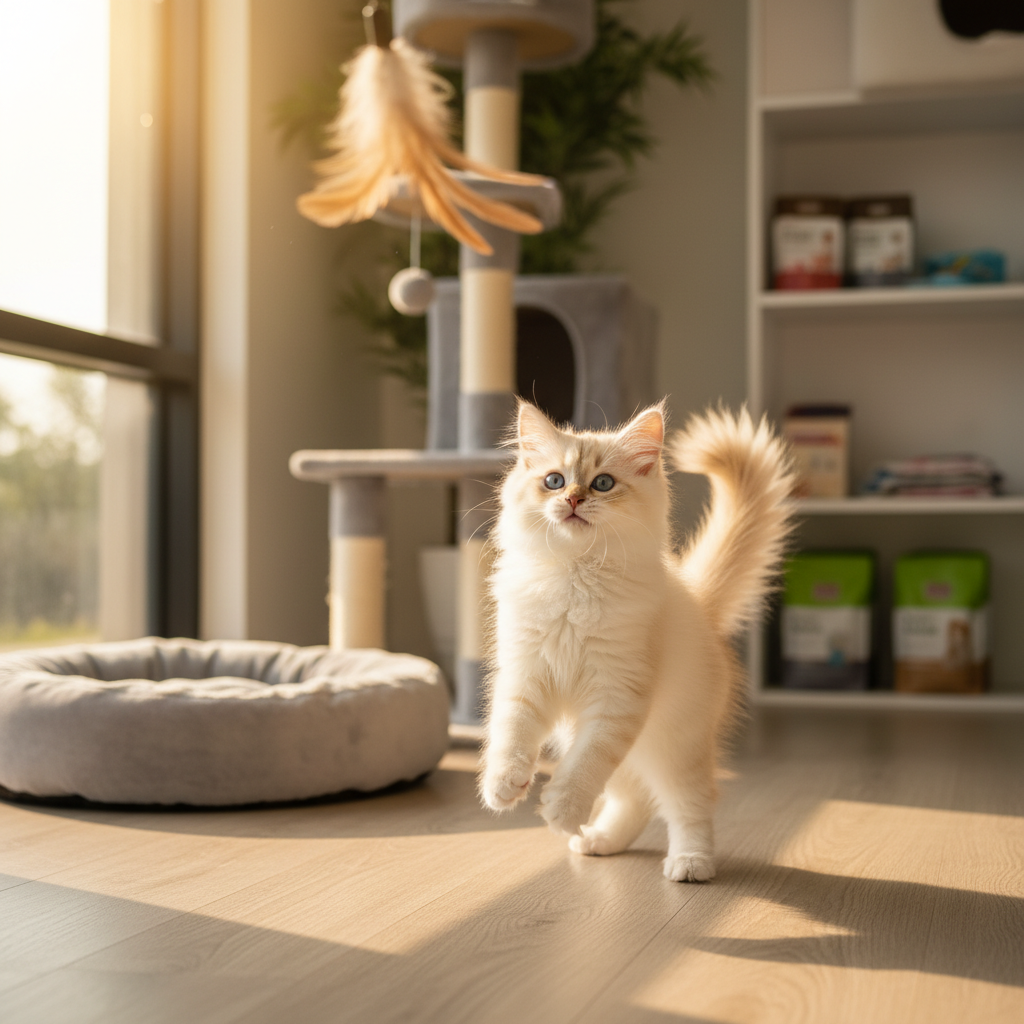
Kitten season hits Canadian shelters hard from late spring through early autumn, and neonatal fosters are critically needed. This guide covers climate considerations, feeding protocols, provincial shelter expectations, and emergency care specific to fostering in Canada.
Key Takeaways
- Neonatal kittens (under four weeks old) cannot regulate body temperature, urinate, or defecate without assistance from a carer.
- Bottle feeding schedules range from every two hours for newborns to every four to six hours by week three.
- Stimulation of the genital area after every feed is essential to prevent life threatening urinary retention.
- Kitten season in Canada typically peaks between May and October, though mild coastal climates may see earlier litters.
- Provincial SPCA branches and humane societies coordinate foster programmes with orientation sessions, veterinary support, and supply provisions.
- Any kitten that refuses two consecutive feeds, feels cold, or shows laboured breathing needs immediate emergency veterinary attention.
ASPCA Animal Poison Control / Local Emergency Vet
Call the ASPCA Poison Control hotline (also serves Canada) or contact your nearest emergency veterinary hospital.
The ASPCA hotline charges a consultation fee. For non-poison emergencies, search for a 24-hour veterinary hospital in your city.
Kitten Season in Canada: When and Why It Matters
Across most of Canada, kitten season begins in earnest around May and continues through September or October. The timing is driven by daylight: as days lengthen in spring, unspayed cats enter their reproductive cycle. In milder regions such as coastal British Columbia and parts of southern Ontario, litters may appear as early as April. In the Prairies and northern provinces, the season tends to start later but can produce a concentrated surge of neonatal intake at shelters during June and July.
Provincial SPCAs, municipal humane societies, and independent rescues across Canada report that neonatal kittens, those under four weeks old, represent some of the highest risk animals entering the shelter system each year. Without foster carers willing to provide round the clock feeding and warmth, these kittens face very poor survival odds. The Canadian Veterinary Medical Association (CVMA) recognises community fostering as a vital component of animal welfare infrastructure.
Preparation: Supplies and Setup for Canadian Fosters
Essential Supplies
- Kitten milk replacer (KMR): A commercially formulated milk replacer designed for kittens, available at most Canadian pet retailers and veterinary clinics. Expect to pay roughly $15 to $30 CAD per container depending on size. Never substitute cow's milk, goat's milk, or human infant formula, as these cause severe digestive upset and nutritional deficiencies.
- Nursing bottles and nipples: Small bottles with appropriately sized nipples designed for kittens. Some carers prefer specialised nipples that fit on syringes for very small neonates. Many shelter foster programmes in Canada provide these at no cost during orientation.
- Digital kitchen scale: Accurate to at least one gram. Daily weighing is the single best way to monitor whether a kitten is thriving. Healthy neonates typically gain around 10 to 15 grams per day.
- Heat source: A microwaveable heat disc or electric heating pad set to low with an automatic shutoff. This is especially important in Canada, where indoor temperatures in older homes can dip overnight even in summer months.
- Soft bedding and a small carrier or box: The enclosure should be just large enough for kittens to huddle together with their heat source. Line it with fleece blankets or towels, avoiding terry cloth (tiny claws snag in the loops).
- Non clumping litter: For the litter tray introduction around week three to four. Clumping litter is dangerous for young kittens who ingest it. Paper pellet litter, widely available at Canadian pet stores, is a safe alternative.
- Cotton pads, soft cloths, and unscented baby wipes: For stimulating elimination and cleaning faces and bottoms between feeds.
- Feeding and weight log: A notebook or printed chart. Many Canadian shelters provide their own templates during foster orientation.
Setting Up a Warm, Safe Space
Temperature control is critical, and Canadian homes present specific considerations. For the first week of life, the ambient temperature inside the nesting box should be around 29 to 32°C. This gradually decreases as the kittens grow: aim for roughly 27°C by week two, and around 24°C by week four. A thermometer placed inside the bedding helps monitor conditions accurately.
In spring and early summer, Canadian homes may still experience cool nights, particularly in provinces like Alberta, Manitoba, and Quebec. Ensure the nesting room maintains a stable temperature and avoid placing the enclosure near exterior walls, windows, or air conditioning vents. Baseboard heaters and forced air systems can create uneven heating, so checking the actual temperature at kitten level is important rather than relying on the thermostat reading.
Keep the nesting area in a quiet room away from other household pets. Neonatal kittens have immature immune systems and are susceptible to infections that adult cats may carry without showing symptoms.
Bottle Feeding: Step by Step Protocol
Prepare the Formula
Mix kitten milk replacer according to the manufacturer's instructions. Prepare only enough for one feeding session; formula left at room temperature breeds bacteria quickly. Warm the prepared formula to roughly body temperature (around 37°C) by placing the bottle in a cup of warm water. Test a drop on your inner wrist: it should feel neutral, neither hot nor cool.
Position the Kitten Correctly
Never feed a kitten on its back like a human baby. This position allows formula to enter the lungs (aspiration), which can cause fatal pneumonia. Instead, place the kitten belly down on a towel on your lap or on a table, allowing it to raise its head naturally toward the nipple, mimicking how it would nurse from its mother.
Feed Slowly and Patiently
Gently insert the nipple into the kitten's mouth. Most healthy neonates will latch and begin to suckle within a few seconds. Let the kitten set the pace. Do not squeeze the bottle to force formula in, as this dramatically increases aspiration risk. If a kitten is too weak to suckle, contact your shelter coordinator or veterinarian before attempting syringe feeding, which requires specific technique.
Burp the Kitten
After feeding, hold the kitten upright against your shoulder or in your palm and gently pat its back. Small bubbles of air can cause discomfort and bloating, so a brief burping session after each feed is standard practice.
Feeding Schedule by Age
- Newborn to one week (under 150 g): Feed every two to three hours, including overnight. Typically 2 to 6 ml per feed.
- One to two weeks (150 to 250 g): Feed every three to four hours, including at least one overnight feed. Typically 6 to 10 ml per feed.
- Two to three weeks (250 to 350 g): Feed every four to five hours. Overnight gaps of five to six hours are usually tolerable. Typically 10 to 14 ml per feed.
- Three to four weeks (350 g and above): Feed every five to six hours. Begin introducing a shallow dish of formula alongside bottle feeds to encourage lapping.
These volumes are approximate guidelines. The most reliable indicator of adequate nutrition is consistent daily weight gain. A kitten that loses weight or fails to gain over a 24 hour period needs veterinary assessment.
Stimulation: Helping Kittens Eliminate
Kittens under three to four weeks old physically cannot urinate or defecate on their own. In normal circumstances, the mother cat licks the perineal area to trigger elimination. Without this stimulation, waste builds up and can become a medical emergency.
- After every feeding session, hold the kitten securely in one hand.
- Using a warm, damp cotton pad or soft cloth, gently stroke the genital and anal area in a consistent, rhythmic motion.
- Continue for 30 to 60 seconds, or until the kitten urinates and, ideally, defecates.
- Urine should be pale yellow and nearly clear. Dark yellow or orange urine suggests dehydration.
- Stool should be soft and yellowish. Diarrhoea, green stool, or absence of stool for more than 24 hours all warrant a veterinary call.
This process may feel awkward at first, but kittens respond readily, and a routine develops quickly within the first day or two.
Developmental Milestones and Weaning
Week One to Two
Eyes are closed, ears are folded. Movement is limited to crawling. The focus is entirely on warmth, feeding, and stimulation.
Week Two to Three
Eyes begin to open (typically around 7 to 14 days), though vision remains blurry. Ears start to unfold. Kittens may begin to wobble on their legs. Gentle handling promotes early socialisation.
Week Three to Four: Litter Box and First Foods
Around three to four weeks, kittens start showing interest in their surroundings. Offer a shallow dish of warmed kitten milk replacer. Gradually introduce a slurry of formula mixed with a high quality wet kitten food. Place a shallow litter tray with non clumping litter (paper pellets or shredded newspaper) in the enclosure. Continue bottle feeds alongside dish feeding; weaning is gradual.
Week Four to Eight
Kittens become increasingly mobile and playful. Teeth begin coming in. Gradually thicken the food slurry and reduce bottle feeding frequency. Most kittens eat primarily from a dish by five to six weeks. By six to eight weeks, kittens should be fully weaned onto wet kitten food with dry kibble offered as a supplement if the shelter or veterinarian advises it. Litter box use should be well established. Socialisation during this period, including gentle handling, exposure to household sounds, and supervised play, contributes to a well adjusted adult cat. For those considering permanent adoption, understanding the True Monthly Cost of Owning a Cat in Canada (2026) supports long term planning.
Health Concerns: What to Watch For
Fading Kitten Syndrome
Fading kitten syndrome describes a rapid decline in a neonatal kitten without an immediately obvious cause. Signs include lethargy, refusal to eat, weak or absent suckle reflex, crying that suddenly stops, and a body that feels cold. Warm the kitten slowly (never with direct heat), offer a tiny amount of sugar water on the gums, and contact a veterinarian immediately.
ASPCA Animal Poison Control / Local Emergency Vet
Call the ASPCA Poison Control hotline (also serves Canada) or contact your nearest emergency veterinary hospital.
The ASPCA hotline charges a consultation fee. For non-poison emergencies, search for a 24-hour veterinary hospital in your city.
Aspiration Pneumonia
If formula enters the lungs during feeding, the kitten may sneeze, cough, or develop a clicking sound when breathing. Formula may also bubble from the nostrils. Stop feeding immediately, hold the kitten with its head slightly lower than its body to help fluid drain, and seek veterinary care.
Dehydration
Gently pinch the skin on the back of the kitten's neck. In a well hydrated kitten, the skin snaps back immediately. If it tents or returns slowly, the kitten may be dehydrated. This is common in kittens with diarrhoea.
Upper Respiratory Infections
Sneezing, nasal discharge, and crusty eyes are common in shelter origin kittens. A veterinarian should assess any kitten with respiratory symptoms. The CVMA notes that early intervention with appropriate veterinary guidance improves outcomes significantly.
Provincial Shelter Expectations for Foster Carers
Shelter foster programmes across Canada share common expectations, though specific requirements vary by province and organisation.
- Attend orientation or training: Most provincial SPCAs and humane societies offer neonatal kitten fostering workshops, often available both in person and online. These cover feeding, stimulation, and emergency protocols.
- Maintain detailed records: Daily weights, feeding volumes, stool consistency, and any concerns. Shelters rely on these logs for medical decision making.
- Communicate proactively: Contact the shelter at the first sign of trouble rather than waiting.
- Attend scheduled veterinary appointments: Shelters typically coordinate vaccinations (usually starting around six to eight weeks of age) and spay or neuter scheduling. In most Canadian provinces, shelters cover the cost of veterinary care for foster animals.
- Keep foster kittens separated from personal pets: This protects both your animals and the fosters from disease transmission.
- Return kittens at adoption readiness: Typically between eight and twelve weeks of age. Returning healthy kittens frees the foster home to save more lives.
Many Canadian organisations, including branches of the Ontario SPCA and Humane Society, the BC SPCA, and the Montreal SPCA, actively recruit foster carers each spring. Signing up before kitten season begins ensures that orientation and supplies are arranged in advance.
Canadian Climate Considerations
Canada's climate creates specific challenges for neonatal kitten fostering. During the spring transition months of April and May, outdoor temperatures can still drop below 0°C overnight in many provinces. Kittens found outdoors during these periods may arrive at shelters severely hypothermic. Warming must be done gradually: place the kitten against your body or on a lukewarm (not hot) heat source and seek veterinary care immediately.
In summer, particularly during heat waves in southern Ontario, Quebec, and the Prairies, overheating becomes a risk. Ensure the nesting area does not become too warm, and monitor for signs of heat stress such as panting or restlessness. The target temperature range inside the nesting box should be maintained with a thermometer regardless of season.
For fosters in rural or northern communities where the nearest veterinary clinic may be a significant drive, having a clear emergency plan is especially important. Know the location and hours of the closest emergency veterinary hospital, and keep your shelter's after hours contact number readily accessible.
Surviving the Sleep Deprivation
Round the clock feeding is genuinely exhausting. Experienced foster networks across Canada recommend the following strategies:
- Set alarms rather than relying on waking naturally. Sleeping through a feed puts fragile kittens at risk.
- Prepare formula and supplies before going to bed so overnight feeds are as efficient as possible.
- If possible, split shifts with a household member.
- Keep the feeding station close to where you sleep during the first two weeks.
- Accept that laundry will increase dramatically. Keep a stack of clean towels and cloths ready.
After Foster Care
Once kittens reach the shelter's target weight and age, have received initial vaccinations, and are eating independently, they return to the shelter or go directly to an adoption event. Some Canadian shelters allow foster carers first right of adoption.
The skills learned with one litter transfer directly to the next, and shelters across every province are consistently seeking reliable carers. For those interested in broader cat care topics, exploring resources on Choosing a Cat Daycare With Real Enrichment in Canada or smart feeders for weekend trips can deepen your understanding of feline wellbeing at every life stage.
Frequently Asked Questions
When does kitten season start in Canada? ↓
Do Canadian shelters cover veterinary costs for foster kittens? ↓
What type of litter is safe for neonatal kittens? ↓
How do I keep neonatal kittens warm in a Canadian home during spring? ↓
What are the signs of a fading kitten that needs emergency care? ↓

Emma Lawson
Practical Pet Care Educator
Practical pet home care specialist — clear, step-by-step guidance grounded in veterinary nursing standards.
Content Disclosure
This article was created using state-of-the-art AI models with human editorial oversight. It is intended for informational and entertainment purposes only and does not constitute veterinary medical advice. Always consult a licensed veterinarian for your pet's specific health needs. Learn more about our process.