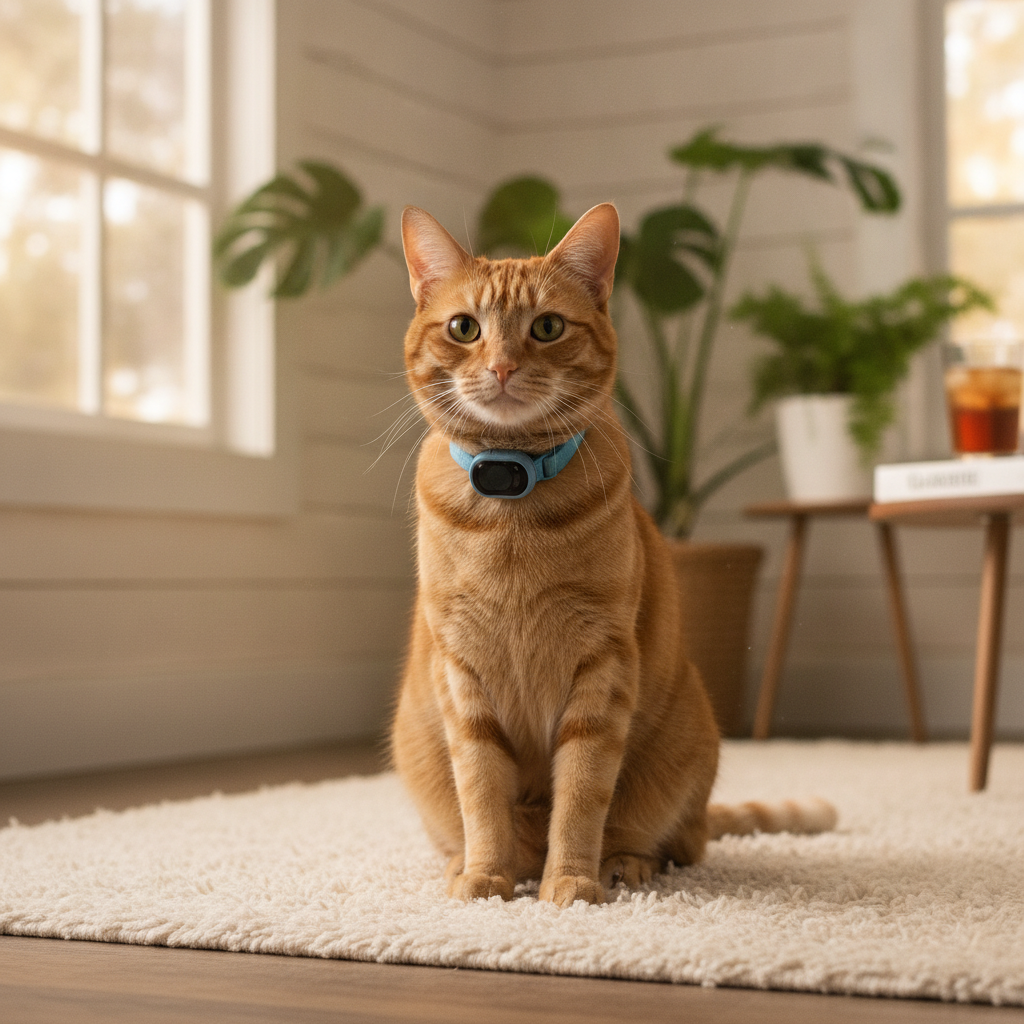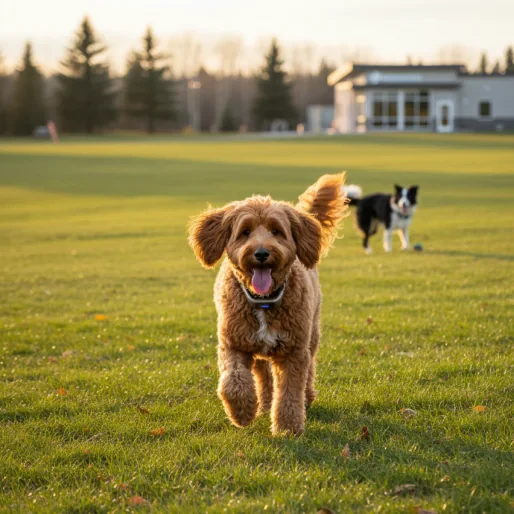
Canadian pet owners face unique challenges when choosing a GPS tracker, from vast rural dead zones to extreme winter cold that drains batteries fast. This guide compares top trackers with CAD pricing, provincial coverage realities, and cold weather performance in mind.
Key Takeaways for Canadian Pet Owners
- GPS pet trackers in 2026 typically deliver 5 to 10 metre accuracy outdoors, but Canadian winters and dense boreal forest canopy can degrade performance noticeably.
- Battery life drops significantly in sub-zero temperatures. Expect roughly 20% to 40% less battery in prolonged cold below minus 15°C.
- Cellular coverage from Bell, Rogers, and Telus remains patchy across northern and rural Canada, making network choice a critical factor.
- Subscription fees range from zero to roughly $26 CAD per month. Over a dog's lifetime, that adds up to thousands of dollars.
- No single tracker excels everywhere in Canada. The right choice depends on your province, proximity to cellular towers, winter conditions, and budget.
Why GPS Tracking Matters in Canada
Canada's vast geography creates specific risks for lost pets. In provinces like British Columbia, Alberta, and Ontario, dogs that escape into forested or semi-rural areas can cover enormous distances quickly, especially breeds with high prey drive such as Siberian Huskies, Alaskan Malamutes, and various sighthounds. The Canadian Veterinary Medical Association (CVMA) emphasises the importance of permanent identification (microchipping), but a microchip only works after someone finds and scans the pet. GPS trackers serve a different purpose: real-time location before the animal reaches a shelter or encounters wildlife, road traffic, or extreme cold.
Provincial animal control bylaws vary. In many Ontario municipalities, dogs found at large without identification may be held for as few as 72 hours before being made available for adoption or transferred. In Alberta, timelines depend on the municipality. A GPS tracker shortens the critical window between escape and recovery.
For owners who use dog sitters or boarding facilities, a tracker also adds accountability. For guidance on communicating breed-specific tendencies to temporary carers, see What to Tell Your Dog Sitter About Your Dog's Breed Traits: High-Energy Working Dogs, Velcro Breeds, and Independent Sighthounds Compared.
Side by Side Comparison (CAD Pricing)
| Feature | Tractive (6th Gen) | Fi Series 3+ | Aorkuler |
|---|---|---|---|
| Tracking Technology | GPS, Wi-Fi, cellular (LTE) | GPS, Wi-Fi, cellular (LTE), Bluetooth | Radio frequency (no cellular) |
| Canadian Availability | Officially sold and supported in Canada | Primarily US; can be shipped to Canada but network support may be limited | Available via online retailers shipping to Canada |
| Reported Accuracy | Approximately 7 to 8 metres (95% confidence) | Approximately 4 to 5 metres during live tracking | Directional compass with distance readout; no map pinpoint |
| Battery Life (Mild Conditions) | 5 to 12 days (up to 4 weeks with Power Saving Zones) | Up to 3 months (typical real world: 6 to 8 weeks) | Up to 15 days |
| Estimated Battery Life (below minus 15°C) | 3 to 7 days | 4 to 6 weeks | 8 to 12 days |
| Approximate Device Cost (CAD) | $70 to $95 | $135 to $200 (often bundled with membership) | $80 to $120 |
| Subscription Cost (CAD) | Approximately $145 to $165 per year | Approximately $26 per month; lower on annual plans | None |
| Waterproof Rating | IPX7 (submersible) | IP68 (submersible) | IP65 (splash resistant) |
| Health/Activity Monitoring | Activity tracking, bark monitoring | Activity, rest, barking, licking, scratching, eating, drinking | Location only |
PitPat GPS has been excluded from this Canadian comparison because it is primarily designed for the UK market, and its bundled SIM does not provide reliable coverage on Canadian networks.
The Canadian Coverage Problem
Canada's three major carriers (Bell, Rogers, Telus) provide strong LTE coverage along the populated corridor from Windsor to Quebec City and in major western cities like Vancouver, Calgary, and Edmonton. Outside those zones, coverage thins rapidly. Cottage country in Ontario's Muskoka region, much of rural Quebec, the Maritime provinces outside Halifax and Saint John, and nearly all of northern Canada present significant cellular gaps.
Cellular GPS trackers (Tractive and Fi) rely on these networks to transmit location data. When a dog wearing a cellular tracker enters a dead zone, the device continues logging GPS coordinates internally but cannot send them to the owner's phone until the signal returns. During a lost-pet emergency, this delay can mean the difference between a quick recovery and a prolonged search.
Tractive officially supports Canadian networks and its Premium plan includes roaming coverage, which is beneficial for cross-border travel into the US. Fi's network compatibility in Canada is less established; prospective buyers should verify LTE band support with their Canadian carrier before purchasing.
Aorkuler sidesteps the cellular issue entirely by using direct radio frequency communication between a collar unit and a handheld controller. This makes it appealing for cottage owners and rural property dwellers, though its practical range is limited to roughly 3 to 5 km in open terrain and less in forested areas.
Cold Weather and Battery Performance
Canadian winters are the single biggest differentiator for tracker performance compared to milder climates. Lithium-ion and lithium-polymer batteries lose capacity in cold temperatures. At minus 20°C to minus 30°C (common across the Prairies, Ontario, and Quebec from December through February), battery life can drop by 30% to 40% compared to manufacturer claims, which are typically tested at around 20°C to 25°C.
Practical strategies to manage winter battery drain include:
- Use Power Saving Zones: Tractive's geofenced zones reduce GPS polling when the dog is at home, which is especially valuable when the device is already stressed by cold.
- Charge before outings: Bring the device to full charge indoors before heading out for winter walks or off-leash time.
- Consider a collar cover: Some owners use a thin insulating sleeve around the tracker to buffer against extreme cold. Ensure it does not obstruct the GPS antenna.
- Monitor battery alerts closely: Set low-battery notifications at a higher threshold during winter months.
For dogs that spend extended time outdoors in winter (sled dogs, farm dogs, livestock guardians on Prairie properties), the Aorkuler may be pragmatic because radio-frequency transmission is less power-hungry than cellular, and the battery holds up marginally better in cold.
Which Tracker Fits Your Canadian Lifestyle?
Urban Condo or Townhouse (Toronto, Montreal, Vancouver)
Strong cellular coverage makes Tractive a cost-effective choice. Its compact size suits smaller breeds, and geofencing alerts are useful in dense neighbourhoods where a dog can reach a busy road within seconds. Weekly charging is manageable as part of a routine.
Suburban Home With a Yard (Ottawa, Calgary, Winnipeg)
Fi Series 3+ is a strong match for active families with medium or large dogs. The extended battery life reduces charging frequency, and the health monitoring features (tracking activity, rest, scratching, licking) can flag changes that warrant a veterinary visit. Check network compatibility with your carrier before buying, as Fi's Canadian support is still expanding.
Rural Property, Farm, or Cottage (Muskoka, Laurentians, Maritimes)
Cellular dead zones make the Aorkuler worth considering. Its radio-frequency approach avoids network dependency entirely. The trade-off is limited range (a few kilometres) and no map-based tracking, meaning it works best for locating a dog that has wandered rather than one that has bolted a long distance. For areas with partial cellular coverage, pairing a Tractive with an Apple AirTag offers a layered approach.
Cross-Border Travellers (Snowbirds, US Road Trips)
Tractive Premium's roaming coverage works across Canadian and US networks, making it the most practical option for owners who spend winters in the southern US or take road trips across the border. Ensure the subscription plan includes North American roaming before departing.
Bluetooth Tags as a Canadian Backup
Apple AirTags and Samsung SmartTags rely on crowd-sourced Bluetooth networks. In Toronto, Vancouver, and Montreal, the density of iPhone and Galaxy users makes these tags surprisingly effective as a supplementary layer at minimal ongoing cost. In rural or northern areas, however, updates may arrive hours apart or not at all. These are best used alongside a dedicated GPS tracker, not as a replacement.
Adoption, Rescue Dogs, and the Adjustment Period
Canadian shelters and rescue organisations see high intake volumes, particularly for large breeds that tend to stay longer in care. Newly adopted dogs are at elevated escape risk during the first 3 to 6 months in a new home. Escape behaviour, fence jumping, and bolting from open doors are commonly reported during this adjustment period. A GPS tracker is a practical safety measure during this time, regardless of which model is chosen. For more on the challenges facing large shelter dogs, see Why Large Dogs Wait Longer in Canadian Shelters.
Combining a tracker with a thorough initial veterinary check, up-to-date vaccinations (rabies vaccination is legally required across all Canadian provinces), and proper Spring Parasite Prevention Mistakes Canadian Owners Make gives a new dog the strongest possible start.
ASPCA Animal Poison Control / Local Emergency Vet
Call the ASPCA Poison Control hotline (also serves Canada) or contact your nearest emergency veterinary hospital.
The ASPCA hotline charges a consultation fee. For non-poison emergencies, search for a 24-hour veterinary hospital in your city.
Long-Term Cost Comparison in CAD
Over a 10-year period (a reasonable span for many breeds), the total cost of ownership looks quite different once subscriptions are included:
- Tractive: Device ($70 to $95) plus approximately $145 to $165 per year in subscription fees totals roughly $1,520 to $1,745 over a decade.
- Fi Series 3+: Device ($135 to $200) plus approximately $310 per year (monthly plan) totals roughly $3,235 to $3,300 over a decade. Annual and multi-year plans reduce this significantly.
- Aorkuler: Device ($80 to $120) with no ongoing fees. Total cost remains $80 to $120 regardless of timeframe.
For context on managing ongoing pet-related expenses in Canada (where pet health care is entirely out-of-pocket or insurance-funded), see What Pet Insurance Actually Pays Out in Canada: Reading Excess Structures, Co-Pay Clauses, and Annual Limits Before You Claim.
Decision Checklist for Canadian Owners
- Is your area covered by Bell, Rogers, or Telus LTE? If yes, cellular trackers will work well. If not, consider Aorkuler or a Bluetooth tag as backup.
- How cold does your region get in winter? Below minus 15°C regularly, expect significant battery reduction. Budget for more frequent charging.
- Do you travel to the US seasonally? Choose a plan with cross-border roaming (Tractive Premium).
- What is your 3 to 5 year budget in CAD? Factor in subscription costs alongside the device price.
- Is your dog newly adopted? A tracker during the first 3 to 6 months is strongly recommended regardless of model.
- Is your pet a cat or very small dog? Veterinary guidelines suggest a tracker should weigh no more than roughly 5% of the pet's body weight. For a 4 kg cat, that means under 200 grams.
- Does your dog spend time off-leash in forested areas? Dense boreal canopy can reduce GPS accuracy. Choose a tracker with multi-constellation satellite support (GPS plus GLONASS plus Galileo) for best results.
Final Perspective
Canada's combination of vast distances, harsh winters, and variable cellular infrastructure makes choosing a GPS tracker more consequential than in smaller, milder countries. The best tracker is not the one with the most impressive specs on paper. It is the one that works reliably in your specific province, your winter conditions, and your daily routine with your dog. Evaluate honestly based on where you actually live and walk, not on best-case marketing claims, and the investment will pay for itself the first time your dog slips a leash or bolts through an open gate.
Frequently Asked Questions
Do GPS pet trackers work in rural Canada? ↓
How does Canadian winter affect GPS tracker battery life? ↓
Which GPS pet tracker works for cross-border travel between Canada and the US? ↓
How much does a GPS pet tracker cost per year in Canada? ↓
Should I put a GPS tracker on a newly adopted shelter dog in Canada? ↓

Priya Nair
Dog Breed Advisor & Adoption Counsellor
Dog breed advisor and adoption counsellor — honest breed comparisons and lifestyle matching for prospective owners.
Content Disclosure
This article was created using state-of-the-art AI models with human editorial oversight. It is intended for informational and entertainment purposes only and does not constitute veterinary medical advice. Always consult a licensed veterinarian for your pet's specific health needs. Learn more about our process.