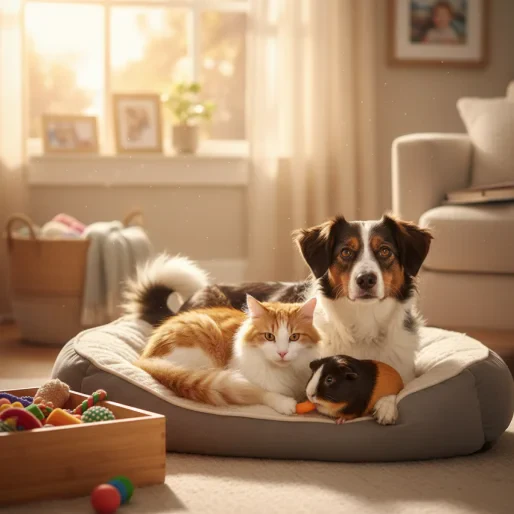
The death of a family pet is often a child's first encounter with loss, and the way caregivers respond shapes how children understand and cope with grief for years to come. This guide covers honest communication strategies, age-appropriate memorial rituals, and clear indicators of when professional bereavement support is warranted.
Key Takeaways
- Use clear, honest language: Words like "died" and "death" are kinder in the long run than euphemisms such as "went to sleep" or "passed away," which can cause confusion and anxiety in young children.
- Grief is normal and varies widely: Children may cry immediately, seem unaffected, or move between sadness and play. All of these responses can be developmentally appropriate.
- Memorial rituals provide structure: Simple ceremonies, memory boxes, and garden tributes give children a concrete way to process abstract loss.
- Most children recover with family support: The majority of children move through pet bereavement naturally when adults are honest, present, and willing to talk.
- Professional help is available and appropriate: If grief interferes with school, sleep, eating, or social functioning for more than a few weeks, consultation with a child psychologist or counsellor is advisable.
Why the Death of a Pet Is a Significant Childhood Experience
For many children, a family pet is their first close relationship with another living being outside the immediate family unit. The bond formed with a dog, cat, rabbit, or even a goldfish carries genuine emotional weight, and the loss of that bond represents, in many cases, a child's first direct encounter with death. Child development professionals widely recognise pet bereavement as a meaningful psychological event, one that, handled thoughtfully, can lay important groundwork for how a child understands and copes with loss throughout their life.
The temptation for many caregivers is to minimise the experience: to replace the pet quickly, to offer cheerful reassurance, or to shield children from the full reality of what has happened. The broader consensus within child psychology suggests that these well-intentioned approaches often hinder rather than help. Children benefit from honesty, from being included in mourning rituals appropriate to their age, and from seeing the adults around them acknowledge that grief is a natural and acceptable response to loss.
This guide brings together best-practice guidance from child development and bereavement support frameworks to help parents, carers, and pet professionals navigate this sensitive territory with confidence.
How Children Grieve: Recognising Normal Responses at Every Stage
There is no single correct way for a child to grieve. Responses are shaped by age, temperament, the nature of the relationship with the pet, previous experiences of loss, and the emotional climate of the household. Understanding the range of normal responses helps caregivers avoid unnecessary alarm while also remaining alert to signs that extra support is needed.
Grief Responses by Developmental Stage
Toddlers and preschool children (ages 2 to 5) do not yet have a stable understanding of death as permanent or universal. They may ask repeatedly where the pet has gone, seem confused by the absence, or return to the topic days later as though hearing the news for the first time. Regression to earlier behaviours, such as bedwetting or increased clinginess, is common and typically short-lived.
School-age children (ages 6 to 11) begin to understand that death is permanent and that it will eventually happen to everyone they love. This realisation can generate anxiety alongside sadness. Children in this age group may ask detailed, practical questions about what happens to the body, and they often benefit greatly from honest, straightforward answers. Some children in this stage appear stoic or even indifferent in the immediate aftermath of a loss, then show intense emotion days or weeks later. This delayed response is developmentally normal.
Adolescents (ages 12 and older) may grieve in ways that more closely resemble adult mourning, including withdrawal, irritability, or prolonged sadness. They may minimise their feelings in front of family members but process grief privately or with peers. Adolescents sometimes feel embarrassed about the depth of feeling provoked by a pet's death and benefit from having those feelings normalised by trusted adults, without dismissal or teasing.
Physical and Behavioural Signs of Pet Bereavement in Children
Grief in children frequently manifests physically and behaviourally rather than purely through verbal expression. Common signs include:
- Changes in appetite, either reduced interest in food or increased comfort eating
- Sleep disturbances, including difficulty falling asleep, nightmares, or wanting to sleep with a caregiver
- Increased irritability, outbursts, or tearfulness in situations that would not normally provoke a strong response
- Withdrawal from friends, activities, or hobbies previously enjoyed
- Difficulty concentrating at school, reflected in academic performance or teacher feedback
- Repeated questions about death, illness, or what happens after animals or people die
- Seeking out the pet's belongings, bed, or usual spots in the home
These signs are generally expected in the weeks following a loss and typically resolve as the child and family adjust. Caregivers should take note if any of these behaviours persist or intensify beyond four to six weeks, as this warrants a conversation with a healthcare or mental health professional. For further adult-focused guidance on navigating this period, the TrustMyPets article Coping with the Loss of a Pet: Common Questions Answered covers the broader bereavement landscape in detail.
Using Honest Language: What to Say When a Pet Dies
The language adults use when discussing a pet's death has a measurable effect on how children process the event. Child psychologists and bereavement specialists consistently recommend clear, age-appropriate honesty over protective euphemisms. When children sense that the full truth is being withheld, they often fill the gap with fears that are worse than reality.
Euphemisms to Avoid and Why
- "Went to sleep" or "put to sleep": This phrase, though widely used, can create significant anxiety in young children who may become frightened of their own bedtime or of surgery involving anaesthesia. It obscures the finality of death in a way that leads to confusion and misplaced fear.
- "We lost him" or "she's gone": Young children interpret language literally. Telling a child the pet is "lost" implies it might be found, and "gone" offers no clarity about permanence.
- "He passed away" or "she's no longer with us": These softer phrases are less alarming than the alternatives above, but they still lack the clarity young children need. For children under ten, direct language is generally more helpful.
- Spiritual concepts introduced solely as comfort: For families with a religious or spiritual framework that includes an afterlife for animals, those concepts can be genuinely comforting. For families without such a framework, introducing unfamiliar ideas purely as consolation can confuse rather than reassure.
Recommended Language for Difficult Conversations
Child development guidance generally supports phrases such as: "Our cat has died. That means her body stopped working completely and she will not come back. We are going to miss her very much." This approach acknowledges the permanence of death, removes ambiguity, and gives space for emotion without overwhelming the child.
It is appropriate, and often helpful, for adults to show their own sadness. Children who see caregivers express grief learn that sadness is a valid and manageable emotion. At the same time, adults who are themselves struggling significantly may benefit from their own support structures, so that they remain emotionally available for the child.
If the pet died following a diagnosis of serious illness, or if euthanasia was the option chosen, honesty remains the recommended approach. Explaining that a veterinarian helped the pet die peacefully because it was very ill and in pain is both truthful and, for most children, a comprehensible act of kindness. For families navigating this process, our guide on Home Euthanasia for Dogs and Cats: What the Process Involves, What to Expect, and How to Find a Visiting Vet provides detailed practical context.
Memorial Rituals That Support Healthy Grieving
Rituals serve a recognised psychological function in bereavement: they create a structured moment of acknowledgement, involve the bereaved in an active rather than passive role, and provide a concrete memory to return to. For children especially, ritual and ceremony translate the abstract concept of loss into something tangible and participatory.
Simple At-Home Ceremonies
A backyard burial, where local regulations permit, gives children an opportunity to say goodbye in a physical, concrete way. Children can be involved in choosing a burial spot, placing flowers or favourite toys with the pet, or reading a short poem or story. Marking the grave with a small stone or plant provides an ongoing focal point for remembrance.
Where burial is not possible, a small home ceremony around the return of ashes can serve a similar purpose. Allowing children to participate in choosing where ashes are kept or scattered, and in saying a few words at that moment, preserves their sense of inclusion in the process. Families considering their options in this area will find the TrustMyPets article Aquamation vs. Flame Cremation: Understanding the Process a useful starting point.
A memory box is a particularly accessible and therapeutic activity across a wide age range. Children can fill a decorated box or tin with photographs, the pet's collar or name tag, a favourite toy, a paw print impression, and written or drawn tributes. The box does not need to be kept permanently on display, but having it available provides a tangible way to revisit memories at the child's own pace.
Longer-Term Memorial Projects
For children who benefit from more extended engagement with their grief, longer-term projects can be meaningful. Planting a memorial garden or a single plant in the pet's memory combines a living tribute with an ongoing nurturing activity. Guidance on which plants are safe to use in an outdoor tribute space is available in the TrustMyPets article Planting a Memorial Garden: Pet-Safe Flora for Remembrance.
A memory book or scrapbook, built over days or weeks rather than completed in a single sitting, allows children to process grief gradually. Some children return to these projects months later, adding new memories as they surface. Others prefer to complete the book and then put it away, but find the act of making it helpful at the time.
Preparing Children When a Pet Is Seriously Ill or Approaching End of Life
When a pet is diagnosed with a terminal illness or reaches the end of a long life, caregivers often face the question of whether and how much to tell children in advance. The professional consensus from both child development and veterinary bereavement literature supports gradual, honest preparation over sudden disclosure.
Sharing that a pet is very ill, that the veterinarian is helping to manage its pain, and that it may die soon gives children time to adjust, ask questions, and say goodbye. Children who have not been prepared and then encounter a sudden death may experience additional distress rooted in shock and a sense of exclusion from an important family event.
Allowing children to visit a terminally ill pet, to sit quietly with it, stroke it if appropriate, and say what they wish to say, is widely considered beneficial. It removes the mystery surrounding death and gives children agency in the farewell process. Adults should follow the child's lead: some children want to be present, and others prefer not to be. Both choices should be respected without pressure or judgement.
When to Seek Professional Help
The majority of children move through pet bereavement without requiring professional intervention. Family support, honest communication, and the passage of time are, in most cases, sufficient. However, there are circumstances in which professional guidance is warranted, and recognising those circumstances is an important part of responsible caregiving.
Signs That Grief May Have Become Complicated
- Persistent functional impairment: If a child is consistently unable to attend school, complete daily routines, or engage in previously enjoyed activities for more than four to six weeks following the loss, professional assessment is appropriate.
- Expressions of hopelessness or self-harm: Any indication that a child feels life is not worth living, or any form of self-harm, should be treated as an urgent concern requiring immediate professional attention.
- Extreme or persistent guilt: It is common for children to feel some degree of guilt after a pet dies, particularly if the death followed an accident. Consuming guilt that the child cannot be reassured out of over a period of weeks may benefit from therapeutic support.
- Severe anxiety about death: A new, persistent preoccupation with death that significantly disrupts daily functioning, particularly intense fears about the deaths of family members, may indicate that the child needs more structured support than the family can provide alone.
- Prolonged regression: While short-term regression is normal, persistent regression to earlier developmental stages beyond a few weeks suggests the child may benefit from professional input.
- Social withdrawal that does not lift: A child who withdraws from friends and activities and remains isolated over several weeks may be experiencing depression rather than uncomplicated grief.
Where to Find Professional Support
The primary care pathway for children showing signs of complicated grief begins with the child's general practitioner or paediatrician, who can assess whether a referral to a child psychologist, counsellor, or child and adolescent mental health service is appropriate. Many schools also employ or have access to school counsellors specifically trained to support children through bereavement.
Pet loss support lines and grief counsellors specialising in animal bereavement exist in a number of countries and can provide an additional layer of support, particularly for children who struggle to discuss their feelings in a general therapy context. Organisations such as the Blue Cross in the United Kingdom offer dedicated pet bereavement support services, and equivalent resources exist across many other countries.
It is worth noting that caregivers who are themselves struggling significantly with the loss of a pet may inadvertently communicate distress that amplifies the child's own grief. Seeking adult support, whether through a grief counsellor, a support group, or a trusted professional, is not a sign of weakness but a practical step towards maintaining the emotional availability children need.
Supporting the Whole Family Through Pet Bereavement
Pet loss does not affect only children. Parents, grandparents, and siblings may all be grieving simultaneously, and the dynamics of shared family loss can be both supportive and complicated. Acknowledging that different family members may grieve differently, and at different paces, helps prevent misunderstandings about what constitutes an appropriate level of sadness.
Adults who suppress their own grief in front of children in an effort to appear strong may inadvertently communicate that sadness should be hidden. Equally, adults who are overwhelmed by their own grief may need to ensure that the child's emotional needs are still being met, even if that means enlisting the support of another trusted caregiver temporarily.
The question of when, if ever, to get another pet is one that families commonly face. There is no universally correct timeline. Child development professionals generally advise against replacing a pet immediately, as this can communicate to children that the lost animal was interchangeable and that grief should be brief. A considered pause, during which the family is allowed to grieve, talk about the pet they have lost, and only when genuinely ready consider a new companion, tends to produce healthier outcomes for children and adults alike. If a new pet is eventually welcomed into the home, the TrustMyPets article Questions to Ask Before Adopting a Rescue Dog: A Safety Consultant's Checklist offers a practical framework for making an informed, unhurried decision.
Pet bereavement, navigated with honesty, compassion, and age-appropriate ritual, becomes an experience that, while painful, equips children with genuine emotional resilience. The loss of a beloved companion animal, handled well, teaches that grief is survivable, that love leaves lasting traces, and that life continues to hold meaning even after loss.
Frequently Asked Questions
At what age can children understand that a pet has died? ↓
Should I let my child attend the burial or cremation of our pet? ↓
How long does grief typically last in children after a pet dies? ↓
Should I replace the pet quickly to help my child feel better? ↓
Is it normal for my child to seem fine immediately after the pet died and only become upset days later? ↓
What should I say if my child asks whether our other pets, or family members, will also die? ↓

TrustMyPets Editorial Team
Global Pet Care Experts
Multi-disciplinary editorial team — evidence-based pet care guidance across health, behaviour, and welfare.
Content Disclosure
This article was created using state-of-the-art AI models with human editorial oversight. It is intended for informational and entertainment purposes only and does not constitute veterinary medical advice. Always consult a licensed veterinarian for your pet's specific health needs. Learn more about our process.