Warm weather amplifies dehydration risk for senior cats with kidney disease. This guide covers hydration monitoring, subcutaneous fluid therapy at home, wet food strategies, and emergency warning signs.
Key Takeaways
- Chronic kidney disease (CKD) is one of the most common conditions in senior cats, and summer heat significantly increases dehydration risk.
- Daily hydration monitoring through skin turgor tests, gum moisture checks, and litter box observation can catch problems early.
- Multiple water stations, cat fountains, and wet food strategies help boost daily fluid intake.
- Subcutaneous fluid therapy at home, when prescribed by a veterinarian, can be a vital support tool for cats with moderate to advanced CKD.
- Knowing the emergency warning signs of severe dehydration or heat stress could save a senior cat's life.
Why Summer Hydration Matters for Your Senior Cat's Long Term Health
Cats over the age of ten face a substantially higher risk of chronic kidney disease. According to the International Society of Feline Medicine (ISFM), CKD affects a significant proportion of cats aged 15 and older. Because the kidneys lose their ability to concentrate urine efficiently, cats with CKD produce larger volumes of dilute urine and must drink more water just to stay in balance.
During warm weather, this already precarious balance tips further. Higher ambient temperatures increase insensible water loss through panting and the paw pads. Indoor environments may also become warmer, and cats, being creatures of habit, may not increase their water intake to match the increased demand. The result can be a rapid slide into clinically significant dehydration.
Proactive hydration management is one of the most impactful daily habits an owner can adopt. The owners who see the biggest improvements in their senior cat's comfort, energy, and lab values are the ones who build consistent hydration support into every day, not just when symptoms appear.
Simple Daily and Weekly Habits That Make a Difference
The Morning Hydration Check
Spending 60 seconds each morning on a quick hydration assessment can flag problems before they escalate. Veterinary guidelines recommend two simple tests owners can perform at home:
- Skin turgor test: Gently pinch the skin over the shoulder blades and release. In a well hydrated cat, the skin should snap back within one to two seconds. A delayed return (two seconds or more) suggests dehydration.
- Gum moisture check: Lift the lip and press a finger against the gum. Healthy gums feel slick and moist. Tacky or dry gums warrant closer attention.
Litter Box Monitoring
Tracking litter box output provides objective data. Owners commonly report that keeping a simple daily log of urine clump size and frequency helps them spot trends. A sudden decrease in urine output during warm weather, or a noticeable increase in clump size (which may signal worsening polyuria), are both worth discussing with a veterinarian.
Weekly Weight Checks
Weighing a senior cat once per week on a kitchen or baby scale helps detect fluid loss before it becomes obvious. A drop of even 100 to 200 grams in a 4 kg cat can represent meaningful dehydration. Recording the number in a simple notebook or phone app creates a trend line that veterinarians find extremely useful during checkups.
Exercise, Enrichment, and Environmental Setup
Cool Resting Zones
Senior cats with CKD tend to seek out cool surfaces. Providing multiple options, such as ceramic tiles, cooling mats designed for pets, or elevated mesh beds that allow air circulation, helps regulate body temperature without increasing water loss. If the home uses air conditioning, keeping at least one room at a consistent moderate temperature (around 22 to 24°C) gives the cat a reliable retreat.
For owners who have built or are considering a safe summer catio, adding shade cloth, a water station, and a shaded retreat area is essential for senior cats in warm months.
Gentle Enrichment to Reduce Heat Stress
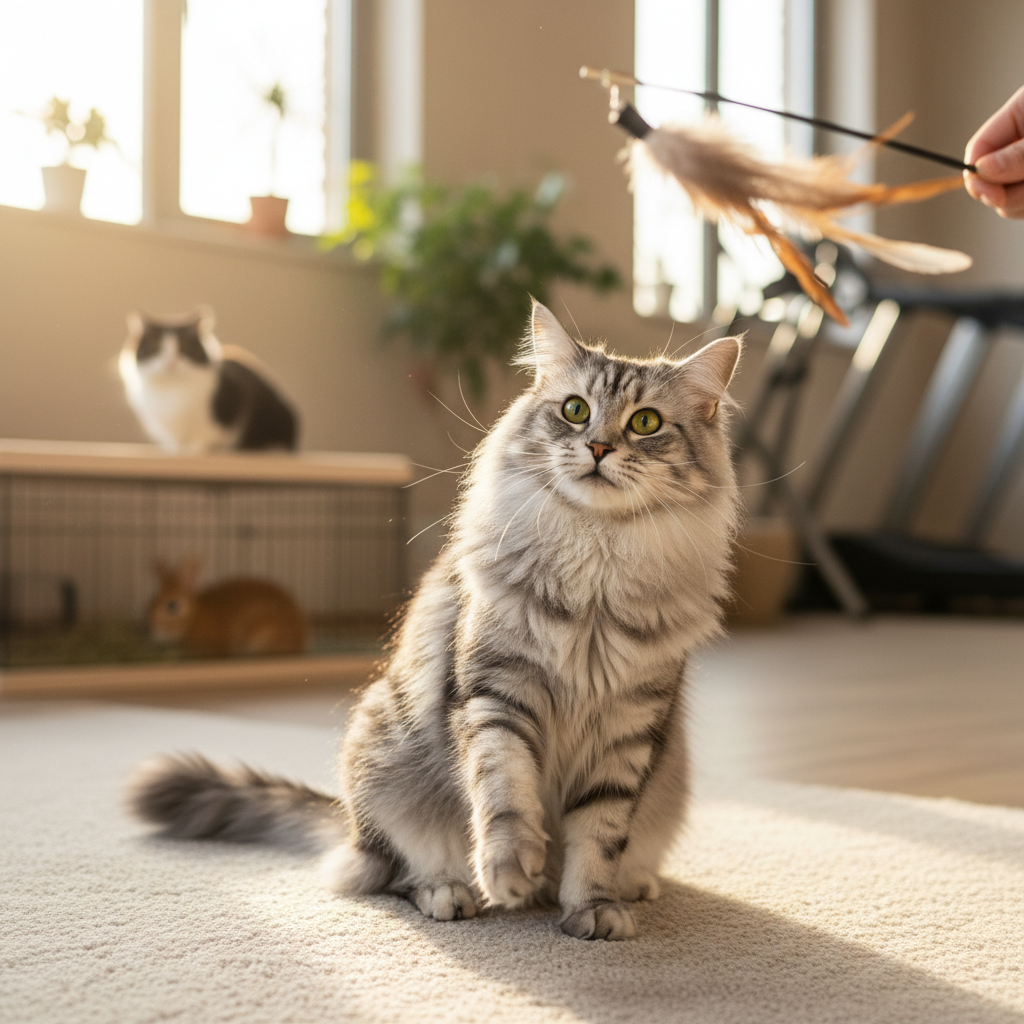
High energy play sessions generate body heat and increase water requirements. For senior cats, especially those with kidney disease, gentle enrichment is preferable during summer. Slow puzzle feeders with wet food, low intensity wand play in the cooler parts of the day (early morning or evening), and scent enrichment using catnip or silver vine provide mental stimulation without overheating.
Owners of multi-pet households may also benefit from reading about smart feeder strategies for multi-pet homes to ensure the senior cat's specialized diet and hydration needs are not disrupted by housemates.
Practical Ways to Encourage Water Intake
Multiple Water Stations
Cats are more likely to drink when water is conveniently located near their preferred resting spots. Veterinary behaviourists recommend placing at least one water bowl per floor of the home, plus one additional station. For senior cats with mobility issues, positioning a bowl within easy reach of their favourite sleeping area removes the barrier of having to walk to a distant kitchen bowl.
Water Presentation Preferences
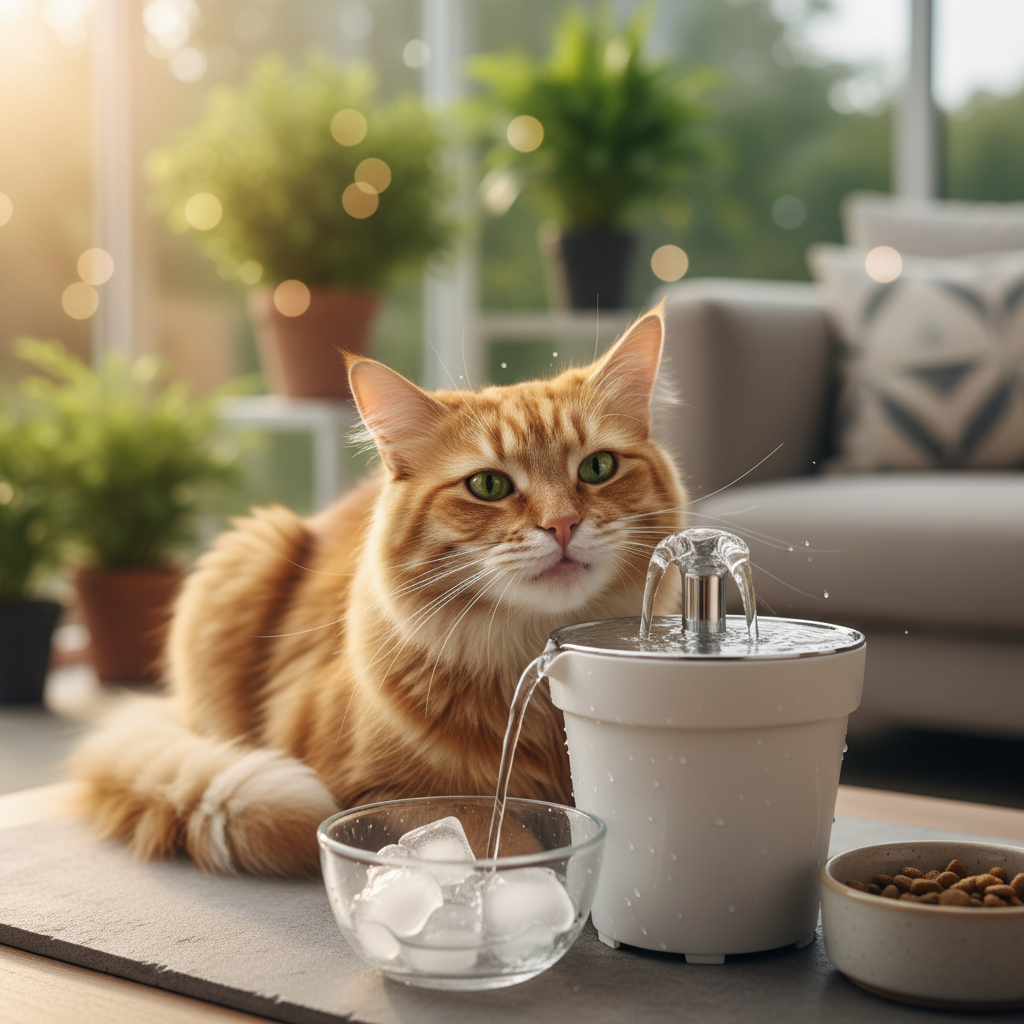
Many cats show a preference for running water, which is why pet water fountains often increase intake. Ceramic or stainless steel fountains are generally preferred over plastic, which can harbour bacteria and develop odours. Other strategies that owners commonly find effective include:
- Using wide, shallow bowls that do not press against whiskers.
- Offering water at room temperature rather than cold from the refrigerator.
- Adding a small amount of low sodium chicken broth or tuna water (with veterinary approval) to make water more appealing.
- Refreshing water bowls at least twice daily, as cats tend to avoid stale water.
Ice Enrichment
Freezing small amounts of low sodium broth into ice cubes and placing them in a water bowl can provide both enrichment and encourage licking and drinking. This is particularly useful during heat waves when water in bowls warms up quickly.
Wet Food Strategies for Hot Days
Wet food typically contains around 70 to 80 percent moisture, compared to roughly 10 percent in dry kibble. For a senior cat with CKD, transitioning to an all wet or predominantly wet diet is one of the most straightforward ways to increase total daily fluid intake. Professional consensus suggests that this single dietary change can meaningfully improve hydration status over time.
Summer Specific Tips
- Smaller, more frequent meals: Wet food spoils faster in warm weather. Serving three to four small portions rather than two large ones keeps food fresh and appealing.
- Adding extra water to wet food: Mixing one to two tablespoons of warm water into each serving creates a soupy consistency that most cats accept. Gradually increasing the water content helps cats adjust.
- Chilled (not frozen) food: On very hot days, serving wet food slightly chilled from the refrigerator can be more palatable. Allow it to reach just below room temperature, as extremely cold food may upset sensitive stomachs.
- Kidney support diets: Cats with diagnosed CKD are typically prescribed therapeutic renal diets that are lower in phosphorus and moderate in protein. These are available in wet formulations from several veterinary diet manufacturers. Always follow the prescribing veterinarian's guidance on diet selection.
Understanding how heat affects cats more broadly, including recognising heat stroke symptoms, is critical context. The guide on cat heat stroke first aid covers emergency cooling protocols that complement the preventive strategies discussed here.
Subcutaneous Fluid Therapy at Home
For cats with moderate to advanced CKD (typically IRIS Stage 3 or 4), veterinarians may prescribe subcutaneous (sub-Q) fluid administration at home. This involves injecting a prescribed volume of balanced electrolyte solution (commonly lactated Ringer's solution or similar) under the skin, usually between the shoulder blades, where it is gradually absorbed over several hours.
When It Is Recommended
Sub-Q fluids are generally recommended when a cat's kidney values (BUN and creatinine) are persistently elevated and the cat cannot maintain adequate hydration through drinking and diet alone. During summer, some veterinarians increase the frequency or volume of sub-Q fluids to compensate for heat related losses. This adjustment should always be made under veterinary direction.
What the Process Involves
- A veterinary team will demonstrate the technique, typically during a dedicated training appointment.
- Supplies include a fluid bag, an administration line with a drip chamber, and a needle (usually 18 or 20 gauge).
- The cat is gently restrained or settled in a comfortable position. Many cats tolerate the process well once it becomes routine.
- A typical session lasts 5 to 15 minutes depending on the volume prescribed (often 100 to 150 mL per session, though this varies).
- Fluids should be warmed to body temperature before administration to improve comfort and absorption.
Important Safety Notes
- Never adjust fluid volume or frequency without consulting the prescribing veterinarian.
- Monitor the injection site for swelling, redness, or signs of infection.
- If fluid is not absorbing within a few hours (a persistent fluid lump under the skin), contact the veterinary clinic.
- Cats with certain heart conditions may not be candidates for sub-Q fluids due to the risk of fluid overload. Cardiac screening is an important part of the initial assessment.
Nutrition and Weight Management Role
Maintaining a healthy body weight is especially important for senior cats with CKD. Both obesity and muscle wasting (cachexia) can complicate kidney disease management. A body condition score (BCS) assessment, using the 1 to 9 scale recommended by the World Small Animal Veterinary Association (WSAVA), should be part of every veterinary visit.
During summer, appetite may decrease due to heat. Strategies to maintain caloric intake include:
- Offering food during the cooler parts of the day.
- Warming wet food slightly to release aromas (for cats that are not heat stressed).
- Discussing appetite stimulant options with the veterinarian if food intake drops significantly.
Owners managing grooming routines for longhaired breeds in summer should note that matted fur can trap heat and increase insensible water loss, making hydration management even more critical for breeds like Persians and Himalayans.
Age Appropriate Wellness Schedule
Veterinary professional bodies, including the American Association of Feline Practitioners (AAFP), recommend that senior cats (aged 11 and older) receive veterinary wellness examinations at least every six months. For cats with diagnosed CKD, more frequent monitoring may be needed, particularly during seasonal transitions. A summer wellness schedule for a senior cat with kidney disease might include:
- Early summer: Blood work and urinalysis to establish a seasonal baseline for kidney values and hydration status.
- Mid summer check in: Weight check, hydration assessment, and adjustment of sub-Q fluid protocols if needed.
- Late summer or early autumn: Repeat blood work to assess how the cat managed through the warm months and adjust the care plan for the cooler season.
Owners considering financial planning for ongoing senior cat care may find the comparison of cat insurance providers helpful in managing the costs of regular diagnostics and treatment.
Warning Signs That Require Emergency Veterinary Care
Knowing when to seek urgent help is one of the most important responsibilities of caring for a senior cat with CKD in summer. The following signs warrant immediate veterinary attention:
- Severe lethargy or unresponsiveness: A cat that cannot be roused or shows no interest in interaction needs urgent assessment.
- Prolonged skin tenting: If the skin remains tented for more than three seconds after a turgor test, dehydration may be severe.
- Dry, pale, or grey gums: This may indicate dehydration, poor circulation, or both.
- Vomiting or diarrhoea lasting more than 12 hours: These conditions rapidly worsen dehydration and electrolyte imbalances.
- Complete loss of appetite for more than 24 hours: In a CKD cat, this can trigger hepatic lipidosis (fatty liver disease) and represents a serious concern.
- Open mouth breathing or panting: Cats rarely pant unless in significant distress. This may indicate heat stroke, pain, or respiratory compromise.
- Seizures or disorientation: These can result from severe electrolyte disturbances or uraemic crisis.
- Sudden collapse: Always an emergency regardless of the suspected cause.
Do not attempt to manage these signs at home. Professional consensus is clear: rapid veterinary intervention in these scenarios significantly improves outcomes.
Building a Sustainable Summer Routine
The most effective hydration and wellness plans are the ones that owners can maintain consistently. Rather than attempting to overhaul everything at once, a phased approach tends to yield better long term results:
- Week 1: Add one extra water station and begin daily skin turgor checks.
- Week 2: Transition to predominantly wet food, gradually increasing moisture content.
- Week 3: Introduce any prescribed sub-Q fluid schedule and establish a cool resting zone.
- Ongoing: Maintain weekly weight checks, keep a hydration log, and communicate regularly with the veterinary team.
Senior cats with kidney disease can enjoy good quality of life for extended periods when their hydration needs are proactively managed. Summer presents additional challenges, but with consistent daily habits, appropriate environmental setup, and close veterinary partnership, those challenges are entirely manageable.
Frequently Asked Questions
How can you tell if a senior cat with kidney disease is dehydrated? ↓
Is it safe to give subcutaneous fluids to a cat at home during summer? ↓
What type of food helps keep a senior cat with kidney disease hydrated? ↓
When should a dehydrated senior cat be taken to the emergency vet? ↓
How many water stations should a senior cat have in summer? ↓

Lena Voss
Pet Wellness & Lifestyle Coach
Pet wellness and lifestyle coach — proactive fitness, weight management, and preventive care for healthier, happier pets.
Content Disclosure
This article was created using state-of-the-art AI models with human editorial oversight. It is intended for informational and entertainment purposes only and does not constitute veterinary medical advice. Always consult a licensed veterinarian for your pet's specific health needs. Learn more about our process.