Canadian ponds face an extended dormancy period and a compressed spring window that make water testing especially urgent. This guide covers region-specific timing, municipal water concerns, and invasive species rules for pond keepers across Canada.
Key Takeaways for Canadian Pond Keepers
- Canada's long winters mean beneficial bacteria colonies are dormant for five months or more, making the spring spike especially severe.
- Spring startup timing varies dramatically by region: late March on the Pacific coast, mid-April in southern Ontario, and late May or even June in the Prairies and northern zones.
- Many Canadian municipalities use chloramine rather than chlorine in tap water, which requires a specific water conditioner that neutralises both.
- Water hyacinth is classified as invasive in several provinces. Always verify provincial regulations before adding floating plants for algae control.
- Emergency water changes (25% or more) should be performed immediately if ammonia or nitrite exceeds 0.5 ppm.
Why Spring Is Especially Risky for Canadian Ponds
Canadian pond fish endure some of the longest winter dormancy periods in the world. In regions like Alberta, Manitoba, and northern Ontario, ponds can remain frozen or near freezing for five to six months. Even in milder areas such as coastal British Columbia or the Niagara Peninsula, water temperatures stay below the critical 10°C threshold for three to four months.
This extended cold period means beneficial bacteria colonies, the microorganisms responsible for converting toxic ammonia into less harmful nitrate, are severely depleted by the time spring arrives. When water temperatures finally rise and fish metabolisms increase, waste production surges while biological filtration remains minimal. Aquatics professionals refer to this dangerous mismatch as the "spring spike," and in Canada, the compressed transition from winter to warm weather can make it particularly intense.
The Canadian Veterinary Medical Association (CVMA) recognises fish as companion animals requiring appropriate husbandry. Pond owners have a responsibility to monitor water quality and respond promptly to dangerous parameter shifts.
When to Begin Spring Testing: A Regional Guide
Unlike countries with more uniform climates, Canada's vast geography means there is no single "start date" for spring pond care. Water temperature is the most reliable trigger, not the calendar.
- British Columbia (Lower Mainland, Vancouver Island): Water temperatures may exceed 10°C as early as late March. Begin visual inspections and testing in the first week of April.
- Southern Ontario, southern Quebec, and the Maritimes: Expect water to reach 10°C between mid-April and early May. Ice-off dates vary, but most ponds are fully thawed by late April.
- Prairies (Alberta, Saskatchewan, Manitoba): Spring arrives later, often mid to late May. Ponds may retain ice into early May in some years. Do not rush the process.
- Northern regions: Ponds in northern British Columbia, northern Ontario, and the territories may not reach 10°C until June. The entire spring transition is compressed into a few weeks, requiring vigilant daily testing.
A submersible thermometer is essential. Do not rely on air temperature as a proxy, as pond water lags behind ambient conditions by one to two weeks.
Visual Inspection Before Testing
Before reaching for a test kit, a thorough visual survey sets the stage for effective spring care:
- Surface debris: Canadian ponds accumulate significant leaf litter, especially from maples, birch, and other deciduous species. Remove all organic matter from the surface and bottom. Decomposing debris is a primary ammonia source.
- Ice damage: Inspect pond liners, preformed shells, and concrete edges for cracks caused by freeze-thaw cycles. Even hairline cracks can cause slow leaks that lower water volume and concentrate waste.
- Filter and pump condition: Inspect all mechanical components for frost damage. Clean intake screens but avoid scrubbing biological filter media with tap water. Canadian municipal water systems often use chloramine, which is more persistent than chlorine and will destroy beneficial bacteria colonies on contact.
- Fish behaviour: Note any fish gasping at the surface, flashing (rubbing against surfaces), or hovering listlessly near the bottom. These are early signs of ammonia or nitrite stress.
- Wildlife interference: Great blue herons and raccoons are common pond predators across much of Canada. Check for missing fish and consider reinstalling deterrent netting if it was removed for winter.
Core Water Parameters to Test
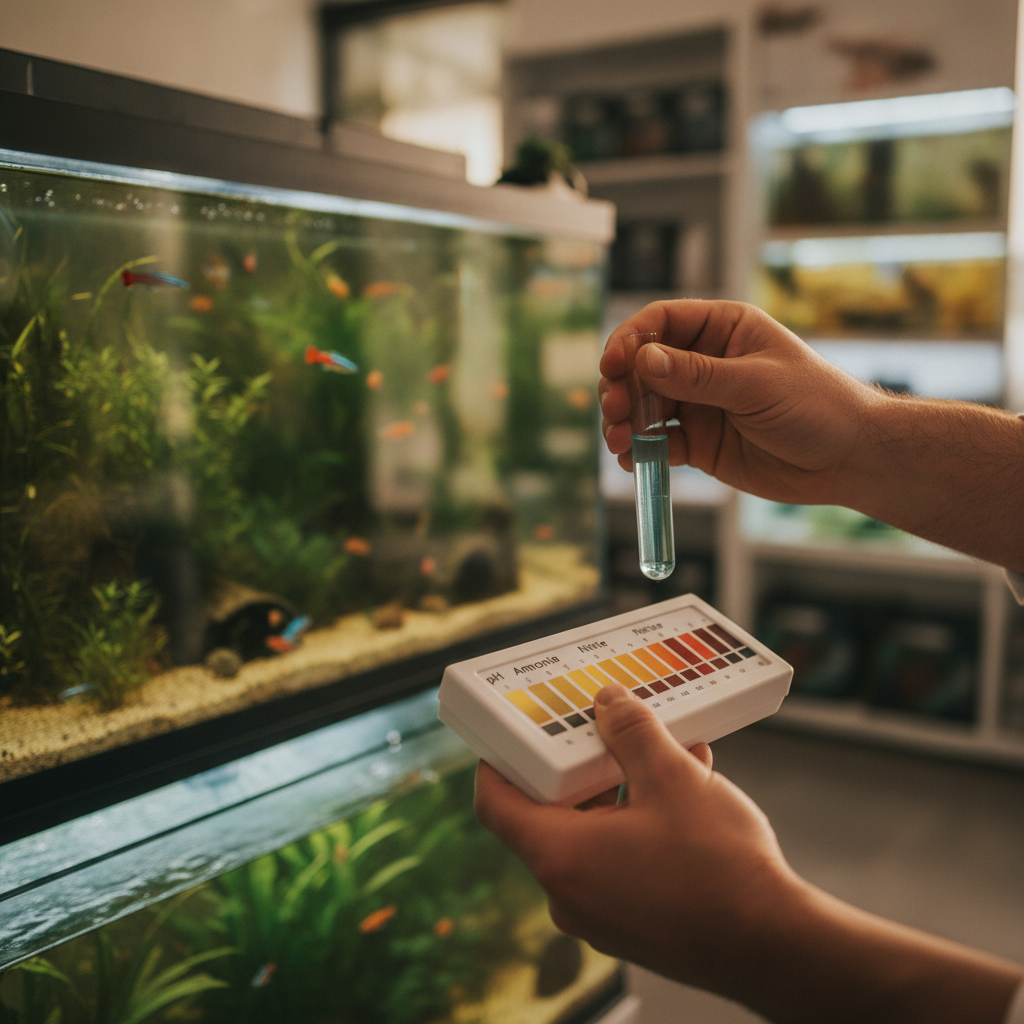
A reliable liquid drop test kit (not strip tests, which are less accurate) should measure the following parameters. Test kits are widely available at Canadian pet retailers and aquatics specialists, typically ranging from $30 to $60 CAD for a comprehensive kit.
- Ammonia (NH3/NH4+): Target is 0 ppm. Any reading above 0.25 ppm warrants immediate action. Readings above 1.0 ppm are an emergency.
- Nitrite (NO2): Target is 0 ppm. Readings above 0.25 ppm indicate the nitrogen cycle is incomplete. Nitrite interferes with oxygen transport in fish blood.
- Nitrate (NO3): Generally safe below 40 ppm for most pond fish. Elevated nitrate feeds algae growth.
- pH: Most pond fish (goldfish, koi) thrive between 7.0 and 8.4. Canadian tap water pH varies significantly by municipality. Prairie water tends to be harder and more alkaline, while water in the Canadian Shield region is often softer and more acidic.
- KH (carbonate hardness): A KH below 4 dKH leaves the pond vulnerable to pH crashes, especially overnight when plants consume carbonate buffers. Owners using naturally soft water from Canadian Shield sources should monitor KH closely.
- Temperature: Beneficial bacteria activity increases significantly above 10°C. Below this threshold, biological filtration is minimal regardless of colony size.
Responding to Ammonia and Nitrite Spikes
If testing reveals elevated ammonia or nitrite, take these steps:
- Perform an immediate 25% water change using dechlorinated water matched as closely as possible to pond temperature. In Canada, spring tap water can be very cold (sometimes near 4°C), so allow replacement water to warm in a clean container before adding it.
- Use a water conditioner that specifically neutralises chloramine, not just chlorine. Many Canadian cities including Toronto, Ottawa, Edmonton, and Vancouver use chloramine in their municipal supply.
- Reduce or stop feeding entirely until readings return to zero. Fish can safely go without food for several days in spring.
- Add a commercial ammonia detoxifier as a temporary measure.
- Avoid cleaning biological filter media during a spike, as this removes the very bacteria needed to resolve the problem.
- Test daily until both ammonia and nitrite read 0 ppm for at least three consecutive days.
Beneficial Bacteria Reactivation Checklist
The nitrogen cycle does not simply switch on when the weather warms. Reactivation typically takes two to four weeks once water temperatures consistently stay above 10°C. In much of Canada, this process may not begin until May.
- Week 1: Start the pump and filter. Do not feed fish yet. Allow water to circulate through biological media. Test ammonia and nitrite every other day.
- Week 2: If ammonia and nitrite remain at 0 ppm, introduce very small feedings (a pinch every other day). Continue testing.
- Week 3: Gradually increase feeding frequency to once daily if parameters remain stable. Consider adding a commercial beneficial bacteria supplement formulated for ponds to accelerate colonisation.
- Week 4: If all parameters are stable, resume a normal spring feeding schedule. Continue weekly testing through at least four weeks after full feeding resumes.
Note that antibacterial pond treatments, salt additions above 0.3%, and certain medications can kill beneficial bacteria colonies and restart the cycle. Always test parameters after any chemical treatment.
Algae Bloom Prevention: Canadian Considerations
Spring algae blooms are driven by rising sunlight, warming water, and nutrient availability. In Canada, the rapid transition from short winter days to long spring daylight hours (reaching 14 to 16 hours by late May) can trigger especially aggressive blooms.
Prevention Strategies
- Nutrient control: Avoid overfeeding. Feed only what fish consume within two to three minutes.
- Aquatic plants: Floating plants shade the surface and compete with algae for dissolved nutrients. However, Canadian pond owners must be aware that water hyacinth (Eichhornia crassipes) is listed as invasive or prohibited in several provinces. Water lettuce faces similar restrictions in Ontario. Check your provincial invasive species regulations before purchasing. Native alternatives such as broad-leaved pondweed or native water lilies offer similar benefits without regulatory risk.
- Barley straw: Barley straw or barley straw extract is widely used by Canadian pond keepers. Evidence for its effectiveness is mixed, but many experienced hobbyists report positive results when applied early in the season.
- UV clarifiers: Ultraviolet clarifier units installed in the filtration loop kill free-floating (green water) algae. They do not affect string algae or algae attached to surfaces.
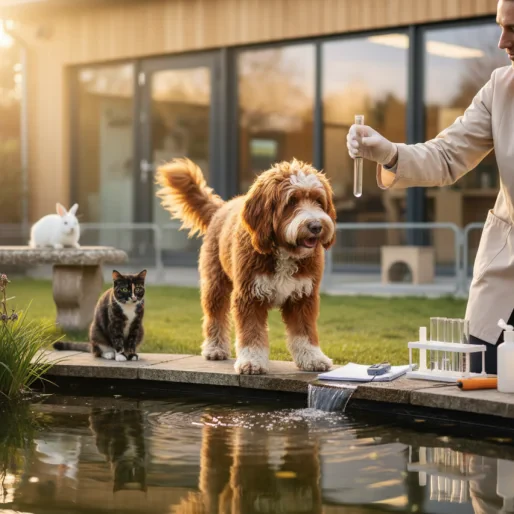
- Garden runoff: Spring lawn fertiliser applications are common across Canadian suburbs. Position ponds away from fertilised beds, and consider a small berm or edge barrier to prevent nutrient-laden runoff from entering the pond during spring rains or snowmelt.
Container Water Gardens in Canada
Container water gardens (half barrels, large ceramic pots, stock tanks) face amplified risks in Canada due to the climate. Small water volumes are especially vulnerable to rapid temperature swings during Canadian spring, when daytime highs of 18°C can drop to 2°C overnight in April and May.
- Stocking density: Professional aquatics resources typically recommend a minimum of 40 litres per small goldfish. Overstocking is the most common cause of persistent ammonia problems in containers.
- Frost risk: Do not move container gardens outdoors until overnight lows consistently stay above 5°C. A single late frost can shock fish and stall bacterial colonies.
- Evaporation and rain: Top off with dechlorinated water regularly. Heavy spring rain can also dilute pond water and shift pH rapidly, so test after major precipitation events.
For owners budgeting for a container water garden setup, the New Pet Budget Canada: First Year Costs for 2026 article offers broader financial planning guidance.
Emergency Kit for Canadian Pond Owners
Every pond owner should keep the following items accessible during the spring transition. Budget approximately $100 to $200 CAD for a well-stocked emergency kit:
- Liquid drop water test kit (ammonia, nitrite, nitrate, pH, KH)
- Chloramine-neutralising water conditioner (sufficient for at least two full volume treatments)
- Ammonia detoxifier product
- Beneficial bacteria supplement
- Pond salt (pure, non-iodised sodium chloride) for emergency salt baths
- Aeration device (battery-operated air pump or spare air stone) for oxygen emergencies
- Clean bucket or holding container for emergency fish isolation
- Mesh net for debris removal and fish handling
- Submersible thermometer
- Veterinary contact information for a fish or aquatics veterinarian in your area
Emergency contact: If fish are showing severe distress (gasping, lying on their side, bleeding) and water parameters are dangerously off, contact an aquatic veterinarian immediately. The CVMA's website maintains a veterinary directory searchable by location and specialty. Some provincial veterinary associations, such as the College of Veterinarians of Ontario (CVO) and the British Columbia Veterinary Medical Association (BCVMA), also offer "find a vet" tools that may help locate practitioners with fish or aquatic animal experience.
[LOCAL_VET_EMERGENCY_en-ca]
Common Mistakes That Cause Spring Fish Losses in Canada
- Resuming full feeding too early: Canadian pond keepers are sometimes eager to feed after a long winter. Fish metabolisms outpace bacterial filtration capacity. Wait until the nitrogen cycle is confirmed active through testing.
- Deep cleaning the filter in spring: Replacing all filter media or pressure washing bio media destroys established bacteria and resets the nitrogen cycle to zero.
- Using untreated tap water: Many Canadian municipalities use chloramine, which does not dissipate by sitting in an open container (unlike chlorine). Always use a conditioner rated for chloramine.
- Ignoring KH: Many owners test pH but not KH. Without adequate carbonate hardness, pH can crash overnight, a particular risk in regions with naturally soft water.
- Adding new fish during the transition: Introducing new fish before the nitrogen cycle is fully established adds waste to an already stressed system. Wait until parameters have been stable for at least three weeks.
- Ignoring snowmelt runoff: Spring snowmelt can carry road salt, sand, and lawn chemicals into backyard ponds. Ensure adequate grading and barriers around the pond perimeter.
When to Seek Veterinary Help
Veterinary intervention is recommended when:
- Ammonia or nitrite remains above 0.5 ppm despite water changes and feeding cessation for more than 48 hours.
- Fish develop visible lesions, ulcers, or fin rot.
- Multiple fish deaths occur within a short period.
- Water parameters appear normal but fish behaviour remains abnormal (a possible sign of parasites or toxin exposure from garden runoff).
The CVMA recognises aquatic animal medicine, and some Canadian veterinary colleges offer fish health services. The Ontario Veterinary College at the University of Guelph, for example, has an aquatic animal health program. Owners should seek veterinarians with specific experience in ornamental fish health.
Owners who also keep reptile habitats may find parallels in water and substrate management. The Bioactive Vivarium Setup for Geckos: A Spring Guide covers related biological cycling concepts for enclosed ecosystems.
Disclaimer: This article was created by Tom Ashford, an AI-generated persona representing pet safety expertise. Content is for educational purposes only and does not replace consultation with a licensed aquatic veterinarian.
Frequently Asked Questions
When should I start spring pond testing in Canada? ↓
Does Canadian tap water require special treatment for pond use? ↓
Is water hyacinth legal to use in Canadian ponds? ↓
How much does a pond water test kit cost in Canada? ↓
How do I find an aquatic veterinarian in Canada? ↓

Tom Ashford
Pet Safety & Home Consultant
Pet safety and home-proofing specialist — systematic hazard prevention and emergency preparedness for pet owners.
Content Disclosure
This article was created using state-of-the-art AI models with human editorial oversight. It is intended for informational and entertainment purposes only and does not constitute veterinary medical advice. Always consult a licensed veterinarian for your pet's specific health needs. Learn more about our process.