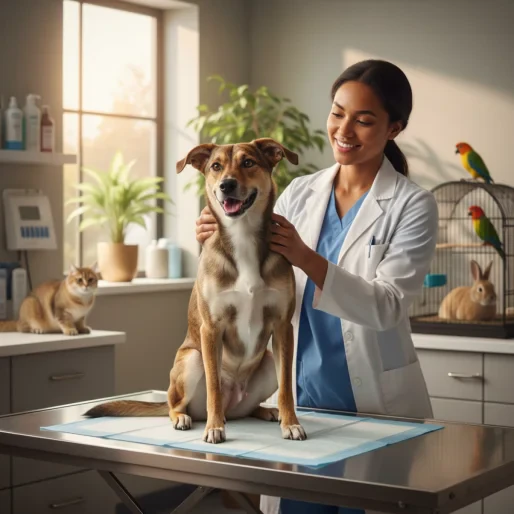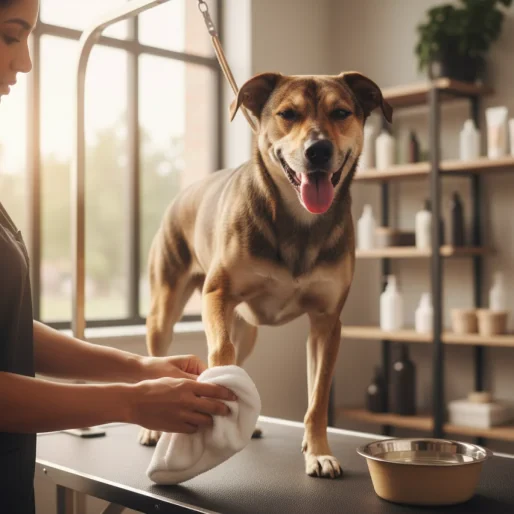
As UK cases of Alabama Rot continue to appear between November and May, we provide a definitive, locally-focused guide on navigating muddy winter walks, understanding the specific risks in British woodlands, and knowing exactly when to seek veterinary help.
Moving Beyond the Headlines: A British Perspective on CRGV
For dog owners across the United Kingdom, the term "Alabama Rot", clinically known as Cutaneous and Renal Glomerular Vasculopathy (CRGV), has become a source of significant anxiety during our long, wet winters. Since the first confirmed UK cases were identified in the New Forest in 2012, the disease has moved from an obscure veterinary curiosity to a genuine seasonal concern for walkers from Cornwall to the Scottish Highlands.
While the media coverage can sometimes be alarmist, the reality requires a balanced, pragmatic approach. CRGV is a rare disease, with fewer than 400 confirmed cases in over a decade, yet its fatality rate remains high (approx. 90% if kidney failure sets in). As we enter the muddy season, traditionally running from November through to May, the goal is not to stop enjoying our beautiful countryside, but to adapt our routine to mitigate risk effectively.
Unlike the ticks found in the grassy knolls of the South Downs or the adders on the heathlands, the trigger for CRGV remains elusive. Current research, led largely by UK institutions like Anderson Moores Veterinary Specialists, suggests a strong correlation with muddy, woodland environments and lower temperatures. This guide focuses on actionable, hygiene-based prevention strategies tailored for the British climate and landscape.
The UK Landscape: Understanding High-Risk Environments
Britain's geography plays a role. The disease has historically been associated with the New Forest, but confirmed cases have been recorded in almost every county, appearing in clusters in Greater Manchester, Surrey, and Staffordshire. The common denominator is rarely the specific location, but the type of environment.
Woodland Mud vs. Field Mud
Veterinary data suggests that deep, stagnant mud in deciduous woodlands poses a higher risk than the mud found in open agricultural fields or coastal paths. In the UK, where the Forestry Commission manages vast tracts of accessible land, this distinction is vital.
- High Risk: Waterlogged woodland tracks, areas with heavy leaf litter decomposition, and stagnant puddles in dense tree cover.
- Lower Risk: Free-draining chalk paths (common in the Downs), sandy beaches, and tarmac or gravel trails (such as the National Cycle Network routes).
During peak season, if local reports indicate a case near you, it is prudent to switch your walking route to well-drained ground. Resources like the live map provided by Anderson Moores can help you stay informed about confirmed cases in your specific postcode area.
The "Boot of the Car" Washdown Protocol
In the UK, we don't often have the luxury of dry winters. Mud is inevitable. However, the prevailing advice from British veterinary specialists is that washing mud off immediately, before you even drive home, may be a crucial preventative measure. This isn't just about keeping the upholstery in your boot clean; it is a health intervention.
1. The Mobile Rinse Kit
Every dog owner's car should be equipped with a mobile cleaning station during winter. This doesn't need to be expensive equipment; a simple 5-litre pressure sprayer (the type used for gardening, filled with warm tap water) is highly effective. If you are walking in a group, this can be a communal activity.
- Focus Areas: Pay particular attention to the paws, specifically between the toes, the wrist (carpus), the ankle (tarsus), and the underbelly. These are the contact points most frequently associated with the initial lesions.
- Temperature Check: In the depths of a British January, ensure the water isn't freezing cold, which can cause shock or discomfort, nor scalding hot. Tepid water is best.
2. Towel Drying and Inspection
Drying is as important as washing. Wet skin in cold weather can crack, compromising the skin barrier and potentially allowing pathogens entry. Use a high-absorbency microfibre towel.
For Owners of XL Bullies and Muzzled Breeds:
Under the current regulations and the XL Bully ban, your dog may be muzzled during public walks. This can make checking the face and mouth area difficult while out. Once you are in a secure, private environment (like your home or a secure private field), safely remove the muzzle to inspect the chin and muzzle area, as lesions can occur here too.
3. The "Paws on the Mat" Rule
When you get home, do a secondary check. British mud, especially clay-heavy soil found in the Midlands and South East, can be stubborn. Ensure no debris is trapped in the fur. This is also the ideal time to check for seasonal hazards like grit salt, which is used liberally on UK roads and pavements and can cause chemical burns to pads.
Identifying CRGV: Symptoms in the UK Context
Early detection is currently our best defence. The disease typically presents in a biphasic pattern: skin lesions first, followed by kidney failure signs 1 to 9 days later.
The Skin Lesion (The Warning Sign)
The hallmark of Alabama Rot is a skin defect that cannot be explained by a known injury. You are looking for:
- Appearance: A circular, red patch that may look like a graze, an ulcer, or an open sore. The centre may become black or necrotic.
- Location: Most commonly on the lower legs (below the knee or elbow), paws, and chest. Less commonly on the muzzle, tongue, or flank.
- Comparison: Unlike a bramble scratch or a bite, this lesion will not heal quickly and may appear angry or swollen. It differs from "Harvest Mites" (seasonal in late summer/autumn) or "seasonal flank alopecia" (common in Boxers and Bulldogs) by its open, ulcerated nature.
Systemic Signs (The Emergency)
If the toxin affects the kidneys, the dog will deteriorate rapidly. Look for:
- Sudden lethargy or depression (your dog just isn't "themselves").
- Vomiting (often dark or bilious).
- Loss of appetite (anorexia).
- Increased thirst or urination (though eventually, urination may stop).
When to Contact Your Vet
British veterinary standards advise that it is better to be safe than sorry with CRGV. If you find an unexplained lesion, especially between November and May, and especially if you have been walking in muddy woodland, contact your vet immediately.
Contact your registered vet's out-of-hours service or find your nearest Vets Now emergency clinic.
All UK vet practices must provide 24/7 emergency cover. Your vet's answerphone will direct you to the on-call service.
Do not wait for the dog to become unwell. Blood tests (checking kidney markers like creatinine and urea) and urine analysis can reveal early kidney distress before physical symptoms become severe. Referral centres across the UK are equipped to handle these cases, often employing plasma exchange therapy in severe instances, but success relies heavily on early intervention.
Breed-Specific Considerations
While CRGV does not discriminate and has been found in Crossbreeds, Labradors, Spaniels, and Vizslas alike, different breeds have different risk profiles regarding mud accumulation.
- Spaniels and Poodles: Their curly or feathered coats trap mud close to the skin. Consider a shorter "winter clip" for the legs to make washing and inspection easier.
- Greyhounds and Lurchers: Their thin skin makes them more susceptible to cuts and scrapes, which can be confused with CRGV lesions. Using protective gaiters or "doggy boots" can prevent mechanical injury and keep the skin clean, though ensure they fit well to avoid rubbing.
- Brachycephalic Breeds (Bulldogs, Pugs): Be mindful that kidney stress can compound breathing difficulties. Keeping these dogs strictly to paths during very muddy conditions may be the safest option.
A Note on Social Responsibility
The UK dog walking community is tight-knit. If you suspect your dog has CRGV, or if it is confirmed by a vet, please report it to the Anderson Moores tracking project. This data is vital for national research. However, avoid panic-posting on local Facebook community groups without veterinary confirmation, as this often leads to unnecessary hysteria and misinformation.
Summary: Enjoying the British Winter Safely
We cannot sterilise the countryside, nor should we deny our dogs the joy of a woodland walk. By adopting a "clean and check" routine, choosing our routes wisely during the wettest months, and remaining vigilant for unexplained sores, we can manage the risk of Alabama Rot effectively. The beauty of the Lake District, the Peaks, and our local woodlands remains open to us, provided we respect the environment and the mud that comes with it.
Frequently Asked Questions
Is Alabama Rot contagious to other dogs or humans? ↓
Can I vaccinate my dog against Alabama Rot? ↓
Are certain areas of the UK safer to walk in? ↓
Does pet insurance cover Alabama Rot treatment? ↓

Lena Voss
Pet Wellness & Lifestyle Coach
Pet wellness and lifestyle coach — proactive fitness, weight management, and preventive care for healthier, happier pets.
Content Disclosure
This article was created using state-of-the-art AI models with human editorial oversight. It is intended for informational and entertainment purposes only and does not constitute veterinary medical advice. Always consult a licensed veterinarian for your pet's specific health needs. Learn more about our process.