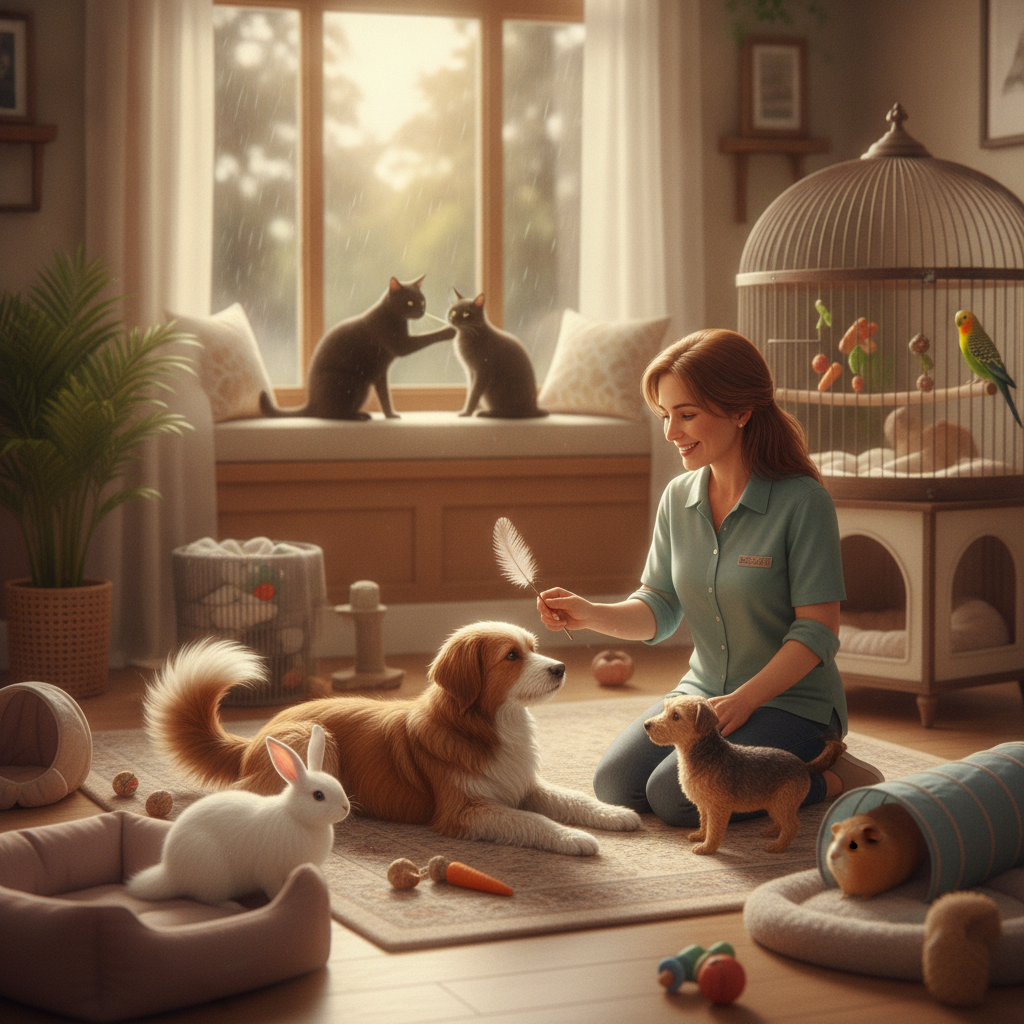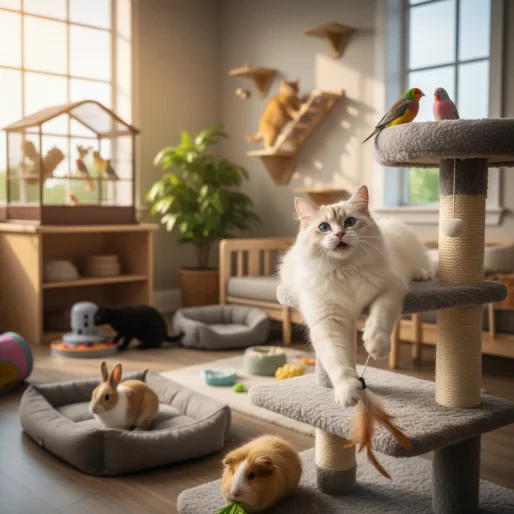
Not all catteries offer genuine enrichment. Learn what UK cat owners should look for, from ISFM standards to licensing requirements, when choosing a daycare that respects feline welfare.
Key Takeaways
- Enrichment focused catteries provide vertical climbing structures, scent zones, and hiding spots aligned with natural feline behaviour.
- In England, any establishment providing boarding for cats requires a licence under the Animal Welfare (Licensing of Activities Involving Animals) (England) Regulations 2018.
- Group size limits (typically 6 to 10 cats per supervised space) are a strong quality indicator; the ISFM recommends small, temperament matched groupings.
- Red flags include overcrowding, no vertical space, heavy reliance on kennels, and a strong ammonia smell.
- Trial visits, transparent policies, and verifiable local authority licensing are hallmarks of a facility that genuinely prioritises cat welfare.
Why Enrichment Matters in UK Catteries
Cats are not small dogs. While canine daycare typically revolves around open play and social romping, feline daycare must respect a fundamentally different set of behavioural needs. Cats are territorial, scent driven, and frequently solitary by preference. A facility that simply places multiple cats in a room with a handful of toys is not providing enrichment; it may be creating chronic low grade stress.
The International Society of Feline Medicine (ISFM), headquartered in the UK as part of the charity International Cat Care, outlines five pillars of a healthy feline environment: a safe space, multiple separated resources, opportunities for play and predatory behaviour, positive human interaction, and respect for the cat's sense of smell. Any quality cattery in Britain should demonstrably reflect all five.
The British Veterinary Association (BVA) also highlights that cat welfare in boarding environments is frequently underestimated. Cats mask stress effectively, meaning an apparently calm cat may be experiencing significant anxiety if the environment lacks appropriate enrichment.
UK Licensing: What the Law Requires
Before evaluating enrichment, confirm that any cattery you consider holds the correct licence. In England, the Animal Welfare (Licensing of Activities Involving Animals) (England) Regulations 2018 require any business providing boarding for cats to be licensed by their local authority. Scotland, Wales, and Northern Ireland have equivalent licensing frameworks.
Licensed catteries are inspected against published conditions that include minimum pen sizes, ventilation standards, and hygiene protocols. Facilities can achieve star ratings from 1 to 5, with higher ratings reflecting better welfare standards. A 4 or 5 star rated cattery is more likely to offer genuine enrichment beyond the legal minimum.
Always ask to see the licence and check the star rating. You can also verify licensing status by contacting your local council directly. Under the Animal Welfare Act 2006, it is an offence to cause unnecessary suffering to any animal, and this applies equally to boarding facilities.
Since June 2024, microchipping has been compulsory for cats in England. Most licensed catteries will require proof of a registered microchip before accepting a booking. Ensure your cat's chip details are up to date on the relevant database before any stay.
Enrichment Focused vs. Basic Catteries: A Comparison
| Feature | Enrichment Focused Cattery | Basic Cattery |
|---|---|---|
| Vertical Space | Floor to ceiling climbing walls, multi level shelving, catwalks | One or two low cat trees, mostly floor level |
| Scent Enrichment | Dedicated scent zones with catnip, silver vine, valerian; rotated regularly | Occasional catnip toy, no structured scent programme |
| Group Size | 6 to 10 cats per supervised zone, temperament matched | No stated limit or groups exceeding 15 without clear supervision |
| Hiding Spots | Multiple enclosed hides at varying heights, igloo beds, tunnels | Few or no dedicated hiding options |
| Staff Training | ISFM or equivalent feline behaviour training, low stress handling certification | General animal care knowledge, limited feline specific training |
| Introduction Protocol | Gradual introduction over hours or days, isolation room for newcomers | Cats placed into communal area on arrival |
| Litter and Resources | N+1 rule (one litter tray per cat plus one extra), separated feeding stations | Shared litter trays and communal feeding bowls |
| Typical Daily Cost | £15 to £25 per day | £8 to £14 per day |
What to Look for in a Quality UK Cattery
Climbing Structures and Vertical Territory
Cats instinctively seek height to survey their environment and feel secure. ISFM environmental guidelines describe vertical space not as a luxury but as a welfare requirement. An enrichment focused cattery should offer wall mounted shelving, multi level platforms, and catwalks that allow cats to move above ground level. This is especially critical in group settings where a less confident cat needs to escape social pressure without physical confrontation.
Look for facilities where vertical structures are distributed throughout the space rather than clustered in one corner. Dead end perches (where a cat can be cornered) are a design flaw. The best layouts provide multiple escape routes at every level.
Scent Zones and Olfactory Enrichment
Cats experience the world primarily through scent. A cattery that addresses this offers rotating scent stations using safe botanicals such as catnip (Nepeta cataria), silver vine (Actinidia polygama), Tatarian honeysuckle, and valerian root. Research published in BMC Veterinary Research suggests that silver vine may elicit a positive response in a broader percentage of cats than catnip alone, making a varied scent programme more inclusive.
Facilities may also use synthetic feline facial pheromone diffusers in communal areas, which veterinary literature associates with reduced signs of stress in unfamiliar environments. In the UK's temperate climate, catteries with outdoor "catios" or enclosed garden access can offer natural olfactory stimulation from grass, soil, and fresh air, a significant bonus during the milder months from April through October.
Group Size Limits and Temperament Matching
This is perhaps the single most important differentiator. Free roaming cats typically form small, fluid social groups. Forcing 15 or 20 unfamiliar cats into one room contradicts their social biology. Professional guidelines generally recommend keeping group sizes between 6 and 10 per supervised space, with cats matched by energy level and sociability.
Ask the cattery how they assess temperament. Reputable facilities conduct an intake evaluation (sometimes called a "meet and greet" or temperament screen) examining how the cat responds to handling, novel environments, and other cats. Cats assessed as solitary or fearful should have access to individual suites rather than being placed in a group by default.
Hiding Spots, Rest Zones, and Choice
The concept of "choice and control" is central to modern feline welfare science. A good cattery does not force interaction. It provides enclosed hiding spaces (covered beds, tunnels, elevated igloos) where a cat can retreat and be invisible to others. ISFM's guidelines specifically highlight the importance of a safe, private space for every cat.
Facilities that label hiding as "antisocial" misunderstand feline behaviour. A cat that hides on day one and gradually emerges over a few days is displaying a normal, healthy coping strategy.
Noise, Lighting, and Sensory Design
Noise is an often overlooked stressor. Catteries attached to or near dog boarding facilities should have soundproofing between sections. Constant barking can trigger chronic stress in cats. UK licensing conditions require that cats be housed separately from dogs, but proximity without adequate soundproofing can still be problematic.
Harsh fluorescent lighting without dimmer zones denies cats the ability to rest properly. Quality facilities offer quiet hours, dimmed lighting during rest periods, and background enrichment such as calm music. During the shorter daylight hours of a British winter, appropriate lighting that mimics a natural light cycle is an added consideration.
Which Type of Cattery Suits Your Cat?
The Social, Confident Cat
Cats well socialised from kittenhood that show relaxed body language around unfamiliar cats can thrive in a well managed group daycare. Look for an enrichment focused facility with temperament matched groups and plenty of vertical escape routes. Breeds commonly noted for higher sociability in the UK include the Ragdoll, Burmese, and British Shorthair, though individual variation always matters more than breed generalisations.
The Shy or Senior Cat
For timid cats or older cats with mobility limitations, a group setting may cause more stress than benefit. Seek facilities offering individual suites with personalised enrichment: puzzle feeders, window perches, and one on one human interaction sessions. Some catteries provide "semi social" options where a shy cat has a private room with a mesh panel overlooking the communal area, allowing observation without forced participation. Senior cats in the UK commonly develop conditions such as hyperthyroidism or chronic kidney disease; confirm the cattery can manage prescription diets or medication administration. For related guidance on nutrition, see Renal Diets for Senior Dogs: A UK Owner's Guide.
The Bonded Pair
Bonded cats should ideally stay together. A quality cattery will accommodate pairs in shared suites or place them in the same social group. Separating a bonded pair can cause significant distress. For more on keeping bonded animals together, see Why Adopting a Bonded Pair of Cats Is Easier.
The Cat Who Has Never Boarded Before
First timers benefit from a trial half day visit before any extended stay. This allows staff to observe the cat's coping style and adjust placement accordingly. Owners commonly report that cats who skip this step show more signs of stress (reduced appetite, excessive grooming, or litter avoidance) during longer stays.
Red Flags to Watch for During a Facility Visit
- No visible local authority licence: Walk away. It is a legal requirement in the UK.
- Strong ammonia or chemical smell: This suggests inadequate cleaning frequency or poor ventilation.
- No separation between cats and dogs: This breaches licensing conditions in England and is a major feline stressor.
- Cats with no hiding options: Every cat should have at least one enclosed retreat.
- Overcrowded communal rooms: If you see more than 10 to 12 cats in a single unsupervised space, question the group size policy.
- Staff unable to describe their intake or temperament assessment process: A lack of protocol suggests cats are grouped without care.
- No veterinary emergency plan: The facility should have a relationship with a local veterinary practice and a clear emergency protocol.
Contact your registered vet's out-of-hours service or find your nearest Vets Now emergency clinic.
All UK vet practices must provide 24/7 emergency cover. Your vet's answerphone will direct you to the on-call service.
- Reluctance to allow visits: Transparent facilities welcome tours. Refusal is a significant warning sign.
Questions to Ask Before Booking
- What is your local authority licence number and star rating?
- What is your maximum group size per room, and how do you decide which cats share a space?
- How do you introduce a new cat to the group?
- What enrichment do you provide daily (climbing, scent, puzzle feeders, interactive play)?
- What training do staff receive in feline behaviour and stress signals? Do any hold ISFM or International Cat Care qualifications?
- How do you handle a cat that is not eating or is showing signs of distress?
- Can you accommodate prescription diets or medication administration?
- Do you offer webcam or photo updates?
- What is your veterinary emergency protocol and which practice do you use?
- Do you require proof of vaccinations and microchipping?
Most UK catteries require up to date vaccinations against feline parvovirus, feline calicivirus, and feline herpesvirus. Some also request a vaccination against feline leukaemia virus, particularly for communal boarding. Check requirements well in advance, as some vaccines need a booster period before the cat can board.
For those exploring professional pet care as a career in the UK, How to Become a Certified Pet Sitter in the UK covers the qualifications and standards expected.
Decision Checklist
- The facility holds a valid local authority licence (ideally 4 or 5 stars).
- Vertical climbing structures are provided at multiple heights.
- Scent enrichment (catnip, silver vine, pheromone diffusers) is part of the daily routine.
- Group sizes are capped and cats are temperament matched.
- Every cat has access to at least one private hiding spot.
- Staff can describe their feline body language training and stress protocols.
- There is a gradual introduction process for new cats.
- Cat boarding is fully separated from dog boarding.
- Litter trays follow the N+1 rule and are cleaned frequently.
- A veterinary emergency plan is in place and clearly communicated.
- The facility welcomes tours and trial visits.
- Owners receive regular updates (photos, webcam, or written reports).
Considering In Home Cat Sitting Instead?
For cats that are highly territorial or anxious in unfamiliar settings, in home cat sitting may be a better option than any cattery. A professional sitter visiting twice daily can maintain the cat's routine, environment, and scent landscape without the stress of transport or relocation. This is especially relevant for cats with medical needs or behavioural sensitivities. Many UK based sitting services are insured and DBS checked, which provides additional peace of mind.
For practical advice on automated feeding during short absences, see Smart Cat Feeders for Weekend Trips: UK Guide. If your household also includes a dog, How to Choose a Dog Boarding Kennel This Summer offers a complementary checklist, and How to Introduce a New Dog to Your Cats Safely covers multi species household guidance.
Choosing the right cattery is ultimately about matching the facility's design and philosophy to the individual cat's temperament. A cattery that invests in vertical space, scent enrichment, small group sizes, and trained staff is not simply providing a service; it is respecting the cat as the complex, sensory driven animal it truly is.
Frequently Asked Questions
Do UK catteries need a licence? ↓
How much does an enrichment focused cattery cost in the UK? ↓
What vaccinations does my cat need before boarding in the UK? ↓
Is microchipping required for cats boarding in the UK? ↓
What is a good group size for cats in a daycare setting? ↓
What if my cat is too anxious for a cattery? ↓

Priya Nair
Dog Breed Advisor & Adoption Counsellor
Dog breed advisor and adoption counsellor — honest breed comparisons and lifestyle matching for prospective owners.
Content Disclosure
This article was created using state-of-the-art AI models with human editorial oversight. It is intended for informational and entertainment purposes only and does not constitute veterinary medical advice. Always consult a licensed veterinarian for your pet's specific health needs. Learn more about our process.