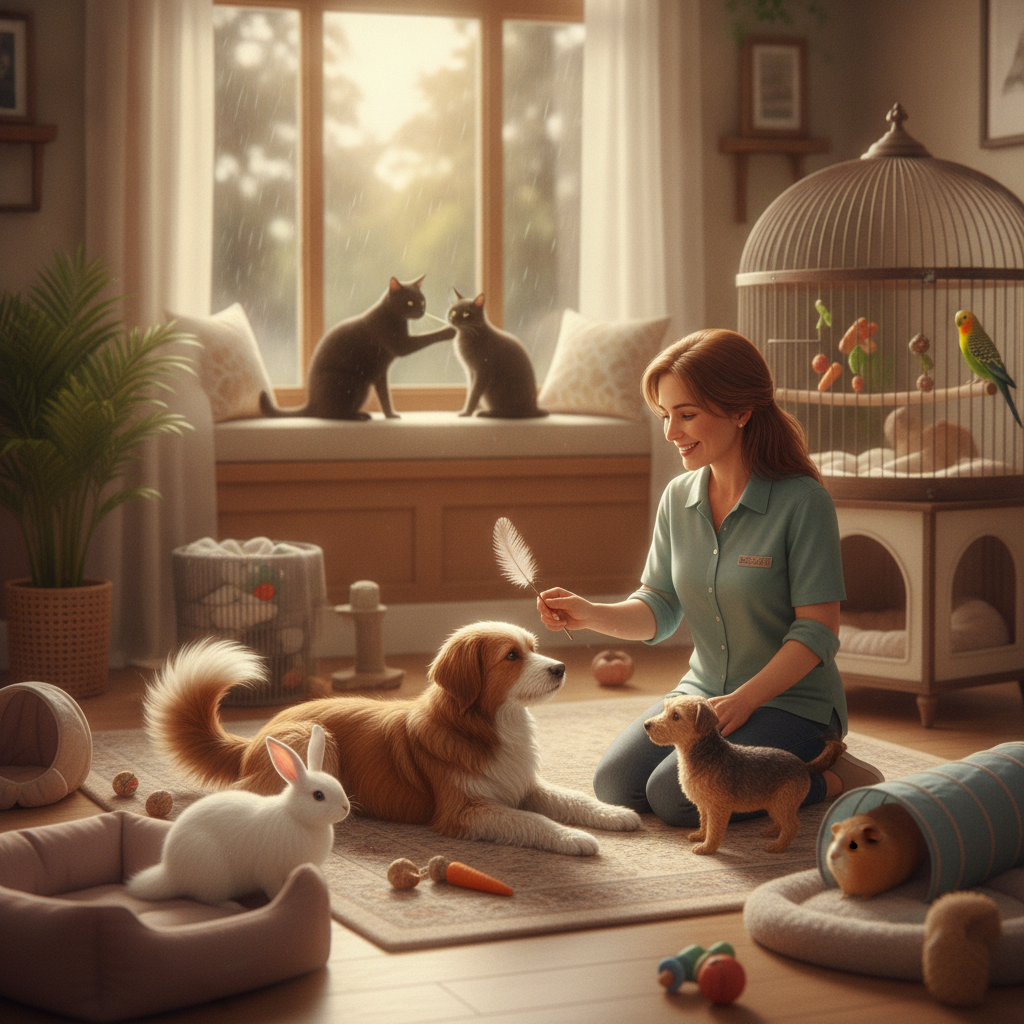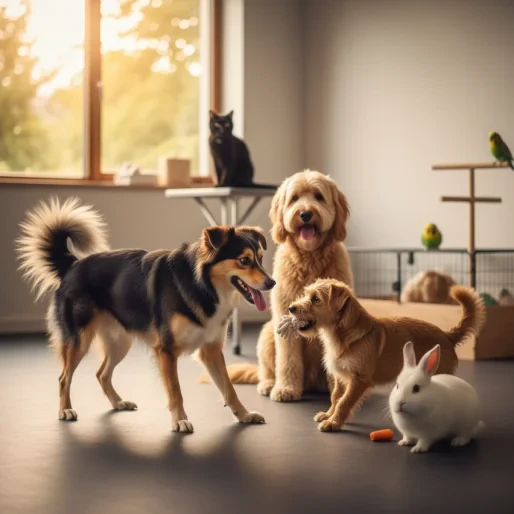
Not every dog thrives in a daycare environment. Learn to recognize the subtle signs of Fear, Anxiety, and Stress (FAS) and determine if group play is truly beneficial for your companion.
Key Takeaways
- Sociability is a Spectrum: Most adult dogs are 'selectively social' rather than 'dog park social,' meaning they prefer a few known friends over large groups of strangers.
- The Tiredness Myth: A dog that sleeps for two days after daycare may be recovering from cortisol overload (stress) rather than healthy physical exertion.
- Body Language is Key: Understanding the Fear, Anxiety, and Stress (FAS) scale is crucial for distinguishing between healthy play and overwhelmed coping mechanisms.
- Alternatives Exist: For dogs who find large groups stressful, solo hikes, small playdates, or enrichment visits are superior welfare choices.
In my practice as an Applied Animal Behaviourist, one of the most common misconceptions I encounter is the belief that all dogs need, want, or benefit from large-scale group play. The pet industry often markets daycare as the ultimate solution for the bored, energetic, or lonely dog. While well-run facilities can be a haven for the right candidates, for others, the environment can be a source of chronic stress that exacerbates behavioral issues.
Assessing suitability isn't about judging your dog's worth; it's about advocating for their emotional welfare. Just as some humans prefer a quiet coffee with a friend over a crowded nightclub, many dogs find the high-arousal environment of a daycare overwhelming. This guide will help you look past the 'happy panting' to see the reality of your dog's experience.
The Root of the Behavior: Social Maturity and Tolerance
Puppies are often universally social, eager to engage with almost anyone. However, as dogs reach social maturity (typically between 12 and 36 months), their tolerance for stranger interaction naturally narrows. This is a biological norm, not a behavioral flaw.
We classify social tolerance into four general categories:
- Dog Social: Seeks out interaction with almost every dog; tolerant of rude behavior. (Rare in adults).
- Dog Tolerant: Gets along with most dogs; ignores rude behavior or corrects it appropriate without prolonged conflict. (Ideal daycare candidate).
- Dog Selective: Has specific friends they like; intolerant of rude dogs or specific play styles. (Better suited to small, curated playgroups).
- Dog Aggressive/Reactive: Actively wants to increase distance from other dogs. (Not a candidate for group play).
Forcing a Dog Selective dog into a chaotic daycare environment can lead to trigger stacking, where small stressors accumulate throughout the day until the dog snaps, leading to what we call 'out of the blue' aggression.
Is It Normal? Decoding the FAS Scale
To assess readiness, we must look at the Fear, Anxiety, and Stress (FAS) scale. Owners often mistake signs of stress for excitement. A dog that is frantic, jumping, and mouthing at the gate may be experiencing high anxiety rather than joy.
Green Zone: Healthy Play
In a suitable candidate, you will see:
- Loose, wiggly body language: Curves in the spine (C-shapes).
- Role reversals: The dog chasing becomes the chased; the dog on top rolls underneath.
- Self-handicapping: A large dog laying down to play with a smaller one.
- Frequent pauses: Dogs stop to shake off, sniff the ground, or drink water before re-engaging.
Red Zone: The 'No-Go' Indicators
If you observe these behaviors during a trial, your dog is likely not enjoying the experience:
- Fiddle behaviors: Excessive lip licking, yawning when not tired, or 'shaking off' constantly (displacing stress).
- Hyper-arousal: Excessive mounting (humping), relentless barking, or an inability to settle. This is often mislabeled as 'dominance' but is usually a sign of an overstimulated brain unable to regulate itself.
- Interaction avoidance: Hovering near the exit, hiding under benches, or sticking like glue to the human attendants.
- Stiffness: A high, stiff tail wag (often ticking back and forth quickly), rigid spine, or a closed, tight mouth.
Environmental Triggers and Group Dynamics
Even a social dog can struggle if the environment isn't right. The layout of a facility plays a massive role in behavior. Open-plan rooms with nowhere to hide can cause 'fishbowl effect' stress. Furthermore, without mandatory rest periods, cortisol levels remain spiked, preventing the brain from recovering.
Before enrolling, ask the facility about their specific protocols. Do they separate by size and play style? Do they require proof of sterilization? Understanding the facility's stance on these issues is vital. For more on the medical and behavioral nuances of sterilization requirements, review our guide on Spay and Neuter FAQs.
The Assessment: A Step-by-Step Protocol
If you believe your dog is a candidate, follow this protocol to ensure a safe introduction.
1. The Health Check
Group environments are vectors for communicable issues. Ensure your dog is up to date on vaccinations and parasite prevention. With the rise of seasonal vectors, proactive protection is non-negotiable. See our Spring Tick Prevention and Disease Awareness Guide to understand the risks involved in high-density dog areas.
2. The 'Coffee Shop' Test
Before trying daycare, take your dog to a busy park bench or outdoor café. Can they settle and watch the world go by, or are they lunging at every passing dog? If they cannot remain under threshold in a controlled outdoor setting, an indoor room with 20 dogs will be flooding them.
3. The Trial Day
A reputable facility will mandate an evaluation (often called a 'temperament test'). Ask for honest feedback. If the staff says, "He was a bit overwhelmed but okay," dig deeper. Ask about specific body language. Did he eat his lunch? (Stress causes anorexia). Did he drink water?
Management and Alternatives
If daycare isn't the right fit, do not despair. It is not a failure of ownership; it is a recognition of your dog's individuality. Forcing a square peg into a round hole creates behavioral fallout that can take months to undo.
Alternative Enrichment
- Adventure Walks: Many dogs prefer sniffing and exploring nature over wrestling. A solo or small-group hike provides immense mental stimulation. If you choose this route, ensure you are prepared with our Professional Trainer's Guide to Preparing Dogs for Hiking Season.
- Safety First: Whether in daycare or on the trail, ensuring your dog can be located if they escape is paramount. Review the pros and cons of tracking technology in our GPS Collars vs. Bluetooth Tags comparison.
- Budgeting for Care: Individual dog walkers or pet sitters can be more expensive than daycare, but the quality of care is often higher for sensitive dogs. It is worth reviewing the financial landscape in The Real Cost of Dog Ownership to plan for these alternatives.
Weather Considerations
Sometimes, we use daycare simply to get dogs out of the house during extreme weather. However, if your dog is unsuitable for daycare, you need home-based strategies. For hot months, refer to our guide on preventing heatstroke which includes low-impact cooling activities. Conversely, during wet seasons, managing humidity and skin health becomes a priority if you are substituting daycare with rainy walks.
When to Consult a Certified Professional
If your dog shows signs of aggression, extreme fear (urination when approached, freezing), or profound separation anxiety that makes leaving them at home impossible, daycare is not the treatment plan. These are clinical behaviors requiring modification protocols.
Consult a CAAB (Certified Applied Animal Behaviourist) or a CDBC (Certified Dog Behavior Consultant) if:
- Your dog has bitten or snapped at another dog or human.
- Your dog injures themselves trying to escape crates or rooms.
- Your dog consistently targets specific dogs (bullying).
Remember, a "tired" dog should be content and relaxed, not catatonic. If your dog comes home from daycare and sleeps for 24 hours, is irritable when woken, or seems stiffer than usual, the environment may be physically or emotionally taxing beyond their capacity.
Frequently Asked Questions
Is it normal for my dog to be exhausted for two days after daycare? ↓
My dog humps other dogs at daycare. Is he dominant? ↓
Can daycare socialize an aggressive dog? ↓
What is the best age to start dog daycare? ↓

David Okafor
Certified Animal Behaviourist
Certified animal behaviourist — science-based strategies for fear, anxiety, reactivity, and behavioural challenges.
Content Disclosure
This article was created using state-of-the-art AI models with human editorial oversight. It is intended for informational and entertainment purposes only and does not constitute veterinary medical advice. Always consult a licensed veterinarian for your pet's specific health needs. Learn more about our process.