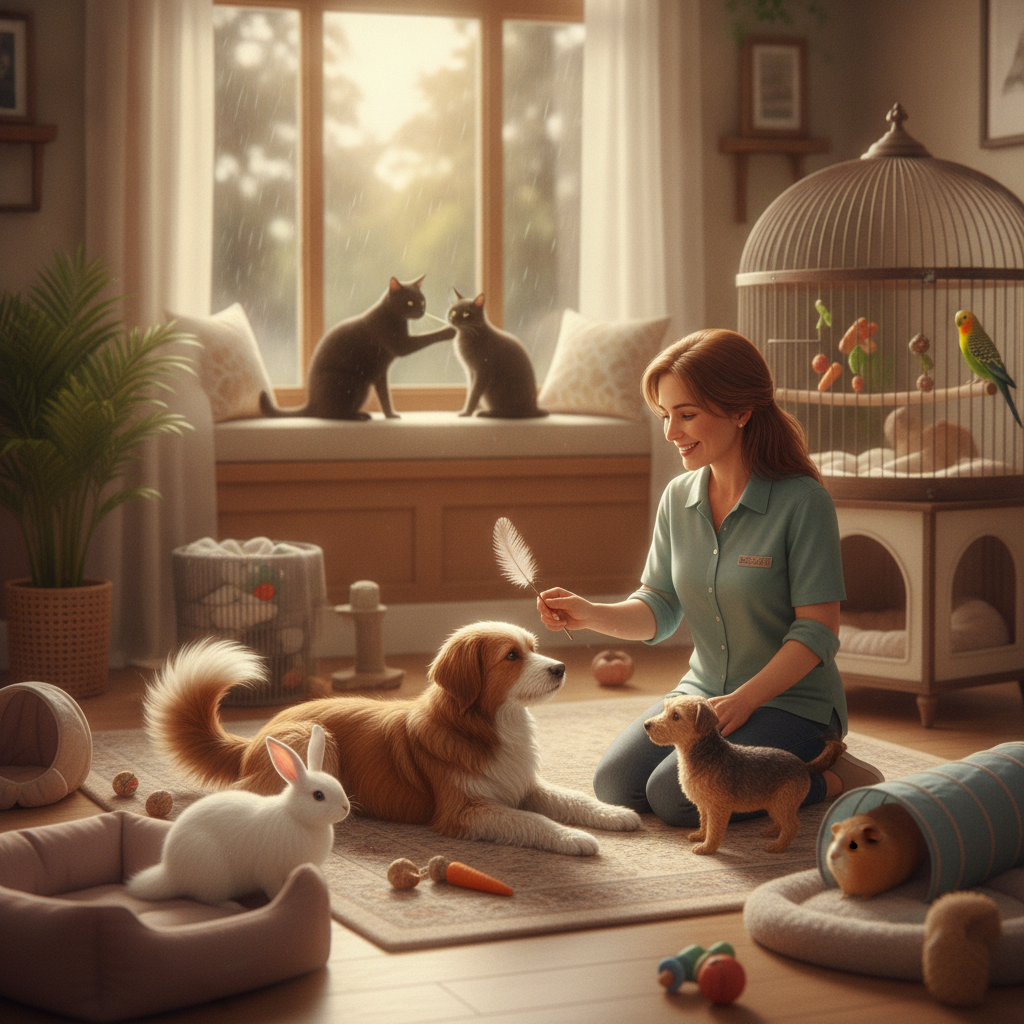
Learn to identify the subtle signs of arousal and stress in dog parks and daycare. Professional strategies for preventing trigger stacking and ensuring safe social interactions.
Key Takeaways
- Arousal is physiological: Overstimulation is a sympathetic nervous system response, flooding the body with cortisol and adrenaline.
- Play breaks are mandatory: Healthy play requires frequent pauses. Continuous, high-intensity interaction often leads to conflict.
- Watch the body language: Stiffness, piloerection (raised hackles), and hyper-vigilance are precursors to reactive behaviour.
- Intervene early: Removing a dog before they hit their threshold is more effective than correcting them after an incident.
The Physiology of Play and Arousal
Group play is frequently marketed as the ultimate enrichment for social animals, yet for many dogs, it represents a high-pressure environment that taxes their emotional regulation. Certified Applied Animal Behaviourists (CAAB) emphasise that the line between healthy social engagement and overstimulation is physiological, not just behavioural.
When a dog engages in high-energy play, their sympathetic nervous system activates. Hormones such as adrenaline and cortisol are released to fuel the physical activity. In a balanced scenario, the dog self-regulates, bringing these levels down during natural pauses in play. However, in environments like busy dog parks or unstructured daycare groups, the sensory input—noise, movement, and social pressure—can prevent this regulation.
This state is known as trigger stacking. Minor stressors or excitement spikes accumulate until the animal crosses a threshold where they can no longer make conscious choices, reverting instead to instinctual fight-or-flight reactions.
Recognising the Shift: From Fun to Frantic
Owners often mistake high arousal for happiness. A dog running frantically, barking incessantly, or bowling over other dogs is rarely having fun; they are likely experiencing a stress response. Behaviourists look for specific changes in body language that indicate a dog has moved from a green zone (safe) to a red zone (danger).
Physical Indicators of Overstimulation
- Piloerection: The hair along the spine or shoulders stands up. This is an involuntary response to arousal, akin to goosebumps in humans.
- Dilated Pupils (Whale Eye): The eyes appear wide, showing the whites (sclera), indicating high stress or fear.
- Muscle Tension: The body movement changes from loose and wiggly (a hallmark of healthy play) to stiff and rigid.
- Excessive Salivation: Thick, ropy saliva can indicate stress panting rather than heat regulation.
For a detailed breakdown of assessing social readiness, refer to our guide on assessing if your dog is ready for group play.
The Behavioural Consequences
When the brain is flooded with stress hormones, cognitive function declines. Commands that are typically well-understood, such as "recall" or "leave it," may be ignored. This is not stubbornness; it is a physiological inability to process auditory cues over the environmental noise.
Overstimulated dogs often display behaviours that are mislabelled as "dominance" or "bullying." These include:
- Humping (Mounting): Frequently a displacement behaviour resulting from anxiety or over-excitement, rather than a status-seeking act.
- Hard Mouthing: The inhibition of bite pressure decreases as arousal increases.
- Targeting: Fixating on a single, often weaker or more timid dog, and refusing to disengage.
Distinguishing between mutual roughhousing and one-sided harassment is critical. Reviewing healthy vs. bullying play styles is essential for all guardians frequenting public parks.
Management Strategies for Group Environments
Preventing overstimulation requires proactive management. The goal is to keep the dog below their threshold where learning and positive socialisation can occur.
1. The Consent Test
If play seems too rough, perform a consent test. Gently restrain the "aggressor" or the more intense dog for a few seconds. Observe the other dog. If the "victim" moves away, sniffs the ground, or shakes off, the interaction was not consensual. If they actively return to the restrained dog and solicit play, the intensity was likely mutual. However, even mutual high-intensity play needs interruption to prevent escalation.
2. Mandatory Decompression Breaks
Do not wait for a fight to break out. Implement a "call out" every 5 to 10 minutes. Call the dog out of play, reward them heavily with high-value treats, and practice calm behaviours like a "sit" or "down" until their respiration rate slows. If the dog cannot settle or refuses to take a treat, they are already over threshold and should be removed from the environment immediately.
3. The Three-Strike Rule
Behaviourists often recommend a strict limit on corrections. If a dog needs to be removed from a situation or reprimanded more than three times in a short period, the environment is too challenging for them that day. Continued exposure will only reinforce the unwanted behaviours through practice.
Alternative Enrichment
Not every dog thrives in a group setting. For dogs prone to chronic overstimulation, the cortisol spike from a 30-minute dog park visit can take days to dissipate, affecting their sleep and general anxiety levels. This is comparable to the stress seen in boarded pets experiencing separation anxiety.
Owners should consider solitary, decompression-focused activities that lower heart rates rather than raise them. Options include:
- Sniffaris: Long-line walks where the dog dictates the pace and direction, focusing on olfactory stimulation.
- Trail Hiking: Controlled exercise in nature. See our guide to preparing dogs for hiking season for safety protocols.
- Solo Agility or Scent Work:Engages the brain without the social pressure of conspecifics.
When to Seek Professional Help
If a dog consistently escalates to aggression, snaps when owners attempt to retrieve them, or shows signs of fear (tucked tail, fleeing) followed by defensive outbursts, a consultation with a Certified Applied Animal Behaviourist is warranted.
Overstimulation is a welfare issue. Chronic exposure to high-stress play environments can lead to long-term behavioural fallout, including leash reactivity and generalised anxiety. Recognising that a dog may prefer a quiet walk to a chaotic park is a decision made in the best interest of the animal's mental health.
For owners utilising commercial facilities, ensuring the staff understands these principles is vital. A facility that allows non-stop wrestling without rest periods poses a significant behavioural risk. Review our behavioural wellness guide for boarding to understand what to look for in professional care environments.
Frequently Asked Questions
How do I know if my dog is playing or fighting? ↓
What should I do if my dog gets overstimulated? ↓
Is humping always a sign of dominance? ↓
How long should a dog play group session last? ↓

David Okafor
Certified Animal Behaviourist
Certified animal behaviourist — science-based strategies for fear, anxiety, reactivity, and behavioural challenges.
Content Disclosure
This article was created using state-of-the-art AI models with human editorial oversight. It is intended for informational and entertainment purposes only and does not constitute veterinary medical advice. Always consult a licensed veterinarian for your pet's specific health needs. Learn more about our process.