
In this article
Key Takeaways for Aviary Safety
- Draughts are deadlier than cold: A still bird can thermoregulate, but a bird in a draught loses heat rapidly.
- Structure check: Inspect mesh and wood for weathering before winter sets in to prevent predator entry.
- Caloric demand: Birds burn more energy to stay warm; dietary adjustments are clinically necessary.
- Heating safety: Open elements and non-thermostatic heat sources pose severe fire and burn risks.
The transition from late summer to autumn presents a specific physiological challenge for aviary birds. While many species kept outdoors (such as budgerigars, cockatiels, and certain finches) are hardy when acclimatised, the danger lies not in the cold itself, but in the volatility of the weather. Veterinary professionals frequently note that the rapid shift from warm days to damp, chilly nights places a heavy metabolic load on birds.
Preparing an aviary for this season requires a systematic approach focusing on three core pillars: structural integrity, microclimate management, and nutritional support.
1. The Structural Audit: Security and Hygiene
Before the weather turns, a full physical inspection of the flight and shelter is required. Summer wear and tear can compromise security, and autumn brings opportunistic predators seeking warmth and food.
Mesh and Woodwork Integrity
Inspect all wire mesh for signs of rust or detachment. Veterinary literature highlights zinc toxicity as a risk if birds chew on eroding galvanised wire, so replacing rusted sections is a health priority, not just a security one. Check timber frames for soft rot, particularly near the ground. Rats and stoats can chew through compromised wood in minutes to access birds or their feed.
The Deep Clean
Before sealing the aviary for warmth, perform a deep clean. Fungal spores (Aspergillus) thrive in damp, decaying organic matter. Remove all old nesting material, scrub perches, and disinfect floors. This reduces the respiratory burden on birds during a season where dampness is inevitable.
2. Microclimate Management: Stopping the Draught
A common misconception in avian care is that birds cannot handle low temperatures. In reality, feathers are exceptional insulators. The true enemy is the wind chill factor. When wind penetrates the feathers, it disrupts the layer of warm air trapped against the skin, leading to rapid hypothermia.
The Three-Side Rule
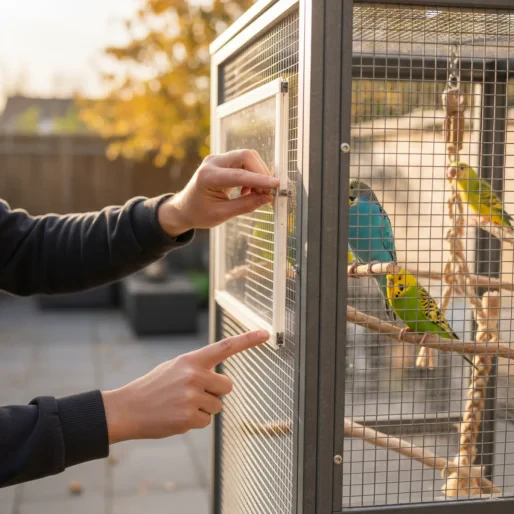
Professional aviary builders recommend cladding the north and east sides (or the direction of prevailing winds) with clear polycarbonate sheeting or heavy-duty tarpaulins. This preserves natural light—essential for Vitamin D synthesis—while creating a 'still air' zone. Leave the front open for ventilation. Stale, ammonia-rich air is a primary cause of respiratory infection, so sealing an aviary completely is dangerous.
Roofing and Run-off
Ensure the roof is watertight. A wet bird is a cold bird. Check gutters and overhangs to ensure rain is directed away from the flight floor. Damp flooring promotes bacterial growth and parasitic survival (such as Coccidiosis) which can devastate a flock in cooler weather.
3. Safe Heating Protocols
If keeping species that require supplemental heat, or if the temperature drops below the tolerance of your specific flock, safety is paramount. Veterinary emergency rooms see avoidable cases of smoke inhalation and thermal burns every winter.
Ceramic Heat Emitters (CHEs) vs. Lamps
Light-emitting heat lamps disrupt the circadian rhythm, which can trigger hormonal issues or stress. Ceramic Heat Emitters are preferred as they emit infrared heat without light. These must be paired with a high-quality thermostat to prevent overheating.
The Cage Guard Necessity
Birds will instinctively roost near the heat source. Without a protective cage guard around the heater, thermal burns are highly probable. Ensure all cables are housed in conduit to prevent chewing/electrocution.
Air Quality Awareness
Birds have highly sensitive respiratory systems. When sealing up aviaries or using heaters, ventilation becomes critical. Furthermore, autumn is often a time for garden bonfires. Smoke can be fatal to birds. For more on protecting pets from poor air quality, refer to The Smoke Season Protocol, which outlines strategies relevant to sensitive avian lungs.
4. Nutritional Adjustments for Thermoregulation
Keeping warm requires energy. As the thermometer drops, a bird's caloric expenditure rises. A standard maintenance diet often falls short during colder nights.
- Increase Fat Content: For seed-eating species, slightly increasing the ratio of oil-rich seeds (like sunflower or niger) can provide the dense energy needed for metabolic heat production. However, this must be monitored to prevent obesity.
- Monitor Water Sources: Dehydration is a risk in freezing weather if water bowls ice over. Heated bird baths or frequent water changes are essential.
- Supplementing Seniors: Older birds often struggle more with temperature regulation and may suffer from stiff joints in the damp. While often discussed in mammals, as seen in guides like Managing Arthritis in Senior Dogs During Cold Snaps, the principle of protecting geriatric joints from cold and damp applies equally to aged parrots and finches, who may require lower perches or soft platforms.
5. Pest Control: The Autumn Invasion
As crops are harvested and fields cool, rodents migrate toward human structures. An aviary offers water, shelter, and high-quality grain. Rodents carry diseases such as Yersiniosis and Salmonella, which are often fatal to birds.
Control Measures:
- Store all feed in metal bins, not plastic.
- Sweep up discarded seed husks daily.
- Use 6mm mesh (quarter-inch) for the lower sections of the aviary, as mice can squeeze through standard 12mm wiring.
When to intervene?
Not all birds can winter outdoors. Veterinary guidelines suggest bringing birds inside if:
- They are showing signs of illness (fluffed up, lethargic, sleeping on two feet instead of one).
- They are an improperly acclimatised tropical species.
- The temperature drops significantly below the species' natural tolerance range.
Preparation is the most effective treatment for winter stress. By securing the environment and supporting the bird's metabolism, owners can ensure their aviaries remain a safe haven throughout the autumn months.
Frequently Asked Questions
Content Disclosure
This article was created using state-of-the-art AI models with human editorial oversight. It is intended for informational and entertainment purposes only and does not constitute veterinary medical advice. Always consult a licensed veterinarian for your pet's specific health needs. Learn more about our process.