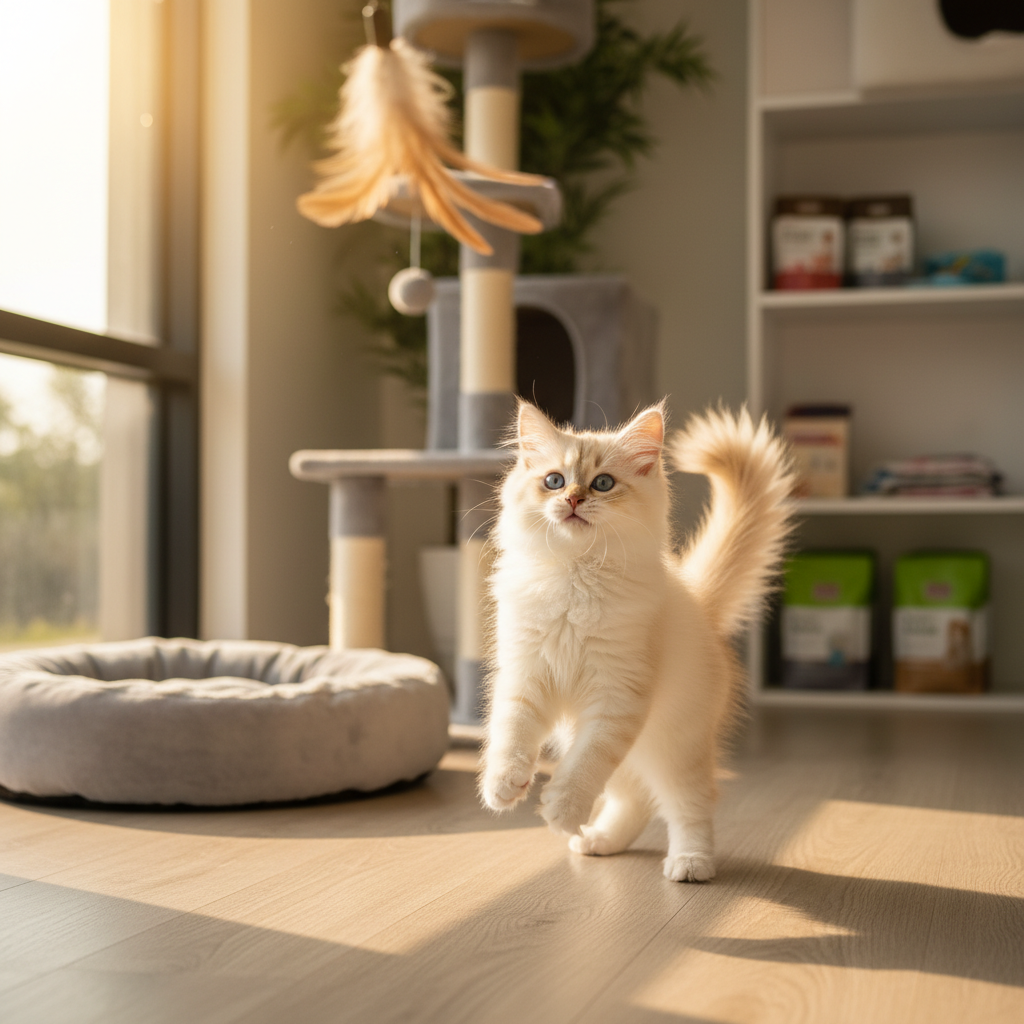
Kitten season puts enormous pressure on UK shelters and rescues from April through October. This guide covers everything first time adopters need to know, from mandatory microchipping laws to finding emergency veterinary care.
Key Takeaways
- Kitten season in the UK typically runs from April through October, with peak intake at shelters and rescues during May, June, and July.
- Since June 2024, microchipping is a legal requirement for all cats in England aged 20 weeks or older, with fines of up to £500 for non-compliance.
- Kittens should remain with their mother until at least 8 weeks of age; many UK rescues such as Cats Protection prefer rehoming at 9 weeks or later.
- A veterinary check within 48 to 72 hours of adoption is strongly recommended, and core vaccinations, parasite prevention, and neutering should be discussed early.
- First year costs for a kitten in the UK typically range from £500 to £1,200, depending on veterinary fees, food, insurance, and supplies.
What Is Kitten Season and Why Does It Hit UK Shelters So Hard?
Kitten season refers to the period when unspayed cats give birth in large numbers, driven by increasing daylight. In the UK's temperate maritime climate, this window typically runs from April through October. The milder winters experienced in recent years can stretch this period, with some rescues reporting litters arriving as early as March.
During peak months, organisations such as Cats Protection, the RSPCA, and Blue Cross see a dramatic surge in kittens needing homes. Cats Protection alone takes in thousands of cats and kittens each year, and the charity consistently highlights spring and summer as the most intense period for intake. For adopters, kitten season means more kittens are available, but it also means shelters urgently need people who are genuinely prepared for the commitment.
UK Law: Mandatory Microchipping for Cats
One of the most significant recent changes for UK cat owners is the compulsory microchipping law that came into effect in England in June 2024. Under this legislation, all cats must be microchipped by the time they reach 20 weeks of age, and the keeper's contact details must be registered and kept up to date on a compliant database. Non-compliance can result in a fine of up to £500.
Most UK rescues microchip kittens before rehoming, but adopters should verify this and ensure the chip is registered to their details. Microchipping is also mandatory for dogs throughout the UK and has been since 2016. For cats, the requirement currently applies in England, with similar legislation expected or under discussion in Scotland, Wales, and Northern Ireland.
How Old Should a Kitten Be Before Adoption?
Veterinary and welfare guidance from the British Veterinary Association (BVA) and the British Small Animal Veterinary Association (BSAVA) recommends that kittens remain with their mother and littermates until at least 8 weeks of age. This period is critical for developing bite inhibition, appropriate play behaviour, and social skills.
Many UK rescues, including Cats Protection, prefer to rehome kittens at 9 weeks or older, often after the first vaccination has been given. If a rescue offers a kitten younger than 8 weeks, it is worth asking whether the kitten was orphaned or hand-reared, as these kittens often benefit from additional socialisation support at home.
The First Vet Visit: What to Expect
Booking a veterinary appointment within 48 to 72 hours of bringing a kitten home is strongly recommended. This initial visit typically covers a full physical examination (eyes, ears, teeth, heart, lungs, abdomen), assessment of body condition and weight, a faecal test for intestinal parasites, discussion of vaccination schedules, and baseline flea and worm prevention.
Bring all paperwork from the rescue or shelter, including vaccination records, microchip details, and any deworming or flea treatment history. This allows the veterinary team to continue the existing plan rather than duplicating treatments.
Registration fees at UK veterinary practices vary, but a first kitten consultation typically costs between £30 and £60. Some practices offer kitten health plans that bundle vaccinations, neutering, and parasite prevention into monthly payments, often ranging from £10 to £15 per month.
Contact your registered vet's out-of-hours service or find your nearest Vets Now emergency clinic.
All UK vet practices must provide 24/7 emergency cover. Your vet's answerphone will direct you to the on-call service.
Vaccinations for Kittens in the UK
The core vaccination protocol recommended by the BSAVA and endorsed by the BVA protects against three diseases: feline parvovirus (panleukopenia), feline calicivirus, and feline herpesvirus. These are typically given as a combined vaccine. The primary course usually begins at 8 to 9 weeks of age, with a second dose at 12 weeks.
Unlike many other countries, rabies vaccination is not required for cats in the UK unless the animal is travelling abroad, in which case an Animal Health Certificate (AHC) is needed post-Brexit rather than the former EU pet passport.
Feline leukaemia virus (FeLV) vaccination is considered non-core but is widely recommended for any kitten that will have outdoor access. The veterinary team will advise based on the kitten's anticipated lifestyle.
Neutering: Timing and UK Guidance
The BSAVA, BVA, and Cats Protection all support early neutering, with the recommendation that kittens be neutered at around 4 months of age, before they reach sexual maturity. Cats can become capable of reproducing as young as 4 months, which often surprises first time owners.
Most UK rescues neuter kittens before rehoming. If a kitten has not yet been neutered at the time of adoption, the rescue will often include a neutering voucher or require the adopter to sign a neutering agreement. The typical cost of neutering in the UK ranges from £50 to £100 for a male cat and £100 to £200 for a female, though prices vary by region and practice. Financial assistance may be available through charities such as Cats Protection or the PDSA for owners on qualifying benefits.
Kitten Proofing a UK Home
Kittens are remarkably curious and agile. Specific hazards to address include:
- Toxic plants: Lilies (all species of true lilies) are extremely toxic to cats and can cause fatal kidney failure from even minor contact with pollen, petals, or leaves. Common UK garden and household plants such as daffodils, tulips, azaleas, and foxgloves also pose risks. Consult our Spring Bulbs and Pet Safety: A British Garden Guide to Tulips, Daffodils, and Lilies for a detailed list.
- String, thread, and rubber bands: Linear foreign bodies are a leading cause of emergency surgery in young cats.
- Cleaning products: Many conventional household cleaners contain compounds harmful to cats, including phenol-based disinfectants (such as Dettol), which are particularly dangerous. Our Eco-Friendly Spring Cleaning: A Non-Toxic Checklist for Pet Homes offers safer alternatives.
- Open windows and balconies: High-rise syndrome is a recognised veterinary emergency. In UK flats and maisonettes, secure all windows above ground level with mesh or purpose-built cat-safe screens.
- Small objects: Hair ties, earbuds, and small toy parts are frequently ingested by kittens.
Feeding a Kitten in the UK
Kittens need food specifically formulated for growth, with higher protein, fat, and calorie content per kilogram of body weight than adult cat food. Look for products labelled "kitten" or "growth" that meet FEDIAF (European Pet Food Industry Federation) nutritional guidelines, which is the standard applied across UK pet food regulation.
Wet food is often recommended for kittens as it supports hydration and is easier to eat. Transition gradually from whatever the rescue or foster carer was feeding to avoid digestive upset. Avoid feeding cow's milk, as most cats are lactose intolerant after weaning and it commonly causes diarrhoea. Fresh water should always be available.
Indoor vs Outdoor Access in the UK
The question of indoor versus outdoor access is a particular point of discussion in the UK, where many cat owners have traditionally allowed their cats to roam. However, veterinary and welfare guidance increasingly favours supervised or enclosed outdoor access, particularly for kittens.
Kittens should not go outdoors until they are fully vaccinated, microchipped, and neutered. Even then, options such as catios, cat-proof garden fencing (available from UK suppliers), and supervised garden time are considerably safer than free roaming, especially in urban areas with busy roads.
For cats kept entirely indoors, environmental enrichment is essential: climbing structures, puzzle feeders, window perches, and at least two daily interactive play sessions help prevent boredom and behavioural problems.
Pet Insurance: Starting Early in the UK
The UK has one of the most developed pet insurance markets in the world, and starting a policy while a kitten is young and healthy is generally the most cost-effective approach. Kitten insurance premiums in the UK typically start from around £8 to £15 per month for a lifetime policy, though this varies by breed, location, and coverage level.
Look carefully at the type of policy: lifetime policies (which reset the coverage limit each year) offer the most comprehensive protection compared to time-limited or maximum-benefit policies. Pay attention to excess amounts, coverage caps, exclusions, and whether dental and chronic conditions are included. Insuring before any conditions are documented means those conditions are typically covered rather than excluded.
First Year Costs: A Realistic UK Budget
Beyond the adoption fee (typically £60 to £150 from a UK rescue, which usually includes initial vaccinations, microchipping, and often neutering), first year costs commonly include:
- Vaccination boosters: £40 to £80
- Neutering (if not included): £50 to £200
- Monthly parasite prevention: £5 to £15 per month
- Food: £15 to £40 per month
- Litter: £10 to £20 per month
- Insurance: £8 to £15 per month
- Basic supplies (carrier, scratching post, litter tray, bowls, toys): £80 to £200
In total, first year costs typically fall between £500 and £1,200. Our guide to UK Vet Costs in 2026: Is Your Pet Insurance Still Adequate? provides further detail on managing ongoing expenses.
When to Seek Emergency Veterinary Care
First time adopters often worry about overreacting, but with kittens, it is always better to phone and be reassured than to wait too long. Seek urgent veterinary attention if a kitten shows any of the following:
- Difficulty breathing or open-mouth breathing
- Refusal to eat or drink for more than 12 to 24 hours
- Vomiting or diarrhoea lasting more than 24 hours, or containing blood
- Straining in the litter tray without producing urine
- Sudden lethargy or unresponsiveness
- Seizures or loss of coordination
- Suspected ingestion of a toxic substance (see our Easter Chocolate and Xylitol: A Critical Care Toxicity Guide)
Save your daytime veterinary practice number and the nearest out-of-hours emergency clinic number in your phone from day one. In the UK, all veterinary practices are required to provide 24-hour emergency cover, either directly or through an arrangement with a dedicated out-of-hours provider.
Myth vs Reality
| Myth | Reality |
|---|---|
| Kittens should drink cow's milk. | Most cats are lactose intolerant after weaning. Cow's milk commonly causes diarrhoea. Fresh water alongside appropriate kitten food is all that is needed. |
| A cat needs to have one litter before being spayed. | There is no medical benefit. The BSAVA and Cats Protection both recommend neutering at around 4 months, well before a first litter. |
| Declawing is an option for scratching problems. | Declawing is illegal in the UK under the Animal Welfare Act 2006. It involves amputation and is associated with chronic pain and behavioural issues. Provide scratching posts instead. |
| Indoor cats do not need vaccinations. | Core vaccinations are recommended for all cats regardless of lifestyle. Pathogens can be carried indoors on shoes and clothing, and brief escapes happen. |
| Microchipping is optional for cats. | Since June 2024, microchipping is compulsory for cats in England by the time they reach 20 weeks. Fines of up to £500 apply for non-compliance. |
Quick Reference: UK Kitten Adopter Checklist
- Schedule a vet visit within 48 to 72 hours of adoption
- Bring all rescue paperwork (vaccinations, deworming, microchip number)
- Confirm the microchip is registered to your details on a compliant database
- Set up a quiet base camp room with litter tray, food, water, and hiding spots
- Remove or secure toxic plants (especially lilies, daffodils, and tulips)
- Secure string, small objects, and cleaning chemicals (particularly phenol-based products)
- Purchase kitten-specific food meeting FEDIAF standards
- Provide scratching posts (vertical and horizontal options)
- Secure windows above ground level with mesh or screens
- Begin gentle daily handling of paws, ears, and mouth
- Discuss neutering timing with your vet (typically around 4 months)
- Take out pet insurance before any conditions are documented
- Save your vet's daytime number and out-of-hours emergency number
- Plan slow introductions if other pets are in the household
Frequently Asked Questions
When is kitten season in the UK? ↓
Is microchipping compulsory for cats in the UK? ↓
How much does it cost to adopt and care for a kitten in the UK in the first year? ↓
At what age should a kitten be neutered in the UK? ↓
What vaccinations do kittens need in the UK? ↓
Is declawing legal in the UK? ↓
Should I let my kitten go outdoors in the UK? ↓

Hannah Cole
Pet Owner Community Advisor
Pet owner community advisor — calm, clear answers to the questions every pet parent asks.
Content Disclosure
This article was created using state-of-the-art AI models with human editorial oversight. It is intended for informational and entertainment purposes only and does not constitute veterinary medical advice. Always consult a licensed veterinarian for your pet's specific health needs. Learn more about our process.