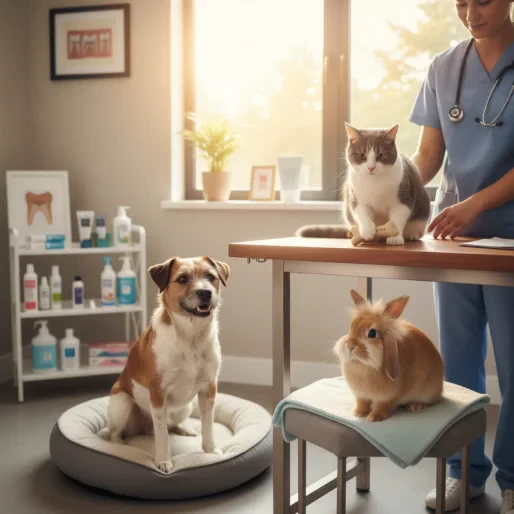
A comprehensive guide to veterinary dental fees in the United Kingdom, explaining the difference between routine prophylaxis and covered treatments under British insurance policies.
- Surgical Procedure: A COHAT (Comprehensive Oral Health Assessment and Treatment) is a surgical event requiring general anaesthesia, intubation, and RCVS-standard monitoring.
- Insurance Excess vs. Exclusion: Most UK lifetime policies cover dental illness but exclude routine scaling. The policy excess and co-payment (often 20% for senior pets) still apply.
- The Annual Check Clause: Insurers frequently mandate proof of an annual dental check-up. Missing this can void coverage for periodontal disease claims.
- Cost Factors: Fees vary by region (London/South East vs. North) and complexity. Extractions and anaesthesia time drive the highest costs.
For pet owners across the United Kingdom, the annual veterinary recommendation for a "dental procedure" often triggers financial uncertainty. Unlike human dentistry under the NHS or private practice (where a hygienist visit is a conscious, thirty-minute appointment), veterinary dentistry is a major surgical event. It requires general anaesthesia, dedicated registered veterinary nurses (RVNs) for monitoring, and hospital-grade equipment. This fundamental difference drives the cost structure and frequently leads to confusion regarding what is covered by pet insurance versus what remains an out-of-pocket expense.
Practice managers in British clinics frequently address queries about why estimates vary so significantly, ranging from £300 to over £1,500. Understanding the anatomy of a dental invoice and the fine print of UK insurance Policy Documents is the first step toward managing these necessary healthcare costs.
The Anatomy of a UK Veterinary Dental Bill
To understand the cost, owners must first appreciate the service provided. Veterinary surgeons refer to the procedure as a COHAT. It is not merely "cleaning teeth" but a multi-step medical procedure. Benchmarks from UK veterinary management groups indicate that the base fee typically covers the nursing team, the veterinary surgeon's time, sterile consumables, and the use of the surgical theatre.
1. Pre-Anaesthetic Safety Protocols
Before a patient is cleared for anaesthesia, Royal College of Veterinary Surgeons (RCVS) standards imply a rigorous duty of care. This involves a full physical examination and pre-anaesthetic blood work. This panel checks kidney and liver function to ensure the animal can metabolise anaesthetic agents safely. For senior pets (often dogs over 8 years or cats over 10), this may also include a urinalysis or thyroid check. While some practices list these as optional for younger animals, many hospital protocols now mandate them to reduce liability and increase patient safety.
2. General Anaesthesia and Monitoring
This is often the largest portion of the fixed cost. It includes induction agents (such as propofol), inhalant gas (isoflurane or sevoflurane), and the professional time of a Registered Veterinary Nurse (RVN) whose sole job is to monitor heart rate, blood pressure, oxygenation, and temperature. Intravenous (IV) fluids are standard practice in the UK to maintain blood pressure and protect kidney function during the procedure.
3. Dental Radiographs (X-Rays)
Visual inspection only reveals pathology above the gumline. The British Veterinary Dental Association (BVDA) notes that a significant percentage of dental disease occurs below the gumline, affecting tooth roots and the jawbone. Full-mouth dental X-rays are considered the gold standard of care. An estimate that does not include X-rays may appear cheaper initially but risks leaving painful abscesses or resorptive lesions untreated, leading to higher costs and suffering later.
4. Scaling and Polishing
This is the cleaning portion. Ultrasonic scalers remove calculus (tartar) from the crown and, crucially, from the gingival sulcus (under the gum). Polishing follows to smooth micro-abrasions on the enamel that would otherwise attract new bacteria.
5. Oral Surgery (Extractions)
This is the variable that changes the final bill. If X-rays reveal infected roots, broken teeth, or severe bone loss, the tooth must be extracted. Surgical extractions are complex procedures; they involve raising a gum flap, removing bone, sectioning the tooth, removing roots, and suturing the site. Costs here are driven by time (anaesthesia minutes) and surgical difficulty. A Grade 4 dental (severe disease) can cost three to four times more than a Grade 1 dental (prophylaxis) due to the surgical time required.
Insurance Coverage: Routine vs. Illness
Navigating insurance claims for dental work requires reading the Policy Booklet carefully. In the UK market, coverage typically falls into distinct categories.
Wellness Plans vs. Insurance
It is vital to distinguish between insurance and "Wellness Plans" (often called Pet Health Clubs). Wellness plans are monthly direct debits paid to the clinic that cover vaccinations and flea/worming treatments. These plans often provide a discount (e.g., 10% or 20%) on dental procedures but do not cover the procedure itself. They are budgeting tools rather than indemnity products.
Accident and Illness Policies
Comprehensive "Lifetime" policies generally cover dental illness (such as gingivitis, periodontal disease, tooth abscesses, or fractured teeth), subject to the excess and reimbursement percentage. However, there is a critical caveat known as the "Dental Care Clause."
Most UK insurers require a documented history of annual veterinary exams. If a vet noted tartar or dental disease in a previous vaccination appointment and the owner did not follow the recommendation to have it treated within a specific timeframe (often 3 to 6 months), the insurer may classify the condition as preventable and deny the claim. Maintaining a continuous history of annual check-ups is vital for keeping dental coverage active.
Co-Payments and Excess
For older pets, many policies introduce a percentage co-payment (often 20%) in addition to the fixed excess (e.g., £100). If a dental bill is £1,000 for a 10-year-old dog, the owner might pay the £100 fixed excess plus 20% of the remaining £900, totalling £280 out of pocket.
Strategic Financial Planning
Given the high cost of veterinary dentistry in the UK, owners are encouraged to plan ahead. Waiting until a pet stops eating or has a swollen face often moves the procedure from a routine cleaning to an urgent surgery, significantly increasing the cost and risk.
- Early Intervention: Treating dental disease at Grade 1 or 2 is faster and cheaper than treating Grade 4. It preserves teeth and avoids extraction fees.
- Regional Variance: Be aware that costs in London and the South East are generally higher than in the North or Wales due to higher practice overheads.
- Payment Assist: Many UK clinics offer finance options (like CareFreeCredit or similar services) that allow owners to spread the cost of a procedure over several months, often interest-free for a short period.
The Dangers of Anaesthesia-Free Dentistry
Owners researching costs may encounter "anaesthesia-free" dental services (often offered by groomers), marketed at a fraction of the price of veterinary procedures. The RCVS and BVDA strongly advise against this practice. Without anaesthesia, it is impossible to clean beneath the gumline where disease resides, nor is it possible to take X-rays or polish the teeth effectively.
These cosmetic procedures remove visible tartar while leaving infection to fester at the root. Under the Veterinary Surgeons Act 1966, invasive acts involving the teeth are restricted to veterinary surgeons. "Cosmetic" cleaning that causes pain or distress can also lead to welfare issues. When evaluating value, it is essential to compare the level of medical care provided, not just the bottom-line price.
Post-Procedure Care Costs
When budgeting, owners should also consider immediate post-operative costs. Pets undergoing extractions will require pain relief medication (NSAIDs or opioids) and antibiotics to go home. Furthermore, a transition to soft food (like gastrointestinal tinned food or soaked kibble) is necessary during the healing phase.
Dental health is a critical component of overall animal welfare. While the costs can be substantial, they reflect the complexity of performing surgery on a patient that cannot sit still. Through a combination of appropriate insurance coverage, preventative home care (like daily brushing), and financial planning, owners can ensure their pets receive the gold standard of oral healthcare.
If you suspect your pet is in immediate pain or has a severe facial swelling, contact your vet immediately.
Contact your registered vet's out-of-hours service or find your nearest Vets Now emergency clinic.
All UK vet practices must provide 24/7 emergency cover. Your vet's answerphone will direct you to the on-call service.
Frequently Asked Questions
How much does a dog dental cost in the UK? ↓
Does pet insurance cover dental cleaning? ↓
Is anaesthesia-free cleaning safe? ↓
What is the 'dental clause' in insurance? ↓

Rachel Simmons
Pet Ownership Cost Advisor
Pet ownership cost advisor — transparent vet fee breakdowns, insurance guidance, and financial planning for owners.
Content Disclosure
This article was created using state-of-the-art AI models with human editorial oversight. It is intended for informational and entertainment purposes only and does not constitute veterinary medical advice. Always consult a licensed veterinarian for your pet's specific health needs. Learn more about our process.