
In this article
- Key Takeaways
- Why Hydrotherapy Matters in Summer
- Preparation: What You Need Before Booking
- Underwater Treadmill vs Pool Sessions
- Finding an Accredited Hydrotherapy Centre
- What to Expect at a First Session
- Home Water Exercises Between Visits
- Tracking Progress Over Eight Weeks
- What to Watch For During and After Sessions
- When to Call Your Vet Immediately
- Final Thoughts
Key Takeaways
- Hydrotherapy reduces joint load by up to roughly 60 to 90 percent depending on water depth, making it ideal for arthritic or overweight dogs who struggle with land exercise in summer heat.
- Underwater treadmills suit controlled gait retraining and weight loss, while pools suit non weight bearing endurance work and severe joint disease.
- Always get veterinary clearance first. Hydrotherapy is contraindicated in some conditions including open wounds, ear infections, uncontrolled heart disease, and certain skin conditions.
- Look for accredited centres registered with bodies such as the Canine Hydrotherapy Association (CHA) or the National Association of Registered Canine Hydrotherapists (NARCH) in the UK, or equivalent professional bodies in your region.
- An eight week plan with weekly progress tracking helps owners measure real improvement in mobility, weight, and stamina.
Why Hydrotherapy Matters in Summer
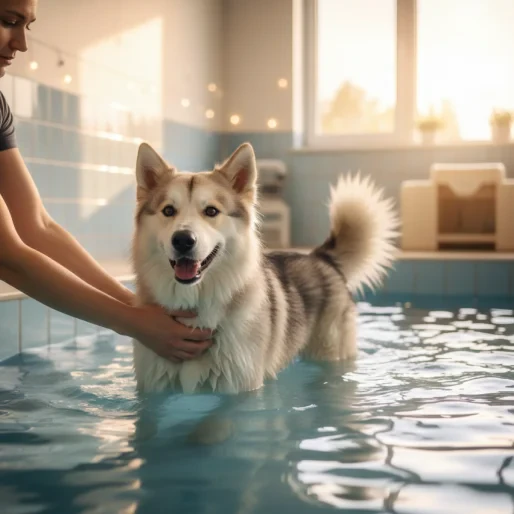
Hot weather is one of the hardest seasons for overweight or arthritic dogs. Pavement temperatures climb fast, joint stiffness worsens with reduced movement, and many owners cut walks back to early mornings or skip them entirely. The result is a downward spiral: less activity, more weight gain, weaker supporting muscle, and stiffer joints. Hydrotherapy offers a controlled, low impact way to keep these dogs moving when land exercise becomes risky.
The principle is simple. Water provides buoyancy that reduces the percentage of body weight pressing through painful joints, while the resistance of water builds muscle without the concussive forces of running on hard ground. For senior or osteoarthritic dogs, this can mean the difference between a sedentary summer and a meaningfully active one.
Preparation: What You Need Before Booking
Veterinary Clearance
Before any hydrotherapy session, a written referral or clearance from the dog's primary veterinarian is essential. Reputable centres will not accept a dog without one. The referral should include current diagnoses, medications, recent imaging or surgical notes, and any movement restrictions. Conditions that may rule out hydrotherapy include uncontrolled cardiac disease, active skin infections, open wounds, recent surgery before sutures are removed, gastrointestinal illness, and ear infections.
Practical Items to Bring
- Two large, absorbent towels (microfibre dries faster in humid weather)
- A non slip mat for the car boot or back seat
- The dog's regular flat collar and lead (most centres provide a buoyancy aid)
- A small high value treat that does not crumble underwater, used outside the pool only
- Any prescribed joint supplements or pain medication, given at the usual time
- A copy of the veterinary referral and vaccination records
At Home Preparation
Most owners struggle with the first visit because the dog arrives hungry, excited, and stressed all at once. Feed a small meal at least two to three hours before the session to reduce the risk of regurgitation, ensure a full toilet break before arrival, and keep the car cool. Brush the coat to remove loose hair, which keeps centre filters cleaner and is usually a stated requirement.
Underwater Treadmill vs Pool Sessions
The two main formats look similar from the outside but serve different therapeutic goals. Choosing the right one, often a combination, depends on the dog's diagnosis, body condition, and confidence in water.
Underwater Treadmill
The dog walks on a belt inside a sealed chamber that fills with warm water to a chosen depth, usually between hock and shoulder height. The water level controls the proportion of body weight carried by the joints. Speed and incline are adjusted gradually.
Best for: weight loss programmes, post operative gait retraining, mild to moderate osteoarthritis, hip and elbow dysplasia, and dogs who lack confidence swimming. The enclosed environment feels safer to many anxious dogs because there is a solid surface underfoot.
Pool Sessions
The dog swims in a temperature controlled pool, usually wearing a buoyancy harness, with a hydrotherapist guiding or supporting them in the water. Sessions often combine swimming laps with stretching and turning exercises.
Best for: severe osteoarthritis where any weight bearing is painful, cardiovascular conditioning, working dogs needing endurance, and rehabilitation from spinal conditions where controlled non weight bearing exercise is prescribed. Swimming uses different muscle groups than walking, which is useful for cross training.
Which One Should You Choose?
For most overweight, arthritic family dogs, an underwater treadmill is the more controlled starting point. It allows the hydrotherapist to measure stride length, observe gait, and progress workload in small, measurable steps. Pool work is often introduced later for variety or when greater joint offloading is needed. The veterinary referral will usually specify a preference, and the hydrotherapist will tailor the plan from there.
Finding an Accredited Hydrotherapy Centre
Standards vary widely. In some regions, anyone can install a pool and offer canine swimming with no formal training. Owners should look for centres that meet recognised professional benchmarks.
Accreditation Bodies to Look For
- Canine Hydrotherapy Association (CHA) in the UK
- National Association of Registered Canine Hydrotherapists (NARCH) in the UK
- Association of Canine Water Therapy (ACWT) in the United States
- International Association of Veterinary Rehabilitation and Physical Therapy (IAVRPT) for veterinary credentialed practitioners worldwide
Membership in these bodies generally requires documented training, water quality testing protocols, insurance, and adherence to a code of practice.
Questions to Ask Before Booking
- Do you require a veterinary referral for every dog?
- What qualifications does the hydrotherapist hold, and which professional body are they registered with?
- How often is the water tested, and what disinfection system is used?
- What is the water temperature range, and is it adjusted for senior or arthritic dogs?
- Is a first aid trained person always present during sessions?
- How long is a session, and is the cost inclusive of drying facilities?
A confident, transparent answer to each question is a good sign. Vague responses or pressure to book multiple sessions upfront before assessment are red flags.
What to Expect at a First Session
The first appointment is rarely a full workout. Most accredited centres run a longer initial consultation, usually 45 to 60 minutes, with only a short time spent in the water. Expect the following stages.
1. Health Check and History
The hydrotherapist reviews the veterinary referral, weighs the dog, checks body condition score, palpates joints and muscles, and discusses goals. Owners are usually asked about current mobility, stairs, slipping on floors, willingness to jump into the car, and how long the dog can walk before tiring.
2. Introduction to the Equipment
The dog is shown the treadmill or pool with the equipment off, allowed to sniff, and rewarded for calm behaviour. For nervous dogs, this may take ten minutes or more. Owners are often surprised at how quietly the experienced staff move and how much time is spent on this step.
3. Fitting the Buoyancy Aid
For pool work, a fitted harness with handles is essential. The hydrotherapist adjusts straps to support the chest without restricting breathing or shoulder movement.
4. Short Water Introduction
First time water exposure is brief, typically two to five minutes in total, often broken into short intervals. The aim is positive association, not exercise. Many dogs need two or three sessions before any meaningful work begins.
5. Drying and Debrief
The dog is rinsed with fresh water, towel dried, and sometimes blow dried on a low heat setting. The hydrotherapist explains what was observed, the plan for the next session, and any movements to avoid at home.
Owners commonly report that their dog sleeps deeply after the first session. This is normal. Even a short swim uses muscles that have been underused for months.
Home Water Exercises Between Visits
Between professional sessions, gentle home based water exercise can help maintain progress, especially in hot weather when land walks are limited. These ideas are general suggestions only. Anything beyond paddling should be cleared with the veterinary team first.
Shallow Paddling Pool Work
A child's hard sided paddling pool filled to carpus (wrist) height gives a safe space for standing and gentle weight shifting. Encourage the dog to step in and out slowly, and to turn in tight circles using a treat held at nose height. Five minutes is usually enough for a beginner.
Cool Hose Down Stretches
On warm days, a gentle cool (not cold) hose over the legs can ease joint stiffness before a short lead walk. Avoid spraying the head or directly into the ears.
Garden Sprinkler Games
For confident dogs, a low set sprinkler can encourage gentle trotting through fine spray. Keep sessions under ten minutes and watch for over excitement, which can cause arthritic dogs to overdo it and pay for it the next day.
What to Avoid at Home
- Throwing balls or toys into deep water for an unsupervised, unfit dog
- Cold sea or lake swimming without acclimatisation
- Repeated jumping in and out of pools, which loads the same joints hydrotherapy is trying to protect
- Any water play if the dog has an ear infection, skin lesion, or recent wound
For wider summer heat management, owners may find AI climate monitors for heatstroke protection a useful complement to hydrotherapy, especially in regions with extreme summer temperatures.
Tracking Progress Over Eight Weeks
Eight weeks is a realistic timeframe to see measurable change in mobility, weight, and stamina for most dogs. Recording small, objective markers each week helps owners and the veterinary team adjust the plan. A simple notebook or phone note works well.
Weekly Metrics to Record
- Body weight (weighed on the same scales, same day of week)
- Body condition score from 1 to 9, ideally assessed by the same person
- Treadmill or pool duration achieved that week
- Step count or walk duration on land between sessions
- Stiffness score first thing in the morning, on a 1 to 10 scale
- Willingness to climb stairs, jump on the sofa, or enter the car
A Sample Eight Week Framework
Weeks 1 to 2: Two sessions per week focused on water confidence and short, slow treadmill walks of three to five minutes. Focus on consistency, not duration.
Weeks 3 to 4: Build treadmill time toward eight to twelve minutes per session at a comfortable walking pace. Add brief incline changes if approved. Land walks remain short and on soft surfaces.
Weeks 5 to 6: Introduce pool work for variety where appropriate, or extend treadmill sessions with structured interval patterns. Most owners notice the dog rising more easily from rest by this point.
Weeks 7 to 8: Review progress with the veterinary team. Discuss whether to maintain twice weekly sessions, taper to weekly maintenance, or progress to a higher workload. Reassess body weight and condition score against the starting baseline.
If progress stalls, the issue is rarely the dog. It is usually session frequency, calorie intake, or an unrelated pain source that needs reassessment. Be honest with the hydrotherapist about treats, table scraps, and missed sessions.
What to Watch For During and After Sessions
During the Session
- Heavy panting that does not settle within a minute of rest
- Reluctance to put a limb down or sudden lameness
- Coughing, gagging, or swallowing pool water
- Glassy eyes, stumbling, or disorientation
An experienced hydrotherapist will spot these signs first and end the session. Owners should never feel pressured to push through.
In the 24 to 48 Hours After
- Mild tiredness and longer naps are normal
- Slight stiffness for a few hours can occur, similar to muscle soreness in humans
- Appetite should remain normal
- Toileting should remain normal
When to Call Your Vet Immediately
Contact the primary veterinary practice without delay if any of the following occur after a hydrotherapy session:
- Persistent coughing, laboured breathing, or blue tinged gums (possible water aspiration)
- Vomiting or diarrhoea lasting more than a few hours
- Sudden non weight bearing lameness on any limb
- Head shaking, ear pain, or discharge (possible ear infection)
- Collapse, severe lethargy, or refusal to eat for more than 24 hours
- Signs of heatstroke: excessive panting, drooling, bright red gums, weakness
Aspiration of pool water, although uncommon at well run centres, is a medical emergency. Do not wait to see if it resolves on its own.
Final Thoughts
Hydrotherapy is one of the most effective summer tools for keeping overweight and arthritic dogs moving without overheating or overloading sore joints. Success depends on three things: an accurate veterinary diagnosis, a properly accredited centre, and consistent owner follow through between visits. Eight weeks of structured sessions, paired with sensible home care and honest progress tracking, can meaningfully improve quality of life for dogs who would otherwise spend the hottest months immobile and uncomfortable.
For owners arranging summer travel or care, pairing a hydrotherapy plan with a trustworthy in home pet sitter who can maintain the routine is often more effective than pausing the programme. Senior dogs in particular benefit from continuity, and consistent low impact movement supports both joint health and the sleep patterns discussed in summer daylight and senior pet sleep.
Frequently Asked Questions
Content Disclosure
This article was created using state-of-the-art AI models with human editorial oversight. It is intended for informational and entertainment purposes only and does not constitute veterinary medical advice. Always consult a licensed veterinarian for your pet's specific health needs. Learn more about our process.