A nutritional guide to incorporating fresh vegetation into avian diets, balancing oxalates, and avoiding common household toxins. Learn which greens offer the best bioavailability for your bird.
Moving Beyond the Seed Bowl
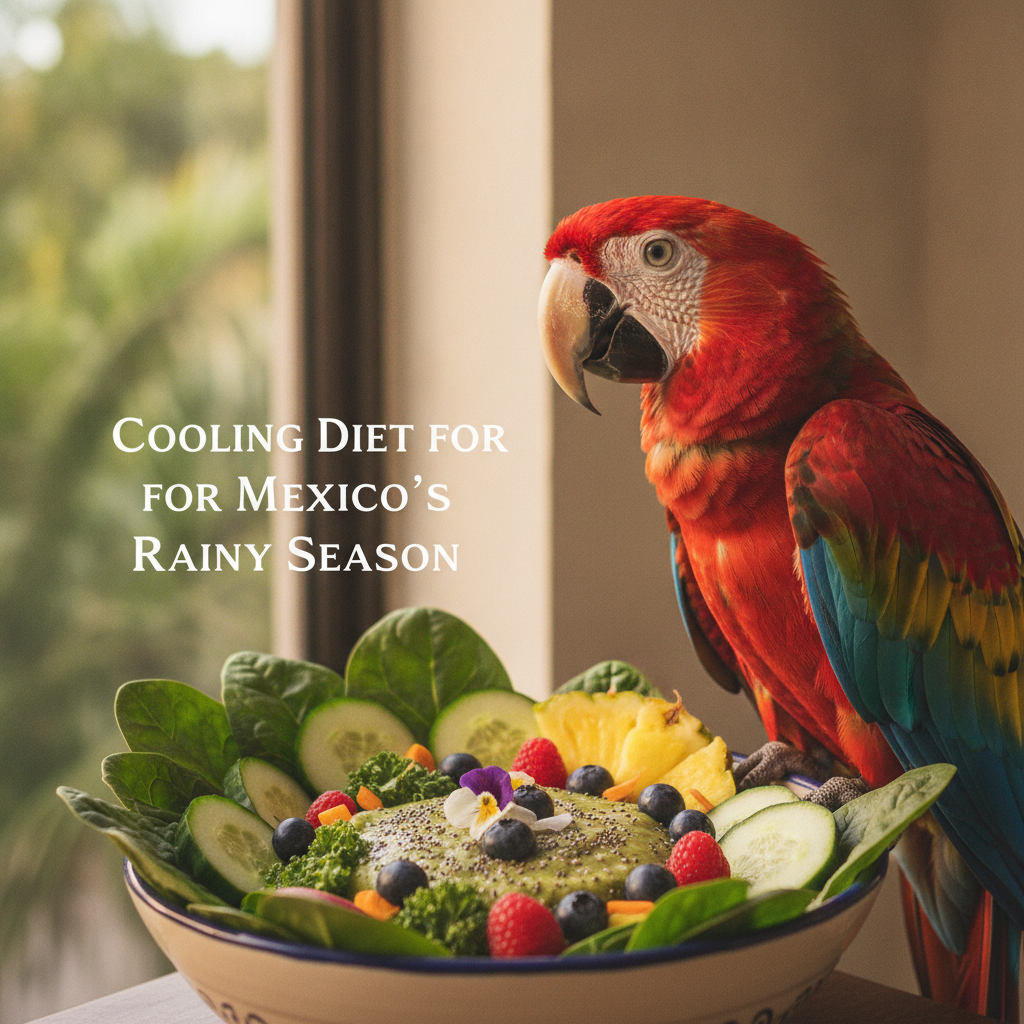
For decades, the standard parrot diet consisted almost exclusively of sunflower seeds and peanuts. Veterinary nutritionists now recognise this as a primary cause of malnutrition, fatty liver disease, and vitamin A deficiency in captive birds. While high-quality pellets provide a necessary nutritional baseline, fresh greens are the engine of avian health, offering hydration, enrichment, and essential phytonutrients that dry foods cannot replicate.
However, not all greens are created equal. Owners often default to iceberg lettuce, which offers little more than water, or unknowingly feed high-oxalate greens that can inhibit calcium absorption. This guide breaks down the nutritional hierarchy of fresh vegetables, helping you build a rotation that supports long-term vitality.
The 'Safe Daily' Staples
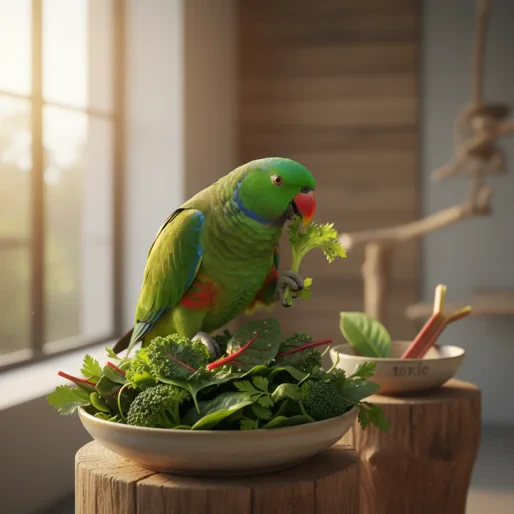
These greens form the foundation of a healthy 'chop' (a finely minced vegetable mix). They are high in calcium, rich in Vitamin A (beta-carotene), and generally lower in anti-nutrients. Professional avian guidelines suggest these should make up the bulk of the fresh vegetable portion.
- Dandelion Greens: Often overlooked as a weed, dandelion greens are a nutritional powerhouse for parrots. They boast a favourable calcium-to-phosphorus ratio and are widely accepted by birds due to their slightly bitter, engaging taste.
- Collard Greens: A superior source of calcium compared to other leafy vegetables. Their fibrous texture also provides excellent beak enrichment.
- Mustard Greens: High in Vitamin A and K. Their peppery flavour is often a hit with Amazon parrots and Eclectus, who tend to favour stronger tastes.
- Turnip Greens: Another high-calcium option that balances well in a mix.
- Bok Choy: The crunch of the stems (petioles) adds water content and texture, while the leaves provide nutrients. It is generally lower in oxalates than spinach.
The 'Occasional' List: Understanding Oxalates
Some vegetables are highly nutritious but contain oxalic acid (oxalates). Oxalates bind to calcium in the digestive tract, preventing the bird from absorbing it. While these foods are not toxic, feeding them exclusively can lead to calcium deficiencies over time. They should be fed in rotation, not every single day.
- Spinach: Rich in iron but very high in oxalates. Offer small amounts once or twice a week rather than as a daily staple.
- Swiss Chard: Similar to spinach, this is a nutrient-dense green that requires moderation due to oxalate content.
- Parsley: Excellent for Vitamin A but should be rotated. Note that some older literature lists parsley as toxic to small birds, but modern avian veterinary consensus lists it as safe in moderation.
- Beet Greens: High in oxalates but accepted by many birds.
Strictly Toxic: The 'Never Feed' List
Certain plant compounds that are harmless to humans or other mammals can be fatal to birds due to their unique metabolism. If you suspect your bird has ingested any of the following, immediate veterinary intervention is required.
- Avocado: The entire plant contains persin, a fungicidal toxin. It causes cardiac distress and respiratory failure in birds. Even a small amount of guacamole can be fatal.
- Onions and Garlic: All members of the Allium family contain thiosulphate, which causes haemolytic anaemia (rupturing of red blood cells). While often discussed in plant toxicity guides, the concentrated forms found in kitchen scraps are equally dangerous.
- Rhubarb Leaves: These contain dangerously high levels of oxalic acid, far exceeding the levels found in spinach, and can cause renal failure.
- Comfrey: Once popular, it is now known to cause liver damage in many species and is best avoided.
Preparation: The Importance of Hygiene and Size
The physical preparation of greens is as important as the selection. Birds are susceptible to bacterial infections like Listeria and Salmonella, which can thrive on improperly washed produce.
- Washing: Use a vinegar and water solution (1 part vinegar to 3 parts water) to soak greens, then rinse thoroughly. This helps remove pesticide residues and bacteria.
- Chop Size: For smaller species like budgies and cockatiels, greens should be finely minced or processed. Large leaves are often ignored or thrown on the floor. Finely chopping greens ensures they stick to pellets or seeds, increasing the likelihood of ingestion.
- Temperature: Many birds refuse cold food. Serving greens at room temperature or slightly warmed can drastically improve acceptance rates.
Transitioning the Reluctant Eater
Neophobia (fear of new things) is a survival instinct in wild birds but a barrier in captivity. If your parrot refuses greens, avoid starvation tactics. Instead, mix finely minced high-value greens (like broccoli florets or dandelion) with their warm soft food or seeds. Over weeks, slowly increase the ratio of greens while decreasing the seed content. Consistency is key; it may take dozens of exposures before a bird decides a new food is safe to eat.
For owners managing outdoor setups, ensuring that wild toxic plants do not encroach on the enclosure is equally vital. See our guide on preparing aviaries to ensure your bird's environment remains as safe as their bowl.
Frequently Asked Questions
Can parrots eat iceberg lettuce? ↓
Is spinach safe for birds? ↓
Why is avocado toxic to parrots? ↓
How do I get my bird to eat greens? ↓

Sarah Mitchell
Canine Nutrition Consultant
Canine nutrition consultant — evidence-based feeding guidance, label literacy, and diet planning without brand bias.
Content Disclosure
This article was created using state-of-the-art AI models with human editorial oversight. It is intended for informational and entertainment purposes only and does not constitute veterinary medical advice. Always consult a licensed veterinarian for your pet's specific health needs. Learn more about our process.