Hong Kong's extreme summer humidity and high-rise living create dangerous conditions for indoor cats. Learn how to spot heat emergencies and act fast in the critical first minutes.
Key Takeaways
- A cat's normal body temperature is 37.8 to 39.2°C. A rectal temperature above 40°C is a veterinary emergency requiring immediate action.
- Hong Kong's summer humidity (often above 80%) severely impairs a cat's ability to cool down, making heat stroke more likely at lower temperatures than owners expect.
- High-rise flats without air conditioning can become heat traps, especially on upper floors and in west-facing units during afternoon sun.
- Open mouth breathing in a cat is almost never normal and should prompt immediate cooling measures and emergency veterinary transport.
- Cool (not cold) water applied to paw pads, ears, and groin is the safest first aid. Ice water can make the crisis worse.
Why Hong Kong Flats Are Dangerous for Cats in Summer
Hong Kong's subtropical climate produces summer temperatures that regularly exceed 33°C, with relative humidity frequently above 80%. The Hong Kong Observatory has recorded increasing numbers of very hot days (temperatures at or above 33°C) and hot nights (minimum temperatures at or above 28°C) in recent years, reflecting a clear warming trend in the city.
For indoor cats, the combination of heat and humidity is more dangerous than heat alone. Cats cool themselves primarily through grooming (spreading saliva for evaporative cooling) and, when distressed, panting. High humidity dramatically reduces the effectiveness of evaporative cooling, meaning a cat in a 31°C flat at 85% humidity is at greater risk than a cat in a 34°C flat at 40% humidity. This is a critical point that many Hong Kong cat owners underestimate.
Hong Kong's dense high-rise housing adds further risk. Upper-floor flats absorb radiant heat from rooftops. West-facing units experience intense afternoon solar gain. Older buildings without adequate insulation or cross-ventilation can see indoor temperatures climb well above outdoor readings during peak afternoon hours, particularly if windows are closed due to noise, pollution, or typhoon signal conditions. During typhoon warnings (Signal 8 or above), windows and shutters are typically sealed, eliminating natural ventilation entirely and creating potentially dangerous conditions for cats left without air conditioning.
Cats at Highest Risk in Hong Kong
Certain cats face elevated danger in Hong Kong's summer conditions:
- Brachycephalic breeds (Persians, Exotic Shorthairs, Himalayans, Scottish Folds with flat facial structure): their shortened airways make panting even less effective. These breeds are popular in Hong Kong's cat community and deserve extra vigilance.
- Overweight cats: excess body fat insulates against heat loss. With Hong Kong's trend toward pet humanisation and indoor-only lifestyles, obesity in cats is a growing concern identified by veterinary professionals in the region.
- Senior cats (over 10 years): reduced cardiovascular efficiency limits heat dissipation. For broader senior cat health considerations, see our Spring Wellness Checklist for Senior Cats.
- Cats with heart disease, respiratory conditions, or hyperthyroidism: pre-existing conditions compromise thermoregulation.
- Long-haired breeds: dense fur retains heat, and Hong Kong's humidity prevents effective evaporation through the coat.
- Very young kittens: immature thermoregulatory systems leave them vulnerable.
Recognising Heat Stress Before It Becomes Heat Stroke
Heat illness in cats exists on a spectrum. Early recognition is the difference between a manageable situation and a life-threatening emergency.
Early Warning Signs (Heat Stress)
- Restlessness, pacing, or seeking cool tile surfaces (bathroom floors, kitchen tiles)
- Excessive grooming as the cat attempts to cool itself
- Reduced appetite or refusal to eat
- Lethargy, reluctance to move, or sleeping in unusual locations
- Warm ears and paw pads to the touch
Red Flags Requiring Immediate Action
- Open mouth panting: unlike dogs, cats rarely pant. This is almost always a sign of significant distress in a cat.
- Drooling or heavy salivation
- Rapid heart rate: a normal resting feline heart rate is roughly 120 to 160 beats per minute. Significantly elevated rates alongside other symptoms indicate danger.
- Bright red or pale, muddy gums: press a finger briefly against the gum to check capillary refill time. Normal is under 2 seconds. Prolonged refill or very red gums are warning signs.
- Vomiting or diarrhoea (sometimes bloody)
- Stumbling, disorientation, or collapse
- Rectal temperature above 40°C: temperatures above 41.1°C carry a high risk of organ damage.
- Seizures or unresponsiveness: these indicate critical, potentially fatal heat stroke.
Professional consensus in emergency veterinary medicine, including ACVECC (American College of Veterinary Emergency and Critical Care) standards, emphasises that heat stroke can progress to disseminated intravascular coagulation (DIC), acute kidney injury, and multi-organ failure within minutes.
Immediate First Aid: What to Do in the Next 10 Minutes
If a cat is showing signs of heat stroke, begin cooling measures immediately while arranging emergency veterinary transport.
- Move the cat to the coolest area available. A tiled bathroom floor or an air-conditioned room. In Hong Kong flats, the bathroom often has the coolest surfaces.
- Apply cool (not cold, not icy) water to the cat's paw pads, ears, groin, and armpits using a damp cloth or gently running lukewarm to cool water. These areas have blood vessels close to the skin surface, enabling efficient heat exchange.
- Position a fan nearby to promote evaporative cooling over the dampened fur. Even a small desk fan helps.
- Offer small amounts of cool water to drink if the cat is conscious and able to swallow. Do not force water into the mouth of a disoriented or semi-conscious cat, as this risks aspiration pneumonia.
- If you have a rectal thermometer, monitor the cat's temperature. Stop active cooling once it drops to approximately 39.4°C to avoid overcooling.
- Transport to an emergency veterinary clinic immediately, even if the cat appears to improve. Internal organ damage may not be visible externally.
[LOCAL_VET_EMERGENCY_en-hk]
Common Dangerous Mistakes
Well-meaning owners sometimes take actions that worsen outcomes. Veterinary emergency guidelines consistently warn against the following:
- Do NOT use ice water, ice baths, or frozen gel packs directly on the skin. Extreme cold causes blood vessels to constrict, paradoxically trapping heat in the core. It can also trigger shivering, which generates additional heat.
- Do NOT wrap the cat in wet towels and leave them on. A wet towel placed over a cat quickly warms up and becomes an insulating layer. Replace damp cloths frequently or use running cool water.
- Do NOT force water into the mouth of a cat that is semiconscious or unable to swallow.
- Do NOT assume the cat is fine once it stops panting. Heat stroke triggers inflammatory and coagulation responses that can cause organ damage hours after the initial event.
- Do NOT administer human medications. Paracetamol is fatally toxic to cats, even in small doses. Ibuprofen and aspirin are also dangerous. No over-the-counter human pain reliever is safe for cats without explicit veterinary direction.
- Do NOT delay transport to wait and see. Early veterinary intervention dramatically improves outcomes.
Getting to an Emergency Vet in Hong Kong
Hong Kong's compact geography means most cat owners are within a reasonable taxi or car journey of an emergency veterinary clinic. The SPCA (Hong Kong) operates centres with veterinary services, including emergency facilities at their Wan Chai centre. The Hong Kong Veterinary Association (HKVA) maintains a directory of registered veterinary practices across the territory.
During transport:
- Use the taxi or car's air conditioning. Most Hong Kong taxis are air-conditioned, which is an advantage.
- Place a damp, cool (not cold) towel loosely under the cat in the carrier. Do not seal the carrier with towels draped over it.
- Call the clinic ahead so the veterinary team can prepare for a heat stroke triage.
- If possible, have a second person monitor the cat during the journey.
If you use a pet sitter or boarding service, ensure they understand heat emergency protocols. Our guide on What Pet Sitting Insurance Should Cover discusses liability considerations relevant to medical emergencies. Indoor pet cameras can also help you monitor your cat's behaviour during hot days and detect early distress remotely.
What Happens at the Emergency Clinic
Understanding the treatment process helps owners make informed decisions during a stressful situation:
- Core temperature monitoring using rectal or oesophageal thermometers.
- Intravenous (IV) fluid therapy to support blood pressure, maintain organ perfusion, and correct dehydration.
- Active cooling with clinic-grade methods, potentially including cool IV fluids and fan-assisted evaporative cooling.
- Blood work: a complete blood count and chemistry panel to assess organ function, especially kidneys and liver.
- Coagulation testing, as heat stroke frequently triggers clotting abnormalities.
- Hospitalised monitoring, typically 24 to 72 hours for moderate to severe cases.
Treatment costs for heat stroke emergencies in Hong Kong can be significant, potentially ranging from several thousand to over $10,000 HKD depending on severity and length of hospitalisation. Reviewing your pet insurance policy in advance is worthwhile. Our article on what pet insurance actually pays out can help you understand your coverage before a crisis.
Preventing Heat Stress in Hong Kong Flats
Prevention is always preferable to emergency treatment. The following strategies are particularly relevant for Hong Kong's housing and climate conditions:
- Maintain air conditioning during peak heat hours. If running AC all day is a concern due to electricity costs, prioritise the hottest period (typically 1pm to 5pm) and ensure at least one room remains cool for the cat. Setting the AC to 25 to 27°C is generally sufficient.
- Use a dehumidifier. In Hong Kong's humid summers, reducing indoor humidity significantly improves a cat's ability to thermoregulate. This is especially important during the rainy season when humidity can exceed 90%.
- Ensure ventilation where possible. Cross-ventilation with secured windows and fans improves airflow, though this may not be feasible on high floors with security concerns or during typhoon conditions.
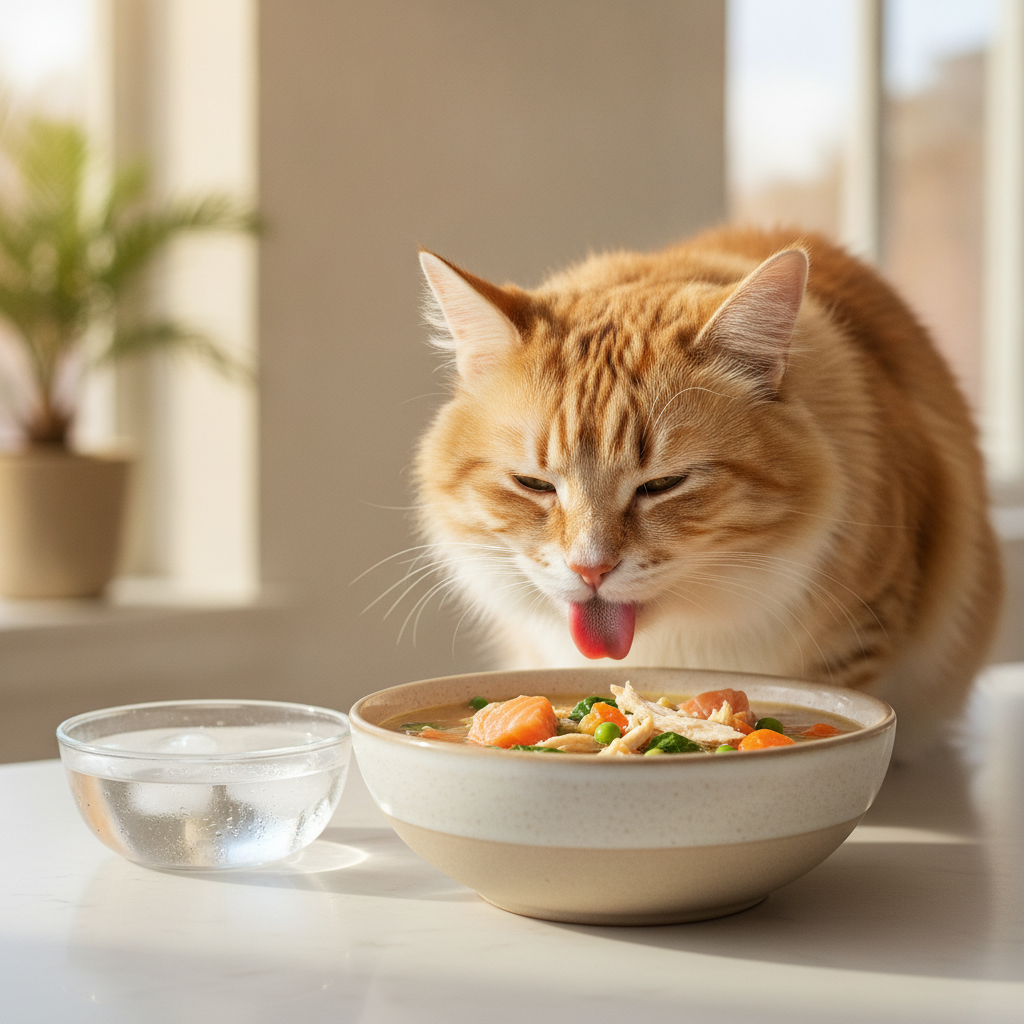
- Provide multiple fresh water sources. Cat water fountains encourage drinking. Adding ice cubes can keep water cool longer.
- Create cool resting spots. Ceramic tiles, pet cooling mats, and access to tiled bathrooms give cats options. Marble or stone surfaces common in Hong Kong flats naturally stay cooler.
- Never confine a cat to a small, unventilated room, a carrier left near a window, or a balcony enclosure ("catio") without shade and airflow during warm weather.
- Monitor indoor temperature and humidity with a simple hygrometer. Indoor conditions consistently above 32°C with humidity above 70% create dangerous conditions for cats.
- Schedule play and feeding during cooler parts of the day: early morning or evening.
- Plan for power outages and typhoon days. Keep battery-operated fans available. During extended typhoon shutdowns, monitor your cat closely for heat stress signs, especially if AC is unavailable.
Under Hong Kong's Prevention of Cruelty to Animals Ordinance (Cap. 169), pet owners have a legal responsibility to provide adequate care and prevent unnecessary suffering. Failing to protect a cat from foreseeable heat danger in an enclosed environment could potentially constitute a welfare concern under this legislation, enforced by the AFCD and Hong Kong Police.
When in Doubt, Act Fast
The single most important principle in feline heat emergencies is this: do not wait. Open mouth breathing, collapse, disorientation, or a rectal temperature above 40°C in a cat should always prompt immediate cooling measures followed by emergency veterinary transport, without exception. In Hong Kong's humid subtropical summer, heat stress in indoor cats is a genuine, preventable risk that every cat owner should prepare for before the hot season begins.
Frequently Asked Questions
At what temperature should I worry about my indoor cat in Hong Kong? ↓
Is open mouth breathing normal for cats in hot weather? ↓
What should I do with my cat during a typhoon Signal 8 in Hong Kong? ↓
How much does emergency heat stroke treatment for a cat cost in Hong Kong? ↓
Can I shave my long-haired cat to keep it cool in Hong Kong summers? ↓

Dr. Ana Reyes
Emergency & Critical Care Veterinarian
Emergency and critical care veterinarian — life-saving first-aid guidance and emergency recognition for pet owners.
Content Disclosure
This article was created using state-of-the-art AI models with human editorial oversight. It is intended for informational and entertainment purposes only and does not constitute veterinary medical advice. Always consult a licensed veterinarian for your pet's specific health needs. Learn more about our process.