A Hong Kong specific guide to choosing dog breeds that genuinely cope with subtropical humidity, high-rise living, and typhoon season disruption. Covers AFCD licensing, brachycephalic risks, and climate-adapted local mixed breeds available through SPCA and Hong Kong Dog Rescue.
Key Takeaways
- Hong Kong's humidity is the real enemy. Summer relative humidity above 80 percent reduces evaporative cooling through panting far more than dry desert heat does, which changes the breed shortlist for local families.
- Brachycephalic breeds remain the highest risk. French Bulldogs, Pugs and Shih Tzu are extremely popular across Hong Kong Island and Kowloon, yet veterinary consensus continues to flag them as poorly matched to the local climate.
- Small to medium dogs suit high-rise flats in districts such as Mid-Levels, Tseung Kwan O and Tai Koo, provided air conditioning and lift access are reliable.
- AFCD dog licensing, microchipping and rabies vaccination every three years are mandatory for any dog over five months old.
- Public housing under the Hong Kong Housing Authority generally does not permit dogs (with limited exceptions such as assistance dogs), so tenure type should be checked before adoption.
Why Climate Is the First Filter in Hong Kong
Hong Kong's subtropical climate places very specific demands on dogs. From May through September, daytime temperatures routinely sit between 30 and 34 degrees Celsius, with the Hong Kong Observatory recording 'Very Hot Weather Warnings' on an increasing number of days each year. The compounding factor is humidity: when relative humidity stays above 80 percent for weeks at a time, a dog's primary cooling mechanism (panting and evaporation from the tongue and airways) becomes significantly less efficient. Heatstroke cases reported by local veterinary clinics tend to cluster around late May, June, and September, when owners underestimate the residual heat after sunset.
Typhoon season adds another layer. During T8 and T10 signals, outdoor walks must be cancelled, lifts may be restricted, and many vets operate on emergency rosters only. A breed that copes with extended indoor confinement, ideally in a 400 to 800 square foot flat with reliable air conditioning, is therefore a more realistic choice than a high-drive working breed.
The Agriculture, Fisheries and Conservation Department (AFCD) sets the baseline regulatory framework: every dog over five months must be licensed, microchipped, and vaccinated against rabies, with renewal every three years. Veterinary guidance from the Hong Kong Veterinary Association (HKVA) consistently echoes the same three structural breed filters used internationally: muzzle length, coat type, and body size.
The Three Structural Factors That Determine Heat Risk
1. Muzzle Length
Brachycephalic breeds (French Bulldogs, English Bulldogs, Pugs, Boston Terriers, Shih Tzu, Pekingese, Boxers, and Cavalier King Charles Spaniels) have compressed airways that make sustained panting inefficient. Brachycephalic Obstructive Airway Syndrome (BOAS) is a recognised welfare concern, and in Hong Kong's humidity, even a short walk from a flat to the MTR station can trigger respiratory distress. Mesocephalic breeds such as Labrador Retrievers and dolichocephalic breeds such as Whippets and Greyhounds cool more efficiently and remain the safer structural choice.
2. Coat Type
Coat behaviour is more nuanced than 'short equals cool'. Double-coated northern breeds (Siberian Huskies, Alaskan Malamutes, Samoyeds, Bernese Mountain Dogs, Chow Chows) carry a dense undercoat designed to trap warm air, which becomes a liability in Hong Kong summers. Sparse or single-coated breeds tolerate humidity better. Shaving a double coat is generally discouraged by professional groomers, as the undercoat also protects skin from UV and can help insulate against direct heat exposure when intact.
3. Body Size
Larger dogs have a less favourable surface-area-to-volume ratio for heat dissipation. Giant breeds are physically harder to accommodate in typical Hong Kong flats, where ceiling fans, split-unit air conditioners, and tight corridors all need to keep up. Small to medium adult dogs in the 5 to 20 kg range generally adapt better to flat life, hand-carried lift travel during peak hours, and the short walks available in dense neighbourhoods such as Sheung Wan, Mong Kok, or Sha Tin.
Side-by-Side Comparison Table
The table below summarises breeds commonly considered by Hong Kong families, scored qualitatively on heat suitability. Ratings reflect general breed standards and veterinary heat risk guidance.
| Breed | Muzzle | Coat | Adult Size | Heat Suitability (HK) | Flat Living |
|---|---|---|---|---|---|
| Local mixed breed (Tong Gau, village dog) | Medium to long | Short single | Small to medium | Excellent (climate adapted) | Very good |
| Greyhound (rescue) | Long | Short single | Medium to large | Very good | Excellent |
| Whippet | Long | Short single | Small to medium | Very good | Excellent |
| Miniature or Toy Poodle | Long | Curly single, low shed | Small | Good | Very good |
| Basenji | Medium | Short single | Small | Very good | Very good |
| Labrador Retriever | Medium | Dense double | Large | Moderate | Possible with strict heat management |
| Dalmatian | Medium to long | Short single | Medium to large | Good | Demanding (high energy) |
| French Bulldog | Short (brachycephalic) | Short | Small | Poor (avoid) | Risky even indoors |
| Pug | Short (brachycephalic) | Short double | Small | Poor (avoid) | Risky even indoors |
| Shih Tzu | Short (brachycephalic) | Long double | Small | Poor | Requires constant cooling |
| Siberian Husky | Medium | Heavy double | Medium to large | Poor (avoid) | Prone to overheating |
Brachycephalic Popularity in Hong Kong: A Welfare Concern
French Bulldogs, Pugs, and Shih Tzu remain among the most visible breeds in Hong Kong parks and pet cafes, partly because their small size suits flat life on paper. The structural problem is unchanged: even with continuous air conditioning, a brachycephalic dog cannot reliably regulate body temperature during routine transitions such as taxi rides to the vet, balcony breaks in humid weather, or unplanned lift outages. Local insurers and veterinary clinics report that brachycephalic breeds account for a disproportionate share of summer emergency presentations relative to their share of the registered dog population.
Owners considering air travel should also note that several airlines operating out of Hong Kong International Airport restrict snub-nosed breeds from cargo during warmer months. This is a meaningful consideration for expatriate families who may relocate within a typical three to five year posting cycle.
Breeds That Cope Well With Hong Kong Flat Life
Air-conditioned flats are the default home environment for most Hong Kong dog owners. The following profiles tend to settle well, provided exercise needs are met during cooler hours, such as early morning walks along Bowen Road or evening loops around Victoria Park.
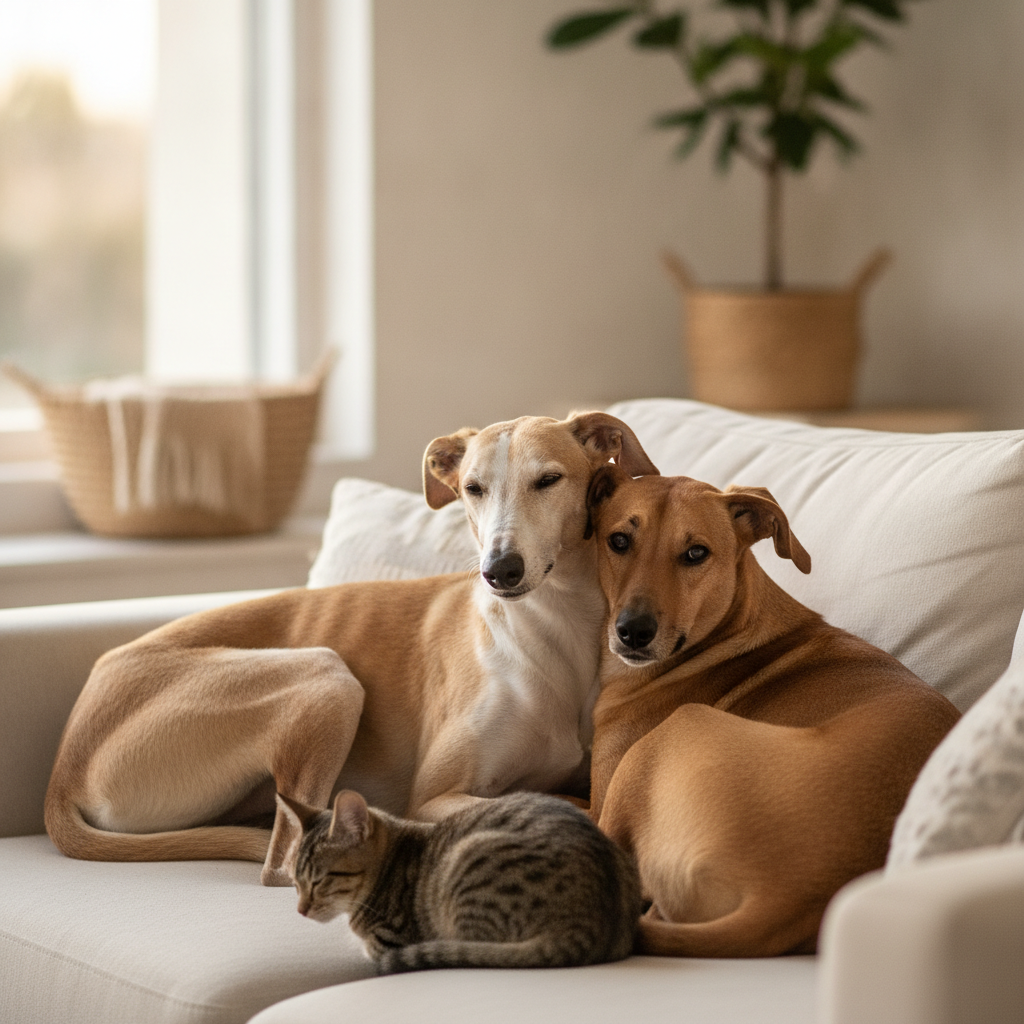
- Greyhounds and Whippets: Often described as 'forty kilometre per hour couch potatoes', they sleep most of the day and only need short, secure sprints. Several Hong Kong rescue groups periodically rehome retired racers.
- Miniature and Toy Poodles: Intelligent, low-shedding, and well suited to mental enrichment indoors during typhoon signals.
- Basenjis: Quiet (they yodel rather than bark, which can help with neighbour relations in dense blocks), short-coated, and athletic in cool hours.
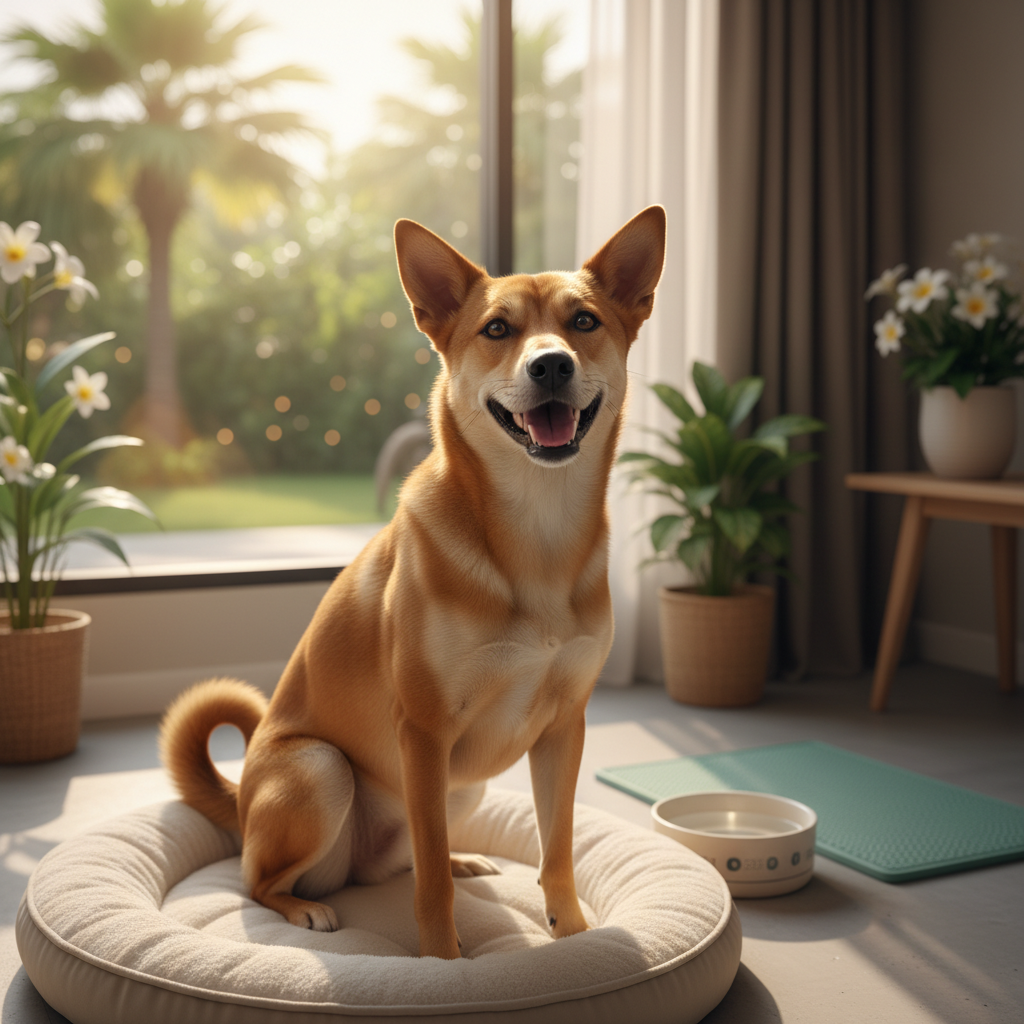
- Locally adopted mixed breeds: Often the strongest match overall. Tong Gau (village dogs) and other local mixes from the New Territories are typically lean, short-coated, and already acclimatised to Hong Kong humidity.
Lifestyle Match Guide: Which Option Fits Your Situation?
Private Flat, Working Couple, No Outdoor Space
Best fits: Whippet, retired Greyhound, small local mixed breed, Miniature Poodle. Budget for a reliable dog walker for early morning and post-sunset walks during summer months, and plan for indoor enrichment during T3 and above typhoon signals.
Village House With Garden in the New Territories
Best fits: Local Tong Gau mix, Labrador (with strict heat management), Standard Poodle, Dalmatian. Concrete and tiled courtyards heat rapidly; always check ground temperature with the back of the hand for seven seconds before walking. If it is uncomfortable for a human palm, it will burn paw pads.
Family With Young Children
Best fits: Labrador (mesocephalic, family-oriented), Standard Poodle, calm adult mixed breeds assessed by SPCA or Hong Kong Dog Rescue behaviour teams. Always supervise interactions regardless of breed reputation.
Senior Owners or Quieter Households
Best fits: Retired Greyhound, adult Whippet, calm mature shelter dog. Older dogs in humid climates also benefit from consistent routines and shaded daytime rest spaces.
Public Housing or Subdivided Flat Tenants
Dogs are generally not permitted in Hong Kong Housing Authority public rental flats, except for recognised assistance dogs. Prospective adopters in public housing should verify their tenancy terms with the Housing Authority before committing, and cats may be a more realistic companion option.
Local Regulations and Veterinary Essentials
The AFCD framework requires that any dog over five months old be licensed, microchipped, and vaccinated against rabies, with renewal every three years. Licensing is typically arranged through AFCD-appointed veterinary clinics across the territory. Owners should also budget for:
- Annual core vaccinations (DHPPi, leptospirosis) and parasite prevention. Heartworm pressure is high in Hong Kong, and year-round prevention is the professional recommendation.
- Tick-borne disease prevention, particularly for dogs hiking in Tai Tam, Sai Kung, or Lantau country parks.
- Pet insurance, where premiums vary widely by breed and age. Brachycephalic breeds typically attract higher premiums or exclusions.
- Boarding or in-home sitting during travel periods, especially around Lunar New Year and summer school holidays when capacity tightens.
- Electricity costs for running air conditioning during the May to September period, which can be a meaningful line item in monthly household budgets.
For after-hours emergencies, particularly during the hot season or typhoon weekends, knowing the nearest 24-hour clinic in advance is essential.
SPCA Hong Kong / Emergency Vet Clinics
Contact the SPCA Hong Kong or your nearest 24-hour emergency veterinary clinic.
Several private veterinary hospitals in Hong Kong offer round-the-clock emergency care.
Adoption and Sourcing Considerations
Rescue and Shelter Adoption
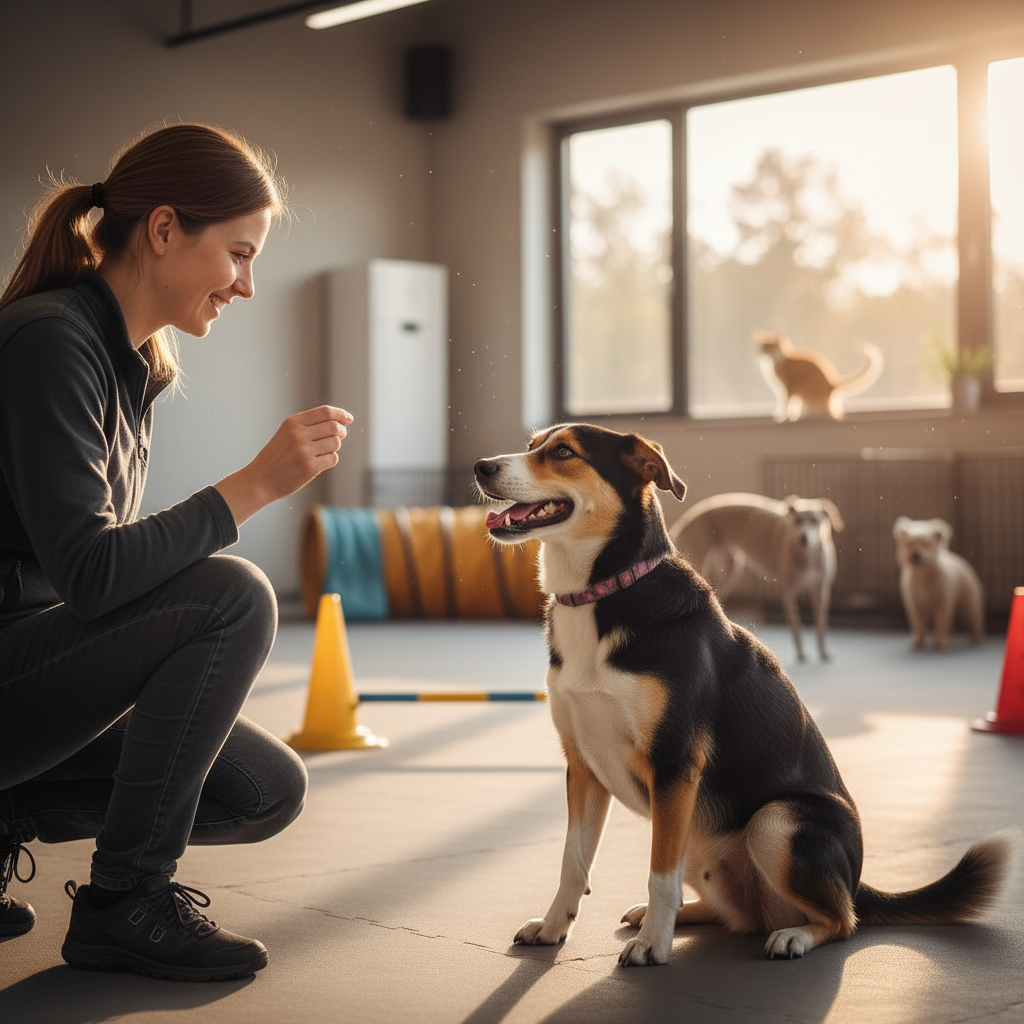
Hong Kong has a strong rescue infrastructure. The Society for the Prevention of Cruelty to Animals (SPCA) Hong Kong, Hong Kong Dog Rescue (HKDR), Lifelong Animal Protection Charity (LAP), and Kirsten's Zoo all rehome large numbers of climate-adapted mixed breeds, including many Tong Gau dogs from the New Territories. Shelter behaviour assessments typically include sociability, handling tolerance, resource guarding screening, and reactivity testing. Adopters should ask:
- How was the dog assessed and over what period?
- What is the dog's known history with heat, flat living, lifts, and children or other pets?
- What veterinary work has been completed (vaccinations, neutering, heartworm test)?
- What is the post-adoption support and return policy?
Ethical Breeders
If choosing a breeder, prioritise health-tested parents, climate-appropriate breeds, and breeders willing to host a kennel visit. AFCD-licensed Animal Traders are listed publicly, and unlicensed sales are an offence under the Public Health (Animals and Birds) (Trading and Breeding) Regulation.
Avoid
- Pet shop puppies of unclear provenance, especially imported brachycephalic litters.
- 'Rare colour' French Bulldogs or Pugs marketed online without facility visits.
- Any source unwilling to provide veterinary records or AFCD licence documentation.
Decision Checklist: Which Is Right for Me?
Before committing, Hong Kong families should be able to answer 'yes' to most of the following:
- Our flat has reliable, year-round air conditioning, and we have a contingency for power outages during typhoons.
- We can commit to walks at cooler hours (typically before 8 am and after 8 pm in July and August).
- Our tenancy or housing type permits dog ownership.
- We have budgeted in HKD for AFCD licensing, veterinary care, preventive medication, grooming, and pet insurance.
- We understand the breed's structural heat risk and have seriously considered ruling out brachycephalic breeds.
- We have considered adopting a climate-adapted local mixed breed through SPCA, HKDR, or LAP.
- We have a boarding or sitter plan for travel and Lunar New Year periods.
- All household members agree on the choice and on responsibilities.
- We are prepared for a ten to fifteen year commitment.
Final Word
Honest breed advisory work in Hong Kong starts from one premise: the climate is not going to change for the dog, so the dog must be chosen to fit the climate. Long-muzzled, single-coated, small to medium dogs (including the many wonderful Tong Gau and other local mixed breeds waiting in Hong Kong shelters) almost always represent the kindest, healthiest, and most sustainable choice. Brachycephalic breeds, however charming on social media and in pet cafes around Causeway Bay, are widely considered structurally unsuited to year-round humidity. Families who plan thoroughly, register correctly with AFCD, and commit to heat-aware routines tend to enjoy long, healthy relationships with dogs who are genuinely thriving rather than merely surviving Hong Kong summers.
Frequently Asked Questions
Are French Bulldogs and Pugs suitable for Hong Kong's climate? ↓
What are the AFCD licensing requirements for dogs in Hong Kong? ↓
Can I keep a dog in Hong Kong public housing? ↓
Which local rescues should I contact for a climate-adapted mixed breed? ↓
How should I manage my dog during typhoon signals? ↓
When is it too hot to walk a dog in Hong Kong? ↓

Priya Nair
Dog Breed Advisor & Adoption Counsellor
Dog breed advisor and adoption counsellor — honest breed comparisons and lifestyle matching for prospective owners.
Content Disclosure
This article was created using state-of-the-art AI models with human editorial oversight. It is intended for informational and entertainment purposes only and does not constitute veterinary medical advice. Always consult a licensed veterinarian for your pet's specific health needs. Learn more about our process.