Choosing between a home pet sitter and a cattery for a long holiday is one of the most consequential welfare decisions a cat owner can make. This guide covers how to find, vet, and prepare a professional sitter, with special guidance for anxious and elderly cats.
Key Takeaways
- Cats are strongly territory-driven animals, and veterinary behavioural guidelines consistently support the view that remaining in a familiar home environment reduces acute stress during owner absences.
- Home pet sitting preserves continuity of scent, feeding schedule, litter routine, and environment, all of which are significant to feline wellbeing.
- A qualified sitter should hold recognised credentials such as PSI or NAPPS membership, current pet first aid certification, and adequate liability insurance.
- Thorough pre-departure preparation, including a written care sheet, medication log, and emergency contact protocol, is as important as selecting the right sitter.
- Senior cats and cats with anxiety disorders benefit most from in-home overnight care and require additional briefing and veterinary coordination before departure.
The Central Question: Why Environment Matters So Much for Cats
When planning a long holiday, cat owners face a fundamentally different decision from dog owners. Dogs are generally social and adaptable, capable of transferring emotional attachment to a new caregiver or location with relative ease. Cats, by contrast, are strongly territory-driven. Behavioural guidelines published by the American Association of Feline Practitioners (AAFP) consistently identify territory as a primary source of feline security. A cattery, however clean and professionally managed, introduces a cat to an unfamiliar space, unfamiliar scents, and proximity to other cats. These are all recognised stressors for the species.
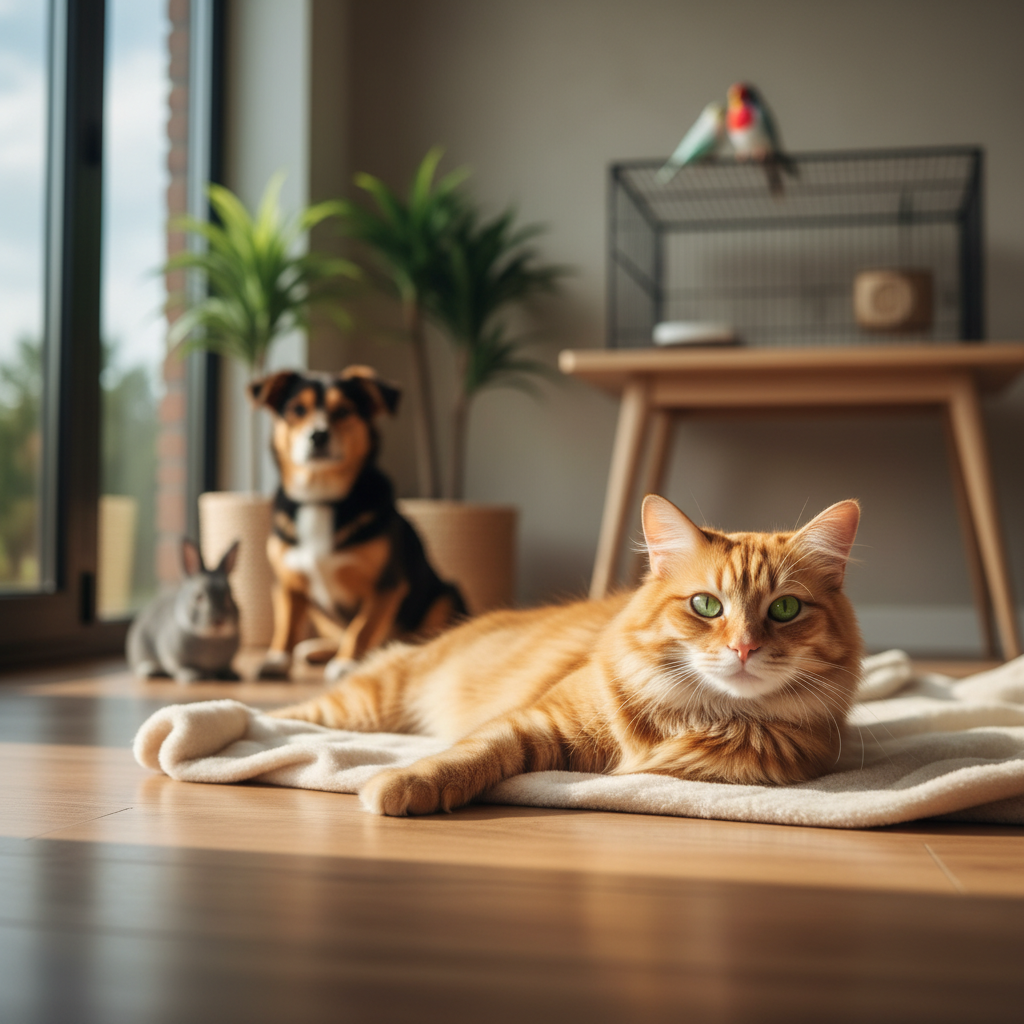
Home pet sitting keeps the cat in its own environment. The furniture, the smells, the window perches, the litter box location, and even the ambient sounds of the home remain constant. For many cats, particularly those who are shy, anxious, or older, this continuity can make the difference between a manageable owner absence and one that triggers stress-related illness such as feline idiopathic cystitis, hiding behaviour, or appetite loss.
This does not mean catteries are always the wrong choice. Purpose-built facilities with individual units, outdoor runs, experienced staff, and strong welfare standards do serve some cats well, particularly confident, adaptable individuals. However, the decision should be made on the basis of the individual cat's temperament, medical history, and age, rather than on convenience alone.
What Home Pet Sitting Actually Involves for Cats
The scope of a professional cat-sitting service varies considerably depending on the provider. Owners should understand exactly what is and is not included before confirming a booking.
Drop-In Visits vs. Overnight Stays
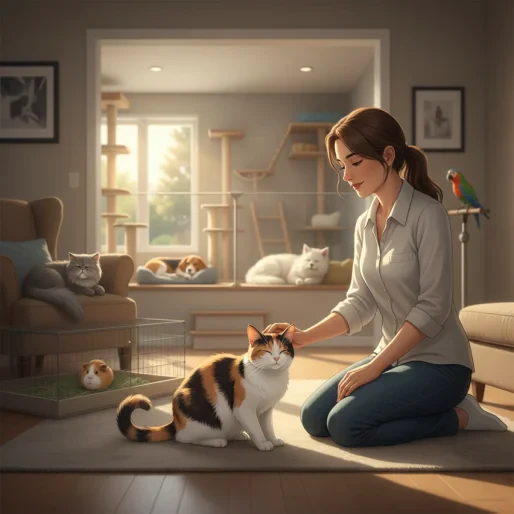
The two main service models are drop-in visits and full overnight stays. Drop-in visits typically last between 30 and 60 minutes and are scheduled one to three times per day. The sitter will feed the cat, refresh water, clean the litter box, provide play and social interaction, and complete a brief welfare check. Overnight stays involve the sitter sleeping in the owner's home, providing extended companionship and the ability to monitor the cat through the night.
For cats that tolerate solitude reasonably well, one or two daily drop-in visits may be sufficient for short trips. For longer holidays of a week or more, particularly with cats that show signs of attachment behaviour or anxiety, overnight sitter stays are widely regarded by animal welfare professionals as the preferable arrangement. The additional human presence helps regulate the cat's routine and provides early detection of any health concerns. For a detailed breakdown of what a shorter-format visit realistically covers, see the TrustMyPets guide on realistic expectations for a 30-minute drop-in visit.
What a Professional Sitter Will and Will Not Do
A professional pet sitter operates within a defined scope. Standard duties typically include feeding to the owner's schedule, providing fresh water, cleaning litter trays, administering pre-agreed oral medications, providing interactive play sessions, and sending daily welfare updates to the owner via photo or message.
Most sitters will not perform injections, wound care, or advanced medical procedures unless they hold specific qualifications. Pet first aid training equips sitters to respond to emergencies but does not replace veterinary intervention. Owners of cats requiring complex medical management should discuss this explicitly with both the sitter and their veterinary practice well before departure.
How to Find and Vet a Trustworthy Cat Sitter
The pet-sitting industry is largely unregulated in many countries, meaning that the burden of vetting falls primarily on the owner. Professional membership bodies provide a meaningful benchmark for quality and accountability.
Credentials and Certifications to Look For
Pet Sitters International (PSI) and the National Association of Professional Pet Sitters (NAPPS) are the two most established membership organisations for pet-sitting professionals, primarily in North America but with international reach. Both organisations require members to adhere to codes of conduct, carry insurance, and pursue continuing education. In the UK, the National Association of Pet Sitters and Dog Walkers (NarpsUK) serves a similar function. Fear Free Pets certification, developed in partnership with veterinary, behaviour, and welfare professionals, is an additional credential indicating formal training in low-stress animal handling.
When evaluating a potential sitter, owners are advised to confirm the following as a minimum standard:
- Proof of current pet-sitting insurance, including liability and care, custody, and control coverage
- Membership of a recognised professional body such as PSI, NAPPS, NarpsUK, or a national equivalent
- Pet first aid certification from a recognised provider
- Verifiable reviews or references from previous cat-owning clients
- Experience with cats of a similar temperament or medical complexity to your own
For a broader overview of what certifications to prioritise when hiring animal care professionals, the TrustMyPets guide on certifications to look for in a professional dog walker provides a useful framework that applies equally to cat-sitting contexts.
The Meet-and-Greet: What to Observe
A reputable professional cat sitter will always offer or request a pre-booking meet-and-greet in the owner's home. This visit serves multiple purposes: the sitter assesses the environment and care requirements, the owner can observe how the sitter interacts with the cat, and the cat has an opportunity to encounter the sitter's scent before the owner's departure.
Owners should note how the sitter approaches the cat. Professional guidance from Fear Free Pets and low-stress handling frameworks consistently emphasises that a sitter who respects a cat's need to approach on its own terms, avoids looming body language, and does not attempt to force interaction demonstrates a sound understanding of feline behaviour. A sitter who immediately attempts to pick up or handle a hesitant cat without allowing the animal to initiate contact should prompt further questioning.
During the meet-and-greet, owners should also confirm communication preferences: How often will updates be sent? Via which channel? What is the protocol if the cat does not eat for 24 hours? What happens if the sitter has a personal emergency?
What to Prepare Before You Leave
Even the most experienced professional sitter can only perform as well as the information they have been given. Pre-departure preparation is a critical responsibility of the owner, and inadequate briefing is one of the most common causes of avoidable problems during owner absences.
The Essential Care Sheet
A written care sheet should be prepared and discussed with the sitter at least 48 hours before departure. Verbal-only briefings are insufficient. The care sheet should include:
- Feeding schedule: exact quantities, brand and variety of food, whether wet and dry food are served separately or mixed, and any known food sensitivities
- Water provision: number of bowls or fountain units, cleaning frequency expected
- Litter tray details: number of trays, preferred litter substrate, cleaning schedule, and how the cat typically behaves if the tray is not cleaned promptly
- Medication log: name of medication, dose, time of administration, method of delivery (for example, hidden in food or via pill popper), and what to do if a dose is missed or refused
- Behavioural baseline: where the cat usually sleeps, how active it typically is, preferred play styles, known hiding spots, and any behaviours that indicate stress such as excessive grooming, vocalisation, or reduced litter use
- Known fears or triggers: specific sounds, visitors, or situations that predictably cause distress
Owners of senior cats or cats on long-term medication will find the TrustMyPets resource on briefing a pet sitter with health records and daily routine notes a valuable preparation template, with most principles directly applicable to cats.
Setting Up the Home Environment
Before departure, owners should ensure the physical environment supports the cat's comfort in their absence. Recommended steps include:
- Leaving out familiar bedding and unwashed items of clothing that carry the owner's scent
- Ensuring window perches and vertical spaces are accessible and unobstructed
- Confirming that all household hazards are secured: toxic plants removed or placed out of reach, cleaning products stored safely, and cables managed appropriately. For a comprehensive overview of household toxin risks, the TrustMyPets guide on non-toxic products safe for homes with dogs and cats provides a useful pre-departure checklist
- Leaving spare food and litter supplies with clear labelling
- Ensuring heating and cooling systems are set to maintain a comfortable ambient temperature throughout the stay
If a synthetic feline pheromone diffuser using the F3 facial pheromone fraction has been recommended by a veterinarian for the cat's anxiety management, it should be plugged in and running for at least 48 hours before the owner departs to allow it to reach effective concentration.
Emergency Contact Protocol
Every pet-sitting arrangement, regardless of how healthy or uncomplicated the cat appears, requires a documented emergency protocol. This is non-negotiable. Owners should never assume that a healthy cat will remain healthy throughout a long holiday.
The emergency contact document should include:
- The name, address, and 24-hour telephone number of the primary veterinary practice
- The name and contact details of the nearest 24-hour emergency veterinary clinic, which may differ from the primary practice
- The cat's patient reference number at the primary practice
- A written statement of consent authorising the sitter to approve emergency veterinary treatment up to a specified financial limit
- Current pet insurance policy details, including the insurer's claims line and policy number
- The owner's contact number and a secondary emergency contact who can make decisions if the owner is temporarily unreachable
Professional pet-sitting standards, as outlined by PSI guidelines, consistently emphasise that sitters should never be placed in the position of making significant veterinary decisions without documented authorisation from the owner. Failing to provide this document is a risk to the cat's welfare and a source of avoidable liability for the sitter. For context on current veterinary costs and how to ensure insurance coverage is adequate before a holiday, see rising vet costs in 2026: is your insurance coverage still adequate?
Red Flags and Green Flags in a Cat Sitter
Knowing what to look for in both directions helps owners make an informed decision with confidence.
Green Flags
- The sitter requests a detailed meet-and-greet before confirming the booking
- The sitter asks specific questions about the cat's behaviour, medical history, and stress triggers
- The sitter provides a written service agreement that clearly outlines scope, fees, and cancellation terms
- The sitter holds current pet first aid certification and can name the certifying body
- The sitter proactively mentions their insurance coverage and can confirm the type of policy held
- The sitter sends unprompted welfare updates during a trial or initial booking period
- The sitter has verifiable reviews that specifically mention cat care, not only dog-walking experience
- The sitter demonstrates knowledge of feline stress signals and low-stress handling practices
Red Flags
- The sitter is unable to confirm insurance coverage or membership of any professional body
- The sitter does not request a meet-and-greet or dismisses its importance
- The sitter cannot describe how they would respond if the cat did not eat for 24 hours
- The sitter has no written agreement and operates solely on a verbal basis
- The sitter is unable to name an emergency veterinary clinic in the area
- Reviews are generic, undated, or concern only dog-walking services with no mention of cats
- The sitter offers a significantly lower rate than the local market average without clear justification
For further guidance on assessing care professionals before committing, the TrustMyPets article on red flags and green flags when choosing a pet daycare covers complementary evaluation criteria applicable to home-sitting contexts. Understanding why professional insurance matters is also addressed in the guide on why your dog walker needs insurance, with the same principles applying directly to cat sitters.
Special Considerations for Anxious or Elderly Cats
While most healthy adult cats manage owner absences reasonably well with adequate sitter support, two populations require additional planning: cats with anxiety disorders and senior cats.
Anxious Cats
Feline anxiety can manifest in a range of ways during owner absences, including hiding, reduced food intake, changes in litter box use, and increased vocalisation. Owners commonly report that the most challenging period is the first 24 to 48 hours, often described as the adjustment window. A sitter experienced in anxious cat care will spend time in the cat's space without forcing interaction, allow the cat to approach at its own pace, and monitor stress indicators closely during this period.
Veterinary guidance suggests that cats with a diagnosed anxiety condition should have a management plan in place before the holiday, which may include pheromone therapy, environmental enrichment adjustments, or, in some cases, short-term anxiolytic medication prescribed by the treating veterinarian. Owners should discuss this explicitly with their vet well in advance of departure. The TrustMyPets guide on recognising separation anxiety in boarded pets provides a detailed breakdown of behavioural indicators to share with a sitter as part of the briefing. The resource on how cats behave in the first 24 hours with a new pet sitter also offers specific guidance on what to communicate before leaving to improve that critical early period.
Senior and Medically Complex Cats
Senior cats, typically defined as those aged 11 years and above according to AAFP guidelines, are more vulnerable to the physiological effects of stress and more likely to be managing one or more chronic conditions such as chronic kidney disease, hyperthyroidism, osteoarthritis, or dental disease. Any disruption to medication timing, feeding routine, or hydration status can have a disproportionate impact on a medically compromised older cat.
For senior cats, overnight home-sitting is strongly preferred over drop-in visits alone. The sitter should have specific experience with geriatric cat care and should be explicitly briefed on the signs that warrant an immediate veterinary call. These include: not eating for more than 24 hours, any change in urination frequency or litter box behaviour, vomiting more than once in a short period, apparent disorientation, difficulty breathing, or sudden mobility changes.
Cognitive dysfunction syndrome (CDS) is increasingly recognised in older cats and can be exacerbated by the absence of familiar human companions. For owners of cats showing early signs of CDS, the TrustMyPets guide on recognising cognitive dysfunction syndrome in senior cats provides important context for sitter briefing, as does the complementary resource on feline cognitive dysfunction signs and management.
Making the Final Decision: Home Sitting vs. Cattery
Home pet sitting suits most cats most of the time, particularly those who are territorial, shy, anxious, elderly, or medically complex. A cattery may be more appropriate for highly social, adaptable cats whose owners cannot secure a qualified overnight sitter, or where home access is not feasible during the absence.
When comparing the two options, the following framework is useful:
- Temperament: A confident, sociable cat may adapt to a well-run cattery without significant stress. A shy or territorial cat is likely to find even the best cattery deeply unsettling.
- Medical complexity: Any cat on daily medication, a specific therapeutic diet, or with a condition requiring close observation is better served by consistent in-home care from a qualified sitter who has been properly briefed.
- Duration of absence: For absences of more than a week, the cumulative effect of environmental disruption in a cattery setting becomes more pronounced. Home sitting becomes increasingly preferable as the holiday length increases.
- Sitter availability and qualifications: A genuinely qualified, experienced home sitter represents the better option, but an unvetted neighbour is not necessarily preferable to a well-regulated cattery. Quality of care matters more than setting alone.
Owners navigating this decision around a specific holiday period may find further practical guidance in the TrustMyPets article on Easter holiday pet care: professional sitters vs. family favours, as well as the guide covering essential questions to ask when booking a pet sitter for spring break. For owners considering a cattery as an alternative, the resource on boarding kennel preparation and behavioural wellness covers the steps to take before placing any cat in a boarding environment.
Parasite and Vaccination Preparedness Before Any Absence
Before a cat is left in someone else's care, whether at home or in a cattery, owners should confirm that vaccinations and parasite prevention are current. This is a basic welfare obligation and a courtesy to the sitter. A cat with lapsed flea prevention, for example, creates an uncomfortable situation for both the animal and the caregiver. For guidance on current feline parasite prevention options, the TrustMyPets guide on spring flea and tick prevention for cats: topical vs. oral options provides a practical overview of choices to discuss with a veterinarian before departure.
Conclusion
Home pet sitting represents the gold standard of care for the majority of cats during owner absences. It preserves territory, maintains routine, reduces exposure to unfamiliar animals and environments, and allows for timely medical response when an experienced, properly briefed professional is in place. The quality of the outcome, however, depends heavily on the quality of the sitter selected and the thoroughness of the preparation provided.
Investing time in vetting credentials, conducting a proper meet-and-greet, preparing a detailed care sheet, and establishing a robust emergency protocol are not optional extras. They are the foundation of responsible care planning for any cat whose owner intends to travel. When these steps are followed carefully, home pet sitting offers a level of individualised, low-stress care that a cattery setting, however professional, will rarely be able to match for most cats.
Frequently Asked Questions
Is home pet sitting better than a cattery for most cats? ↓
How many times a day should a cat sitter visit during a long holiday? ↓
What qualifications should I look for in a professional cat sitter? ↓
What should I include in a care sheet for my cat sitter? ↓
What emergency information should I leave for a cat sitter? ↓
How can I help an anxious cat cope with a new sitter? ↓

Laura Chen
Pet Sitter & Travel Specialist
Pet sitter and travel specialist — practical logistics, sitter vetting, and anxiety management for travelling pet owners.
Content Disclosure
This article was created using state-of-the-art AI models with human editorial oversight. It is intended for informational and entertainment purposes only and does not constitute veterinary medical advice. Always consult a licensed veterinarian for your pet's specific health needs. Learn more about our process.