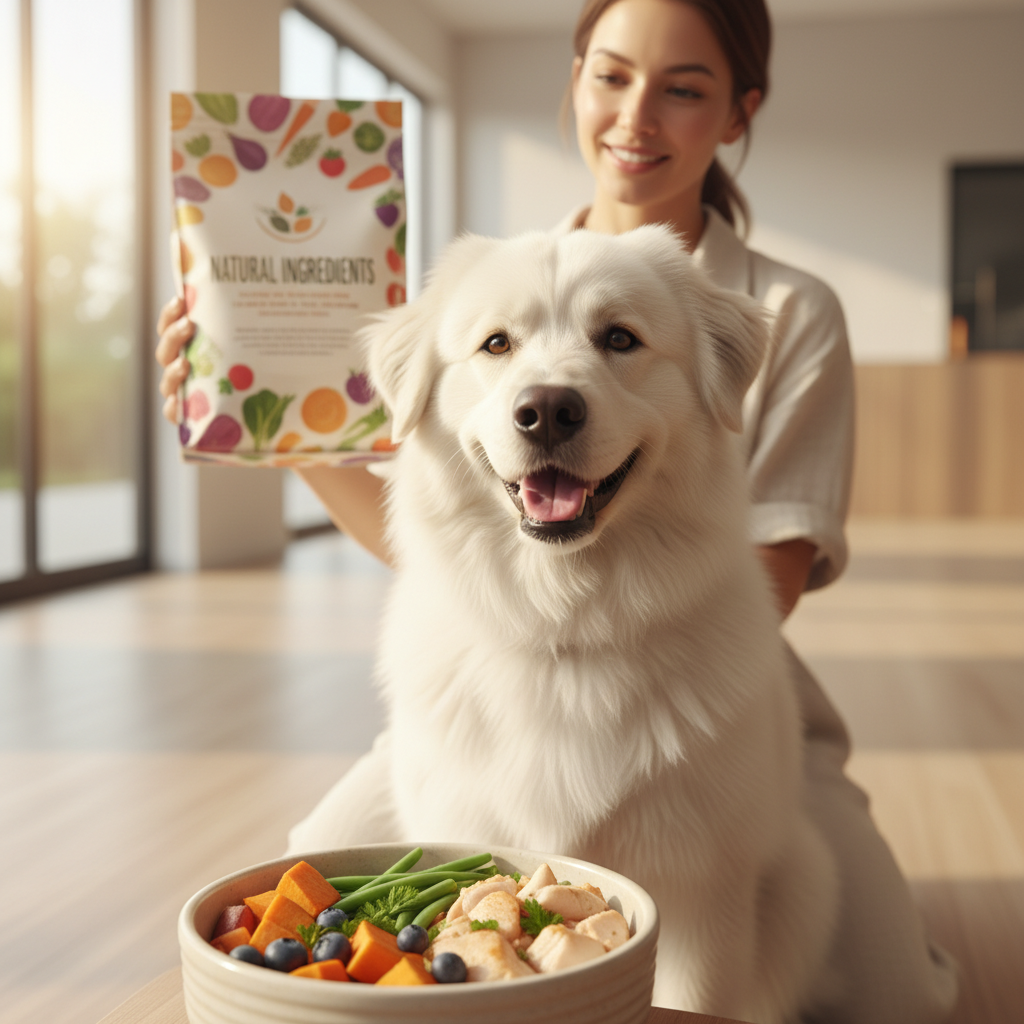
Senior dogs commonly eat less during warm weather, but reduced intake can mask nutritional gaps. This guide covers calorie adjustments by weight class, hydration strategies, cooling meal toppers, and warning signs that need veterinary attention.
Key Takeaways
- Senior dogs may reduce food intake by 10 to 30 percent during hot months due to decreased metabolic demand and thermoregulatory stress.
- Calorie and hydration adjustments should be tailored to a dog's weight class (small, medium, large, or giant breed) and existing health conditions.
- Cooling meal toppers and bone broth can support hydration and palatability without adding excess calories.
- Shifting feeding times to early morning and late evening helps align meals with a dog's natural appetite rhythms in summer.
- Persistent appetite loss, weight changes, or changes in coat and energy may signal nutritional deficiencies that require a veterinary check.
Why Senior Dogs Eat Less in Warm Weather
Owners commonly report that their older dogs become reluctant eaters once ambient temperatures climb. This observation is well supported by thermoregulatory science. Dogs regulate body temperature primarily through panting and vasodilation, both of which become less efficient in aged animals. When the environment is hot, the body reduces metabolic heat production as a protective mechanism, and one of the simplest ways it does this is by lowering appetite. The result: a senior dog that was eating reliably in cooler months may suddenly leave food in the bowl.
Several factors compound this in older dogs specifically:
- Reduced lean muscle mass: Sarcopenia (age related muscle wasting) lowers basal metabolic rate, so caloric demand genuinely drops.
- Chronic conditions: Kidney disease, osteoarthritis, and cardiac conditions (all more prevalent in senior dogs) can suppress appetite independently. Heat amplifies the effect.
- Medication side effects: NSAIDs, cardiac drugs, and other common senior prescriptions may reduce appetite, and warm weather can intensify gastrointestinal sensitivity.
- Diminished sense of smell: Olfactory decline in older dogs makes food less appealing, particularly when kibble is stored in warm environments and volatile aromatic compounds degrade faster.
Understanding that appetite reduction in summer is often physiologically appropriate helps owners avoid panic. However, it also means that every calorie consumed needs to be nutritionally dense, because the margin for error shrinks when intake drops.
Calorie and Hydration Adjustments by Weight Class
Professional consensus, guided by organizations such as WSAVA (World Small Animal Veterinary Association) and nutrient profiles set by AAFCO and FEDIAF, suggests that calorie adjustments in summer should not follow a blanket percentage. Instead, they should be guided by the dog's weight class, body condition score (BCS), and activity level.
Small Breeds (Under 10 kg / 22 lb)
Small senior dogs have a higher surface area to body mass ratio, meaning they dissipate heat somewhat more efficiently than larger dogs. However, they also have smaller glycogen reserves and can become hypoglycaemic if meals are skipped.
- Calorie adjustment: A reduction of roughly 5 to 15 percent from the dog's spring maintenance energy (ME) requirement is typical. Avoid cutting further unless a veterinarian advises it.
- Hydration: Aim for approximately 50 to 70 ml of total water per kilogram of body weight daily. In hot weather, this may need to increase by 20 to 30 percent. Wet food, broth toppers, and water rich treats all count toward this total.
- Feeding frequency: Two to three smaller meals help maintain blood glucose stability.
Medium Breeds (10 to 25 kg / 22 to 55 lb)
Medium breed seniors are the most common group owners consult about, and they often fall into a "maintenance plateau" where weight creeps up if portions are not managed carefully.
- Calorie adjustment: A 10 to 20 percent reduction is a reasonable starting range. Monitor BCS every two weeks using the standard 9 point scale recommended by WSAVA.
- Hydration: The same 50 to 70 ml/kg guideline applies, with increases in hot climates. Adding water to dry kibble (letting it soak for 10 to 15 minutes) improves both hydration and palatability.
- Protein quality: Maintaining adequate protein intake is critical even as calories decrease. Look for foods where a named animal protein is the first ingredient and the crude protein percentage on the guaranteed analysis meets or exceeds AAFCO minimums for adult maintenance (18 percent crude protein minimum, though most senior formulations provide 22 to 28 percent).
Large Breeds (25 to 45 kg / 55 to 100 lb)
Large breed seniors are disproportionately affected by heat. Their body mass retains thermal energy longer, and many suffer from joint conditions that further discourage movement and eating.
- Calorie adjustment: A reduction of 15 to 25 percent may be appropriate. Weight bearing joint stress improves even with modest weight loss, so summer can be an opportunity to gently reduce body condition in overweight large breed seniors.
- Hydration: Large dogs may need 1.5 to 3 litres of water daily in hot weather. Multiple water stations around the home, including shaded outdoor areas, encourage consistent drinking. If you are introducing your dog to outdoor water activities, always bring separate fresh drinking water.
- Joint support nutrients: Omega 3 fatty acids (EPA and DHA from marine sources) support both joint health and coat quality. These become especially important when calorie restriction might otherwise reduce fat intake.
Giant Breeds (Over 45 kg / 100 lb)
Giant breed seniors have the highest heat vulnerability and the shortest average lifespans, meaning nutritional precision matters enormously.
- Calorie adjustment: Reduce by 15 to 25 percent, but never below the point where protein intake drops below approximately 2 g of protein per kilogram of ideal body weight daily. A veterinary nutritionist can calculate this precisely.
- Hydration: Giant breeds may require 3 to 5 litres or more daily in summer. Bone broth (recipe below) can be frozen into large ice blocks and offered as both enrichment and hydration support.
- Cardiac considerations: Breeds predisposed to dilated cardiomyopathy (DCM) should have sodium intake monitored. Avoid high sodium commercial broths; homemade options allow full ingredient control.
Reading Labels for Summer Feeding
When owners switch to lighter or wet formulations in summer, label literacy becomes even more important. A few critical points:
- The AAFCO or FEDIAF nutritional adequacy statement tells you far more than the ingredient list alone. Look for the phrase "complete and balanced for maintenance" or "for all life stages." If the label says "for supplemental or intermittent feeding only," the product should not replace a complete meal.
- Guaranteed analysis moisture content: Canned and pouch foods typically contain 75 to 85 percent moisture. While this supports hydration, it also means the caloric density per gram is much lower than kibble. You may need to feed a larger volume to meet nutrient needs.
- Avoid unnamed protein sources: Ingredients listed as "meat meal" or "animal by products" without specifying the species raise quality and traceability concerns.
- Watch for excessive fillers: In warm weather, when you need each bite to count nutritionally, foods heavy in corn gluten meal, soy protein isolate, or excessive cellulose may not deliver adequate bioavailable nutrition for a senior dog with a reduced appetite.
Cooling Meal Toppers and Bone Broth Recipes
Toppers and broths serve a dual purpose in summer: they increase water intake and make food more appealing to reluctant eaters. Below are veterinary nutrition compatible recipes using whole food ingredients.
Simple Bone Broth for Senior Dogs
Bone broth provides glycine, collagen precursors, and electrolytes. It is one of the most universally recommended toppers in veterinary nutrition literature.
- Ingredients: 1 kg of raw bones (chicken frames, beef marrow bones, or turkey necks), 2 tablespoons of apple cider vinegar (helps extract minerals), enough water to cover bones by 5 cm, and optionally a small piece of fresh turmeric root (about 1 cm).
- Method: Place bones and vinegar in a slow cooker. Cover with water. Cook on low for 12 to 24 hours (chicken) or 24 to 48 hours (beef). Strain thoroughly, removing all bone fragments. Refrigerate and skim the fat layer once solidified. Store in the refrigerator for up to 5 days or freeze in ice cube trays for portioned servings.
- Serving: Add 2 to 4 tablespoons (small dogs) or 60 to 120 ml (large dogs) to meals. Can also be served slightly chilled as a standalone hydration boost.
Important: Never use onion, garlic, or excessive salt in bone broth intended for dogs. These are toxic or harmful to canines.
Watermelon and Yoghurt Cooling Cubes
- Ingredients: 1 cup of seedless watermelon (pureed), half a cup of plain unsweetened goat's milk yoghurt or kefir.
- Method: Blend watermelon and yoghurt. Pour into silicone ice cube moulds. Freeze for at least 4 hours.
- Serving: Offer 1 to 2 cubes for small dogs, 3 to 4 for large dogs, as a between meal treat. These are supplemental and should not exceed 10 percent of daily caloric intake (the standard treat guideline recommended by WSAVA).
Cucumber and Mint Hydration Topper
- Ingredients: Half a cucumber (peeled and diced), 2 to 3 fresh mint leaves, 100 ml of low sodium bone broth.
- Method: Blend all ingredients until smooth. Serve at refrigerator temperature over the dog's regular meal.
- Notes: Cucumber is approximately 95 percent water and very low in calories, making it ideal for senior dogs that need hydration without caloric load.
For owners managing feline companions alongside senior dogs, similar hydration principles apply. The senior cat hydration and kidney care guide covers species specific considerations.
When to Shift Feeding Times to Cooler Hours
Meal timing is an often overlooked but highly practical adjustment for summer. Veterinary behaviourists and nutritionists generally agree on the following principles:
- Early morning (before 7 AM in most climates): The first meal should be offered when ambient temperature is still relatively low. Senior dogs are more likely to eat when they are not already heat stressed.
- Late evening (after 7 PM or later): The second meal works best once temperatures begin to drop. In regions like the Middle East, where summer heat persists well into the night, owners may need to push this even later. Those planning summer travel from the UAE should be especially mindful of feeding schedules during transit.
- Avoid midday feeding: Digestion generates metabolic heat (known as the thermic effect of food). Feeding during peak heat hours adds to the dog's thermal burden.
- Consistency matters: Whatever schedule is adopted, keep it consistent. Senior dogs, especially those with cognitive dysfunction syndrome (CDS), rely heavily on routine.
If your senior dog attends a daycare programme during summer, verify that the facility follows appropriate staff training standards and can accommodate custom feeding schedules.
Toxic Foods: A Summer Safety Reminder
Summer gatherings and outdoor meals increase the risk of dogs accessing toxic foods. Senior dogs with reduced liver or kidney function are especially vulnerable.
| Food | Toxic Component | Risk Level |
|---|---|---|
| Grapes and raisins | Tartaric acid (suspected) | High: acute kidney injury |
| Onions, garlic, leeks | Thiosulfates | Moderate to high: haemolytic anaemia |
| Xylitol (birch sugar) | Insulin release stimulant | High: hypoglycaemia, liver failure |
| Chocolate | Theobromine, caffeine | Moderate to high (dose dependent) |
| Macadamia nuts | Unknown mechanism | Moderate: tremors, weakness |
| Cooked bones | Splintering risk | High: GI obstruction or perforation |
| Corn on the cob | Indigestible cob core | High: intestinal obstruction |
| Alcohol | Ethanol | High: CNS depression, coma |
Keep this table accessible during summer barbecues and outdoor events. Senior dogs with mobility issues may be less able to move away from dropped food, making supervision essential. Also be vigilant about tick borne diseases during outdoor summer meals, as parasites thrive in warm months.
Signs of Nutritional Deficiency That Require a Veterinary Check
Some degree of appetite reduction in summer is normal. However, the following signs suggest that nutritional intake has dropped below a safe threshold and veterinary evaluation is needed:
Physical Signs
- Unintended weight loss exceeding 5 percent of body weight over 2 to 4 weeks. Regular weigh ins (biweekly for senior dogs in summer) help catch this early.
- Dull, brittle, or thinning coat: Protein and essential fatty acid deficiencies show in coat quality relatively quickly, often within 4 to 6 weeks of inadequate intake.
- Muscle wasting (visible over the spine, hips, or skull): This suggests protein calorie malnutrition and may accelerate sarcopenia in seniors.
- Pale gums or slow capillary refill time: May indicate anaemia from iron, B12, or folate deficiency, or from an underlying condition worsened by poor nutrition.
- Cracked or dry nose and paw pads: Can indicate zinc or essential fatty acid deficiency.
Behavioural Signs
- Lethargy beyond what is expected from heat: If the dog remains listless even in cool indoor environments, nutritional status should be evaluated.
- Pica (eating non food items): Mineral deficiencies sometimes drive dogs to eat dirt, rocks, or fabric.
- Increased irritability or confusion: B vitamin deficiencies can affect neurological function, particularly in senior dogs already at risk for cognitive dysfunction.
Digestive Signs
- Chronic soft stools or diarrhoea lasting more than 48 hours: Summer dietary changes, combined with heat stress, can disrupt the gut microbiome. Prolonged digestive upset reduces nutrient absorption.
- Vomiting after meals: May indicate the food is being rejected due to spoilage (food spoils faster in warm weather) or an underlying gastrointestinal condition.
- Eating grass excessively: While occasional grass eating is considered normal, a sudden increase may signal nausea or nutritional seeking behaviour.
When in doubt, consult a veterinarian. Prescription diets and therapeutic nutrition plans (for kidney disease, diabetes, or severe weight loss) must always be managed under professional supervision. WSAVA guidelines strongly recommend that nutritional assessments form part of every senior dog's wellness visit, and summer is an ideal time to schedule one.
Putting It All Together: A Summer Feeding Checklist
- Assess your senior dog's body condition score at the start of summer and recheck biweekly.
- Reduce caloric intake by the appropriate percentage for your dog's weight class, while maintaining protein density.
- Increase water availability: multiple bowls, broth toppers, and frozen treats.
- Shift meals to early morning and late evening.
- Use cooling toppers (bone broth, watermelon cubes, cucumber blend) to improve palatability and hydration.
- Store all food (kibble, wet, and raw) according to manufacturer guidelines; warm weather accelerates spoilage.
- Keep a log of daily intake and body weight changes.
- Schedule a veterinary nutrition check if appetite remains suppressed for more than 5 to 7 days or if any deficiency signs appear.
Summer feeding adjustments for senior dogs are not about drastic dietary overhauls. They are about precision: ensuring that a smaller volume of food still delivers complete, balanced nutrition while supporting hydration and comfort during the warmest months of the year.
Frequently Asked Questions
Why does my senior dog eat less in summer? ↓
How much water does a senior dog need in hot weather? ↓
Are bone broth and cooling toppers safe for senior dogs with kidney disease? ↓
When should I take my senior dog to the vet for summer appetite loss? ↓
What is the best time to feed a senior dog during summer? ↓

Sarah Mitchell
Canine Nutrition Consultant
Canine nutrition consultant — evidence-based feeding guidance, label literacy, and diet planning without brand bias.
Content Disclosure
This article was created using state-of-the-art AI models with human editorial oversight. It is intended for informational and entertainment purposes only and does not constitute veterinary medical advice. Always consult a licensed veterinarian for your pet's specific health needs. Learn more about our process.