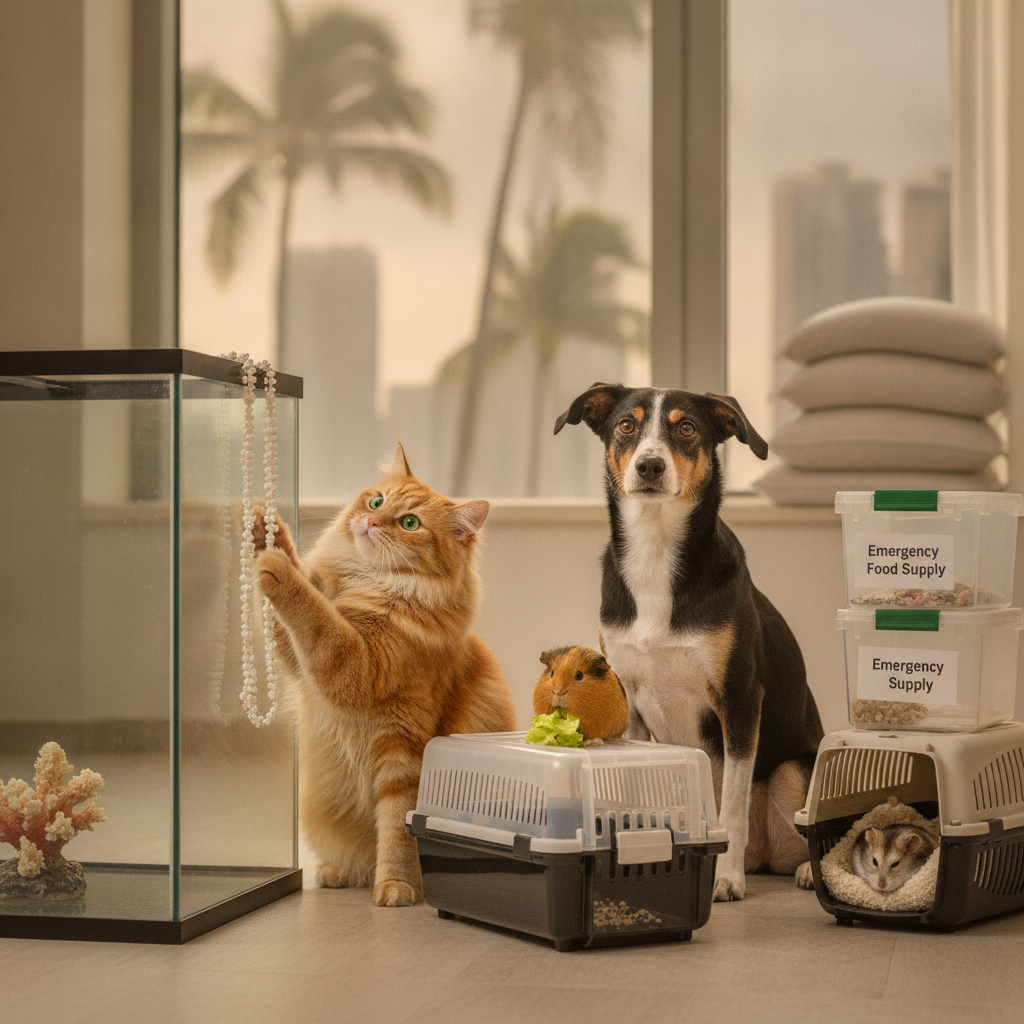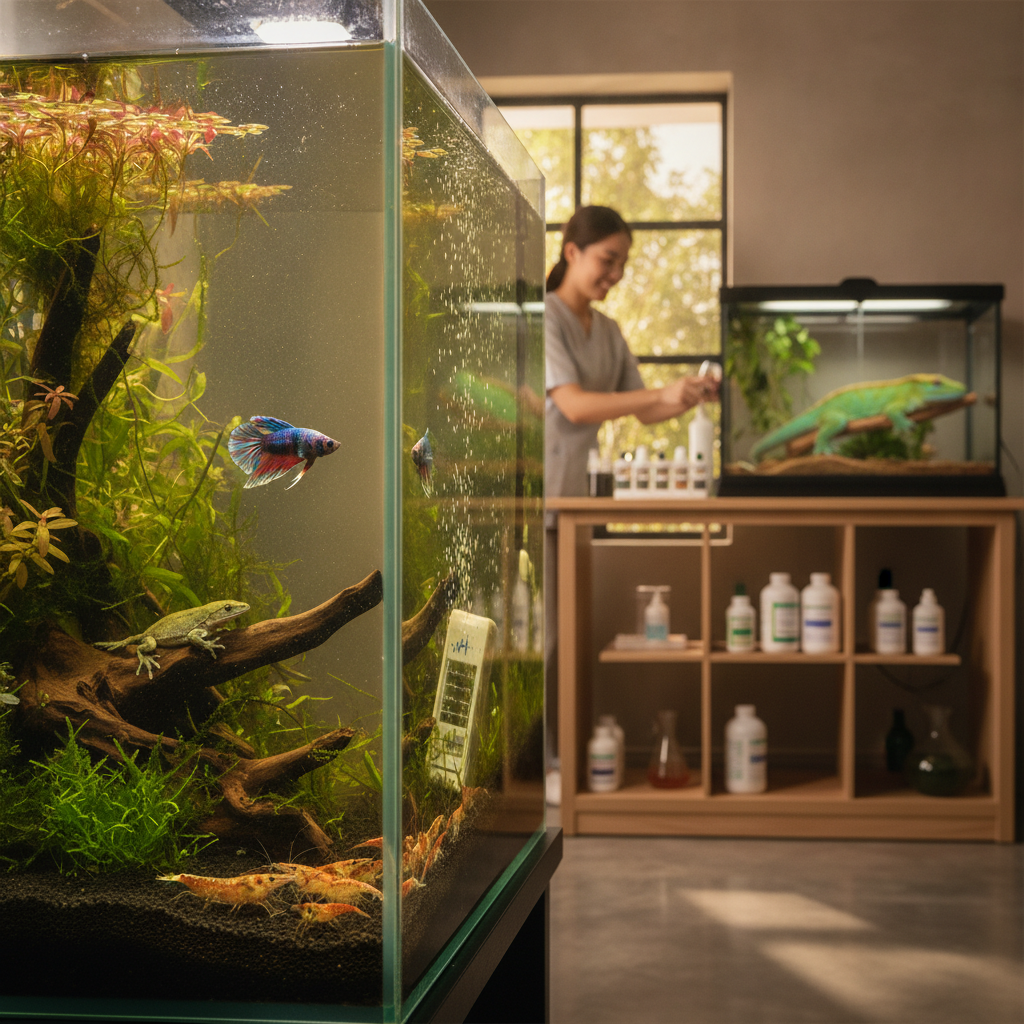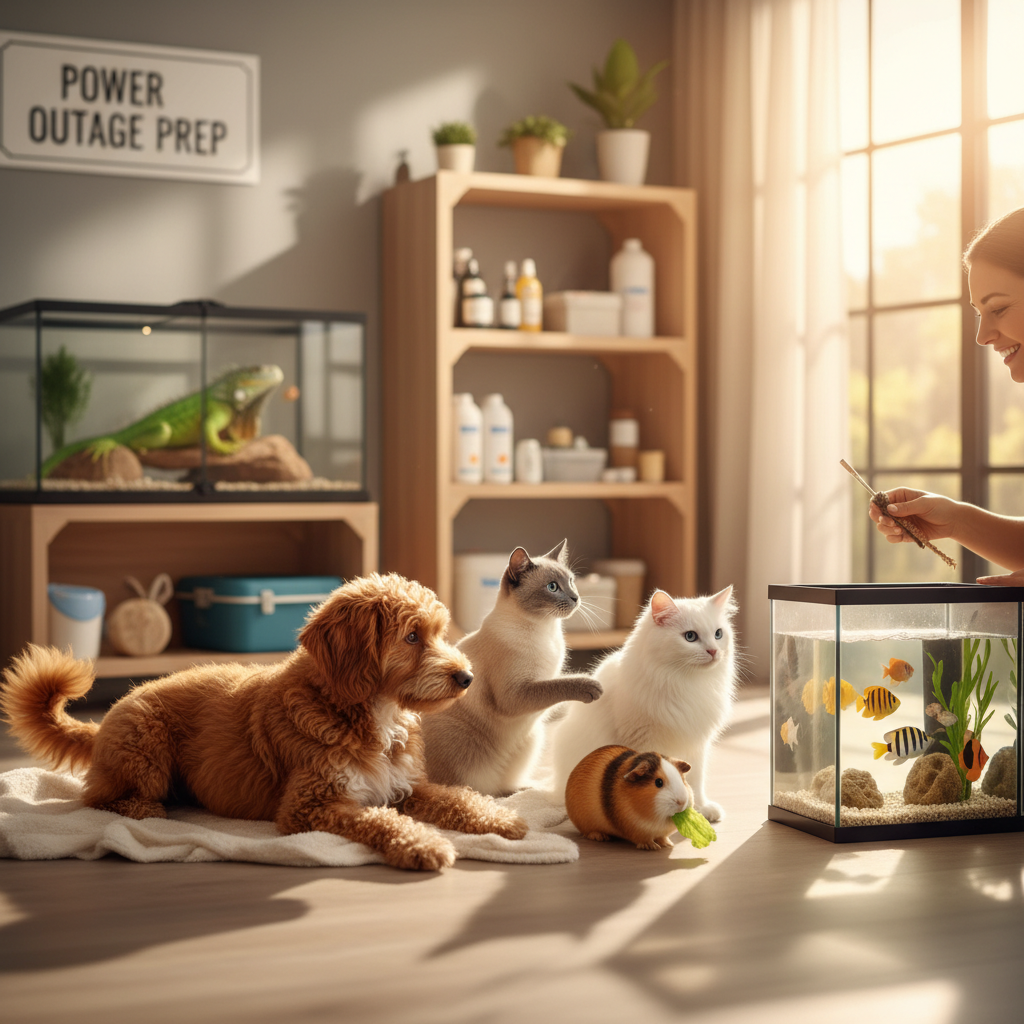
Power cuts during Indian summers and monsoon season pose serious risks to aquarium fish. This guide covers oxygen management, temperature control in extreme heat, and emergency preparedness tailored for fishkeepers across India.
Key Takeaways
- Indian summers (April to June) and monsoon storms (June to September) cause frequent, prolonged power cuts that can be fatal for aquarium fish within hours.
- Ambient temperatures above 40°C in many Indian cities can push tank water past 34°C during outages, well beyond safe limits for most tropical fish.
- A battery powered air pump is the single most critical investment for any Indian fishkeeper, costing as little as ₹300 to ₹800 for a basic D cell model.
- Household inverters, already common in Indian homes, can be configured to support essential aquarium equipment during load shedding.
- Post outage water changes and ammonia testing are essential, especially after long cuts lasting 6 hours or more.
Why Power Cuts in India Are Uniquely Dangerous for Aquariums
India experiences some of the most frequent power interruptions of any major economy. Scheduled load shedding during peak summer demand, monsoon related infrastructure damage, and grid instability in smaller cities and towns mean that fishkeepers must treat outages as a certainty rather than an exception. The Animal Welfare Board of India (AWBI) recognises fish as sentient animals under the Prevention of Cruelty to Animals Act, 1960, making responsible care during emergencies not just a hobby concern but a welfare obligation.
During the Indian summer, particularly across the northern plains, Rajasthan, Gujarat, and central India, ambient temperatures regularly exceed 42°C to 45°C. A standard aquarium without cooling or filtration in a room at 40°C can see water temperatures climb to 34°C or higher within 2 to 3 hours. Most tropical freshwater fish begin showing acute stress above 30°C, and sensitive species like discus and Caridina shrimp may not survive beyond 32°C for prolonged periods.
The combination of oxygen depletion (warm water holds less dissolved oxygen), rising ammonia from stalled filtration, and thermal stress creates a triple threat that is particularly severe in the Indian context.
Understanding Indian Power Cut Patterns
Preparing effectively requires knowing the types of outages common across India:
- Scheduled load shedding: Common in Tier 2 and Tier 3 cities, often lasting 2 to 4 hours daily during summer. Your state electricity board (such as MSEDCL in Maharashtra, TANGEDCO in Tamil Nadu, or BSEB in Bihar) typically publishes schedules.
- Unscheduled summer cuts: Grid overload during heatwaves can cause sudden blackouts lasting 4 to 12 hours, sometimes longer in rural areas.
- Monsoon storm outages: Heavy rains, flooding, and wind damage during June to September can knock out power for 12 to 48 hours in affected areas.
- Transformer failures: Localised outages in residential colonies that may take 6 to 24 hours to resolve.
Fishkeepers should check their state electricity board website or app for outage alerts and plan accordingly.
Oxygen Management: The First Priority
How Quickly Oxygen Drops
In a moderately stocked tank at Indian summer room temperatures (35°C to 40°C), dissolved oxygen begins declining within 30 minutes of filter shutdown. Heavily stocked tanks, common in the Indian hobby where community setups with mixed livebearers, barbs, and tetras are popular, see critical oxygen levels even faster.
Choosing a Battery Air Pump in the Indian Market
Battery powered air pumps are widely available at aquarium shops in most Indian cities and through online marketplaces. When selecting one, consider:
- D cell battery models: Priced around ₹300 to ₹800, these are the most accessible option. They run for 24 to 48 hours on fresh batteries and are stocked by most local aquarium stores.
- Rechargeable lithium models: Available in the ₹1,000 to ₹3,000 range, these offer longer run times and are more economical over repeated outages. Ensure they are fully charged before summer begins.
- Auto on feature: Some models detect power loss and activate automatically, which is invaluable during overnight or unattended outages. These are worth the extra cost.
- Dual outlet pumps: Useful if you maintain multiple tanks, a common setup among Indian hobbyists who often keep separate breeding and display tanks.
Air Pump Maintenance for Indian Conditions
- Test the pump monthly during summer by disconnecting mains power.
- Humidity during monsoon season can corrode battery contacts. Store spare batteries in a sealed zip lock bag with a silica gel packet.
- Replace alkaline batteries every 6 months regardless of use, as high ambient temperatures accelerate discharge.
- Keep air stones, check valves, and tubing stored together in a dry container near the tank.
Temperature Control in Extreme Indian Heat
Preventing Overheating: The Primary Summer Threat
Overheating is the dominant risk for Indian aquariums during power cuts. In cities like Delhi, Nagpur, Jaipur, and Ahmedabad, room temperatures in non air conditioned homes can reach 38°C to 42°C during May and June.
- Frozen water bottles: Freeze 500 ml to 1 litre PET bottles (widely available) in advance. Float one bottle at a time in the tank, replacing as it thaws. This can reduce water temperature by 2°C to 4°C. Keep at least 4 to 6 bottles frozen and rotated at all times during summer.
- Evaporative cooling: Remove the tank lid to allow surface evaporation, which can lower temperature by 1°C to 2°C. Use a mesh cover (mosquito net material works well and is cheaply available) to prevent fish from jumping.
- Insulation: Wrap the tank sides in thick towels or thermocol (expanded polystyrene) sheets, available at most Indian hardware shops for ₹50 to ₹150 per sheet. This slows heat transfer from the hot room to the tank.
- Room management: Close curtains, keep doors shut, and if possible, place a wet towel over a table fan aimed near (not directly at) the tank for ambient cooling.
- Avoid overfeeding before summer: A lower bioload means less metabolic heat and slower ammonia buildup during outages.
Monsoon Season: A Different Risk Profile
During the monsoon, temperatures drop significantly in many regions. While overheating risk decreases, prolonged outages from storm damage remain common. The key concern shifts to oxygen depletion and ammonia buildup during extended 12 to 48 hour cuts. Battery air pump readiness is critical during this period as well.
Leveraging Home Inverters and UPS Systems
India has one of the highest household inverter adoption rates in the world. Many homes already have inverter and battery setups (from brands commonly available in the Indian market) rated at 600 VA to 1500 VA. These can be a lifeline for aquarium fish:
- A standard aquarium air pump draws only 3 to 5 watts. Even a small 600 VA home inverter can run an air pump for the full duration of its battery backup.
- A small internal filter or sponge filter typically draws 5 to 15 watts, also manageable on most home inverters.
- Avoid running heaters or large canister filters on inverters during outages, as these draw 100 to 300 watts and will drain the battery quickly, leaving your household without backup for lights and fans.
- Plug essential aquarium equipment (air pump, small filter) into the inverter circuit before summer begins. Test the setup during a simulated outage.
For fishkeepers with high value livestock (arowana, flowerhorn breeding setups, or reef tanks), a dedicated aquarium UPS or a small portable inverter generator (around ₹15,000 to ₹40,000 for 1,000 watt models) is a worthwhile investment.
Species Resilience: What Indian Hobbyists Commonly Keep
The Indian freshwater hobby is dominated by several species groups. Understanding their outage tolerance helps prioritise emergency actions:
Hardy (tolerate 12 to 24+ hours without filtration)
- Bettas: Extremely popular in India. Labyrinth organ allows atmospheric breathing. Can tolerate prolonged filter outages.
- Guppies, mollies, platies: The backbone of Indian community tanks. Generally resilient to short term filter loss.
- Goldfish: Common in smaller setups. High tolerance, but ammonia builds fast in small bowls and tanks.
- Corydoras catfish: Can gulp surface air. Reasonably robust.
Moderate (6 to 12 hours)
- Tetras, barbs, and rasboras: Popular in planted community tanks. Sensitive to ammonia but manage moderate oxygen drops.
- Angelfish: Widely kept in India. Stress signs appear within 8 hours.
- Flowerhorn and Oscar cichlids: Popular among Indian hobbyists. Large body mass means high oxygen demand; ensure strong aeration.
Sensitive (2 to 6 hours before critical stress)
- Discus: Kept by dedicated hobbyists in temperature controlled setups. Extremely vulnerable during summer outages.
- Marine fish and corals: The saltwater hobby is growing in Indian metros. These setups need immediate intervention.
- Caridina shrimp: Increasingly popular in the Indian aquascaping community. Very low tolerance for parameter swings.
Emergency Water Change Protocol for Indian Tap Water
Indian municipal tap water quality varies enormously by city and season. During monsoon, chlorine dosing by water treatment plants often increases. Key points:
- During the outage: Avoid large water changes unless ammonia exceeds 1.0 ppm on a liquid test kit. Disturbing the tank increases stress and oxygen consumption.
- After power returns: Perform a 30% to 50% water change within the first hour. Use a water conditioner that neutralises both chlorine and chloramine (chloramine is used in several Indian metros).
- Tanker water caution: In areas relying on private water tankers, water quality is unpredictable. Never use untested tanker water for emergency changes. Keep 20 to 40 litres of pre treated, temperature matched water stored for emergencies.
- Borewell water: Common in South India and suburban areas. May have high dissolved minerals or heavy metals. Always test before aquarium use.
- Do not feed fish for at least 2 hours after power returns to let the filter re establish biological activity.
Power Outage Kit Checklist for Indian Fishkeepers
Assemble these items in a clearly labelled container near your aquarium before April each year:
- Battery powered air pump (with auto on feature if budget allows)
- Spare D cell batteries or charged lithium battery pack (stored in sealed bag with silica gel)
- Air stones (2 spares) and flexible airline tubing (2 metres)
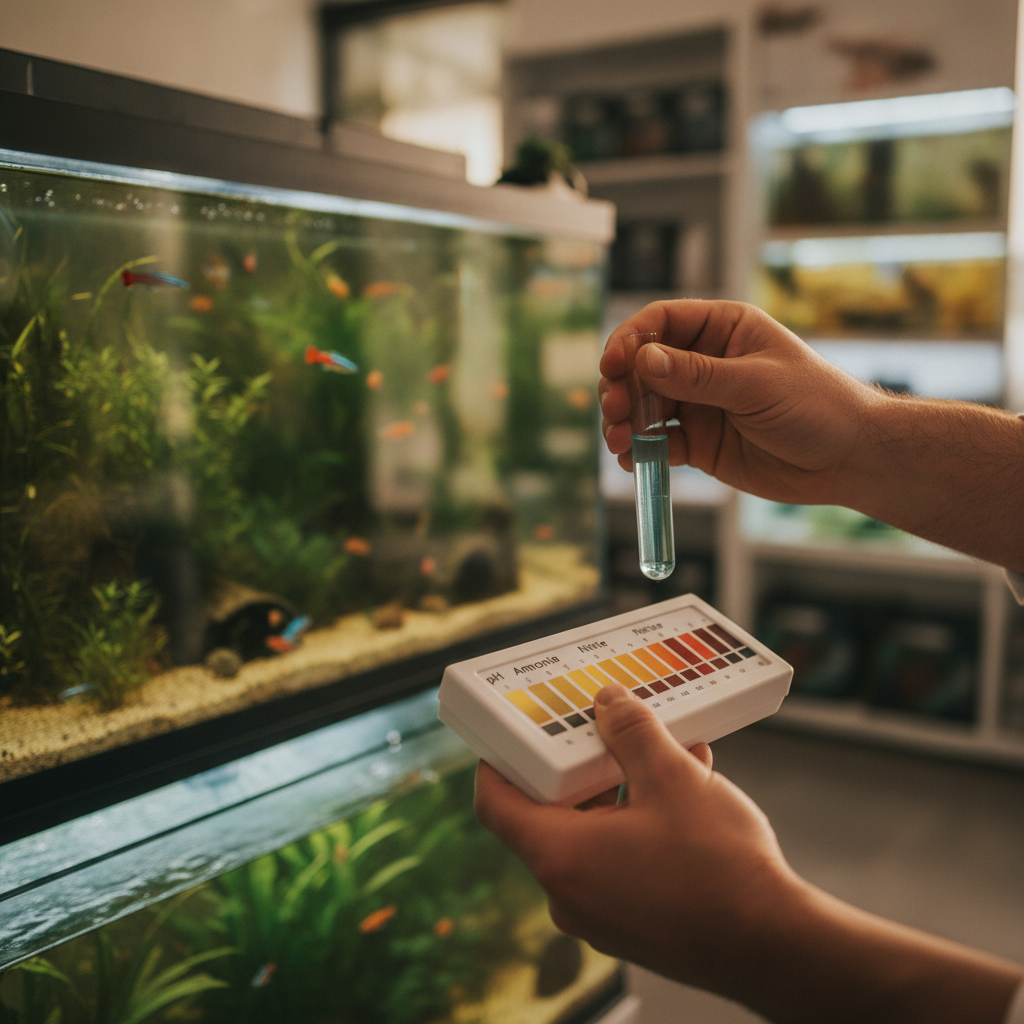
- Liquid ammonia test kit (not strips, as liquid kits are more accurate)
- Water conditioner that neutralises ammonia, chlorine, and chloramine
- 4 to 6 frozen PET water bottles (labelled for aquarium use, stored in freezer)
- Thermocol sheets or thick towels for tank insulation
- Mosquito net mesh for evaporative cooling cover
- Battery powered or hand crank LED torch
- Small battery powered thermometer
- Syringe or turkey baster for spot debris removal
- 20 to 40 litres of pre treated, stored water for emergency changes
- Notebook and pen to log outage time, temperature, and actions
- Printed emergency contacts: state electricity board helpline, nearest aquarium shop, and aquatic veterinarian
Local Veterinary Hospital
Contact your nearest veterinary hospital or government veterinary dispensary for emergency care.
India does not have a national pet emergency hotline. Major cities have private 24-hour vet clinics. In rural areas, contact the district veterinary officer.
Post Outage Recovery Steps
- Perform a 30% to 50% water change with dechlorinated water at matching temperature.
- Dose the tank with a water conditioner that detoxifies ammonia and nitrite.
- Test ammonia, nitrite, and pH at 2 hours and again at 24 hours after power returns.
- Resume feeding only after 2 hours of restored filtration.
- Watch for signs of stress over the following 48 hours: rapid gill movement, clamped fins, surface gasping, or colour fading.
- If fish show persistent stress or disease signs following an outage, consult a veterinarian with aquatic expertise. The Indian Veterinary Association (IVA) and state veterinary universities may offer referrals.
Frequently Asked Questions
See below for common questions from Indian aquarium hobbyists about managing power cuts and keeping fish safe during summer and monsoon seasons.
Frequently Asked Questions
How long can aquarium fish survive a power cut in Indian summer heat? ↓
Can I use my home inverter to keep my aquarium running during a power cut? ↓
How do I cool my fish tank during a summer power cut without electricity? ↓
What should I do immediately after power is restored to my aquarium? ↓
Is Indian tap water safe for emergency aquarium water changes? ↓
How much does a battery air pump cost in India? ↓

Tom Ashford
Pet Safety & Home Consultant
Pet safety and home-proofing specialist — systematic hazard prevention and emergency preparedness for pet owners.
Content Disclosure
This article was created using state-of-the-art AI models with human editorial oversight. It is intended for informational and entertainment purposes only and does not constitute veterinary medical advice. Always consult a licensed veterinarian for your pet's specific health needs. Learn more about our process.