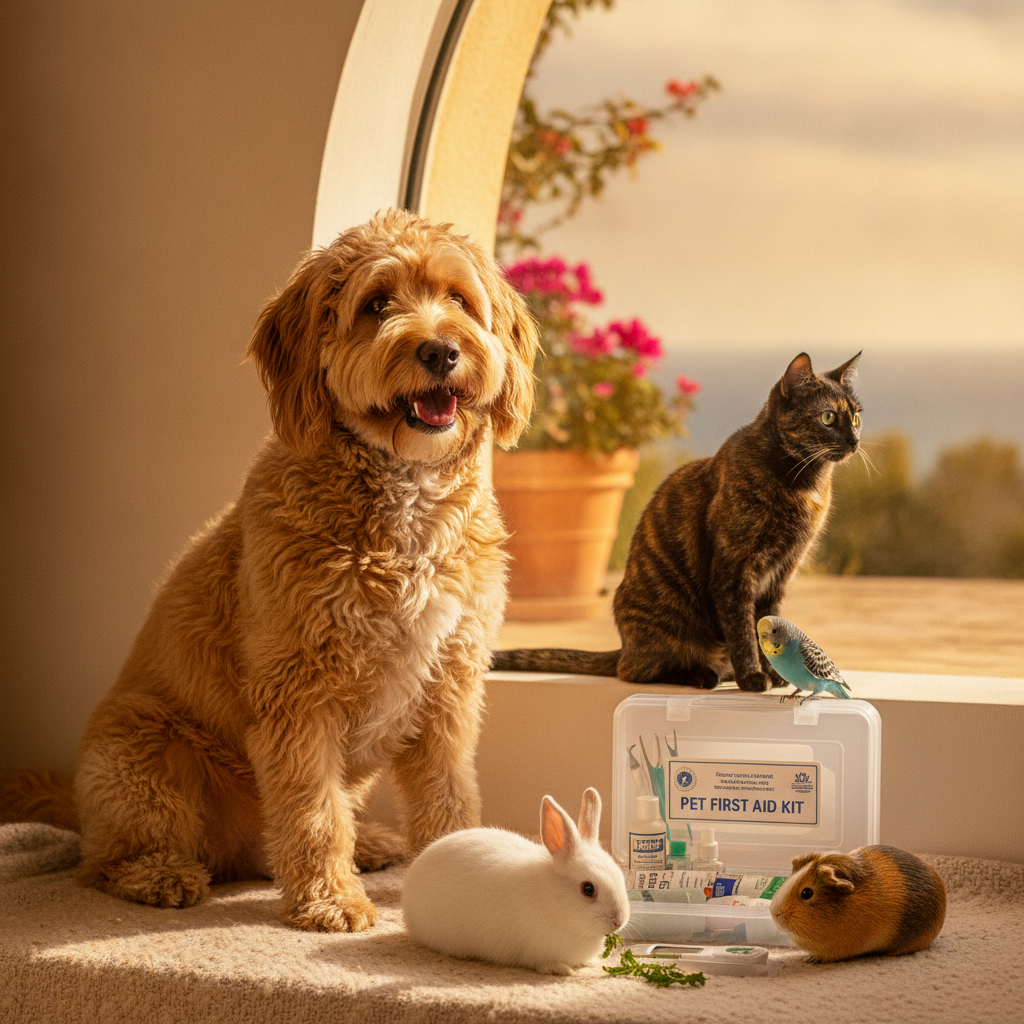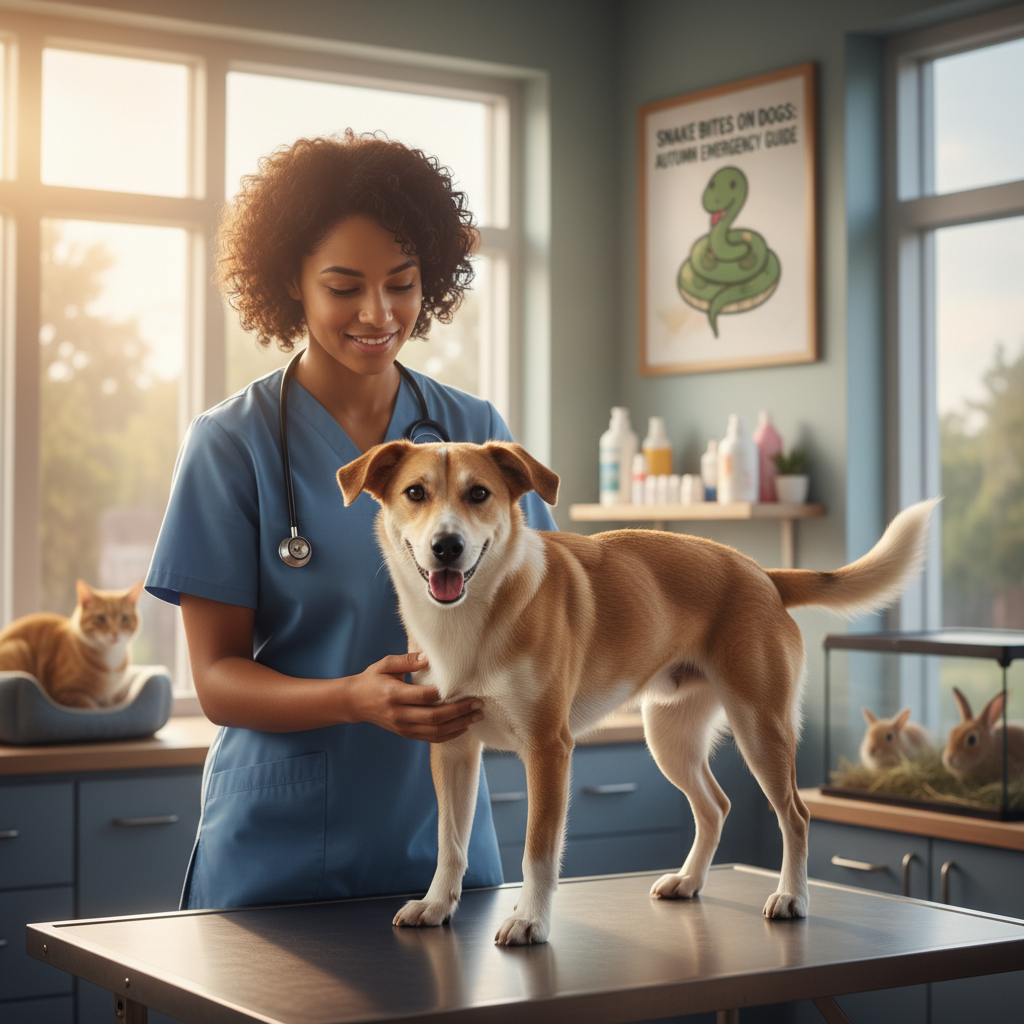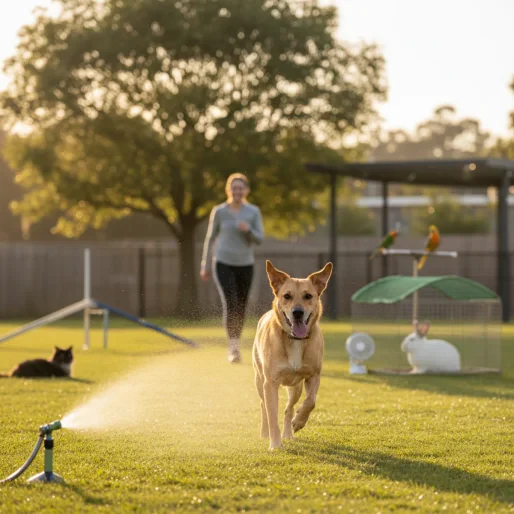
Don't let the fading summer lull you into a false sense of security. Learn expert strategies to manage cumulative heat stress, humidity, and safe conditioning for your pet during the seasonal transition.
Key Takeaways
- The Danger of "False Fall": Late summer often brings high humidity and warm nights, preventing pets from cooling down effectively even if peak daytime temperatures have dropped.
- Acclimatization Fade: Pets that have been kept indoors during mid-summer heat waves may lose their heat tolerance, making them vulnerable to sudden outdoor activity.
- Humidity Factor: Dogs cool primarily through panting (evaporation). High humidity renders this mechanism inefficient, drastically increasing heatstroke risk at lower temperatures.
- Emergency Protocol: If you suspect heatstroke, immediate cooling on-site is critical before transport. Seconds matter.
As we transition from the peak of summer into early autumn, many pet owners breathe a sigh of relief. We assume the danger zone has passed. However, in my practice as a canine fitness practitioner, late summer is often when I see the most concerning cases of heat stress. We call this the "compliance fatigue" phase, owners relax their vigilance just as environmental factors shift in subtle, dangerous ways.
Heatstroke is not merely a result of high temperatures; it is a failure of the body's thermoregulatory mechanisms. Understanding how to support your pet's physiology during this specific seasonal window is crucial for preventive health.
Understanding the Physiology of Cooling
Unlike humans, who sweat across their entire body surface, dogs and cats have very limited cooling mechanisms. They rely primarily on panting (evaporative cooling from the respiratory tract) and, to a lesser extent, sweating through their paw pads and vasodilation (blood vessels expanding near the skin surface).
This system is fragile. When a dog pants, they are exchanging hot internal air for cooler external air. If the external air is hot and humid, this exchange becomes inefficient. The body works harder to cool down, generating more metabolic heat in the process, creating a dangerous feedback loop.
The Specific Risks of Late Summer
Late summer presents unique challenges that differ from the stark heat of July.
1. Cumulative Heat Load
By late August and September, the environment itself is heat-soaked. Pavement, soil, and buildings retain heat longer into the evening. This phenomenon, known as the "urban heat island effect," means that evening walks, often considered safe, might still expose your pet to ground temperatures significantly higher than the ambient air temperature.
In my conditioning programs, we emphasize checking surface temperatures continuously. If you cannot hold the back of your hand against the asphalt for seven seconds, it is too hot for paws. For those navigating mixed terrain, understanding surface retention is key. You can read more about managing diverse environments in our guide to maximizing the last of the mild weather.
2. The Humidity Trap
Late summer storms often bring spikes in humidity. As mentioned earlier, humidity neutralizes the effectiveness of panting. A temperature of 24°C (75°F) with 80% humidity can be more dangerous than 30°C (86°F) with dry air. This damp heat also creates a breeding ground for skin issues, which can further compromise a pet's comfort and health. For a deeper dive into skin health during this season, refer to our guide on preventing hot spots and yeast.
3. Air Quality and Respiratory Efficiency
Late summer is frequently associated with wildfire season in many regions, or simply stagnant air masses trapping pollutants. Compromised air quality reduces the efficiency of your pet's respiratory system, making panting harder work. If your area is experiencing haze, your heatstroke prevention plan must include air quality monitoring. See our Smoke Season Protocol for specific adjustments to exercise routines.
Proactive Prevention Strategies
Prevention is active, not passive. It involves hydration strategy, coat management, and intelligent scheduling.
Hydration Beyond the Bowl
Simply leaving a bowl of water out is insufficient for active prevention. We want to encourage fluid intake throughout the day to maintain blood volume, which aids in cooling.
- Moisture-Rich Diet: Incorporate wet food or add water/bone broth to dry kibble.
- Baiting Water: If your dog is a reluctant drinker, "bait" their water with a small amount of tuna juice or low-sodium broth to encourage consumption before and after walks.
- Portable Hydration: Never leave home without water, even for short walks. In the event of overheating, drinking cool water helps cool the core from the inside out.
Coat Management
There is a persistent myth that shaving a double-coated dog helps them cool down. In reality, the undercoat provides insulation against heat as well as cold. However, this only works if the coat is maintained. Impacted, matted undercoat traps heat against the body and prevents air circulation to the skin. Regular de-shedding is vital. Learn the correct technique in our step-by-step de-shedding guide.
Recognizing the Signs: When to Act
Heatstroke progresses rapidly. By the time a dog collapses, organ damage may already be occurring. You must intervene at the stage of heat exhaustion.
Early Warning Signs:
- Excessive, heavy panting that does not settle when exercise stops.
- "Spatulate" tongue: The tongue appears wider and flatter than usual at the end.
- Brick-red gums (indicating vasodilation) or very pale gums (indicating shock).
- Thick, ropey saliva.
- Lack of coordination or stumbling.
Immediate Triage:
- Stop activity immediately. Carry small pets; walk larger pets slowly to the nearest shade.
- Active Cooling: Wet the dog with cool (not freezing) water. Focus on the belly, groin, and paws. Use a fan to maximize evaporative cooling.
- Transport: Head to the vet immediately, even if the dog seems to recover. Internal complications can arise hours later.
A Note on High-Risk Groups
While any dog can suffer heatstroke, Brachycephalic breeds (Pugs, Bulldogs, Boxers) are at exponentially higher risk due to their compromised airways. For these dogs, "prevention" often means strictly limiting outdoor activity to early morning and late night during late summer.
Similarly, keep a close eye on the environment. Late summer is also when other biological hazards peak. While you are scanning the ground for heat, also be vigilant for wildlife. Refer to our Late Summer Snake Safety guide for more situational awareness tips.
Conclusion
Navigating the end of summer requires a shift in mindset. We cannot rely on the calendar to tell us when it is safe; we must rely on the conditions in front of us. By respecting the humidity, maintaining hydration, and watching for early physiological signals, you can ensure your pet transitions into autumn fit, healthy, and safe.
Frequently Asked Questions
Why is late summer dangerous for pets even if temperatures drop? ↓
Can I shave my double-coated dog to prevent heatstroke? ↓
What are the first signs of heatstroke in dogs? ↓
How much water should a dog drink in hot weather? ↓

Lena Voss
Pet Wellness & Lifestyle Coach
Pet wellness and lifestyle coach — proactive fitness, weight management, and preventive care for healthier, happier pets.
Content Disclosure
This article was created using state-of-the-art AI models with human editorial oversight. It is intended for informational and entertainment purposes only and does not constitute veterinary medical advice. Always consult a licensed veterinarian for your pet's specific health needs. Learn more about our process.