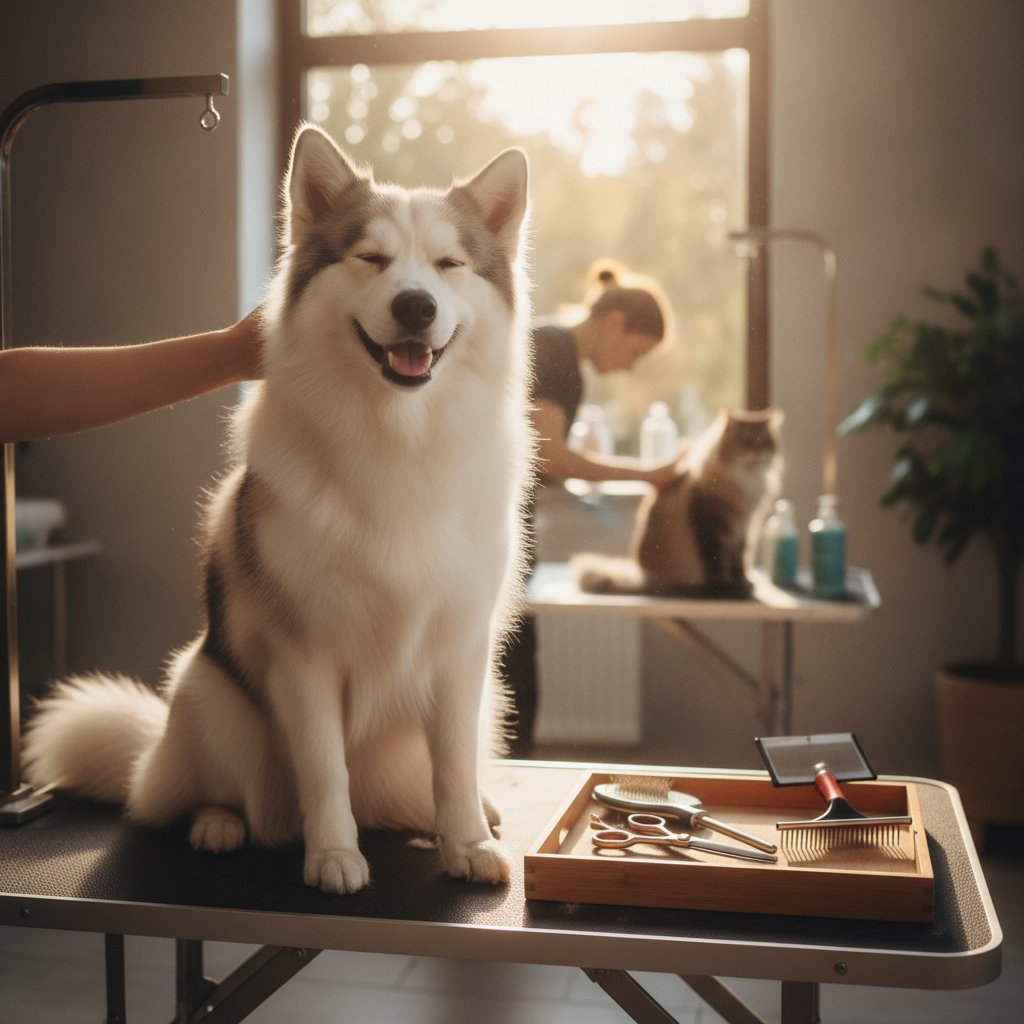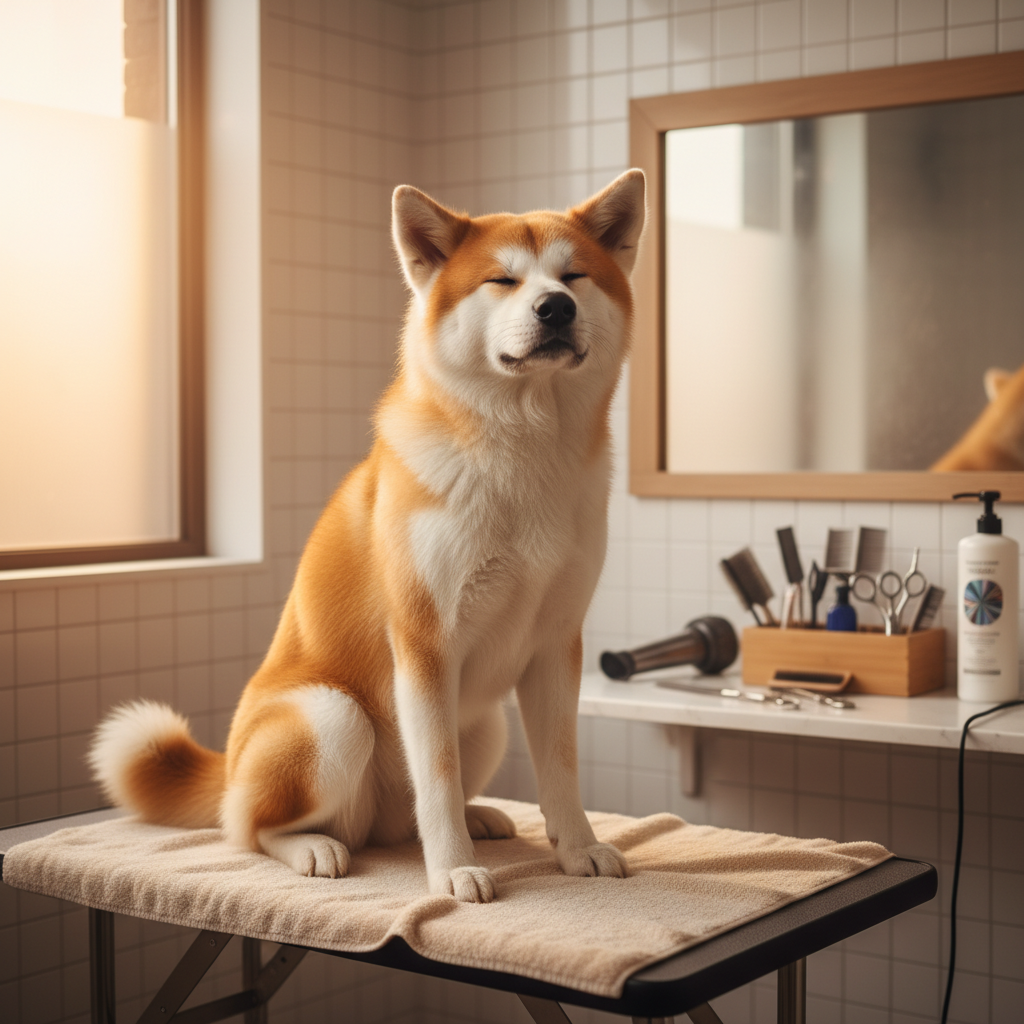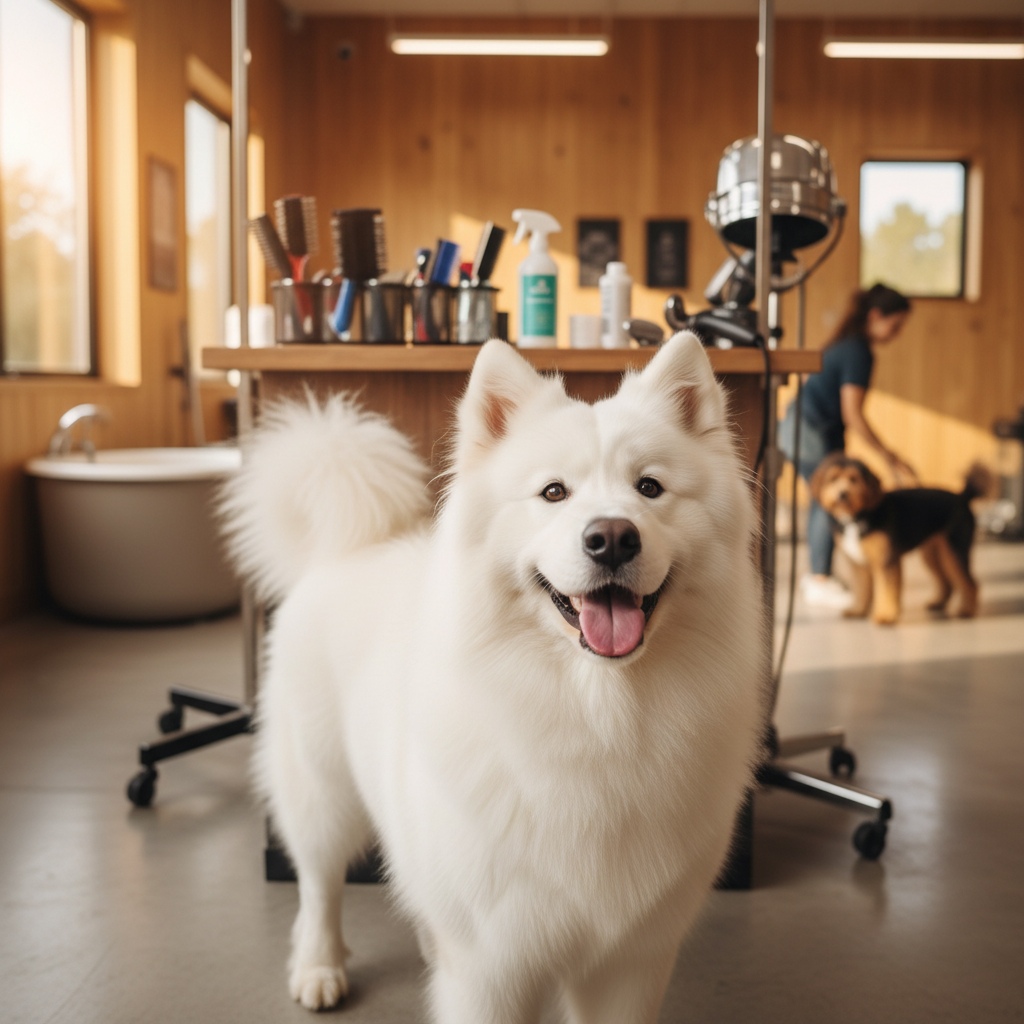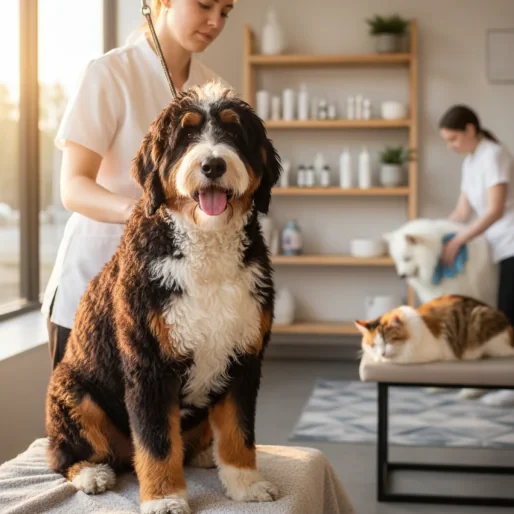
India's extreme summers tempt many pet parents to shave their double-coated dogs, but this does more harm than good. Here is why the double coat is your dog's best defence against 45°C heat, and what to do instead.
Key Takeaways
- A double coat insulates against India's extreme summer heat (often exceeding 45°C); shaving removes this natural cooling system.
- Shaved coats may never regrow correctly, a condition called post-clipping alopecia, which is especially damaging in India's high UV environment.
- Shaving exposes pale, thin skin to intense tropical UV radiation, greatly increasing the risk of sunburn and skin cancer.
- Regular deshedding, fresh water access, cooling mats, and avoiding midday walks are safer, more effective strategies for Indian summers.
- The Prevention of Cruelty to Animals Act, 1960 holds owners accountable for ensuring their pets are not subjected to unnecessary suffering, including heat-related neglect.
Why Double Coats Matter Even More in Indian Summers
Breeds like Golden Retrievers, German Shepherds, Siberian Huskies, Pomeranians, Samoyeds, and Chow Chows are increasingly popular in Indian cities such as Delhi, Bengaluru, Mumbai, and Hyderabad. All of these are double-coated breeds, meaning their fur has two distinct layers: a soft, dense undercoat that traps insulating air against the skin, and a coarser topcoat (guard hairs) that blocks UV rays, repels water, and shields against insects and debris.
Many Indian pet parents assume that removing all that fur will help their dog cope with 42°C to 48°C heat common across the northern plains from April through June. The reality is the opposite. The double coat acts like the insulated walls of a well-built home: it keeps external heat out just as effectively as it keeps body heat in during winter. Shaving destroys this thermal buffer and forces the dog's body to absorb ambient heat directly through exposed skin.
How Dogs Actually Cool Down (It Is Not Through Their Skin)
Unlike humans, dogs do not sweat through most of their skin. Their sweat glands are limited almost entirely to the paw pads. Instead, dogs rely on three primary cooling mechanisms:
- Panting: Evaporative cooling from the tongue and respiratory tract is the main method. Moisture evaporates from the airways, drawing heat away from the body.
- Vasodilation: Blood vessels near the surface of the ears, belly, and other lightly furred areas dilate to release heat.
- Conduction: Dogs press against cool surfaces (tiles, marble flooring, or damp earth) to transfer heat directly from their body.
The undercoat creates a microclimate of trapped, still air between the skin and the outer environment. This air layer dramatically slows heat transfer from the outside in. When you shave the coat, this buffer disappears, and ambient temperatures of 45°C or higher hit the skin directly. In India's intense sunshine, this is a recipe for overheating, not relief from it.
What Happens When You Shave a Double Coat in a Tropical Climate
Disrupted Regrowth
The undercoat and topcoat grow on independent cycles. Shaving cuts both layers to the same length, disrupting this balance. The undercoat, which grows faster, typically returns first and dominates. Guard hairs may grow back slowly, unevenly, or not at all. The resulting coat is often:
- Patchy and cottony in texture
- Far less effective at repelling monsoon rain and blocking UV radiation
- More prone to severe matting, especially during humid months (June through September)
Post-Clipping Alopecia
Veterinary dermatologists recognise post-clipping alopecia as a condition where hair fails to regrow normally after shaving. It is documented most frequently in Nordic and Arctic breeds such as Huskies, Malamutes, and Samoyeds. In India, where these breeds face environmental conditions far removed from their evolutionary origins, a permanently compromised coat is particularly dangerous. A dog that cannot regrow proper guard hairs has reduced UV protection for every subsequent Indian summer.
Sunburn and Skin Cancer Risk in India's UV Environment
India's UV index routinely reaches "very high" to "extreme" categories (UV index 8 to 11+) across most of the country between March and September. Shaved double-coated dogs with pale or pink skin underneath are directly exposed to this radiation.
Canine sunburn (solar dermatitis) presents as red, inflamed, and sometimes blistered skin. Chronic UV exposure can progress to actinic keratosis (precancerous changes) and squamous cell carcinoma. The nose bridge, ear tips, and dorsal trunk are the most vulnerable areas. These risks are compounded in India by the sheer duration of intense sun exposure across 8 to 10 months of the year.
Common Myths Indian Pet Parents Believe
Myth: "Shaving helps dogs survive Indian summers"
The double coat insulates against external heat. Removing it allows ambient temperatures to reach the skin directly. Professional veterinary consensus, including guidelines referenced by the Indian Veterinary Association, does not support shaving as a cooling strategy.
Myth: "The coat will grow back the same"
Many dogs never regain their original coat quality. Given India's climate, the period of vulnerability during regrowth (which can take 6 to 18 months or longer) coincides with intense heat and monsoon humidity, creating a prolonged window of risk.
Myth: "Shaving reduces shedding"
Shedding continues regardless. Shorter shed hairs are actually harder to clean from carpets, sofas, and car seats because they embed more stubbornly into fabric fibres.
Myth: "My dog seems so relieved after shaving"
Initial comfort is almost always due to the removal of matted, neglected undercoat, not the shave itself. Regular brushing achieves the same relief without any risks.
What to Do Instead: Summer Care for Indian Conditions
1. Regular Deshedding and Brushing
Removing loose, dead undercoat is the single most effective step. During peak shedding (typically March through May in India), daily brushing sessions with an undercoat rake or deshedding tool restore the coat's airflow. Professional grooming sessions every 6 to 8 weeks are advisable, typically costing between ₹800 and ₹2,500 depending on the breed size and city. Always specify "deshed and trim only, no clipping to the skin" when booking.
2. Constant Access to Fresh, Cool Water
Dehydration is a serious risk in Indian summers. Dogs should have access to clean water at all times, refreshed multiple times daily. Many pet parents add ice cubes to water bowls or use ceramic bowls that keep water cooler for longer. A medium-sized dog (around 20 kg) may drink 1.5 to 2.5 litres daily in peak heat.
3. Cooling Mats and Marble or Tile Flooring
Gel-based or pressure-activated cooling mats are widely available from Indian pet retailers, typically priced between ₹500 and ₹2,000. Indian homes with marble or mosaic tile flooring already offer a natural cooling surface. Allow your dog to rest on these cool floors, especially during the afternoon.
4. Avoid Walks Between 10 a.m. and 5 p.m.
In cities like Delhi, Nagpur, Jaipur, and Chennai, ground-level temperatures on asphalt can exceed 60°C during midday. This can burn paw pads within seconds. Walk your dog before 7 a.m. or after 6 p.m. during summer months. If a midday toilet break is necessary, use grassy areas only and keep it under 5 minutes.
5. Swimming and Wetting (With Monsoon Caution)
Swimming is excellent exercise and cooling for double-coated breeds. However, the coat must be thoroughly dried afterward to prevent moisture from being trapped against the skin. In India's humid monsoon months, damp coats that are not properly dried can quickly develop bacterial or fungal infections ("hot spots"). After any water exposure, towel dry thoroughly and consider a low-heat blow dry to the undercoat.
6. Damp Towel Cooling
A cool, damp towel placed over the belly and inner thighs (where blood vessels sit close to the surface) provides effective short-term relief. Avoid ice-cold water, which can cause blood vessels to constrict and paradoxically trap heat in the body's core.
7. Professional Summer Trim (Not a Shave)
An experienced groomer can perform a light trim that tidies feathering on legs, belly, and tail, and clears fur around paw pads, without cutting into the undercoat. This improves airflow and appearance while preserving the coat's protective function. Ensure the groomer has specific experience with double-coated breeds.
Legal Responsibility Under Indian Law
The Prevention of Cruelty to Animals Act, 1960, administered by the Animal Welfare Board of India (AWBI), holds pet owners responsible for ensuring their animals are not subjected to unnecessary suffering. While the Act does not specifically address grooming practices, allowing a dog to suffer from preventable heatstroke, severe sunburn, or chronic skin damage due to a shaved coat could fall under the broader provisions against neglect. Responsible coat management is part of responsible ownership.
Additionally, rabies vaccination is mandatory for dogs across India. When visiting a veterinarian or groomer, ensure your dog's rabies vaccination is current, as required by local municipal regulations.
When to See a Veterinarian
Certain situations require professional evaluation rather than home management:
- Signs of heatstroke: Excessive panting, drooling, lethargy, vomiting, staggering, or collapse. This is a medical emergency. Contact your nearest veterinary hospital immediately.
Local Veterinary Hospital
Contact your nearest veterinary hospital or government veterinary dispensary for emergency care.
India does not have a national pet emergency hotline. Major cities have private 24-hour vet clinics. In rural areas, contact the district veterinary officer.
- Persistent skin redness or lesions after sun exposure: These may indicate solar dermatitis or early skin cancer and need professional diagnosis.
- Coat that has not regrown months after shaving: A veterinary dermatologist can evaluate for post-clipping alopecia and rule out endocrine conditions such as hypothyroidism or Cushing's disease.
- Severe matting that cannot be resolved with brushing: In extreme cases, supervised partial clipping may be necessary as a last resort, but this should be done under veterinary or professional grooming guidance.
When visiting a vet, useful questions include: "Could an underlying health condition be affecting coat quality?" and "What breed-specific grooming schedule do you recommend for Indian summers?"
Breeds Most at Risk in India
Several double-coated breeds are extremely popular in India despite being originally bred for cold climates. These dogs face the highest risk from shaving in Indian conditions:
- Siberian Husky and Alaskan Malamute
- Golden Retriever and Labrador Retriever
- German Shepherd
- Samoyed
- Pomeranian (one of India's most popular breeds)
- Chow Chow
- Bernese Mountain Dog and Great Pyrenees
- Shetland Sheepdog and Rough Collie
Single-coated breeds such as Poodles, Shih Tzus, Lhasa Apsos, and Dobermans have a different coat structure and can be clipped without the same risks. Always confirm your dog's coat type before making grooming decisions.
Communicating With Your Groomer
Miscommunication with groomers is a common cause of accidental shaving in India. Many grooming salons in Indian cities now offer breed-specific grooming packages. When booking, use clear instructions: "Deshed and trim only. Do not shave or clip close to the skin." If your groomer is unfamiliar with double-coat care, consider finding one who specialises in breeds like Huskies or Golden Retrievers. Professional grooming associations in India are growing, and word of mouth through breed-specific communities and social media groups can help identify experienced professionals.
Frequently Asked Questions
Why should I not shave my Husky or Golden Retriever in Indian summer? ↓
What is post-clipping alopecia and is it common in India? ↓
How can I keep my double-coated dog cool in Indian summers without shaving? ↓
How much does professional grooming for a double-coated dog cost in India? ↓
Is it illegal to shave my dog in India? ↓

Dr. James Harrington
Veterinarian & Pet Health Writer
Veterinarian and health writer — translating complex medical topics into clear, actionable guidance for pet owners.
Content Disclosure
This article was created using state-of-the-art AI models with human editorial oversight. It is intended for informational and entertainment purposes only and does not constitute veterinary medical advice. Always consult a licensed veterinarian for your pet's specific health needs. Learn more about our process.