A professional comparison of active filtration systems versus passive gravity dispensers. We analyse the hygiene risks, maintenance realities, and behavioural suitability for different pets.
- Hygiene Reality: Smart fountains require weekly pump disassembly to prevent biofilm, while gravity bowls need daily scrubbing to remove saliva and debris.
- Behavioural Impact: Noise-sensitive rescue pets may refuse to drink from motorized fountains, whereas cats with low thirst drives often benefit from the running water stimulus.
- Cost Factor: Gravity bowls are a one-time purchase, while fountains incur ongoing costs for filters and pump replacements.
- Material Matters: Veterinary professionals recommend stainless steel or ceramic over plastic for both options to reduce feline acne and bacterial retention.
The Hydration Dilemma: Tech vs. Tradition
Proper hydration is a cornerstone of renal health and temperature regulation for companion animals. With the pet technology sector expanding, owners are frequently presented with smart water fountains as the superior choice for modern homes. However, adoption counsellors and veterinary professionals often caution that technology does not automatically equate to better health outcomes.
The choice between a smart water fountain (active filtration) and a gravity bowl (passive replenishment) should not be based on aesthetics, but on the specific behavioural needs of the animal and the owner's commitment to maintenance protocols. Incorrectly maintained systems of either type can become reservoirs for Serratia marcescens (often visible as pink slime) and other harmful bacteria.
Smart Water Fountains: Active Filtration Systems
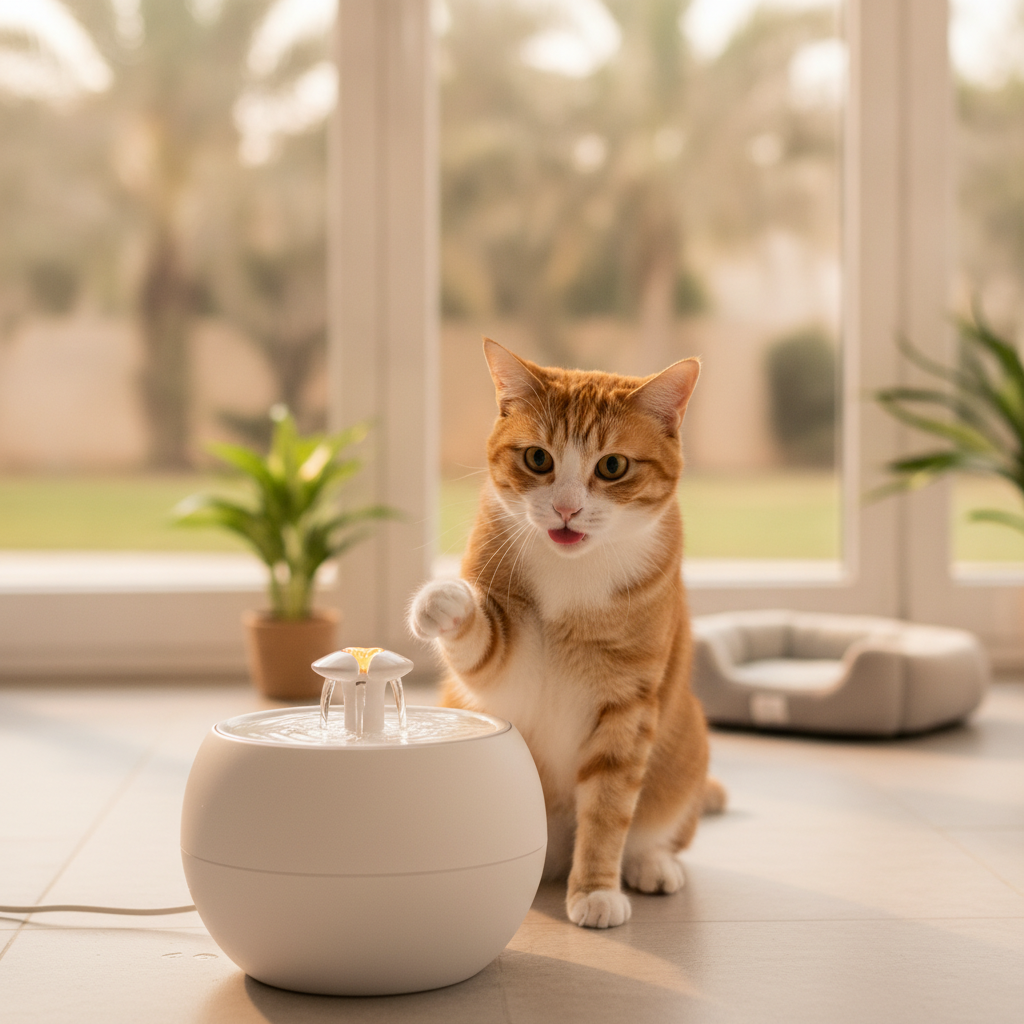
Smart fountains use an electric pump to cycle water through a filter (usually charcoal and ion exchange resin) and spout. They are designed to mimic natural water sources.
The Hygiene Profile
The primary advantage of a fountain is the removal of particulate matter. Hair, dust, and food debris are trapped in the filter rather than floating in the drinking area. However, the complexity of the mechanism introduces significantly higher hygiene risks if neglected.
- Biofilm Accumulation: Pumps contain intricate impellers and corners where biofilm accumulates rapidly. Without full disassembly during cleaning, these areas breed bacteria that recirculate into the water.
- Filter Efficacy: Filters remove taste and chemical impurities but do not kill bacteria unless specifically equipped with UV-C sterilization (which also requires maintenance).
Best Suited For
- Cats with Low Thirst Drive: Felines often possess an evolutionary preference for running water, associating it with freshness. Fountains can be critical for preventing urinary crystals in male cats.
- Households with Poor Water Quality: If tap water has a strong chlorination smell, the aeration and carbon filtration can make it more palatable.
Gravity Bowls: Passive Replenishment Systems
Gravity bowls consist of a reservoir bottle inverted into a base. As the pet drinks, the water level drops, breaking the vacuum seal and releasing more water until the base is full again.
The Hygiene Profile
Gravity systems are mechanically simple but prone to stagnation at the surface level. Because the water is not circulated, saliva and organic matter settle in the bowl.
- Backwash Contamination: When a dog drinks, a significant amount of water (and saliva) flows back into the bowl. In a gravity system, this creates a nutrient-rich broth for bacteria if not washed daily.
- Cleaning Simplicity: Despite the stagnation risk, the lack of small parts makes these systems easier to sanitise effectively in a dishwasher.
Best Suited For
- Large Breed Dogs: Giant breeds (like Mastiffs or Saint Bernards) consume water in volumes that require frequent refilling. Gravity feeders provide bulk access without the fragility of fountain pumps.
- Noise-Sensitive Pets: Rescue animals with anxiety or noise phobias may be terrified of the low-frequency hum produced by fountain pumps.
Comparative Analysis: Maintenance and Suitability
When counselling potential adopters, the following comparison helps clarify the long-term commitment required for each option.
| Feature | Smart Water Fountain | Gravity Bowl |
|---|---|---|
| Filtration | Active (Charcoal/Mesh) | None (Static) |
| Cleaning Frequency | Weekly full disassembly | Daily basin scrub |
| Failure Points | Pump burnout, sensor failure | Bottle seal degradation, cracking |
| Noise Level | Low hum + splashing water | Silent (except the 'glug' on refill) |
| Ongoing Cost | Filters ($5-15/month) | Zero |
Material Considerations: Plastic vs. Steel
Regardless of the mechanism (smart or gravity), the material of the unit is a critical hygiene factor. Veterinary dermatologists frequently link chin acne (folliculitis) in cats and dogs to plastic bowls. Plastic develops microscopic scratches over time, which harbour bacteria even after washing.
For optimal sanitation, ceramic or stainless steel models are the professional standard. These materials are non-porous and can withstand the high temperatures of a dishwasher cycle needed to sterilise the unit.
Adoption and Behavioural Factors
When bringing a new pet home, the water station is often overlooked. However, it plays a role in the decompression period.
The Rescue Context
Animals transitioning from shelters often have heightened cortisol levels. A noisy, light-up smart fountain can act as an aversive stimulus, causing a timid dog to avoid the kitchen entirely. For the first two weeks, a simple ceramic bowl is recommended to reduce environmental stressors. Once the animal is confident, a transition to a fountain can be attempted.
Multi-Pet Households
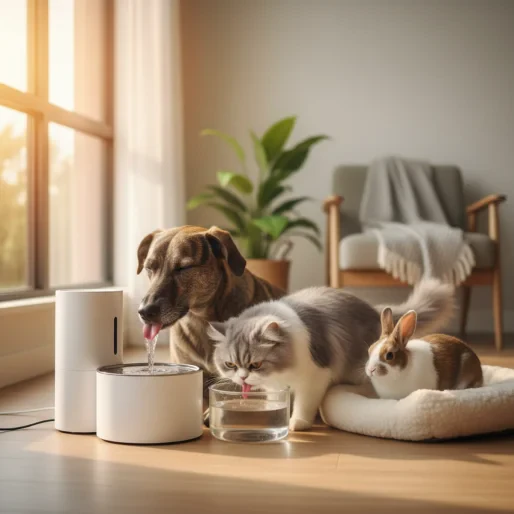
In homes with both cats and dogs, resource sharing becomes a challenge. Dogs often leave significant saliva and food particles in the water. If a cat shares this source, a fountain is often superior because the filter traps the debris, keeping the water visually appealing for the fastidious feline. However, the filter will need to be changed twice as frequently as the manufacturer suggests.
Decision Checklist: Which System Fits Your Home?
Before purchasing, owners should evaluate their household routine against the maintenance requirements.
- Do you have a compromised immune system? If yes, a gravity bowl (washed daily in a dishwasher) is safer than a fountain that may harbour hidden biofilm in the pump housing.
- Do you travel frequently? Smart fountains with large reservoirs can provide water for longer periods, but if the power fails, the pet loses access to the water stored below the pump line. Gravity bowls operate without electricity, offering a safety net during storms or outages.
- Is your pet a 'digger'? Some cats and dogs enjoy pawing at moving water. While this is enriching, it can lead to water damage on flooring. Gravity bowls offer less recreational appeal, which may be preferable for wood floors.
Professional Maintenance Protocols
To maintain a safe hydration station, the following schedules are recommended by animal care professionals.
For Smart Fountains
- Daily: Top up water with fresh, cold tap water. Check the water level window to prevent pump burnout.
- Weekly: Disassemble the unit completely. Remove the impeller from the pump motor (magnetically held) and scrub the cavity with a spool brush. Run non-electrical components through the dishwasher.
- Monthly: Replace the carbon filter. Descale the pump with a vinegar solution if you live in a hard water area.
For Gravity Bowls
- Daily: Separate the reservoir from the base. Wash the base with hot soapy water to remove the slime layer. Rinse thoroughly.
- Weekly: Sanitise the reservoir bottle using a bottle brush and pet-safe disinfectant. Inspect the rubber gasket or cap for mould growth.
Ultimately, the "best" water bowl is the one that the owner commits to cleaning regularly. A pristine stainless steel bowl is infinitely healthier for a pet than a neglected smart fountain filled with filtered, yet bacteria-laden, water.
For further reading on managing pet care costs and equipment, see our guides on automatic feeders vs. smart bowls and managing rising vet costs. Additionally, maintain overall home hygiene with our eco-friendly cleaning checklist.
Frequently Asked Questions
Do smart water fountains really encourage pets to drink more? ↓
How often do I need to clean a pet water fountain? ↓
Are plastic gravity bowls safe for dogs? ↓
Can I use a smart fountain for a large breed dog? ↓
Do gravity water bowls require electricity? ↓

Priya Nair
Dog Breed Advisor & Adoption Counsellor
Dog breed advisor and adoption counsellor — honest breed comparisons and lifestyle matching for prospective owners.
Content Disclosure
This article was created using state-of-the-art AI models with human editorial oversight. It is intended for informational and entertainment purposes only and does not constitute veterinary medical advice. Always consult a licensed veterinarian for your pet's specific health needs. Learn more about our process.