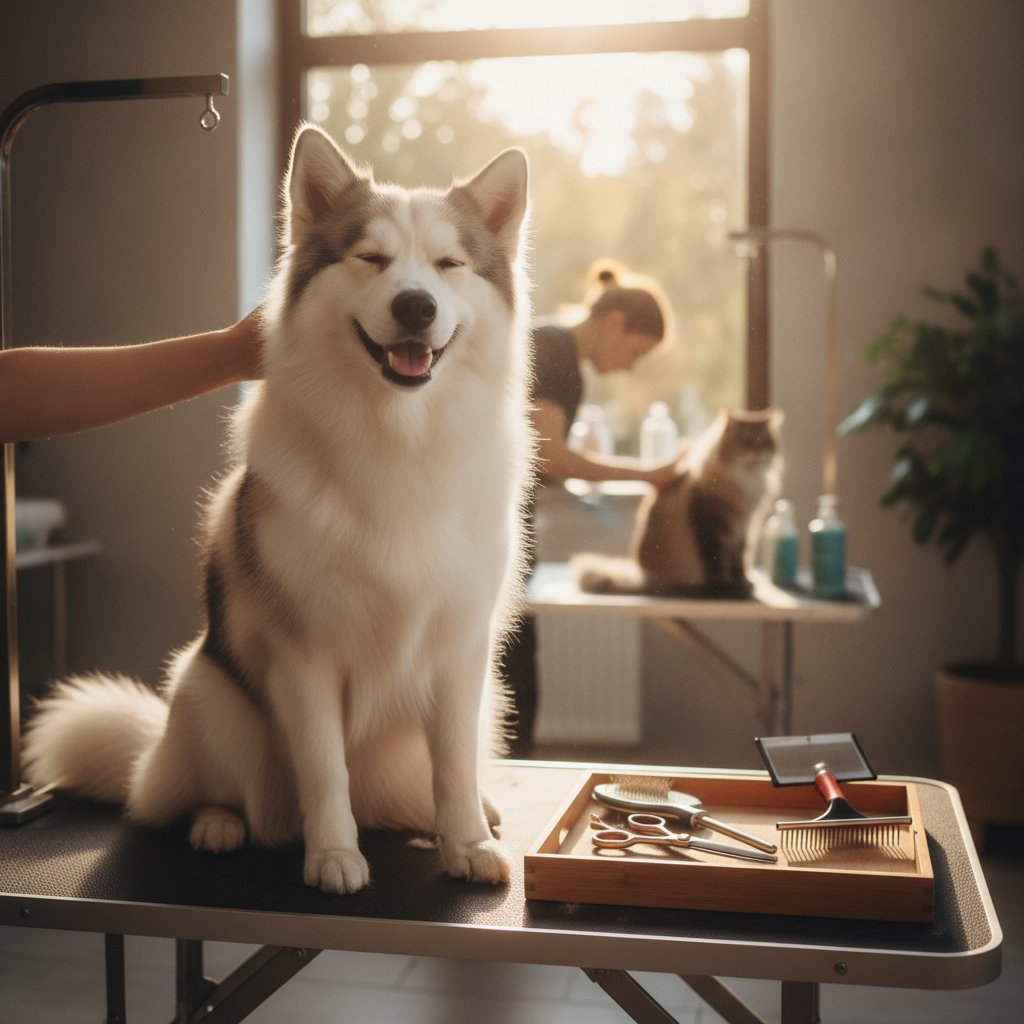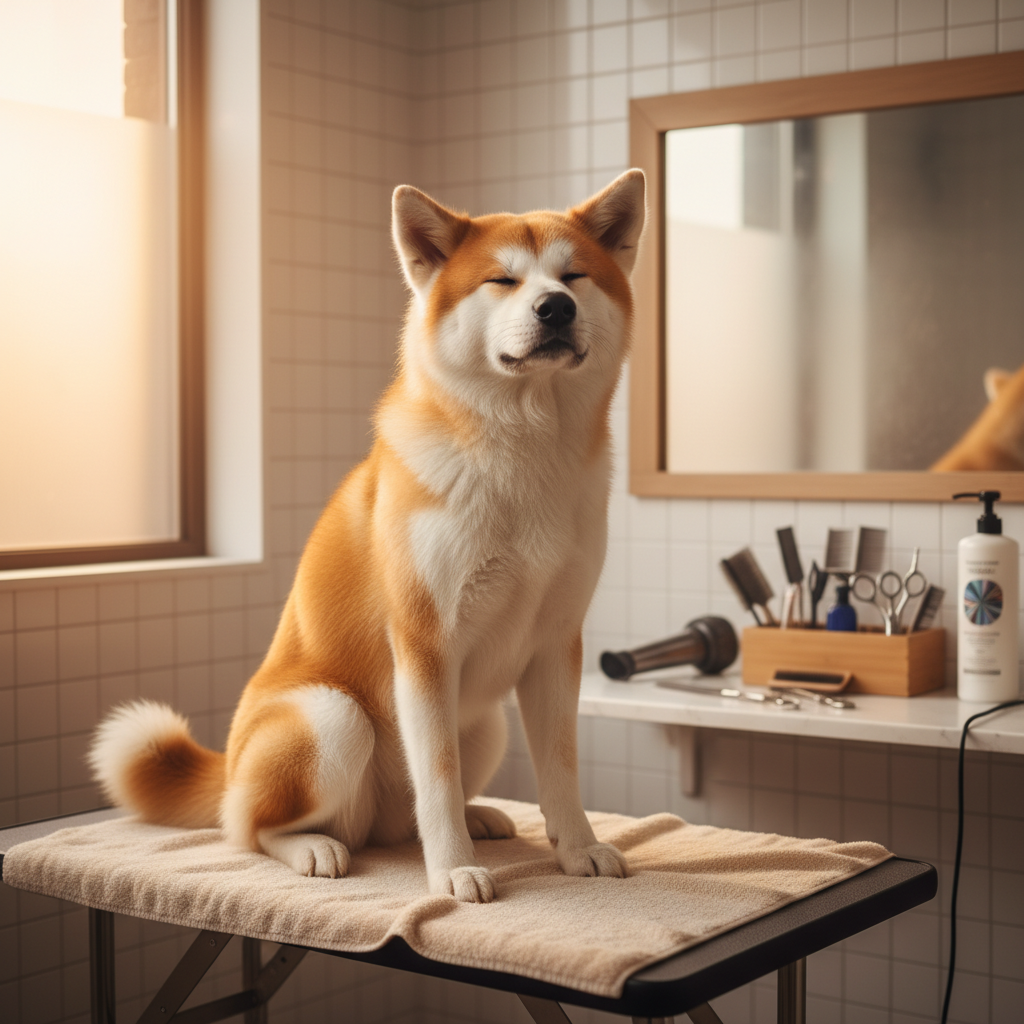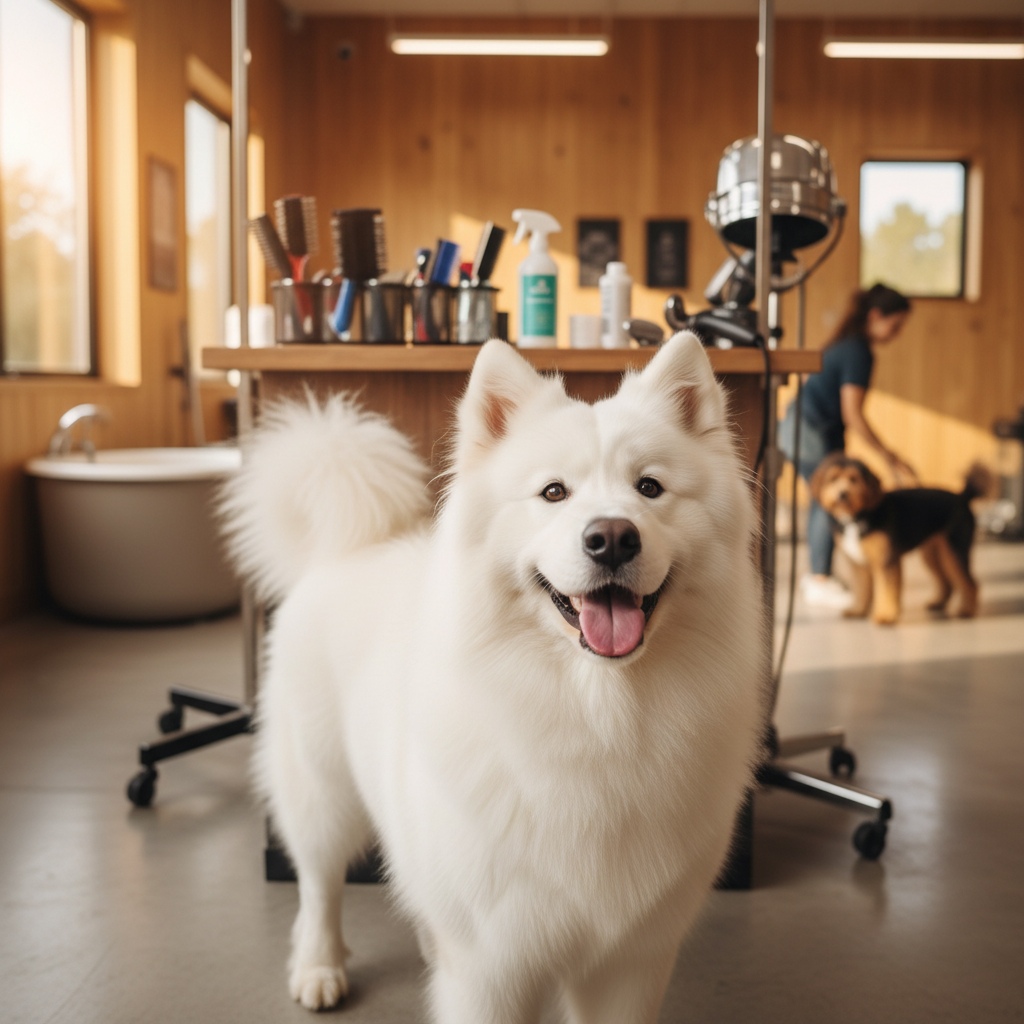
After months on soft, snowy ground, dogs often return to hard surfaces with overgrown nails and cracked paw pads. This guide covers safe trimming techniques, tool selection, and pad conditioning routines.
Key Takeaways
- Winter reduces natural nail wear, making a spring nail assessment essential before increasing outdoor activity on pavement or trails.
- Choosing between guillotine clippers, scissor clippers, and rotary grinders depends on nail thickness, the dog's temperament, and the owner's confidence level.
- Cracked or peeling paw pads need gradual reconditioning with veterinary grade balms, not sudden exposure to hot or rough surfaces.
- Nails that curve into the pad, bleed spontaneously, or feel warm to the touch require prompt veterinary evaluation.
- Professional groomers certified through bodies such as the International Professional Groomers (IPG) or the National Dog Groomers Association of America (NDGAA) can handle complex cases safely.
Why Spring Paw Care Matters More Than Most Owners Realise
During winter, many dogs spend less time on pavement, concrete, and packed trails. Soft snow, frozen grass, and reduced walk duration mean that nails are not filed down through natural abrasion the way they would be during warmer months. By the time spring arrives, nails may have grown several millimetres beyond their ideal length, altering the dog's gait and placing abnormal stress on joints and tendons.
At the same time, paw pads that were exposed to de-icing salts, sub-zero temperatures, and prolonged moisture can emerge from the season dry, cracked, or peeling. Returning an unprepared dog to rough asphalt or sun-warmed concrete increases the risk of painful fissures and secondary infection. A structured spring paw care routine addresses both issues before they escalate.
Dogs that are also resuming higher activity levels after a sedentary winter benefit from a combined approach: nail management plus pad conditioning. For a broader plan to ease dogs back into movement, see the Spring Fitness Restart Plan for Overweight Dogs.
How to Assess Nail Overgrowth
The Floor Test
With the dog standing on a flat, hard surface, observe the nails from the side. Ideally, nails should not touch the ground when the dog is standing still. If a clicking sound is audible with each step, or if the nails visibly press against the floor and splay outward, trimming is overdue.
Identifying the Quick
The quick is the blood vessel and nerve bundle that runs partway through each nail. In dogs with light or translucent nails, the quick appears as a pinkish core visible when the nail is held up to a light source. In dogs with dark or black nails, the quick is not visible externally. For these dogs, the recommended approach is to trim in small increments (roughly 1 to 2 mm at a time) and watch for a change in the cross-section of the nail: a pale, chalky centre gradually gives way to a darker, slightly moist circle as the quick is approached.
Overgrowth Complications
When nails grow too long, several problems can develop:
- Gait distortion: Long nails push the toe joints upward and backward, forcing an unnatural posture that can stress the wrist (carpus) and contribute to discomfort, especially in breeds predisposed to joint conditions.
- Nail curling: Dewclaws and outer nails may curl and grow into the pad, causing pain, infection, and lameness.
- Nail splitting: Brittle, overgrown nails are more likely to crack or split along the length, sometimes exposing the quick.
Dogs with mobility issues, such as those undergoing hydrotherapy for hip dysplasia, are especially vulnerable to gait changes caused by overgrown nails.
Tools and Products Needed
Nail Trimming Tools
- Guillotine clippers: Best suited to small and medium breeds with thinner nails. The nail is inserted through a ring and a single blade slices from one side. These provide a clean cut but can crush thicker nails.
- Scissor (plier) clippers: Recommended for medium to large breeds. Two curved blades close around the nail from both sides, generating more leverage. Professional grooming standards, including those referenced by the NDGAA, favour scissor-style clippers for most dogs over approximately 10 kg.
- Rotary grinders (Dremel type): Electric or battery powered tools that sand the nail gradually. Grinders offer superior control, reduce the risk of cutting the quick, and leave a smooth edge. They do produce noise and vibration, which some dogs find stressful until desensitised.
- Styptic powder or gel: Essential for stopping bleeding if the quick is accidentally nicked. Cornstarch can work in an emergency, but a veterinary grade styptic product acts faster and more reliably.
Paw Pad Care Products
- Paw balm or wax: Look for products containing beeswax, shea butter, or coconut oil as primary ingredients. Avoid balms with essential oils (such as tea tree) that may be toxic if licked.
- Warm water and mild antiseptic wash: For cleaning debris from cracked pads before applying balm.
- Soft towels and cotton pads: For drying paws and applying topical products.
- Dog boots or socks (optional): Useful for protecting freshly conditioned pads during the transition period.
Step by Step Nail Trimming Routine
Step 1: Prepare the Environment
Choose a well lit, non-slip surface. A rubber bath mat on a table or the floor works well. Have treats, styptic powder, and the chosen trimming tool within arm's reach. If the dog is anxious, a short walk beforehand can help reduce restlessness.
Step 2: Handle the Paws Calmly
Before picking up the tool, spend a minute or two gently handling each paw. Press lightly on individual toes to extend the nails. Reward calm behaviour with small treats. For dogs that are not accustomed to paw handling, this desensitisation step may need to be repeated over several days before any trimming takes place.
Step 3: Position and Cut (Clippers)
Hold the paw firmly but without squeezing. Identify where the quick ends (or estimate it on dark nails). Angle the clippers at roughly 45 degrees to the nail, cutting from underneath in a smooth motion. Remove only a small amount, typically 1 to 2 mm at a time. After each cut, check the cross-section for signs of approaching the quick.
Step 3 (Alternative): Grinding
Turn on the grinder away from the dog first so it can hear the sound. Touch the spinning head to the nail tip for two to three seconds at a time, then pause. Rotate around the nail's edge to create a rounded shape. Keep the grinder moving to prevent heat build-up in one spot. Grinding sessions typically take longer than clipping but offer more precision.
Step 4: Smooth the Edges
Whether clipping or grinding, finish each nail by lightly filing any rough or sharp edges. A standard emery board or the fine grit attachment on a grinder accomplishes this quickly.
Step 5: Reward and Release
After completing all four paws (including dewclaws if present), offer a high value treat or a brief play session. Positive association is critical for making future sessions easier.
Paw Pad Assessment and Conditioning
Checking for Damage
After winter, inspect each pad under good light. Common findings include:
- Surface cracks: Shallow lines across the pad surface, similar to chapped skin. These are usually manageable at home.
- Deep fissures: Splits that extend into the dermis. These may bleed or ooze and typically require veterinary attention.
- Peeling or flaking: Layers of pad tissue lifting away, often from prolonged exposure to de-icing chemicals.
- Hyperkeratosis: Excessive, rough keratin growth that gives pads a crusty or horn-like texture. This condition can be idiopathic or linked to underlying health issues and warrants a veterinary consultation.
Conditioning Routine
- Clean: Soak the paws in lukewarm water for two to three minutes to soften debris. Pat dry thoroughly, paying attention to the spaces between toes where moisture can trigger fungal growth.
- Trim excess fur: Breeds with feathered paws (such as Cocker Spaniels, Golden Retrievers, and Bernese Mountain Dogs) often develop mats between the toes that trap grit against the pad. Carefully trim this fur with blunt tipped scissors or a small clipper blade.
- Apply balm: Massage a thin layer of paw balm into each pad and between the toes. Allow the balm to absorb for at least five minutes before the dog walks on any surface. Putting a light sock on the paw during absorption can help.
- Repeat: For mildly cracked pads, daily application for seven to ten days typically shows visible improvement. After that, two to three times per week is usually sufficient for maintenance through spring and summer.
Frequency Guide by Breed and Lifestyle
| Category | Nail Trimming Frequency | Pad Conditioning |
|---|---|---|
| Small breeds, mostly indoor (e.g., Chihuahua, Maltese) | Every 2 to 3 weeks | Weekly, or as needed |
| Medium breeds, moderate outdoor activity (e.g., Beagle, Cocker Spaniel) | Every 3 to 4 weeks | 2 to 3 times per week in spring |
| Large breeds, active on mixed terrain (e.g., Labrador, German Shepherd) | Every 4 to 6 weeks | After long hikes or rough surface exposure |
| Senior or low mobility dogs | Every 2 to 3 weeks (reduced natural wear) | Daily during recovery from winter dryness |
These are general guidelines. Individual variation is significant, and owners should check nails and pads at least weekly to adjust the schedule.
Warning Signs to Watch for During Grooming
The following observations during a nail trim or pad check should prompt a veterinary visit rather than continued home care:
- Nail bed swelling or discharge: Redness, pus, or a foul smell around the base of a nail can indicate infection (paronychia) or, less commonly, a nail bed tumour.
- A single nail that looks abnormal: One nail that is discoloured, misshapen, or growing in a different direction from the others may signal trauma, fungal infection, or a deeper issue.
- Bleeding that does not stop: If styptic powder and five minutes of firm pressure do not control bleeding from a trimmed nail, veterinary intervention is needed.
- Pads that are hot to the touch: Warmth combined with swelling suggests active inflammation or infection.
- Lumps between the toes: Interdigital cysts or foreign body reactions (common after walks on seeded grass) need professional assessment.
- Limping or reluctance to bear weight: Pain that persists after grooming could indicate a deeper structural issue. For guidance on recognising emergencies, owners may also find it helpful to review Bloat in Dogs: The Emergency Timeline You Must Know as an example of when rapid response matters.
Clippers vs Grinders: a Detailed Comparison
| Factor | Clippers | Grinders |
|---|---|---|
| Speed | Faster per nail | Slower, more gradual |
| Precision | Good, but risk of cutting too much at once | Excellent, removes thin layers |
| Quick risk | Higher if the owner misjudges length | Lower due to incremental removal |
| Noise and vibration | Minimal | Moderate to high; may require desensitisation |
| Nail finish | May leave sharp edges | Smooth, rounded finish |
| Best for | Calm dogs, experienced owners, quick sessions | Anxious dogs (once desensitised), dark nails, owners who want extra control |
Many professional groomers use a combination approach: clippers to remove the bulk of overgrown nail, followed by a grinder to smooth and refine the final shape. This is particularly useful for dogs with significantly overgrown nails after the winter months.
Professional Groomer vs Home Care: Decision Guide
Home nail trimming and pad care is appropriate when:
- The dog tolerates paw handling without significant stress or aggression.
- Nails are only mildly overgrown (the quick has not extended far forward).
- Pads show only surface level dryness or minor cracking.
- The owner has steady hands and appropriate tools.
A professional groomer should be consulted when:
- Nails are severely overgrown and the quick has likely extended, requiring a gradual "quick recession" programme over multiple sessions.
- The dog is fearful, reactive, or has a history of biting during paw handling.
- Pads show deep fissures, bleeding, signs of infection, or suspected hyperkeratosis.
- Dewclaws have curled into the pad tissue.
- The owner is uncertain about locating the quick on dark nailed dogs.
When selecting a groomer, look for certifications from recognised bodies such as the IPG, NDGAA, or the British Dog Groomers Association. Pet sitting professionals who may encounter nail care needs during bookings can learn more about relevant credentials in How to Become a Certified Professional Pet Sitter. Similarly, owners choosing a dog boarding facility should confirm that staff can recognise paw problems and escalate appropriately.
Seasonal Transition Tips
The shift from winter to spring calls for a phased approach to paw exposure:
- Week 1 to 2: Trim nails and begin daily pad conditioning. Keep walks short and on smooth surfaces.
- Week 3 to 4: Gradually increase walk duration and introduce varied terrain (grass, packed dirt). Continue pad balm application two to three times per week.
- Week 5 onward: Resume normal activity levels. Monitor pads after each walk for new cracks or wear. Re-trim nails as needed based on the floor test.
Dogs that are also adjusting to more outdoor stimulation during this period may exhibit behavioural changes. For context on springtime behavioural shifts, see Why Your Dog Barks More in Spring and How to Help.
Final Thoughts
Spring paw care is not a cosmetic luxury; it is a health maintenance task that protects joints, prevents infection, and sets the foundation for comfortable movement through the warmer months. A few minutes of weekly assessment, the right tools, and a consistent conditioning routine can make a significant difference in a dog's comfort and mobility. When in doubt, professional groomers and veterinarians are the safest resources, and owners should never hesitate to seek their guidance.
Frequently Asked Questions
How can you tell if a dog's nails are too long after winter? ↓
Are nail grinders safer than clippers for dogs? ↓
How do you treat cracked paw pads at home? ↓
How often should dog nails be trimmed in spring? ↓
When should a dog's paw problems be seen by a vet instead of managed at home? ↓

Sophie Bianchi
Certified Master Pet Groomer
Certified master pet groomer — breed-standard techniques, skin health awareness, and at-home grooming guidance.
Content Disclosure
This article was created using state-of-the-art AI models with human editorial oversight. It is intended for informational and entertainment purposes only and does not constitute veterinary medical advice. Always consult a licensed veterinarian for your pet's specific health needs. Learn more about our process.