As AQI levels breach hazardous limits across Indian metros, protecting your pet's lungs from PM2.5 requires a strategic shift in routine. This guide covers indoor enrichment, dietary adjustments, and vet-approved protocols for the winter smog season.
The Invisible Threat: Navigating India's Pollution Season
For pet parents across India, particularly in the Indo-Gangetic plains and expanding metros like Mumbai and Bangalore, the transition from the humid monsoon to the cooler winter months now comes with a familiar, ominous greying of the skies. We often refer to it colloquially as 'smog season.' Whether driven by stubble burning in the north, vehicular emissions in congested city centers, or the dust from perpetual construction in developing suburbs, the Air Quality Index (AQI) has become a critical daily metric for our health, and the health of our pets.
In my veterinary consulting experience across Indian cities, I have seen a marked increase in respiratory distress cases appearing in clinics from late October through January. The classic 'winter cough' is no longer just about the cold; it is increasingly about toxicity. Unlike humans, who can choose to wear N95 masks or consciously limit deep breathing, our dogs and cats are at the mercy of the environment we provide. They live closer to the ground where heavy particulates settle, and their respiratory rates are significantly faster than ours, meaning they inhale more pollutants per minute relative to their body weight.
This guide is not merely about surviving the next 'severe' AQI day. It is a comprehensive preservation strategy. We need to protect the delicate lung tissue of our pets from the inflammatory assault of PM2.5 (particulate matter) and PM10 to prevent long-term chronic obstructive pulmonary disease (COPD) and other lifestyle-induced ailments. By adopting a proactive 'Smog Protocol,' we can ensure our companions thrive even when the city air is hazardous.
The Indian Context: Key Wellness Takeaways
- The AQI Watch: In Indian metros, an AQI over 200 is common but dangerous. Modification of exercise begins at 150; over 300 (often seen in Delhi-NCR) demands a strict 'indoor-only' protocol.
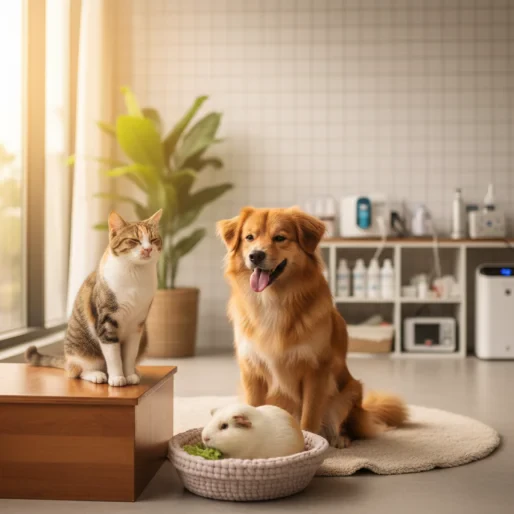
- The Apartment Ecosystem: Most urban pets live in flats. Your indoor air quality must be actively managed to serve as a recovery zone from the outdoor toxicity.
- Mental Over Physical: When the local park is enveloped in smog, we switch to high-intensity mental enrichment (Brain Games) to manage energy without taxing the lungs.
- Hydration as Defense: In our tropical-to-dry winter climate, keeping mucous membranes moist is the first line of biological filtration.
Understanding the Respiratory Risk in the Indian Landscape
To understand the danger, we must look at what is in the air. In many Indian cities, the 'haze' is a toxic cocktail of vehicular exhaust (rich in nitrogen oxides), construction dust (silica and cement particles), and crop residue smoke (organic carbon). PM2.5 particles are microscopic, less than 2.5 microns in diameter. They are insidious because they bypass the natural cilia filtration of the nose and throat, lodging deep in the alveoli of the lungs and even entering the bloodstream.
For a high-energy Indian Pariah dog (Indie) or a senior Labrador, the inflammatory response can be swift. I advise my clients to treat high-pollution days like a 'chemical injury' risk. One walk in an AQI of 450 might not send your dog to the ER immediately, but the cumulative exposure creates a 'debt' of inflammation. Over time, this manifests as chronic bronchitis, asthma, or a weakened immune system that leaves them vulnerable to secondary infections.
Vulnerable Populations in Our Cities
While no pet is immune, certain demographics in the Indian pet community require 'Level Red' precautions immediately:
- Brachycephalic Breeds: Pugs, French Bulldogs, Shih Tzus, and Boxers are incredibly popular in India. Their shortened airways already compromise their breathing; smog adds a catastrophic load to their system.
- Senior Pets: With the life expectancy of pets increasing due to better veterinary care, we have more geriatric pets whose lung elasticity is naturally reduced.
- Puppies and Kittens: Their immune and respiratory systems are still developing. Exposure to high pollution now can lead to lifelong sensitivities.
- Pets with Pre-existing Conditions: If your pet has a history of kennel cough, collapsing trachea, or heart disease, the smog can trigger acute flare-ups.
The Indoor Sanctuary Protocol
When the Central Pollution Control Board (CPCB) flags the air as 'Very Poor' or 'Severe,' your home must become a fortress. We cannot control the stubble burning or the traffic, but we can control the micro-climate where your pet spends the majority of their day.
1. Filtration and Airflow
Invest in a good quality air purifier with a true HEPA filter. This is no longer a luxury item in metro cities; it is a health necessity. Place it in the room where your pet sleeps. Many Indian homes rely on natural cross-ventilation, but during smog events, you must resist the urge to open balcony doors in the early morning or late evening when the inversion layer traps pollutants near the ground.
2. The 'Wet Mopping' Technique
Dust in Indian homes is ubiquitous. During high pollution days, increase the frequency of wet mopping (Pocha) rather than dry sweeping. Dry sweeping kicks settled particulates back into the air. Use a damp microfiber cloth to wipe down surfaces, curtains, and even your pet's bedding daily to trap settled ash and dust.
3. Reduce Indoor Pollutants
Do not add to the respiratory load. Indian households often use strong phenyls, incense sticks (agarbatti), or dhoop for religious rituals. During severe smog days, please minimize or pause the use of smoke-generating rituals and strong chemical cleaners in the area where your pet rests. Just as we discuss in managing humidity-related skin issues, keeping the indoor environment neutral is vital.
Fitness Maintenance: The 'Indoor Gym' Strategy
The biggest concern I hear from pet parents in high-rises is: "He is destroying the furniture because he hasn't gone for his round." This is where we pivot. We need to tire the dog out mentally. A 20-minute focused brain session can be as exhausting as a 45-minute walk, without the lung damage.
The 'Brain Game' Circuit for Apartments
Replace the morning walk (which is often the most polluted time due to temperature drops) with mental work. This maintains the routine, which is crucial for behavioral health.
- The 'Desi' Scent Trail: You don't need expensive equipment. Hide small pieces of paneer or low-calorie treats behind furniture legs, under carpets, or in cardboard boxes in your living room. Sniffing increases the breath rate slightly but in a controlled, clean-air environment. The mental processing required to 'hunt' is tiring.
- Proprioception Training: Use sofa cushions or a mattress on the floor to create an unstable surface. Guide your dog to stand, sit, or balance on these shifting surfaces. This engages their core muscles and builds stability without heavy panting. It is excellent for strengthening the hindquarters of German Shepherds and Labradors.
- Hide and Seek: This is a favorite for families. Have one person hold the dog while another hides in a different room or behind a door. Call the dog. The excitement and the search provide a burst of activity that is safe and controlled.
Strategic Potty Breaks
Elimination is necessary, but we must be strategic to minimize exposure:
- Timing is Everything: Monitor real-time AQI apps. Often, the air is slightly better between 12:00 PM and 4:00 PM when the sun has warmed the atmosphere and dispersed some pollutants. Avoid the early morning (5 AM - 8 AM) and late night walks when smog settles low.
- The 'Strictly Business' Walk: Leash walks only. No fetch, no running with other dogs in the society park. Heavy panting bypasses the nasal filtration system and pulls toxic air directly into the lungs. Keep the pace slow to encourage nose breathing.
- The Post-Walk Wipe Down: Pollution leaves a toxic residue on the coat. Pets will lick their paws and fur, ingesting these heavy metals and chemicals. Use a damp towel or pet-safe wipes to clean their paws, muzzle, and coat immediately upon returning indoors.
Nutritional Support and Hydration
In the dry winter months of North and Central India, hydration is your pet's internal air filter. The mucosal lining of the respiratory tract needs moisture to trap particles effectively. If the mucous membranes dry out, they lose their ability to filter, allowing viruses and bacteria to enter.
Hydration Hacks: Add warm water or unsalted chicken/vegetable broth to their kibble. If you feed home-cooked meals (curd-rice/chicken-rice), ensure it is sloppy and moisture-rich. Fresh water should always be available, consider using RO filtered water to avoid adding water-borne contaminants to the mix.
Antioxidants: Consult your vet about immune-boosting supplements. Omega-3 fatty acids (fish oil) can help manage systemic inflammation. Some vets in India also recommend small amounts of turmeric (haldi) paste for its anti-inflammatory properties, but dosage is key, always clear this with your professional first.
Warning Signs: When to Call the Vet
Monitor your pet closely during the smog season. If you observe any of the following, do not rely on home remedies; seek professional help immediately:
- Persistent Coughing: Especially a dry, honking cough or a wet, productive cough.
- Reverse Sneezing: While often harmless, frequent episodes can indicate nasal irritation.
- Laboured Breathing: Visible heaving of the chest or stomach while breathing.
- Pale or Blue Gums: A sign of oxygen deprivation, this is a critical emergency.
- Lethargy: Reluctance to get up for food or treats.
If you suspect your pet is suffering from acute respiratory distress, contact your nearest clinic immediately. Local Veterinary Hospital Contact your nearest veterinary hospital or government veterinary dispensary for emergency care. India does not have a national pet emergency hotline. Major cities have private 24-hour vet clinics. In rural areas, contact the district veterinary officer.
A Note on Community Animals
While we protect our indoor pets, let us not forget the community dogs and cats (strays) who face the brunt of the cold and pollution. Providing them with clean water (to keep their throats moist) and shelter from the cold wind can help them survive the harsh season. Old jute bags or cardboard boxes can provide essential insulation against the cold ground.
By shifting our mindset from frustration to adaptation, we can navigate the Indian pollution season safely. It is a time for indoor bonding, mental games, and careful health management. Keep the windows closed, the purifier on, and the tail wagging.
Frequently Asked Questions
Can I walk my dog when the AQI is over 400? ↓
Does burning camphor or essential oils help clear the air for pets? ↓
Are human masks safe for dogs? ↓
My dog is coughing during winter. Is it the pollution? ↓
What foods help fight pollution effects in dogs? ↓

Lena Voss
Pet Wellness & Lifestyle Coach
Pet wellness and lifestyle coach — proactive fitness, weight management, and preventive care for healthier, happier pets.
Content Disclosure
This article was created using state-of-the-art AI models with human editorial oversight. It is intended for informational and entertainment purposes only and does not constitute veterinary medical advice. Always consult a licensed veterinarian for your pet's specific health needs. Learn more about our process.