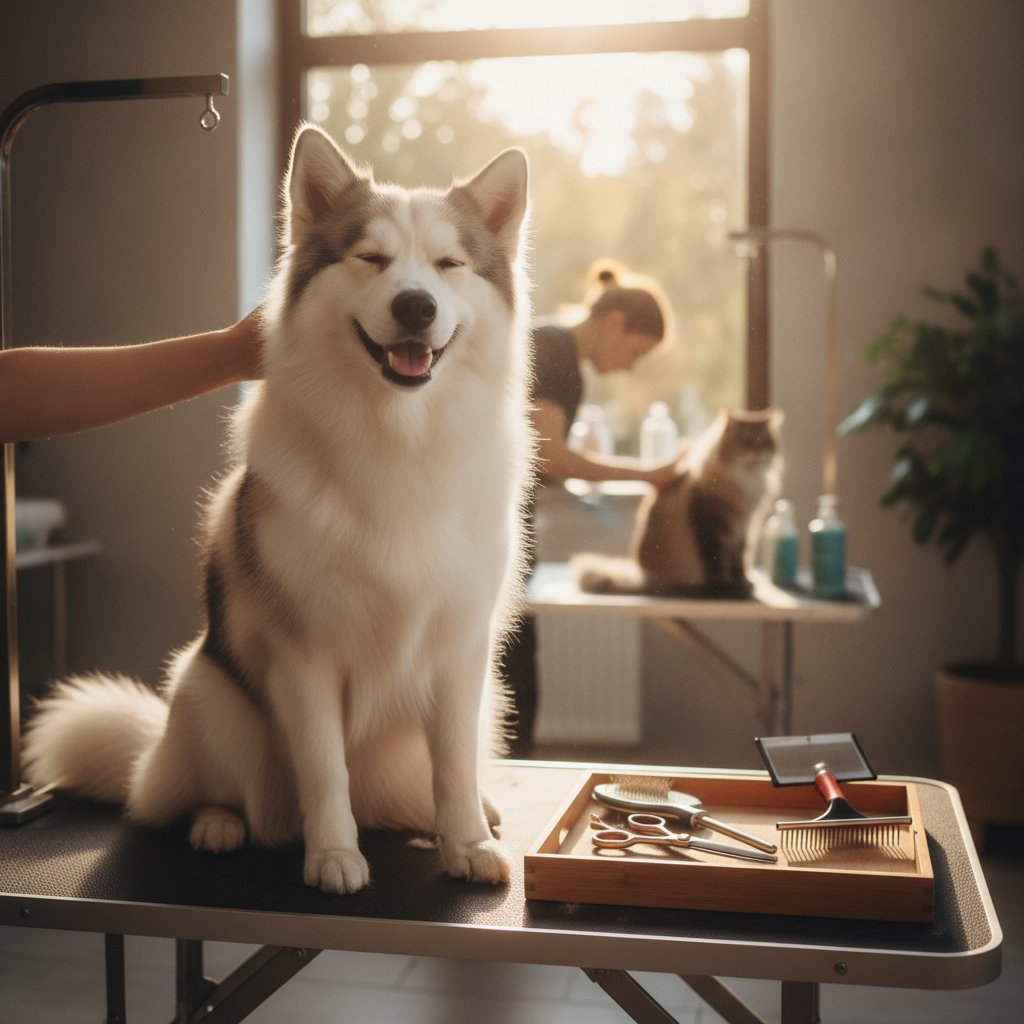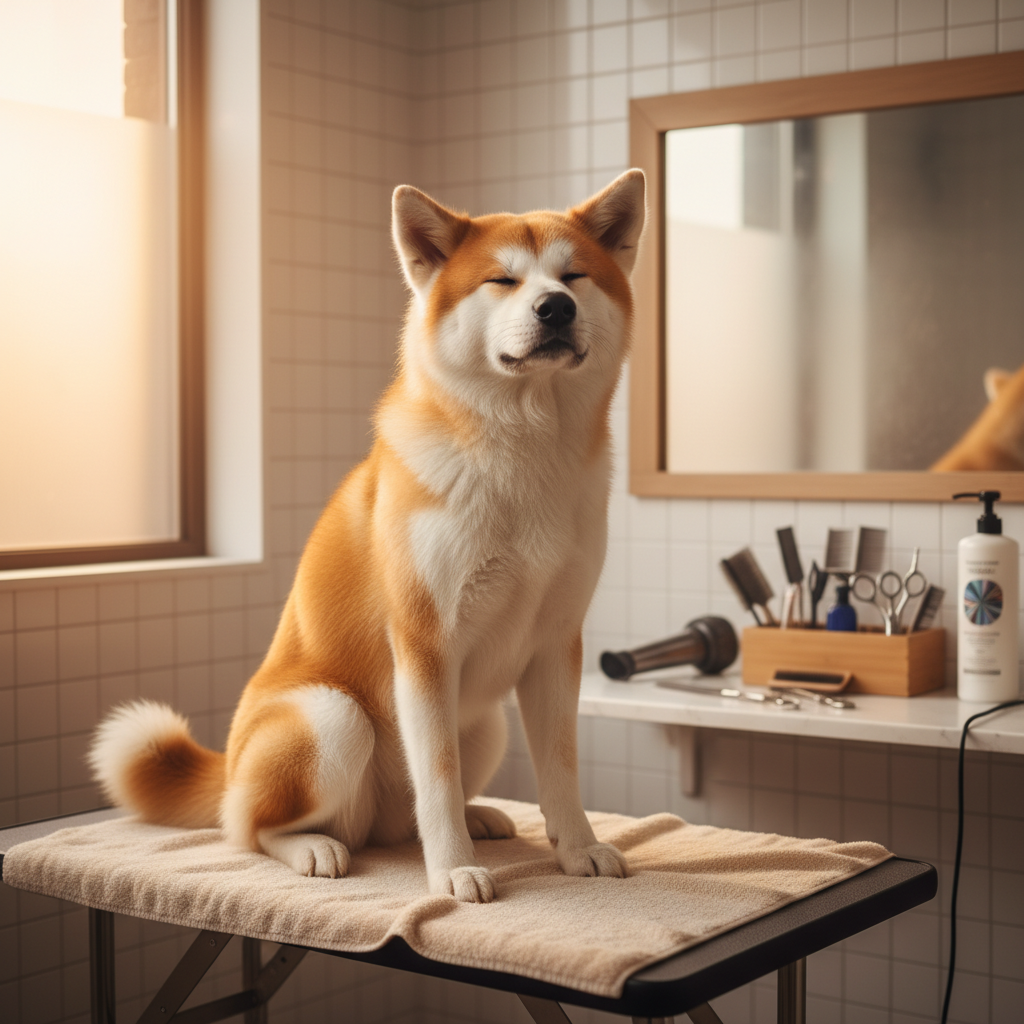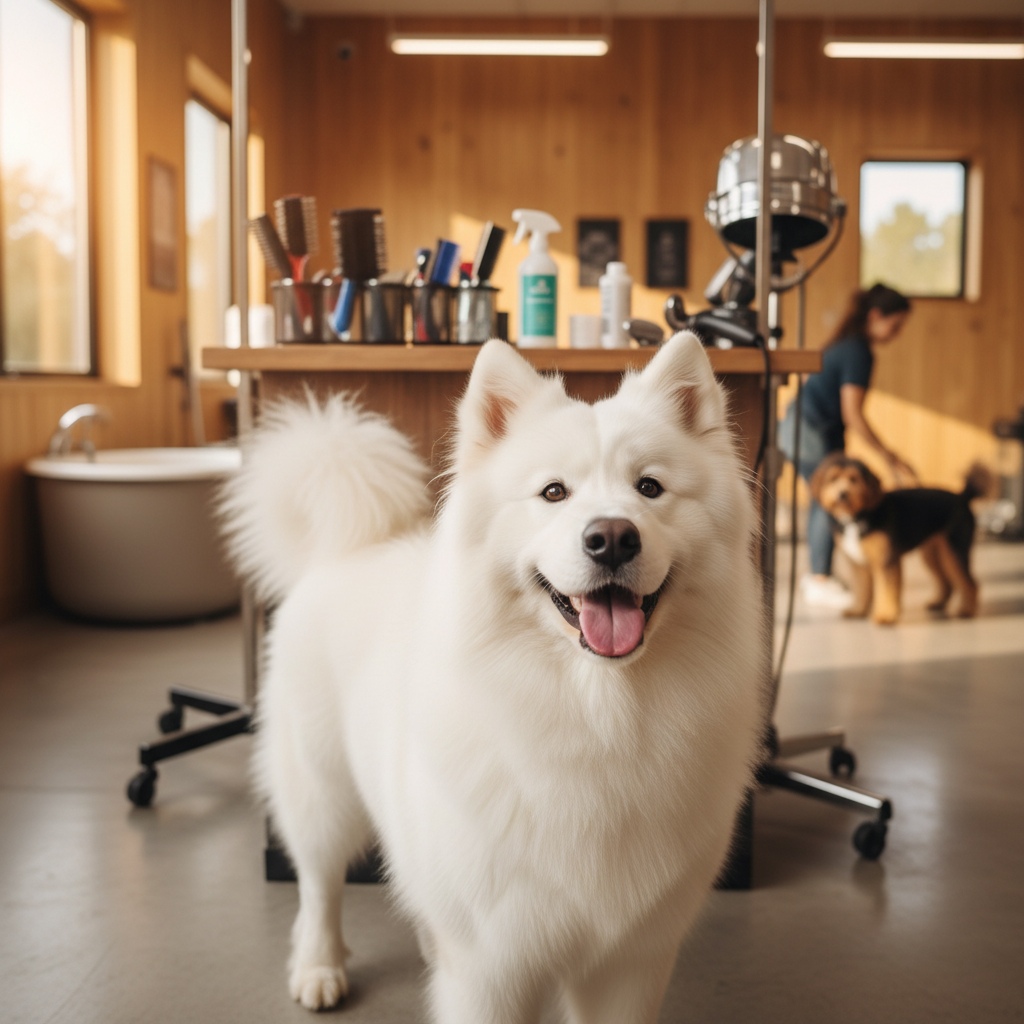
Learn expert techniques to manage excessive spring shedding and keep your pet's coat healthy. A registered veterinary nurse explains the tools, timing, and step-by-step method to tackle the 'big blow' at home.
Key Takeaways
- It is Biology, Not Just Temperature: Spring shedding is triggered primarily by increasing daylight hours (photoperiod), not just rising temperatures.
- Tool Selection Matters: Using a deshedding blade on the wrong coat type can damage skin; ensure you have the correct equipment for your pet's specific fur texture.
- The 'Line Brushing' Technique: This professional method ensures you are removing the impacted undercoat rather than just smoothing the topcoat.
- Grooming is a Health Check: This is your best opportunity to spot early spring parasites like ticks or skin masses.
If you have found yourself vacuuming twice a day or pulling clumps of fur off your clothes before leaving the house, welcome to the spring shed. In the veterinary clinic, we often call this the 'coat blow.' While it can be frustrating for owners, it is a critical physiological process for your pet.
As a veterinary nurse with over a decade of experience, I often see pets come in during April and May with 'impacted' coats, where dead undercoat has trapped heat and moisture against the skin, leading to hot spots and discomfort. Managing the spring shed is not just about keeping your sofa clean; it is about maintaining your pet's skin health and thermoregulation as we head into warmer months.
Understanding the 'Why': The Photoperiod Effect
Many owners assume their dog or cat sheds because it is getting warmer. While temperature plays a role, the primary trigger is actually the photoperiod, the amount of daylight. As days lengthen in spring, your pet's hormonal system signals hair follicles to release the dense winter undercoat to make way for a lighter summer layer.
This is why even indoor pets, exposed to artificial light, can shed year-round, though usually with a peak in spring and autumn. Understanding this helps us realize that we cannot stop the shedding, but we can certainly manage the volume of loose hair.
The Essential Toolkit
Before you start, you need the right tools. Using a generic brush often results in 'surface grooming,' where the topcoat looks smooth but the dead undercoat remains trapped against the skin.
- Slicker Brush: The universal tool for most medium-to-long coats. It grabs loose hair and separates strands.
- Undercoat Rake: Essential for double-coated breeds (like Golden Retrievers, Huskies, or German Shepherds). It reaches past the guard hairs to pull out the soft, dense undercoat.
- Metal Greyhound Comb: The 'lie detector.' Run this through the coat after brushing to find hidden tangles you missed.
- Deshedding Tool (e.g., Furminator): Use with caution. These are effective but are essentially blades that cut dead hair. Overuse can damage the topcoat or irritate the skin.
Step-by-Step: The Professional De-Shedding Protocol
1. The Pre-Groom Inspection
Before you grab a brush, run your hands over your pet's entire body. You are feeling for mats (clumps of knotted hair), lumps, bumps, or scabs. Pulling a brush through a mat is painful and can cause brush burn.
This is also the critical time to perform your parasite check. As mentioned in our guide on Early Spring Tick Strategies, nymphs are active now and love hiding in deep fur. If you find a tick, remove it before grooming to avoid rupturing it.
2. Line Brushing (The Secret Weapon)
Most owners brush the top of the coat. Professionals use 'line brushing.' Here is how to do it:
- Part the hair until you can see a line of skin.
- Hold the upper layer of hair up with your non-dominant hand.
- Brush the hair below the part, pulling the brush away from the skin.
- Move your line up an inch and repeat.
This ensures you are removing the shedding undercoat right from the source.
3. The Bathing Strategy
Crucial Rule: Never bathe a matted dog. Water tightens mats, turning them into felt that must be shaved out. Always brush before the bath.
Once brushed, a warm bath can help loosen the remaining dead coat. Use a shampoo specifically designed to release shedding hair. Massage it in thoroughly, mechanical action helps loosen the follicles.
4. The High-Velocity Dry (If Available)
If you have access to a pet blaster or high-velocity dryer (many self-wash stations have them), this is the game-changer. The force of the air literally blasts the wet, loose undercoat out of the fur. Be gentle around the face and ears.
Troubleshooting Skin Issues During Shedding
When dead hair is not removed, it traps moisture, debris, and sebum. This creates the perfect environment for bacterial and yeast overgrowth. If you notice a musty smell or sticky skin while brushing, you might be dealing with an early yeast infection. For more on this, review our guide on Humidity and Hounds, which covers how trapped moisture leads to hot spots.
Additionally, aggressive scratching during shedding season is not always just 'loose hair itch.' It can be hard to distinguish between normal shedding itchiness and allergic dermatitis. If the skin is red, inflamed, or if your pet is self-traumatizing, consult The Science of the Itch to understand the difference between grooming needs and medical allergies.
When to Call the Vet
While massive hair loss is normal for breeds like Huskies or Malamutes in spring, it should generally be uniform. Consult your veterinarian if you see:
- Bald patches (Alopecia): Shedding should never leave bare skin exposed.
- Symmetrical hair loss: Losing hair in the same pattern on both sides of the body can indicate hormonal issues like Cushing's disease or hypothyroidism.
- Lesions or Crusts: Scabs, oozing sores, or intense redness require medical attention.
Maintenance Mode
Once you have done the 'big shed' removal, maintenance is key. A 10-minute daily brush is far more effective (and less stressful) than a two-hour marathon once a month. Regular grooming also desensitizes your pet to being handled, making vet visits easier.
For those preparing for the opposite season later in the year, the principles remain similar but the coat behaves differently. You can bookmark our companion guide on Mastering the Autumn Coat Blow for when the leaves start to turn.
Remember, that pile of fur on your floor is a sign of a healthy coat cycle. With the right tools and patience, you can help your pet transition into spring feeling lighter, cooler, and itch-free.
Frequently Asked Questions
Why is my dog shedding so much in spring? ↓
Can I bathe my dog to stop shedding? ↓
What is line brushing? ↓
Is shaving a double-coated dog bad? ↓

Emma Lawson
Practical Pet Care Educator
Practical pet home care specialist — clear, step-by-step guidance grounded in veterinary nursing standards.
Content Disclosure
This article was created using state-of-the-art AI models with human editorial oversight. It is intended for informational and entertainment purposes only and does not constitute veterinary medical advice. Always consult a licensed veterinarian for your pet's specific health needs. Learn more about our process.