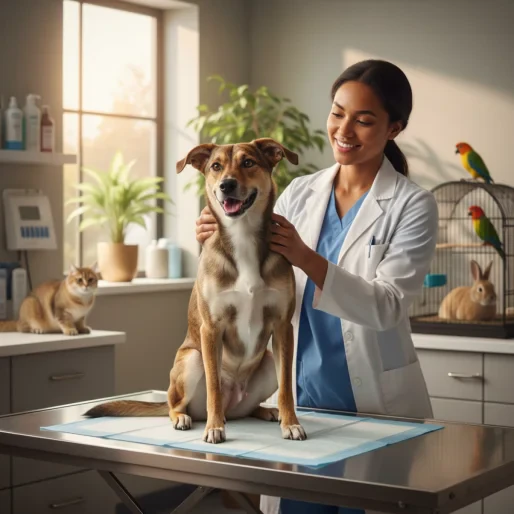
Flea and tick prevention in New Zealand requires understanding local parasite risks, including Haemaphysalis longicornis and emerging Babesia gibsoni concerns. This guide compares oral chewables, topicals, and collars with NZD pricing and NZ regulatory context.
Key Takeaways for New Zealand Dog Owners
- Oral isoxazoline chewables such as those containing afoxolaner, sarolaner, or fluralaner deliver the fastest flea kill (within two to four hours) and remain effective regardless of swimming or bathing.
- Topical spot ons provide reliable contact kill but may require reapplication after frequent water exposure, a consideration for dogs living near NZ beaches, rivers, or lakes.
- Long lasting collars offer up to eight months of continuous protection at the lowest effective monthly cost.
- New Zealand does not have Lyme disease, but Babesia gibsoni, a tick borne parasite transmitted by ticks, has been detected in dogs in the Canterbury region, making tick prevention essential.
- All veterinary medicines in New Zealand are regulated by the Agricultural Compounds and Veterinary Medicines (ACVM) group under the Ministry for Primary Industries (MPI).
- Dogs with a history of seizures or neurologic conditions require extra caution with isoxazoline class products; veterinary guidance is essential before starting any prevention programme.
New Zealand's Parasite Landscape
New Zealand's parasite profile differs significantly from many overseas markets. The country has strict biosecurity controls managed by Biosecurity New Zealand (part of MPI), which means certain exotic tick species such as the brown dog tick (Rhipicephalus sanguineus) are not established here. However, the cattle tick (Haemaphysalis longicornis) is present throughout the country and can affect dogs, particularly in rural and semi rural areas.
Fleas, specifically Ctenocephalides felis (the cat flea, which also affects dogs), remain the most common external parasite affecting dogs across all regions of New Zealand, from subtropical Northland to cooler southern areas. While flea activity peaks during the warmer months (November to March), New Zealand's temperate, maritime climate means fleas can survive indoors year round, especially in well heated homes.
In recent years, Biosecurity New Zealand has issued alerts after Babesia gibsoni was detected in dogs in the Canterbury region. This tick borne parasite can cause serious illness in dogs, including anaemia, lethargy, and organ damage. The detection has reinforced the importance of consistent tick prevention, even in areas where tick exposure was previously considered low risk.
Products Available in New Zealand
Oral Chewables (Isoxazolines)
Several isoxazoline based oral chewables are registered with the ACVM and available through veterinary clinics and authorised retailers across New Zealand. These products are absorbed into the bloodstream and kill parasites when they feed on the dog. Popular active ingredients include afoxolaner, sarolaner, and fluralaner. Some combination products also cover intestinal worms and, in certain formulations, lungworm.
Pricing in New Zealand typically ranges from around $20 to $35 NZD per month for monthly chewables, depending on the dog's weight. Extended duration chewables (providing up to 12 weeks of flea and tick protection per dose) are also available, with prices starting from approximately $70 to $80 NZD per dose, which works out to roughly $25 NZD per month. These products are available from retailers such as Animates, Petstock, and online veterinary pharmacies, though some require a veterinary prescription.
Topical Spot Ons
Topical treatments containing active ingredients such as fipronil, imidacloprid, or selamectin are widely available in New Zealand, both over the counter and through veterinary clinics. These are applied between the shoulder blades and distribute across the skin via coat oils over 24 to 48 hours.
Monthly costs typically range from $15 to $30 NZD. Topical spot ons are a practical choice for owners who prefer not to administer oral medications. However, for dogs that swim frequently in NZ's abundant waterways, beaches, and lakes, topical efficacy can be reduced and reapplication may be needed sooner.
Important for multi pet households: Permethrin based topical products are highly toxic to cats. In homes with both dogs and cats, cat safe formulations must be used, or strict separation maintained until the product has fully dried.
Long Lasting Collars
Flea and tick collars using sustained release technology (such as those containing imidacloprid and flumethrin) are available over the counter at pet retailers across New Zealand. These collars provide up to eight months of protection and offer both contact kill and repellent action.
Annualised, collar costs work out to approximately $10 to $15 NZD per month, making them the most budget friendly conventional option. They are water resistant and remain effective after rain or occasional swimming under normal conditions.
Natural Alternatives
Products containing essential oils (cedarwood, peppermint, lemongrass) or diatomaceous earth are marketed in New Zealand as natural flea repellents. While these may offer mild repellent effects, the New Zealand Veterinary Association (NZVA) and international veterinary parasitology bodies do not endorse natural products as standalone protection. Essential oils can also be toxic to dogs at certain concentrations, so "natural" should not be assumed to mean "safe."
Comparison Table: NZ Context
| Category | Oral Chewables | Topical Spot Ons | Long Lasting Collars | Natural Alternatives |
|---|---|---|---|---|
| Flea Kill Speed | 2 to 4 hours | 12 to 24 hours | Within 24 hours after distribution | Variable; limited evidence |
| Tick Kill Speed | 12 to 48 hours | 24 to 48 hours | 48 hours (with repellent action) | Repellent only in most cases |
| Duration | 30 days (some up to 12 weeks) | 30 days | Up to 8 months | Days to 1 week |
| Water Resistance | Excellent (systemic) | Moderate | Water resistant | Poor |
| Approx. Monthly Cost (NZD) | $20 to $35 | $15 to $30 | $10 to $15 (annualised) | $8 to $20 |
| Prescription Required in NZ? | Some products, yes | Many available OTC | Most available OTC | No |
Safety Considerations for NZ Dog Owners
All flea and tick products sold in New Zealand must be registered with the ACVM, which assesses safety, efficacy, and trade name claims before granting registration. Key safety points by category:
- Oral isoxazolines: Regulatory agencies internationally have noted potential neurologic adverse events (muscle tremors, ataxia, seizures) in a small number of treated dogs. These events are considered rare and typically resolve without intervention. Veterinary guidelines recommend avoiding isoxazolines in dogs with a documented seizure history or neurologic conditions.
- Topical spot ons: Skin irritation at the application site is the most commonly reported side effect. Permethrin toxicity in cats remains a serious risk in multi species households.
- Long lasting collars: Rare skin irritation or allergic reactions may occur. Monitor for redness or hair loss around the neck. Young children in the household should avoid prolonged contact with the collar surface.
- Natural alternatives: Essential oil products have been associated with adverse effects in dogs, even when used as directed. Veterinary toxicology resources caution against assuming safety based on "natural" labelling.
If your dog shows any adverse reaction to a flea or tick product, contact your veterinarian immediately.
Contact your regular vet's after-hours service or your nearest emergency veterinary clinic.
Major centres (Auckland, Wellington, Christchurch) have dedicated 24-hour emergency vet hospitals.
Lifestyle Guide: Choosing the Right Option in NZ
Beach, Lake, and River Dogs
New Zealand's outdoor lifestyle means many dogs swim regularly. For dogs that spend time at beaches or in freshwater, oral chewables are the strongest choice because the active ingredient circulates systemically and cannot be washed off. Water resistant collars are a secondary option. Topical spot ons may lose efficacy with frequent water exposure. For dogs rebuilding fitness after winter, pairing prevention with a gradual exercise plan is advisable; see Rebuild Your Dog's Stamina This Spring Safely.
Farm and Lifestyle Block Dogs
Dogs on farms and lifestyle blocks throughout New Zealand face increased exposure to Haemaphysalis longicornis ticks, particularly in areas with cattle, sheep, or deer. Year round prevention using a product with proven tick kill is strongly recommended. Combination oral products that cover both external and internal parasites can simplify dosing for working dogs.
Multi Pet Households
With high rates of pet ownership across New Zealand, many households have both dogs and cats. Oral chewables for dogs pose no cross species contact risk. Avoid permethrin based topicals in homes with cats, or ensure strict separation after application.
Urban Dogs with Limited Outdoor Exposure
Even primarily indoor dogs in Auckland, Wellington, Christchurch, or other urban centres are at risk from fleas. Fleas can enter homes on clothing, other animals, or through open doors. Year round prevention is recommended regardless of lifestyle, consistent with guidance from the NZVA and international bodies such as the Companion Animal Parasite Council (CAPC).
Dogs with Seizure History
Veterinary professionals generally recommend non isoxazoline options (topical spot ons or collars) for dogs with documented seizure disorders. This decision should always be made in consultation with a veterinarian.
Budget Conscious Owners
Long lasting collars provide the best value per month among conventional options in New Zealand. For owners managing overall pet care costs, combining a collar with routine veterinary checks is a practical approach. For guidance on budgeting for vet visits, see Vet Visit Costs in NZ: Budget Options for Pet Owners.
Regulatory and Biosecurity Context
New Zealand's biosecurity framework is among the strictest globally. Under MPI regulations, dogs entering New Zealand must be treated for external parasites before arrival, and any dog found with ticks during border inspection or quarantine may face additional treatment and extended quarantine periods. This vigilance has kept several exotic tick species and tick borne diseases out of the country.
The Dog Control Act 1996 requires all dogs in New Zealand to be microchipped and registered with the local council. While flea and tick prevention is not a legal requirement under this Act, responsible ownership, as promoted by organisations including the NZVA and SPCA New Zealand, includes maintaining parasite prevention as part of routine health care.
Owners should be aware that product availability in New Zealand may differ from other countries due to ACVM registration requirements. Not all products available overseas are registered for sale in New Zealand, and importing unregistered veterinary medicines is restricted under New Zealand law.
Purchasing Tips for NZ Owners
- Purchase flea and tick products from licensed veterinary clinics, authorised pet retailers (such as Animates, Petstock, or established online veterinary pharmacies), or directly through your veterinarian.
- Counterfeit products have been documented in online marketplaces internationally. Buying from reputable NZ based sources reduces this risk.
- Check that any product purchased is ACVM registered. The ACVM register is publicly searchable through the MPI website.
- Puppies require age and weight appropriate products. Not all formulations are approved for dogs under a certain age (commonly 8 weeks) or below a minimum weight (often around 1.3 to 2 kg depending on the product).
Adoption and New Dog Considerations
Dogs adopted from SPCA centres or other rescue organisations across New Zealand typically receive initial parasite treatment as part of their adoption preparation. However, new owners should establish a full prevention plan with their veterinarian within the first week of adoption. For an overview of ownership requirements and recent regulatory changes, see New Pet Ownership Laws in 2026: A Global Guide.
Decision Checklist
- Does your dog swim or get bathed frequently? Choose oral chewables or a water resistant collar.
- Do you have cats at home? Avoid permethrin topicals. Oral chewables or collars are safer for the household.
- Does your dog have a seizure history? Discuss non isoxazoline options with your veterinarian.
- Is convenience a priority? Long lasting collars (up to 8 months) or extended duration chewables (up to 12 weeks) reduce dosing frequency.
- On a tight budget? Long lasting collars offer the lowest monthly cost among conventional options in NZ.
- Does your dog live on a farm or lifestyle block? Products with proven tick kill are essential due to Haemaphysalis longicornis exposure.
- Considering natural alternatives? Discuss with your veterinarian first. In most New Zealand environments, natural products alone are not recommended by veterinary parasitology guidelines.
Final Perspective
There is no single "best" flea and tick product for every dog in New Zealand. The right choice depends on the dog's health, lifestyle, household composition, location, and budget. What matters most is consistency: year round, uninterrupted protection significantly reduces the risk of flea infestations, tick borne disease (including the emerging Babesia gibsoni risk), and secondary health complications. A conversation with a trusted veterinarian remains the most reliable starting point for any prevention plan.
Frequently Asked Questions
Does New Zealand have ticks that affect dogs? ↓
Is Lyme disease a risk for dogs in New Zealand? ↓
Do I need a prescription for flea and tick products in New Zealand? ↓
How much does flea and tick prevention cost in New Zealand? ↓
Should I use flea prevention year round in New Zealand? ↓
Are natural flea treatments effective for dogs in New Zealand? ↓

Priya Nair
Dog Breed Advisor & Adoption Counsellor
Dog breed advisor and adoption counsellor — honest breed comparisons and lifestyle matching for prospective owners.
Content Disclosure
This article was created using state-of-the-art AI models with human editorial oversight. It is intended for informational and entertainment purposes only and does not constitute veterinary medical advice. Always consult a licensed veterinarian for your pet's specific health needs. Learn more about our process.