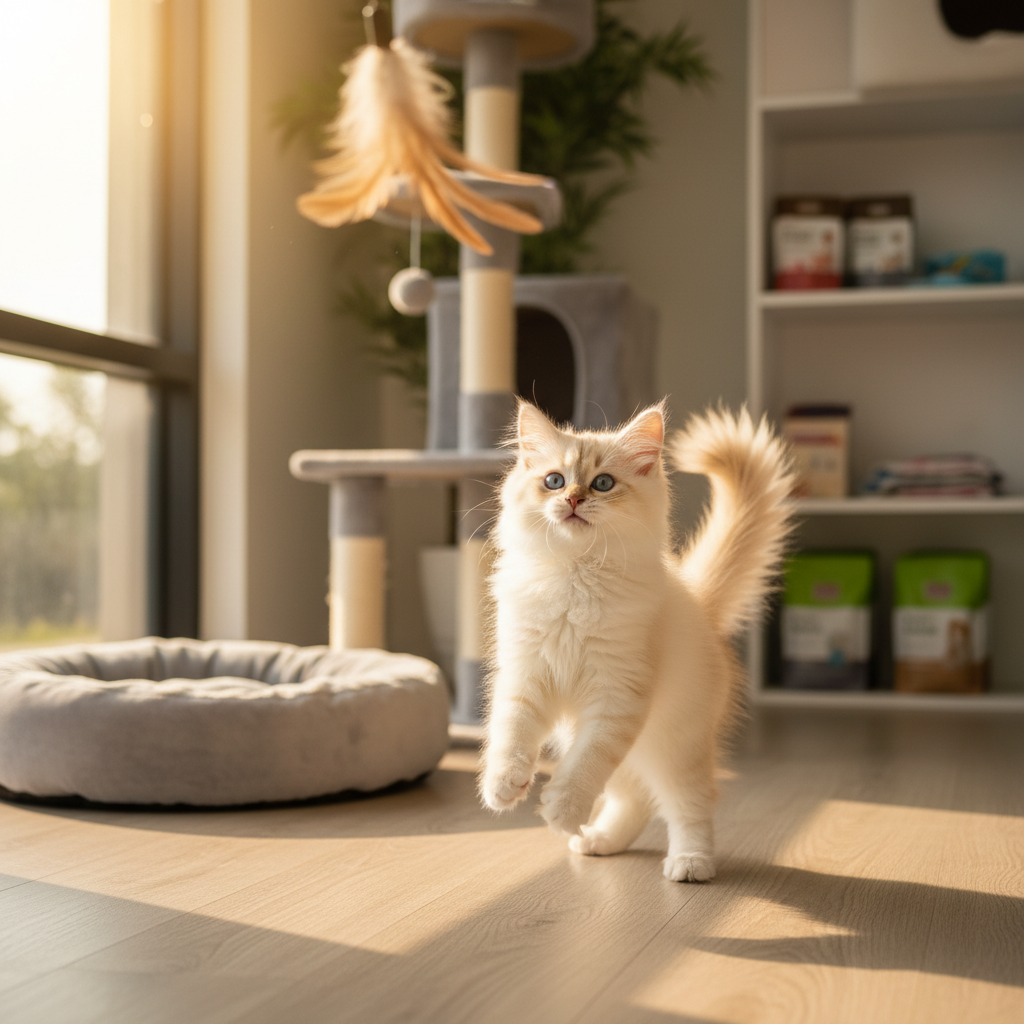
Kitten season in Aotearoa runs from September through April, flooding SPCA centres with vulnerable neonates. This guide covers everything NZ foster carers need to know, from sourcing supplies locally to navigating council desexing bylaws.
Key Takeaways
- New Zealand's kitten season runs from roughly September to April, peaking over summer when SPCA centres can receive more than 1,500 kittens per month nationwide.
- Neonatal kittens (under four weeks old) cannot regulate body temperature, urinate, or defecate without assistance from a carer.
- SPCA New Zealand provides foster carers with food, bedding, equipment, and covers all veterinary costs for foster animals.
- Feeding schedules shift from every two hours for newborns to every four to six hours by week three, and daily weighing in grams is the best measure of progress.
- An increasing number of local councils now require microchipping and desexing of cats, so foster carers should be aware of the bylaws in their area.
- Any kitten that refuses two consecutive feeds, feels cold, or shows laboured breathing needs emergency veterinary attention immediately.
Why Neonatal Fostering Matters in Aotearoa
New Zealand's temperate climate means that undesexed cats can breed across a long season, typically from early spring through late autumn. SPCA New Zealand has reported receiving over 10,000 kittens through their centres in a single kitten season, with the youngest and most fragile being neonates: kittens under four weeks old that require round the clock care to survive.
Without foster carers willing to bottle feed every few hours, these kittens face extremely poor survival rates in a shelter environment. Fostering neonatal kittens is demanding, often exhausting work, but it is one of the most impactful ways any animal lover in Aotearoa can volunteer their time. This guide covers everything needed to foster neonates in New Zealand, from sourcing supplies to understanding local regulations.
Getting Started: Signing Up With a Shelter
The most common pathway into neonatal fostering in New Zealand is through SPCA, which operates foster programmes at centres from Auckland to Invercargill. To foster through SPCA, carers must be at least 18 years old and have access to their own transport at all times, including overnight, in case a foster kitten needs emergency veterinary treatment. A spare room, bathroom, or laundry that can be closed off from other household pets is also required.
SPCA provides all necessary supplies for foster animals, including food, bedding, litter trays, and equipment. All veterinary costs are covered for the duration of the foster period. Training and ongoing support are also part of the programme, which is especially valuable for first time neonate carers. Contact your nearest SPCA centre to register interest, or visit the SPCA website to find volunteer positions in your region.
Other rescue organisations around the country also run foster programmes. Requirements vary, so it is worth checking with local groups in your area if SPCA is not nearby.
Essential Supplies for Neonatal Fostering
While SPCA provides supplies for their foster animals, it helps to understand what is involved. If fostering independently or through a smaller rescue, the following items are essential:
- Kitten milk replacer (KMR): A commercially formulated milk powder designed for kittens, available from veterinary clinics and larger pet supply retailers in New Zealand. Never use cow's milk, goat's milk, or human infant formula, as these cause serious digestive problems and nutritional deficiencies in kittens.
- Nursing bottles and nipples: Small bottles with kitten sized nipples. For very small neonates, some carers use specialised nipples that attach to syringes, available through veterinary suppliers.
- Digital kitchen scale: Accurate to at least one gram. Daily weighing is the single best way to monitor whether a kitten is thriving. Healthy neonates typically gain around 10 to 15 grams per day.
- Heat source: A microwaveable heat disc or electric heating pad on a low setting with automatic shutoff. Neonatal kittens cannot regulate their own body temperature for the first three to four weeks of life.
- Soft bedding and a small carrier or box: Lined with fleece blankets or towels. Avoid terry cloth, as tiny claws catch in the loops.
- Cotton pads or soft cloths: For stimulating urination and defecation after each feed.
- Feeding and weight log: A notebook or printed chart for recording daily weights, feed volumes, and stool observations. Shelters rely on these records to make medical decisions.
Setting Up a Warm, Safe Space
Temperature control is critical for neonatal kittens. For the first week of life, the ambient temperature inside the nesting box should sit around 29 to 32°C. This gradually decreases as the kittens grow: roughly 27°C by week two and around 24°C by week four. Place a thermometer inside the bedding to monitor conditions accurately.
New Zealand homes, particularly older villas and bungalows, can be draughty and cool overnight, even in summer. A dedicated heat source inside the nesting box is essential rather than relying on room heating alone. Keep the nesting area in a quiet room, well separated from other household pets. Neonatal kittens have immature immune systems and are highly susceptible to infections.
Bottle Feeding: Step by Step
Prepare the formula: Mix kitten milk replacer according to the manufacturer's instructions. Only prepare enough for one session, as formula left at room temperature breeds bacteria quickly. Warm to roughly 37°C by placing the bottle in a cup of warm water. Test a drop on your inner wrist: it should feel neutral.
Position the kitten correctly: This is where many first time carers make a critical error. Never feed a kitten on its back like a human baby. This allows formula to enter the lungs (aspiration), which can cause fatal pneumonia. Place the kitten belly down on a towel, allowing it to raise its head naturally toward the nipple.
Feed slowly: Gently insert the nipple into the kitten's mouth and let it suckle at its own pace. Do not squeeze the bottle. If a kitten is too weak to suckle, contact your shelter coordinator or veterinarian before attempting syringe feeding, which requires specific technique.
Burp the kitten: After feeding, hold the kitten upright against your shoulder or in your palm and gently pat its back to release trapped air.
Feeding Schedule by Age and Weight
- Newborn to one week (under 150g): Every two to three hours, including overnight. Typically 2 to 6ml per feed.
- One to two weeks (150 to 250g): Every three to four hours, with at least one overnight feed. Typically 6 to 10ml per feed.
- Two to three weeks (250 to 350g): Every four to five hours. Overnight gaps of five to six hours are usually tolerable. Typically 10 to 14ml per feed.
- Three to four weeks (350g and above): Every five to six hours. Begin introducing formula in a shallow dish alongside bottle feeds.
These volumes are approximate. Consistent daily weight gain is the most reliable indicator of adequate nutrition. A kitten that loses weight or fails to gain over 24 hours needs veterinary assessment.
Stimulation: Helping Kittens Eliminate
Kittens under three to four weeks old physically cannot urinate or defecate without external stimulation. Normally, the mother cat licks the perineal area to trigger elimination. Without this, waste builds up and can become a life threatening emergency.
After every feed, use a warm, damp cotton pad or soft cloth to gently stroke the genital and anal area in a consistent, rhythmic motion for 30 to 60 seconds, or until the kitten urinates and ideally defecates. Urine should be pale yellow and nearly clear. Dark or orange urine suggests dehydration. Stool should be soft and yellowish. Diarrhoea, green stool, or absence of stool for more than 24 hours all warrant a veterinary call.
Developmental Milestones and Weaning
Weeks one to two: Eyes closed, ears folded, movement limited to crawling. Focus entirely on warmth, feeding, and stimulation.
Weeks two to three: Eyes begin opening (typically around 7 to 14 days). Ears start to unfold. Kittens may wobble on their legs. Begin very gentle handling to support socialisation.
Weeks three to four: Introduce a shallow dish of warmed formula. Gradually add high quality wet kitten food to create a thin slurry. Place a shallow litter tray with non clumping litter in the enclosure. Clumping litter is dangerous at this age because kittens ingest it, risking intestinal blockages. Paper pellet litter or shredded newspaper are safe alternatives readily available in New Zealand. Continue bottle feeds alongside dish feeding.
Weeks four to six: Kittens become mobile and playful. Teeth emerge. Thicken the food slurry and reduce bottle feeds. Most kittens eat primarily from a dish by five to six weeks.
Weeks six to eight: Kittens should be fully weaned onto wet kitten food. Litter box habits should be well established. Socialisation is critical: gentle handling, exposure to household sounds, and supervised play help build a well adjusted adult cat. For those considering keeping a kitten permanently, understanding the True Monthly Cost of Owning a Cat in NZ (2026) is essential for long term planning.
Health Concerns to Watch For
Fading Kitten Syndrome
A broad term for rapid decline in a neonate without obvious cause. Signs include lethargy, refusal to eat, weak suckle reflex, and a body that feels cold. This is a genuine emergency. Warm the kitten slowly (never with direct heat), place a tiny amount of sugar water on the gums, and contact a veterinarian immediately.
After Hours Veterinary Clinics
Contact your regular vet's after-hours service or your nearest emergency veterinary clinic.
Major centres (Auckland, Wellington, Christchurch) have dedicated 24-hour emergency vet hospitals.
Aspiration Pneumonia
If formula enters the lungs, the kitten may sneeze, cough, or develop a clicking sound when breathing. Formula may bubble from the nostrils. Stop feeding immediately, hold the kitten with its head slightly lower than its body, and seek veterinary care.
Upper Respiratory Infections
Sneezing, nasal discharge, and crusty eyes are common in shelter origin kittens. A veterinarian should assess any kitten with respiratory symptoms. The New Zealand Veterinary Association (NZVA) recommends that only healthy animals receive vaccinations, so respiratory illness may delay scheduled treatments.
When to Call a Vet Immediately
Do not wait or attempt to troubleshoot at home if any of the following occur:
- A kitten refuses two consecutive feeds.
- A kitten feels cold and does not warm up within 15 to 20 minutes in a properly heated environment.
- Laboured breathing, open mouth breathing, or a clicking sound with each breath.
- Diarrhoea persisting more than 12 hours, especially if bloody.
- A kitten that is limp, unresponsive, or crying constantly without settling.
- Visible abdominal swelling that does not resolve after stimulation.
If fostering through SPCA, save your centre's emergency contact number in your phone before kittens arrive. SPCA covers all veterinary costs for foster animals, so there should be no hesitation about seeking treatment.
After Hours Veterinary Clinics
Contact your regular vet's after-hours service or your nearest emergency veterinary clinic.
Major centres (Auckland, Wellington, Christchurch) have dedicated 24-hour emergency vet hospitals.
NZ Regulations: Microchipping and Desexing
An increasing number of New Zealand councils have introduced bylaws requiring companion cats to be microchipped and desexed. Councils including those in Whangarei, Palmerston North, Lower Hutt, Nelson, and Tasman already have mandatory requirements, typically from six months of age. While there is not yet a single national law mandating desexing, a national microchipping bill was introduced in late 2024.
For foster carers, this is important context. Kittens fostered through SPCA will be desexed and microchipped before adoption. If fostering independently, ensure that any kittens rehomed comply with local council bylaws. Microchips should be registered on the New Zealand Companion Animal Register (NZCAR).
These bylaws exist partly to protect New Zealand's native wildlife. Aotearoa's unique birdlife, including kiwi and other vulnerable species, faces significant pressure from unmanaged cat populations. Responsible fostering, desexing, and rehoming directly supports conservation outcomes alongside animal welfare.
Practical Tips for Surviving the Sleep Deprivation
- Set alarms rather than relying on waking naturally. Missing a feed puts fragile neonates at risk.
- Prepare formula and supplies before bed so overnight feeds are as quick as possible.
- Split shifts with a household member if you can.
- Keep the feeding station close to where you sleep during the first two weeks.
- Stock up on clean towels and cloths, as laundry increases dramatically.
After Foster: What Happens Next
Once kittens reach their target weight and age, have received initial vaccinations (typically starting around six to eight weeks), and are eating independently, they return to the shelter or go to an adoption event. SPCA centres coordinate vaccinations and desexing scheduling. Some shelters offer foster carers first right of adoption if they wish to keep a kitten permanently.
The typical foster period for neonatal kittens is two weeks to a couple of months. Letting go is emotionally difficult, but returning healthy kittens frees the foster home to save more lives during the long New Zealand kitten season. For those interested in broader feline care, exploring topics like choosing a cat daycare with real enrichment or smart feeders for weekend trips can deepen your understanding of cat wellbeing at every life stage.
Frequently Asked Questions
When is kitten season in New Zealand? ↓
How do I sign up to foster neonatal kittens in NZ? ↓
What supplies do I need to foster newborn kittens? ↓
Do I need to microchip and desex foster kittens before rehoming them in New Zealand? ↓
What are the emergency warning signs in neonatal kittens? ↓

Emma Lawson
Practical Pet Care Educator
Practical pet home care specialist — clear, step-by-step guidance grounded in veterinary nursing standards.
Content Disclosure
This article was created using state-of-the-art AI models with human editorial oversight. It is intended for informational and entertainment purposes only and does not constitute veterinary medical advice. Always consult a licensed veterinarian for your pet's specific health needs. Learn more about our process.