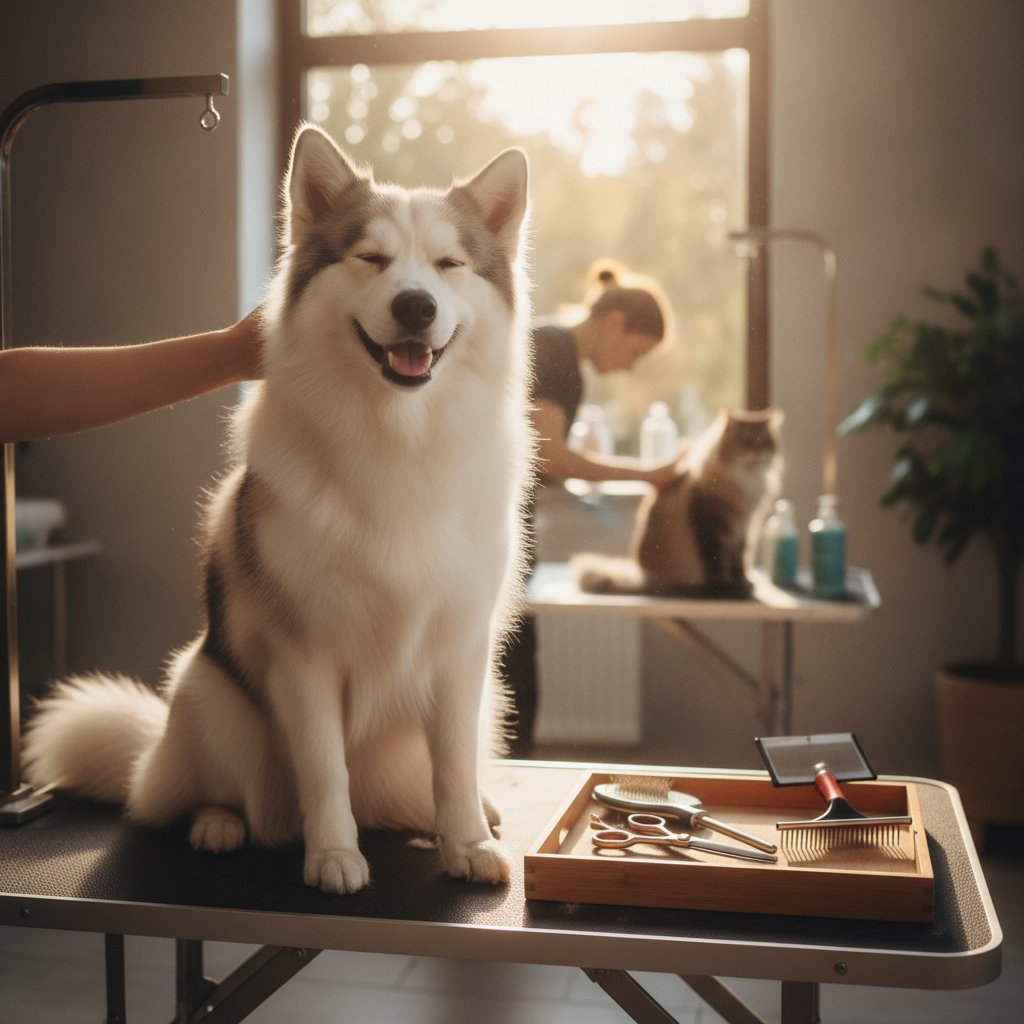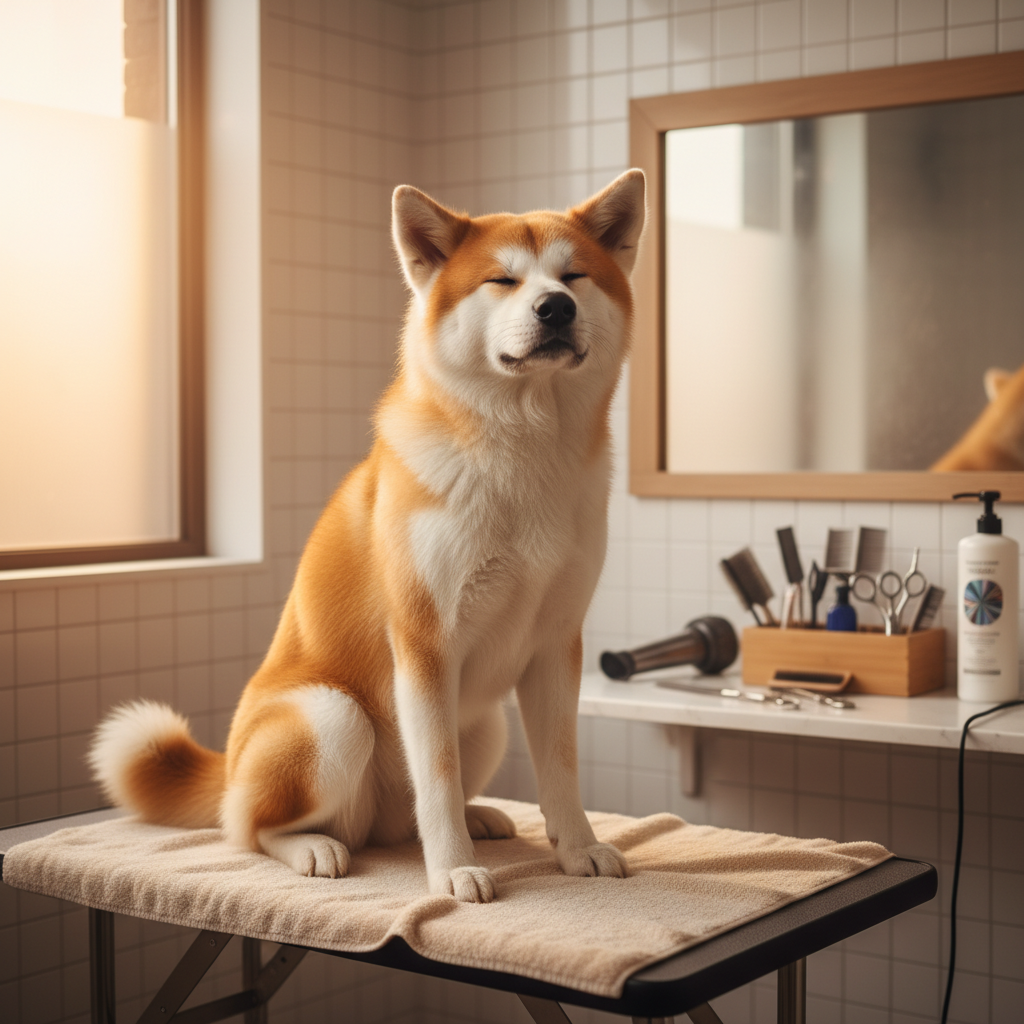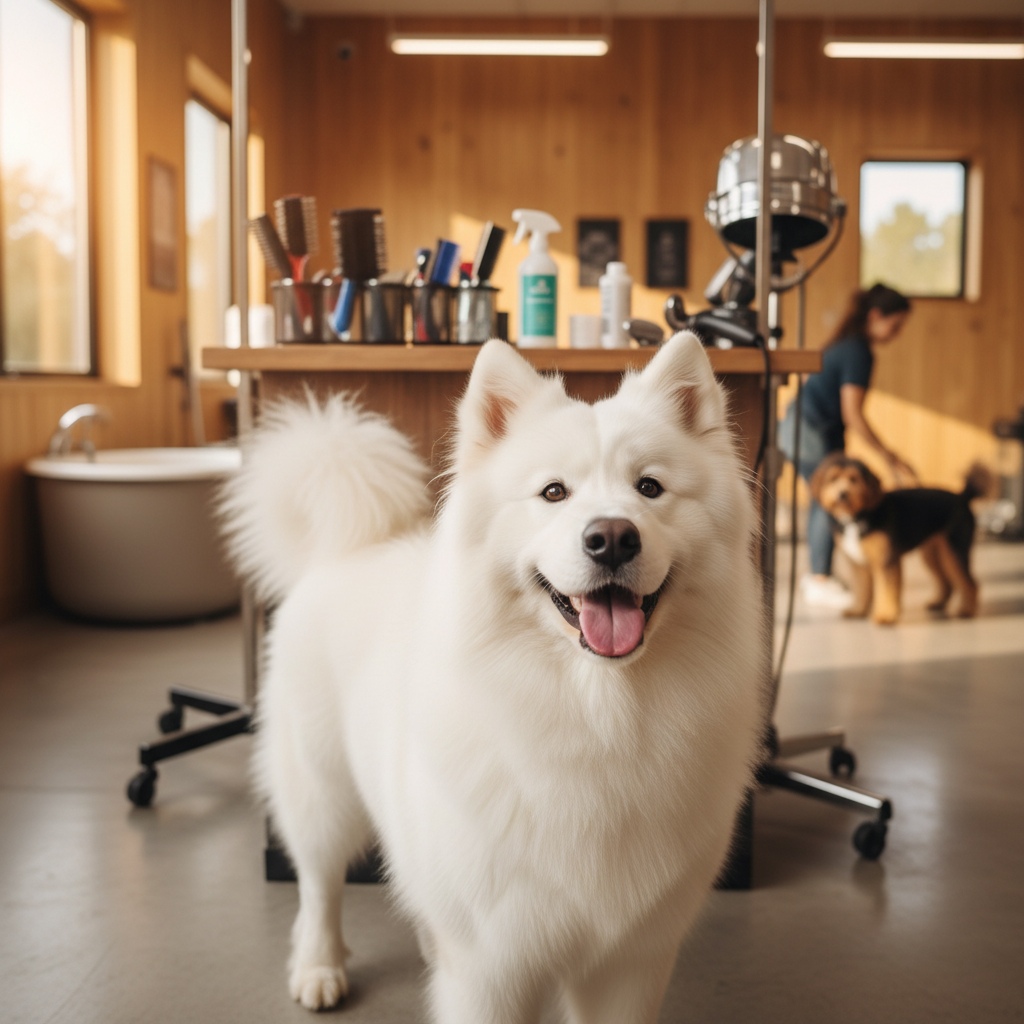
As the southerlies return and daylight fades, New Zealand pets face the 'Autumn Coat Blow'. Learn local strategies to manage shedding, combat bidi-bidi burrs, and protect your pet's skin against our unique maritime dampness.
The Shift in the Southern Hemisphere
As the long evenings of daylight saving end and the crisp mornings settle in across New Zealand, Kiwi pet owners inevitably face a familiar struggle: the 'Autumn Coat Blow'. While we often associate the most dramatic shedding with spring, the autumn transition from March through May is equally significant for our companion animals. In veterinary clinics from Northland to Invercargill, we see a surge in skin complaints during this period, directly related to how pets adapt to our cooling maritime climate.
Unlike the harsh continental winters of the Northern Hemisphere, New Zealand winters are characterised by dampness. Your pet is currently shedding their lighter summer coat to make way for a denser, water-resistant winter layer. However, if that dead summer hair is not effectively removed, it becomes trapped against the skin. Combined with our high ambient humidity and frequent rainfall, this creates a 'greenhouse effect' on your pet's skin, a perfect breeding ground for bacteria and yeast.
Key Takeaways for NZ Owners
- The Local Risk: It is not just about the cold; it is about the wet. Impacted undercoat holds water like a sponge, leading to moist dermatitis (hot spots) and 'rain scald'.
- The Flora Factor: Autumn is prime season for Acaena novae-zelandiae (bidi-bidi or piripiri), whose sticky burrs cause severe matting.
- The Goal: Clear the dead coat to allow the skin to breathe and the new winter guard hairs to repel rain effectively.
- The Golden Rule: If you cannot see the skin when you part the fur, the coat is impacted and holding moisture.
The Science of the Kiwi Moult
It is a common misconception that temperature drops trigger shedding. The primary driver is actually photoperiod, the number of daylight hours. As our days shorten rapidly after the equinox, your pet's pineal gland signals hair follicles to enter the telogen (resting) phase and shed. This allows the new anagen (growth) phase to produce the winter coat.
In New Zealand, where many pets live an 'indoor-outdoor' lifestyle, this natural rhythm can be confused by artificial lighting and heat pumps, leading to prolonged, year-round shedding. However, the biological urge to dump the summer coat in April and May remains strong. Double-coated breeds popular in NZ, such as Golden Retrievers, Border Collies, Huntaways, and German Shepherds, are most affected, but even short-coated breeds like Staffies and Labradors will experience a noticeable increase in turnover.
Phase 1: Preparation and The 'Bidi-Bidi' Check
Before you even pick up a brush, you need to prepare the coat. In New Zealand, this means dealing with our native hitchhikers. The bidi-bidi plant releases its seed heads in late summer and autumn. These burrs act like Velcro, pinning the dead undercoat together and forming painful mats tight against the skin.
The Essential Toolkit
- Undercoat Rake: Vital for double-coated breeds. It reaches past the guard hairs to pull out loose wool without cutting.
- Slicker Brush (Long Pin): Your primary tool for separating hair and line brushing.
- Metal Greyhound Comb: The 'lie detector' used to find hidden tangles and bidi-bidi burrs.
- Detangling Spray: Crucial for loosening burrs without tearing the coat. Look for silicone-free options if possible.
- Blunt-nosed Scissors: For safely cutting out stubborn bidi-bids that cannot be teased out.
Phase 2: The Step-by-Step De-Shedding Technique
Grooming is not a race. Aim for short, positive sessions of 15 to 20 minutes to prevent 'brush burn' (irritation of the skin from over-brushing) and to keep the experience stress-free.
Step 1: The Inspection and Burr Removal
Run your hands over your pet's entire body. You are feeling for heat, lumps, or the hard, prickly texture of burrs. Pay special attention to the armpits, behind the ears, the tail base, and between the toes. If you find a bidi-bidi mat, saturate it with detangler, wait a minute, and try to tease it apart with the comb. If it is tight against the skin, carefully clip it out, safety first.
Step 2: Line Brushing
Surface brushing is insufficient for the autumn moult. You must use line brushing to prevent moisture entrapment.
- Have your pet lie on their side.
- Lift a section of fur upwards to reveal a distinct line of skin.
- Brush the hair below the line downwards, pulling the dead hair away from the skin.
- Work systematically from the paws up the flank, inch by inch.
- Why this matters in NZ: By ensuring the path from skin to air is clear, you improve thermal regulation and allow the skin to dry quickly after those wet autumn walks.
Step 3: The Rake Out
Once the coat is free of tangles and burrs, use your undercoat rake. Move gently with the grain of the hair. You will likely remove enough fluff to knit a second dog. This is the hair that would otherwise trap mud and moisture against the skin, leading to the dreaded 'wet dog smell' and potential fungal infections.
Step 4: The Bath and The Drying Dilemma
Bathing can help loosen the shedding coat, but in New Zealand's autumn, drying is non-negotiable. Our homes can be cooler and damper than those overseas, and air-drying a double-coated dog in May is a recipe for hot spots.
If you do bathe your dog at home, use a blow dryer on a cool or warm (not hot) setting to ensure the undercoat is bone dry. If you do not have the equipment, this is the perfect time to book a 'bath and blow-out' with a professional groomer. They have high-velocity dryers that blast the remaining dead coat out effectively.
Nutrition: Fueling the New Coat
Building a new winter coat consumes a lot of energy and protein. To support this, consider adding high-quality Omega-3 fatty acids to your pet's diet during the moult. New Zealand King Salmon oil or Green Lipped Mussel supplements are excellent local sources that support both skin health and joint mobility, a double benefit as the cold sets in.
Specific Considerations by Species
Cats and Local Wildlife
For our feline friends, the autumn moult brings the risk of hairballs (trichobezoars). Because cats groom themselves, they ingest large amounts of fur during this time. Increase brushing frequency to daily. If your cat is retching unproductively or loses their appetite, seek veterinary advice immediately.
Conservation Note: Autumn is also a critical time for native wildlife. As food sources become scarcer, birds may take more risks. Keeping your cat indoors at night not only protects them from the dropping temperatures and fighting toms but also gives our nocturnal native species a break.
Rabbits and Guinea Pigs
For small herbivores, the moult is a dangerous time. Rabbits cannot vomit, so ingesting fur can lead to fatal GI Stasis. You must 'strip' loose tufts of fur gently by hand and brush daily. Ensure outdoor hutches are raised off the damp ground and are draft-free, as wet bedding combined with a moulting coat can lead to pneumonia or flystrike, even in cooler weather.
Working Dogs and Farm Breeds
For our Huntaways and Heading dogs, the autumn moult coincides with busy periods on the farm. These dogs are often exposed to the elements all day. It is vital to ensure their undercoat is not impacted, as a matted coat loses its insulating ability. A wet, matted farm dog burns significantly more calories trying to stay warm, losing condition quickly. A thorough groom is an investment in their working performance.
When to Call the Vet
While shedding is normal, certain signs warrant professional attention. If you observe the following, please consult your vet:
- Symmetric Hair Loss: Thinning specifically on the flanks can indicate endocrine issues like Hypothyroidism or Cushing's disease.
- Raw, Weeping Skin: This suggests a hot spot (acute moist dermatitis) which can spread rapidly in humid weather.
- Flea Dirt: In the North Island especially, fleas can be a year-round problem. A sudden increase in itching during the moult often masks a flea allergy flare-up.
If you suspect a skin infection or need urgent advice, do not wait.
After Hours Veterinary Clinics
Contact your regular vet's after-hours service or your nearest emergency veterinary clinic.
Major centres (Auckland, Wellington, Christchurch) have dedicated 24-hour emergency vet hospitals.
Looking Ahead: Winter Wellness
Once the 'Big Moult' is under control, your pet is ready for the winter months. Their new coat will loft correctly, trapping warm air against the body while the guard hairs shed the rain. Now is the time to check your flea and worming treatments are up to date, fleas love centrally heated homes in winter, and ensure your pet's bedding is clean, dry, and elevated from cold floors.
Grooming is more than just cleaning; it is a health check and a bonding exercise. By managing the autumn moult, you are ensuring your pet remains comfortable, dry, and healthy through the wetter months ahead.
Frequently Asked Questions
Why is my dog shedding so much in autumn? ↓
How do I remove bidi-bidi burrs from my dog's fur? ↓
Can I leave my dog to air dry after a bath in autumn? ↓

Emma Lawson
Practical Pet Care Educator
Practical pet home care specialist — clear, step-by-step guidance grounded in veterinary nursing standards.
Content Disclosure
This article was created using state-of-the-art AI models with human editorial oversight. It is intended for informational and entertainment purposes only and does not constitute veterinary medical advice. Always consult a licensed veterinarian for your pet's specific health needs. Learn more about our process.