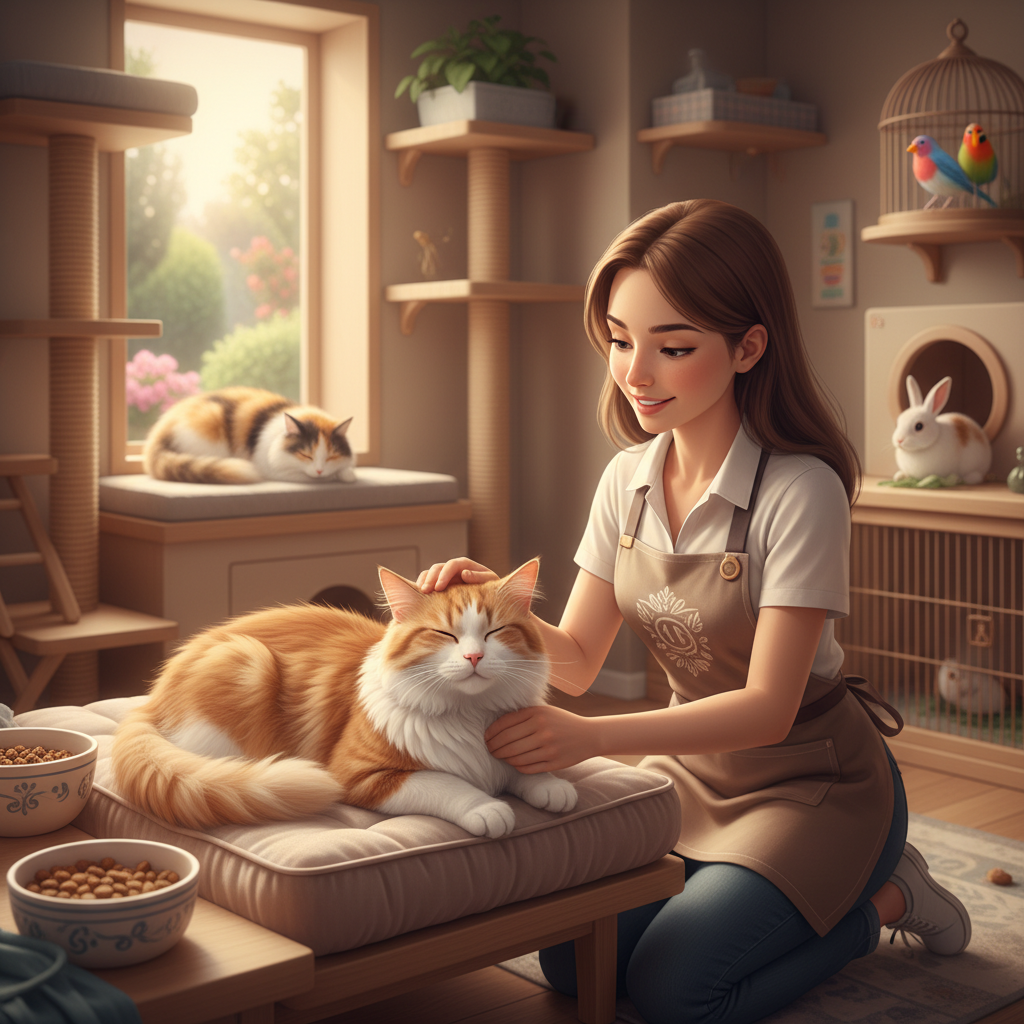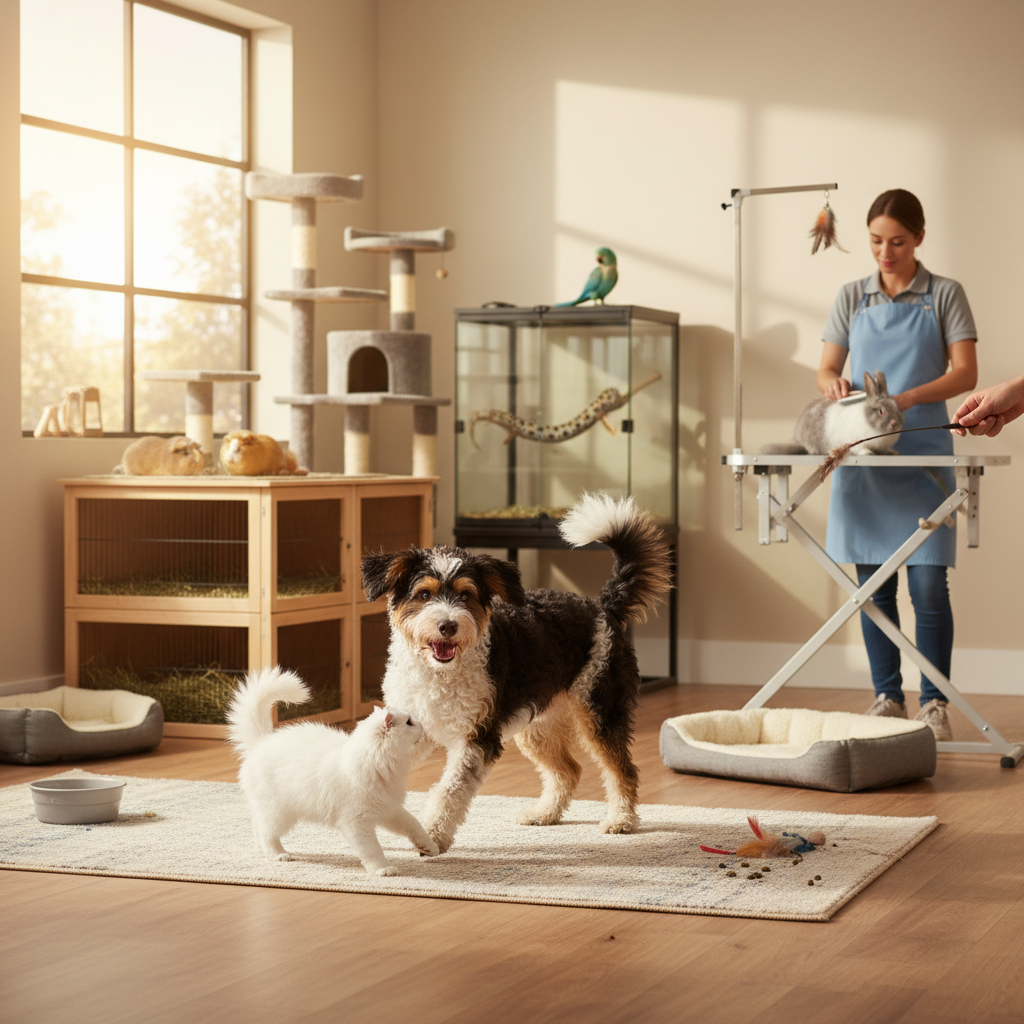
Labour Weekend and the lead-up to summer create peak demand for pet sitters and boarding across New Zealand. Plan early to secure quality care for your pet during this busy late spring travel window.
Key Takeaways
- Book boarding 8 to 12 weeks ahead for Labour Weekend and the late spring travel rush leading into summer.
- Vet your pet sitter thoroughly by checking insurance, references, and scheduling a mandatory meet and greet.
- Prepare a written handover packet covering feeding, medication, vet contacts, behavioural notes, and council registration details.
- Anxious and elderly pets need specific protocols, including gradual introductions, scent items, and a clear emergency escalation plan.
- Ensure microchip details are current as required under the Dog Control Act 1996, and confirm ID tags show a reachable phone number.
Why Late Spring Is Peak Booking Season in New Zealand
In Aotearoa New Zealand, late spring falls in October and November, bringing warmer temperatures, longer daylight hours, and a string of popular travel weekends. Labour Weekend (the fourth Monday of October) is one of the busiest domestic travel periods of the year, with Kiwis heading to baches, camping grounds, and holiday parks across the country. Regional anniversary days and school holidays in November add further pressure. For pet owners, this stretch creates a genuine bottleneck for boarding kennels, catteries, and professional pet sitters, particularly in Auckland, Wellington, Christchurch, and popular holiday regions like the Coromandel, Bay of Islands, and Queenstown Lakes.
Professional pet sitting during this window typically involves one of three service models:
- In-home pet sitting: A sitter stays in your home or visits multiple times daily. This is often the least disruptive option for cats, rabbits, and anxious dogs.
- Boarding at a licensed facility: Your pet stays at a kennel or cattery. Facilities accredited through organisations such as the New Zealand Companion Animal Council or those meeting local council requirements are generally held to higher operational standards.
- Host-family boarding: Your pet stays in the sitter's own home, typically in a small group or single-pet arrangement. This model works well for dogs that thrive in a domestic environment but find kennel settings stressful.
Regardless of the model, the scope of service should be agreed upon in writing and should cover feeding schedules, medication administration, exercise routines, emergency protocols, and daily photo or message updates.
Boarding Reservation Timelines for NZ Late Spring
Demand data from New Zealand pet care providers consistently shows that Labour Weekend bookings fill faster than almost any other period except Christmas and New Year. The following timeline reflects professional consensus:
8 to 12 Weeks Before Travel
This is the ideal window for securing a first-choice facility or experienced in-home sitter. Top-rated sitters and boarding facilities in Auckland, Wellington, and Christchurch often have waitlists that open well in advance. Booking early also allows time for a trial overnight stay, which is strongly recommended for pets that have never boarded before.
4 to 8 Weeks Before Travel
Availability narrows significantly. Owners booking in this window should expect to contact multiple providers and may need to compromise on location or specific amenities. Premium facilities and those with Fear Free Certified practices tend to be fully committed by this point.
2 to 4 Weeks Before Travel
Options are limited. Expand your search radius and consider host-family boarding or newer sitters with fewer reviews but verifiable credentials. A meet and greet becomes even more critical at this stage because the relationship is being established on a compressed timeline.
Under 2 Weeks Before Travel
This is last-minute territory. See the alternatives section below.
How to Find and Vet a Trustworthy Pet Sitter in NZ
Where to Search
- Veterinary clinic referrals: Many New Zealand vet practices maintain a list of trusted local sitters. This is often the most reliable referral channel.
- SPCA recommendations: SPCA New Zealand can sometimes point owners toward reputable local boarding and sitting services.
- Platform-based services: Online pet-sitting marketplaces operating in New Zealand offer review systems and booking infrastructure. Look for platforms that verify sitter identity, conduct background checks, and provide insurance coverage as part of the booking.
- Local community networks: Neighbourhood Facebook groups, Neighbourly, and breed-specific NZ forums (such as NZ dog breed clubs) can surface experienced sitters who rely on reputation rather than platform listings.
Verification Checklist
- Insurance: The sitter or facility should carry public liability insurance that specifically covers pet care activities. Standard house insurance typically does not cover professional pet sitting.
- Certifications: Look for pet first aid certification from a recognised NZ provider. Fear Free Pets certification is a strong indicator of low-stress handling training.
- References: Request and contact at least two recent client references. Ask specifically about communication, reliability, and how the sitter handled unexpected issues.
- Written agreement: A professional sitter should provide a written service agreement outlining responsibilities, cancellation terms, liability, and emergency authorisation.
- Meet and greet: This is non-negotiable. The sitter should meet your pet in your home (for in-home sitting) or at their facility. Observe how the sitter interacts with your pet, whether they ask detailed questions, and whether your pet appears comfortable.
NZ-Specific Legal and Regulatory Requirements
New Zealand pet owners should be aware of several legal obligations relevant to boarding and pet sitting arrangements:
- Microchipping: Under the Dog Control Act 1996, all registered dogs in New Zealand must be microchipped. Before handing your dog to any sitter, confirm that your microchip registration details (held on the New Zealand Companion Animals Register) are current, including your phone number and address.
- Council registration: Dogs must be registered with your local territorial authority. Provide a copy of your dog's registration details to the sitter, and ensure the registration tag is on the collar.
- Menacing and dangerous dog classifications: If your dog is classified as menacing or dangerous under the Dog Control Act, specific muzzling and leashing requirements apply at all times in public. Your sitter must understand and comply with these requirements.
- Native wildlife considerations: New Zealand's native birds, including kiwi, weka, and penguins, are protected under the Wildlife Act 1953. If your pet is being cared for near conservation areas, bush reserves, or coastal zones, ensure the sitter understands that dogs must be kept on-lead or contained in these areas. Some regions, such as parts of Northland, the West Coast, and Stewart Island/Rakiura, have specific bylaws restricting dogs entirely from kiwi habitat zones.
What to Prepare Before Leaving Your Pet
A thorough handover packet reduces the risk of miscommunication and ensures continuity of care.
Essential Documents
- Feeding instructions: Brand, type, and quantity of food per meal (measured in grams or cups). Include treat allowances and any foods to avoid. For pets with specific nutritional needs, consult the Functional Ingredients in Pet Food: What Science Says for background.
- Medication schedule: Drug name, dosage (in mg or ml per kg of body weight), timing, and administration method. Include a demonstration during the meet and greet.
- Veterinary information: Name, address, and phone number of your regular vet clinic, plus the nearest after-hours emergency veterinary service.
Include your pet insurance policy number if applicable.
Contact your regular vet's after-hours service or your nearest emergency veterinary clinic.
Major centres (Auckland, Wellington, Christchurch) have dedicated 24-hour emergency vet hospitals.
- Signed veterinary authorisation: A written form allowing the sitter to seek emergency veterinary treatment in your absence.
- Behavioural notes: Triggers, fears, calming strategies, and any known reactivity issues. Note whether your pet is comfortable with other animals, strangers, or specific sounds.
- Daily routine: Walk times, play preferences, sleep location, and any rituals.
- Council registration and microchip details: Registration number, microchip number, and the provider where your chip is registered.
Supplies to Leave
- Enough food for the full duration plus two extra days
- All medications with clear labelling
- Spare lead, harness, and poo bags
- Familiar bedding or a worn item of clothing carrying your scent
- Cleaning supplies for accidents
- Carrier or crate if your pet uses one
- Sunscreen for pets with light-coloured or thin-coated skin (NZ UV levels in late spring can be intense, particularly from October onward)
Emergency Contact Protocol
Every professional pet-sitting arrangement should include a written emergency escalation plan:
- Tier 1 (non-urgent): Sitter contacts the owner via the agreed communication channel. Examples: mild digestive upset, minor behavioural changes, a skipped meal.
- Tier 2 (urgent, not critical): Sitter contacts the owner and the designated backup contact. If the owner is unreachable within 30 to 60 minutes, the sitter proceeds to Tier 3. Examples: persistent vomiting, limping, refusal to eat for more than 24 hours.
- Tier 3 (emergency): Sitter takes the pet directly to the designated emergency veterinary clinic without waiting for owner confirmation. The signed veterinary authorisation form covers this scenario. Examples: suspected poisoning (including exposure to 1080 bait in rural or bush areas), trauma, seizure, difficulty breathing, collapse.
Owners should provide the address and hours of both their regular veterinarian and the nearest after-hours emergency clinic. The New Zealand Veterinary Association (NZVA) website can help locate practices by region. For owners of elderly or medically complex pets, discussing end-of-life preferences in advance is strongly advisable. The Home vs Clinic Euthanasia in New Zealand: A Guide covers this topic in detail.
Special Considerations for Anxious or Elderly Pets
Anxious Pets
- Gradual introduction: Schedule at least two short visits from the sitter before your departure date.
- Scent comfort: Leave an unwashed item of your clothing near your pet's sleeping area.
- Routine preservation: Maintain feeding, walking, and sleep schedules as closely as possible to your pet's normal routine.
- Calming aids: Discuss veterinary-approved options with your vet before departure. These may include pheromone diffusers, calming supplements, or prescribed anxiolytic medication. With Guy Fawkes Night (5 November) falling in this same late spring window, owners of noise-sensitive pets should also consult the Preparing Your Pet for Eid al-Adha Fireworks for additional strategies.
- Technology support: Pet cameras with two-way audio allow owners to check in remotely.
Elderly Pets
- Medication competency: The sitter must be fully trained on all medication protocols. A practice session during the meet and greet is essential.
- Mobility accommodations: Note any ramps, orthopaedic beds, or non-slip mats the pet relies on. Ensure the sitter knows not to rearrange these.
- Monitoring thresholds: Provide a written list of symptoms that warrant a vet visit. Senior pets can deteriorate quickly, and sitters need clear, pre-authorised decision criteria.
- Comfort over stimulation: Elderly pets generally benefit from calm, predictable environments. Boarding facilities with high noise levels may not be appropriate. In-home sitting or host-family boarding in a quiet household is often the better choice.
Last-Minute Alternatives
If travel plans come together with less than two weeks to go:
- Veterinary clinic boarding: Many NZ vet practices offer boarding, especially for medically complex pets. These spaces are less widely advertised and may remain available when dedicated kennels are full.
- Pet-sitting co-ops: Some local pet owner networks operate reciprocal sitting arrangements. A trusted fellow pet owner can be an excellent solution, though it lacks the insurance protections of a professional service.
- Platform-based urgent matching: Filter for sitters with verified identities, strong review histories, and confirmed insurance. A condensed meet and greet (even 30 minutes) is still strongly recommended.
- A willing friend or family member: They should receive the full handover packet and a walkthrough of all care routines. Do not assume familiarity with your pet equals competence with medication or emergency protocols.
Regardless of the last-minute path chosen, never skip the emergency veterinary authorisation form. This single document can make the difference between timely treatment and a dangerous delay.
Pre-Departure Checklist
- ☐ Written feeding instructions with food supplies stocked
- ☐ Medication supply with labelled doses and schedule
- ☐ Signed emergency veterinary authorisation form
- ☐ Regular vet contact details and after-hours emergency clinic address
- ☐ Pet insurance policy number (if applicable)
- ☐ Council registration details and microchip number
- ☐ Behavioural notes and known triggers
- ☐ Daily routine outline
- ☐ Spare lead, harness, collar with council registration tag and ID
- ☐ Comfort items (bedding, scent item, favourite toy)
- ☐ Pet-safe sunscreen for thin-coated pets
- ☐ Cleaning supplies
- ☐ Sitter's contact details saved and tested
- ☐ Backup emergency contact details provided to sitter
- ☐ Microchip registration confirmed as current on the NZ Companion Animals Register
- ☐ GPS tracker charged and activated (if used)
- ☐ Home access instructions (keys, alarm codes, rubbish and recycling collection days)
- ☐ Communication expectations agreed (frequency and method of updates)
A calm, structured handover sets the tone for the entire sitting period. Take 20 to 30 minutes for a proper walkthrough with your sitter, and both you and your pet will benefit.
Frequently Asked Questions
When should I book pet boarding for Labour Weekend in New Zealand? ↓
Is microchipping mandatory for dogs in New Zealand? ↓
What NZ-specific hazards should I tell my pet sitter about? ↓
Do I need a veterinary authorisation form for my pet sitter? ↓
What should I do about Guy Fawkes Night if I am away in early November? ↓

Laura Chen
Pet Sitter & Travel Specialist
Pet sitter and travel specialist — practical logistics, sitter vetting, and anxiety management for travelling pet owners.
Content Disclosure
This article was created using state-of-the-art AI models with human editorial oversight. It is intended for informational and entertainment purposes only and does not constitute veterinary medical advice. Always consult a licensed veterinarian for your pet's specific health needs. Learn more about our process.